The Real Value of DIY — and Its Limits
Taking care of your home yourself can build real competence and save money over time. But not every repair is created equal. The difference between a rewarding weekend project and a costly, potentially dangerous mistake often comes down to one question: Does this job require specialized knowledge, a permit, or touch a system that can injure someone if it goes wrong?
If the answer is yes, that's not a task to figure out on the fly. For everything else — a surprising amount of routine maintenance — learning to do it yourself is a genuinely worthwhile investment. See our guide to first-year homeownership maintenance for a full picture of what your home needs and when.
Saves money on routine, low-risk maintenance tasks
Tasks like filter replacements, caulking, and minor patching cost a fraction of what a service call runs. Over a year of homeownership, these savings can add up significantly.
Builds practical knowledge of your home's systems
When you handle maintenance yourself, you learn how your home actually works — making it easier to spot problems early and communicate clearly with pros when you do need them.
Lets you address small issues before they grow
A slow drain, a drafty window seal, or a loose hinge rarely fix themselves. DIY skills mean you can respond quickly without waiting for a service appointment.
Flexible scheduling on your own timeline
You're not waiting on contractor availability or paying emergency rates. Routine DIY work can happen on a weekend without scheduling friction.
Supports preventive maintenance habits
Homeowners who handle regular upkeep themselves tend to inspect more frequently, catching issues early — before they become expensive repairs requiring professional intervention.
Where DIY Gets Dangerous
There's a meaningful difference between patching drywall and rewiring an outlet — even if both feel approachable on a tutorial video. Several categories of home repair carry serious risk when done without proper training or licensing.
- Electrical work: Miswired circuits can cause fires or electrocution. Most jurisdictions require permits and licensed electricians for new wiring, panel work, or outlet additions. Our article on DIY electrical risks explains exactly what can go wrong and what permits typically require.
- Gas lines: Any work involving gas appliances, lines, or connections should always be handled by a licensed professional. Leaks are invisible and can be lethal.
- Structural modifications: Removing or altering walls — especially load-bearing ones — without engineering review can compromise your entire home's integrity.
- Roofing: Beyond the fall risk, improper repairs can void manufacturer warranties and lead to water intrusion that causes far more damage than the original problem.
High-risk repairs can cause serious injury
Electrical, gas, and roofing work are among the leading causes of DIY-related injuries. The consequences of a mistake go far beyond a failed fix.
Unpermitted work can create legal and financial problems
Work done without required permits can trigger fines, complicate home sales, and invalidate homeowner's insurance claims if something goes wrong.
Mistakes can cost more than hiring out originally would
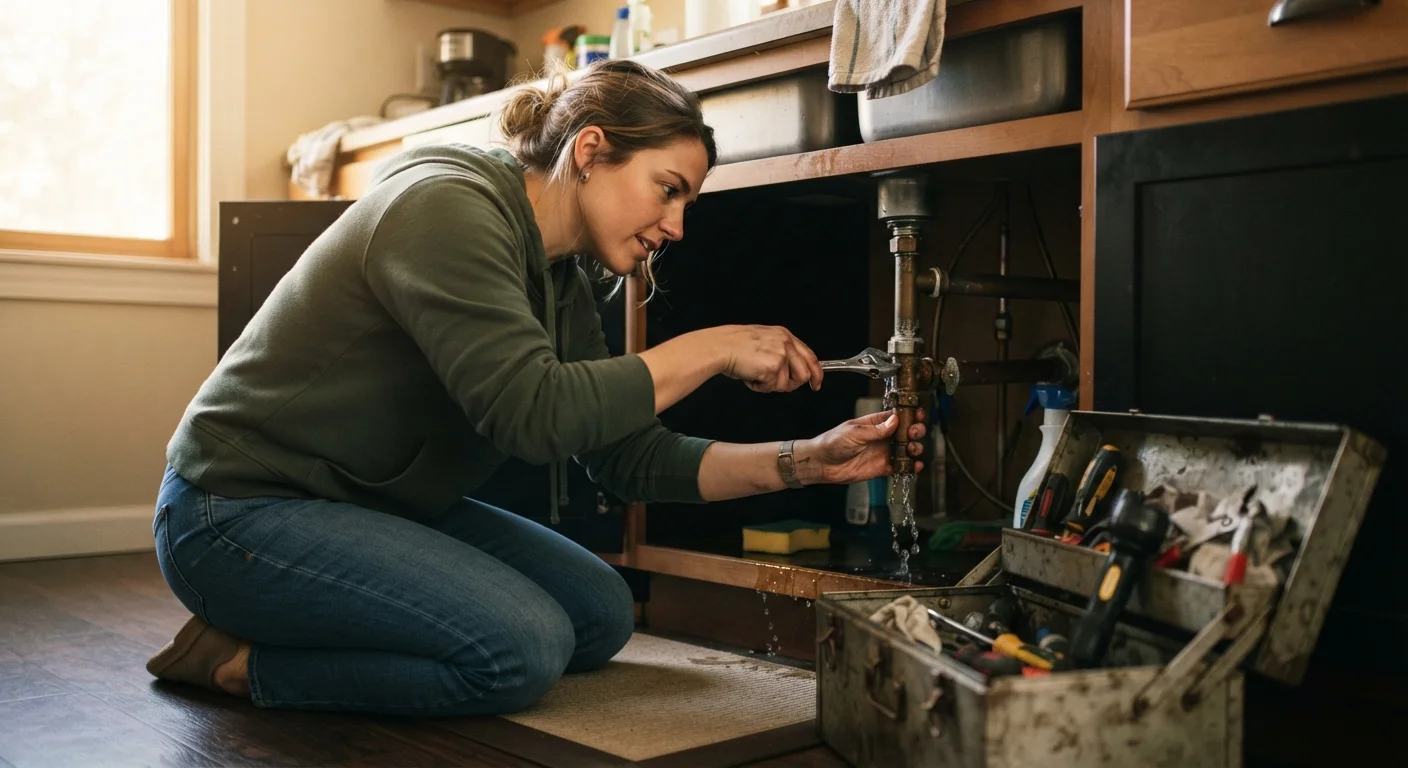
A misdiagnosed plumbing issue or an improperly sealed roof repair can cause water damage or structural problems that dwarf the original job's cost.
DIY may void product or system warranties
Many HVAC systems, appliances, and roofing materials have warranties that require professional installation or servicing — self-repair can invalidate that coverage.
Skill and tool gaps are easy to underestimate
Video tutorials make many tasks look straightforward, but hands-on experience and the right tools make a genuine difference in whether a repair holds up safely over time.
Check Before You Start: Permits Matter
Many homeowners are surprised to learn that even seemingly simple projects — adding an outlet, replacing a water heater, or installing a new window — may require a building permit in their jurisdiction. Permit requirements vary significantly by city and county. Before starting any project that modifies your home's systems or structure, contact your local building or permits department. It's typically a free inquiry and takes just a few minutes — far less painful than addressing a code violation after the fact.
Tasks Most Homeowners Can Safely Handle
A large portion of home maintenance is genuinely DIY-friendly with basic tools, patience, and a willingness to look something up before you start. These tasks generally don't require permits and carry manageable risk:
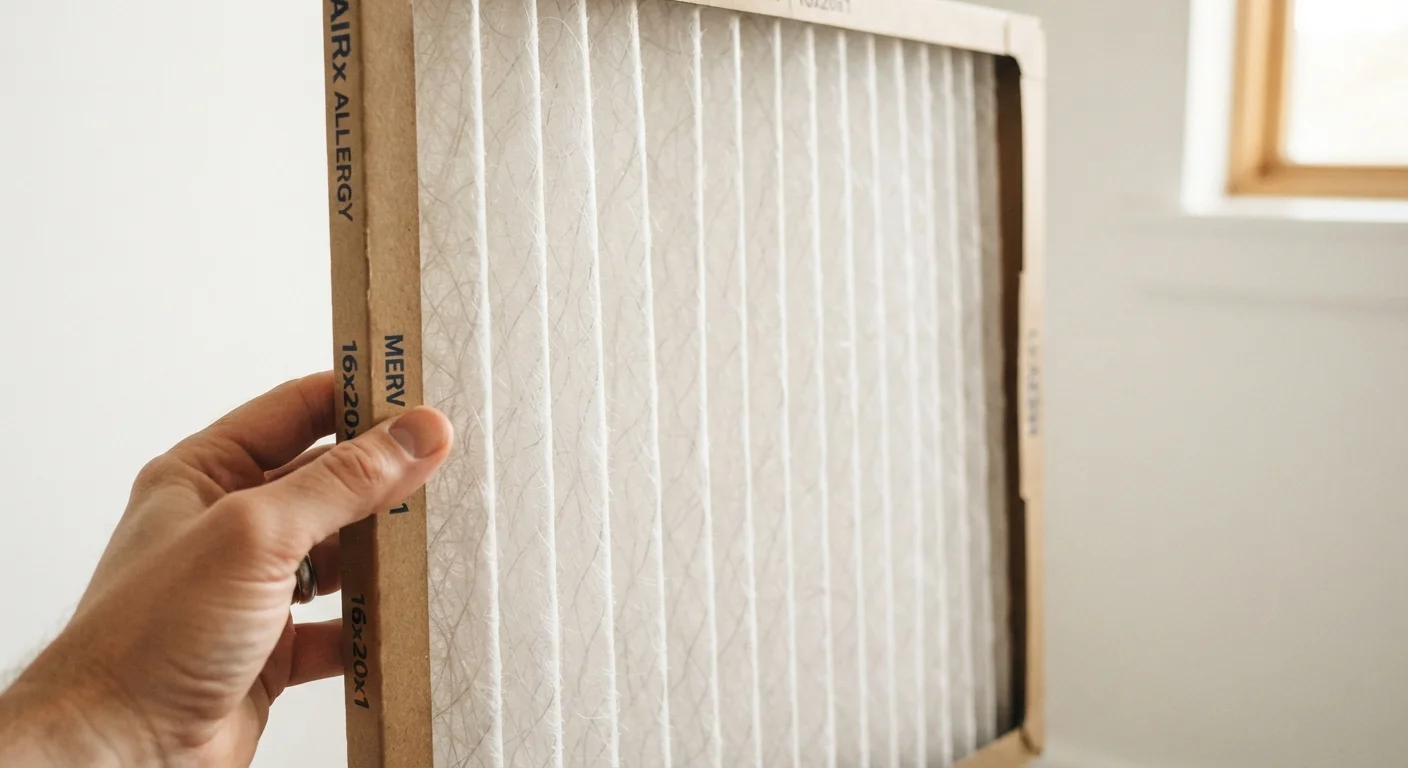
- Replacing HVAC filters (typically every 1–3 months depending on your system)
- Caulking around tubs, sinks, and windows — see our full walkthrough on sealing your home against energy loss
- Patching small drywall holes and touching up interior paint
- Cleaning gutters and downspouts — and knowing the early signs of gutter failure
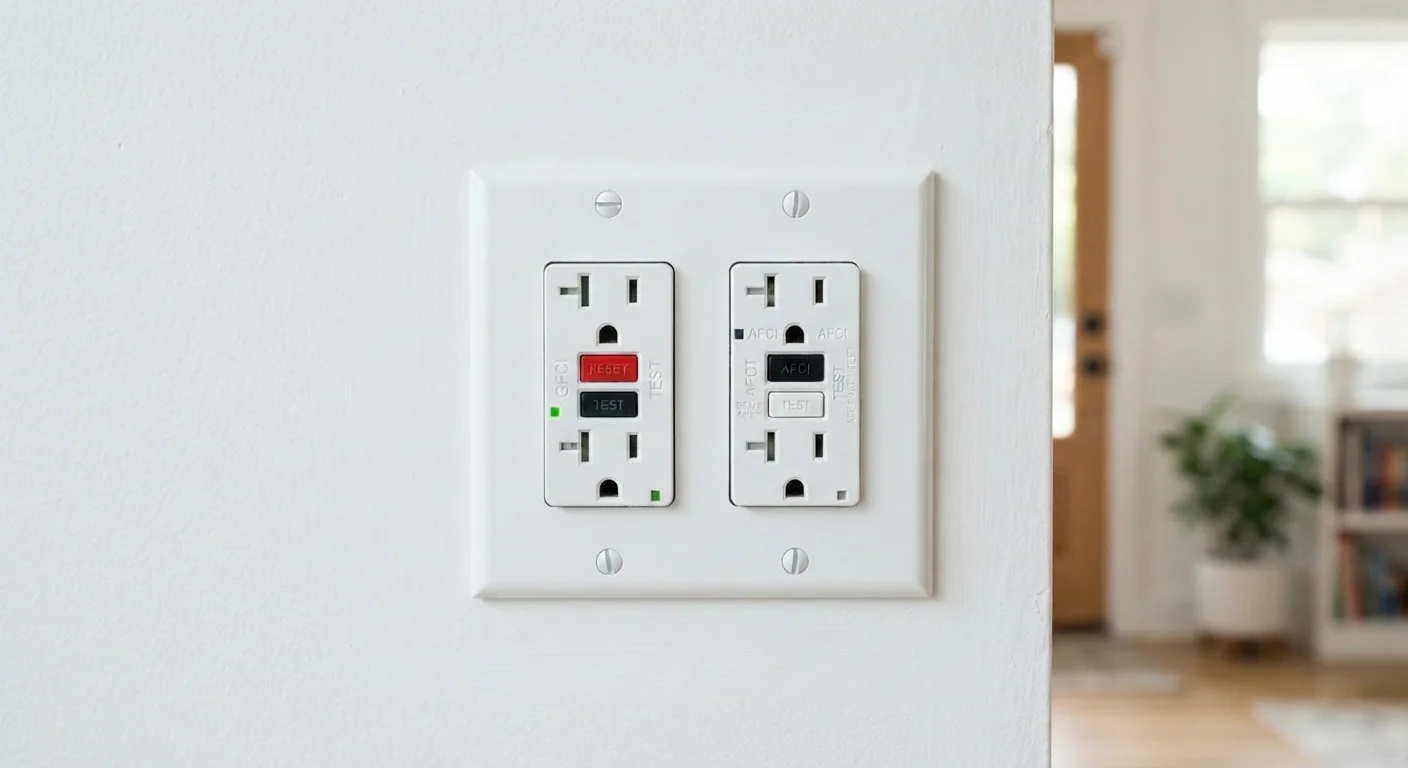
- Resetting a tripped GFCI outlet or replacing a standard light switch (with power off and confirmed off with a non-contact tester)
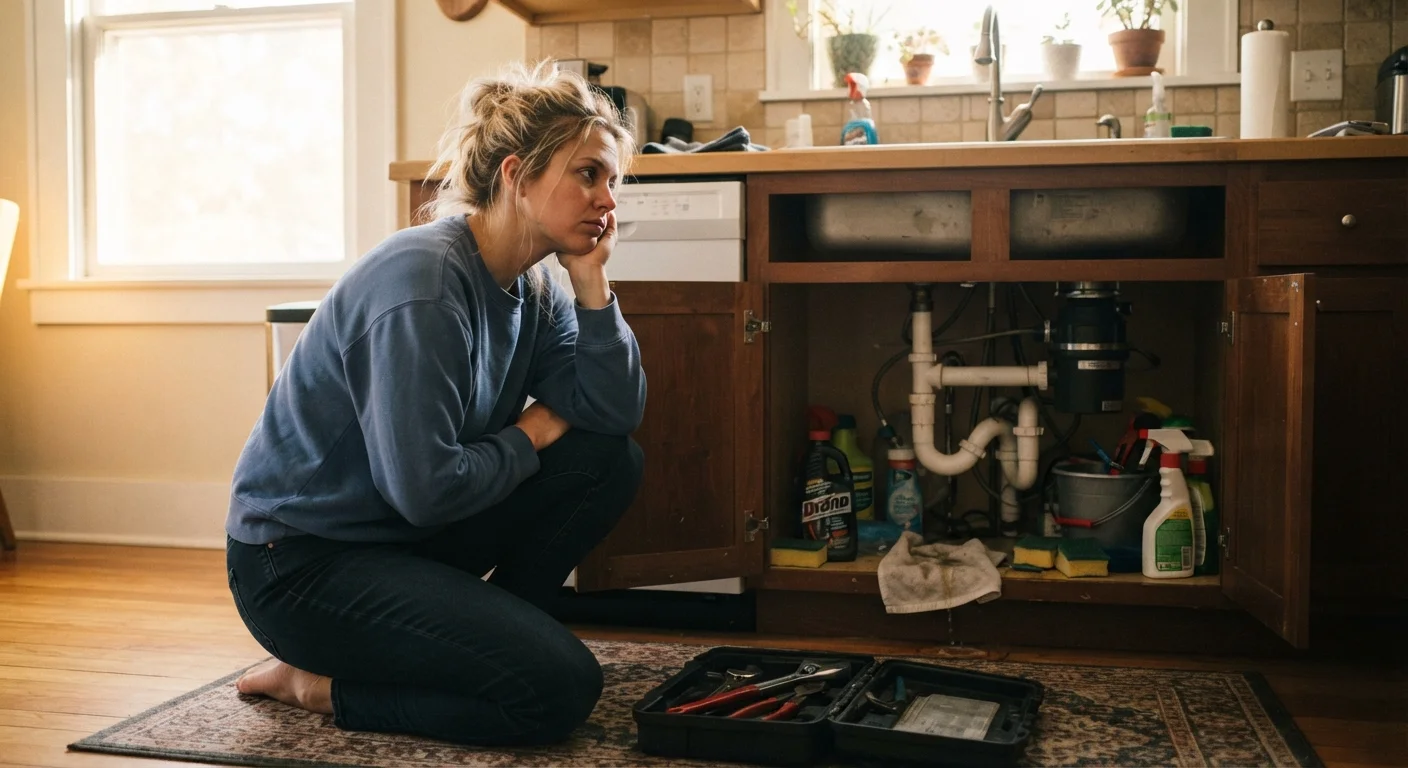
- Unclogging drains with a plunger or drain snake
Understanding your home's water pressure and what it signals is another skill within reach — and can help you catch plumbing issues before they escalate.
~33%
DIY home injuries requiring ER visits
According to the U.S. Consumer Product Safety Commission, roughly one-third of home improvement-related emergency room visits involve power tools, ladders, or working at heights.
1 in 5
Home sales complicated by unpermitted work
Real estate professionals frequently cite unpermitted renovations as a common obstacle during home inspections and title reviews, potentially reducing sale price or delaying closing.
Renters: Your DIY Rights Are Different
If you rent, the stakes around DIY are shaped by your lease as much as by skill level. Most repairs that affect building systems — plumbing, electrical, HVAC — are legally the landlord's responsibility. Attempting them yourself without permission can put your security deposit and tenancy at risk.
That said, renters do have maintenance duties. Our guide on what tenants are actually responsible for breaks down the common obligations and how to document everything properly. Even hanging items on walls has nuances worth knowing — see what renters should know before hanging anything before you reach for a drill.
When in doubt, submit a written maintenance request and keep a copy. It protects you legally and creates a paper trail if the issue worsens.
Making the Call: A Simple Decision Framework
Before starting any repair, work through these questions:
- Does this job require a permit in my city or county? Unpermitted work can complicate home sales and insurance claims. When unsure, call your local building department — it's a free, two-minute check.
- Does it involve electricity, gas, or structural elements? If yes, default to a licensed professional unless you have verified training.
- What's the consequence if I get it wrong? A crooked shelf is cosmetic. A failed water heater connection or a wiring error is a safety and financial disaster.
- Do I have the right tools and safety gear? Improvising with the wrong tools is one of the most common causes of DIY injuries.
If you do hire out, our contractor verification checklist covers what to confirm before anyone starts work. And whatever you tackle yourself or pay for, log it — a home maintenance log protects your investment and simplifies future repairs.