Why Maintenance Myths Are More Costly Than Skipping Tasks Entirely
Misinformation about home maintenance is particularly damaging because it gives homeowners a false sense of security. You think you're doing the right thing — and you might actually be making the problem worse. First-time homeowners and renters are especially vulnerable because no one hands you a verified maintenance manual when you get the keys.
The myths below are among the most widely repeated, and each one has a documented pattern of causing avoidable repairs. For a broader picture of what your first year of upkeep should look like, our article on your first year of homeownership maintenance is a practical starting point.
Myth
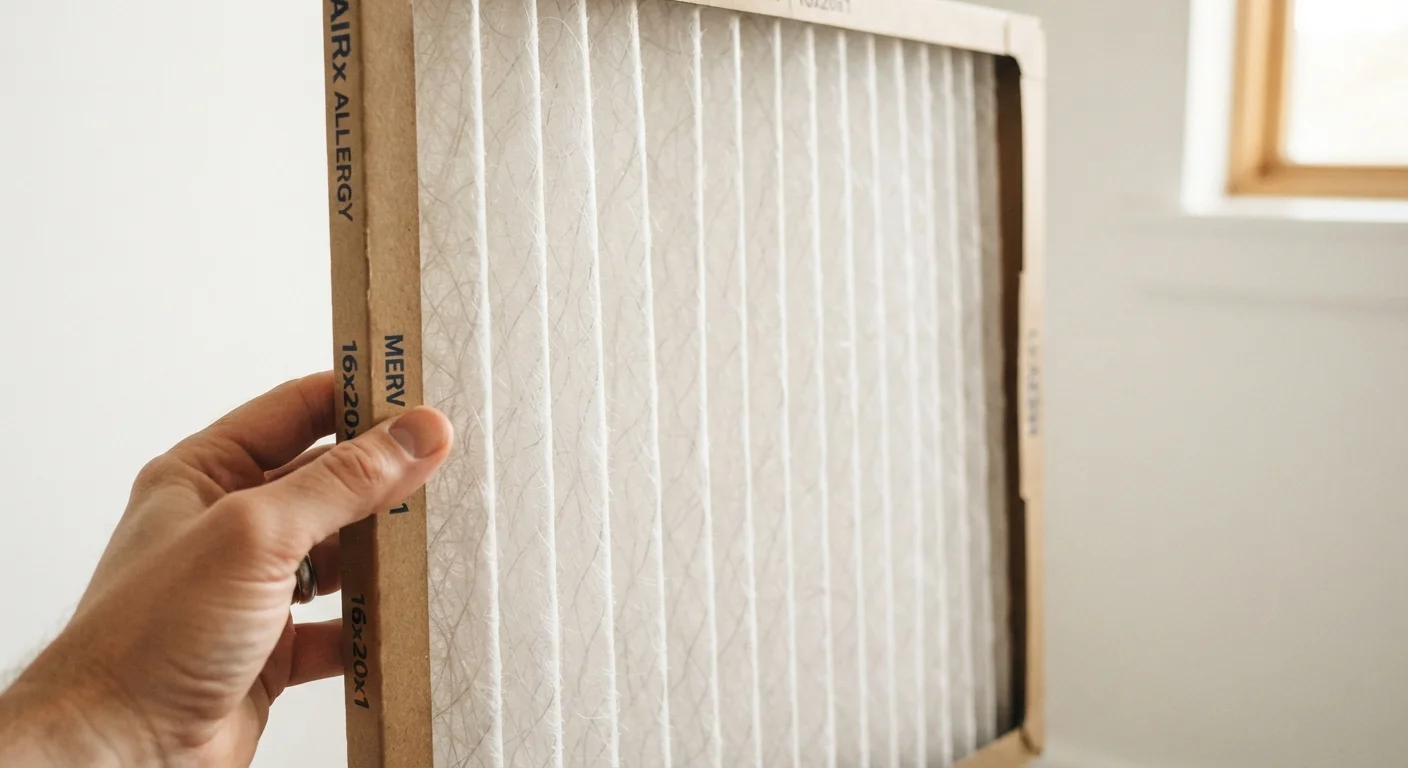
You only need to change your HVAC filter once a year to keep the system running well.
Fact
Most HVAC filters should be replaced every one to three months, depending on filter type, household size, and whether pets are present.
A clogged filter forces your heating and cooling system to work harder, reducing efficiency and putting strain on the blower motor. Standard 1-inch fiberglass filters can clog within 30 days in a busy household. Thicker pleated filters may last two to three months. Checking the filter monthly and replacing it when it looks visibly grey is a reliable rule of thumb. Neglecting this is one of the leading causes of premature HVAC system failure. See our whole-home systems overview for a broader maintenance schedule.
Myth
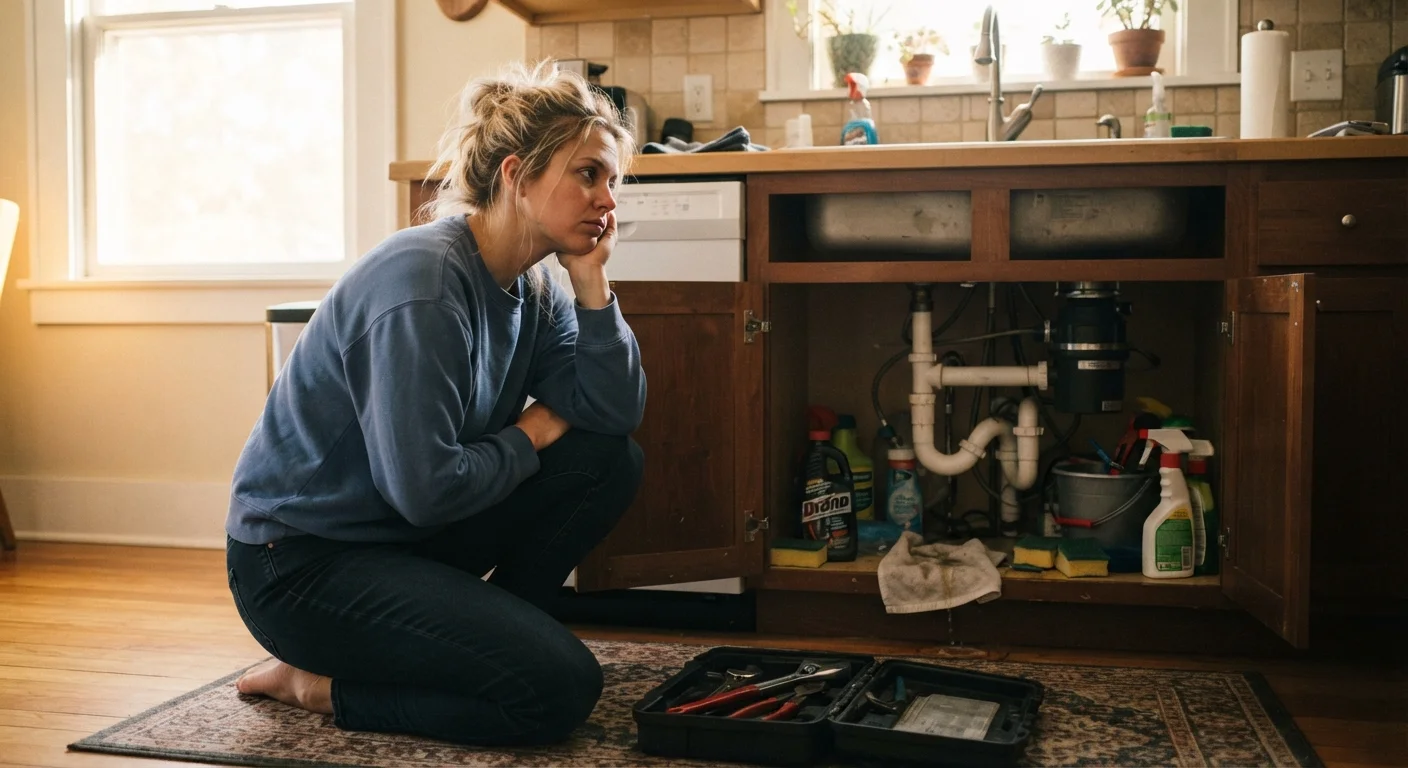
Liquid drain cleaners are a safe, effective solution for clogged drains in any home.
Fact
Chemical drain cleaners can corrode pipes — especially older metal or PVC — and are not appropriate for every clog type or plumbing material.
Most commercial drain cleaners use caustic chemicals (typically sodium hydroxide or sulfuric acid) that dissolve organic matter by generating intense heat. That same heat reaction can soften plastic joints and accelerate corrosion in metal pipes. They are also largely ineffective against mineral buildup or solid obstructions. For most everyday clogs, a cup plunger, a hand-cranked drain snake, or a mixture of baking soda and hot water is a lower-risk starting point. Reserve chemical cleaners for occasional use only, and follow label directions carefully.
Myth
Running water while using the garbage disposal prevents any damage to the unit.
Fact
Water helps move waste through, but it does not protect the disposal from hard or fibrous items that can jam or dull the grinding components.
Garbage disposals are designed for soft food scraps — not bones, fruit pits, fibrous vegetables like celery, or starchy foods like pasta that expand with water. Running water reduces the chance of small particles building up in the drain line, but it cannot compensate for items the unit was never designed to handle. A common result of misuse is a jammed impeller (the spinning plate inside) or a burned-out motor from repeated strain. Keep a list of what your specific unit's manual says to avoid — this varies by model.
Myth
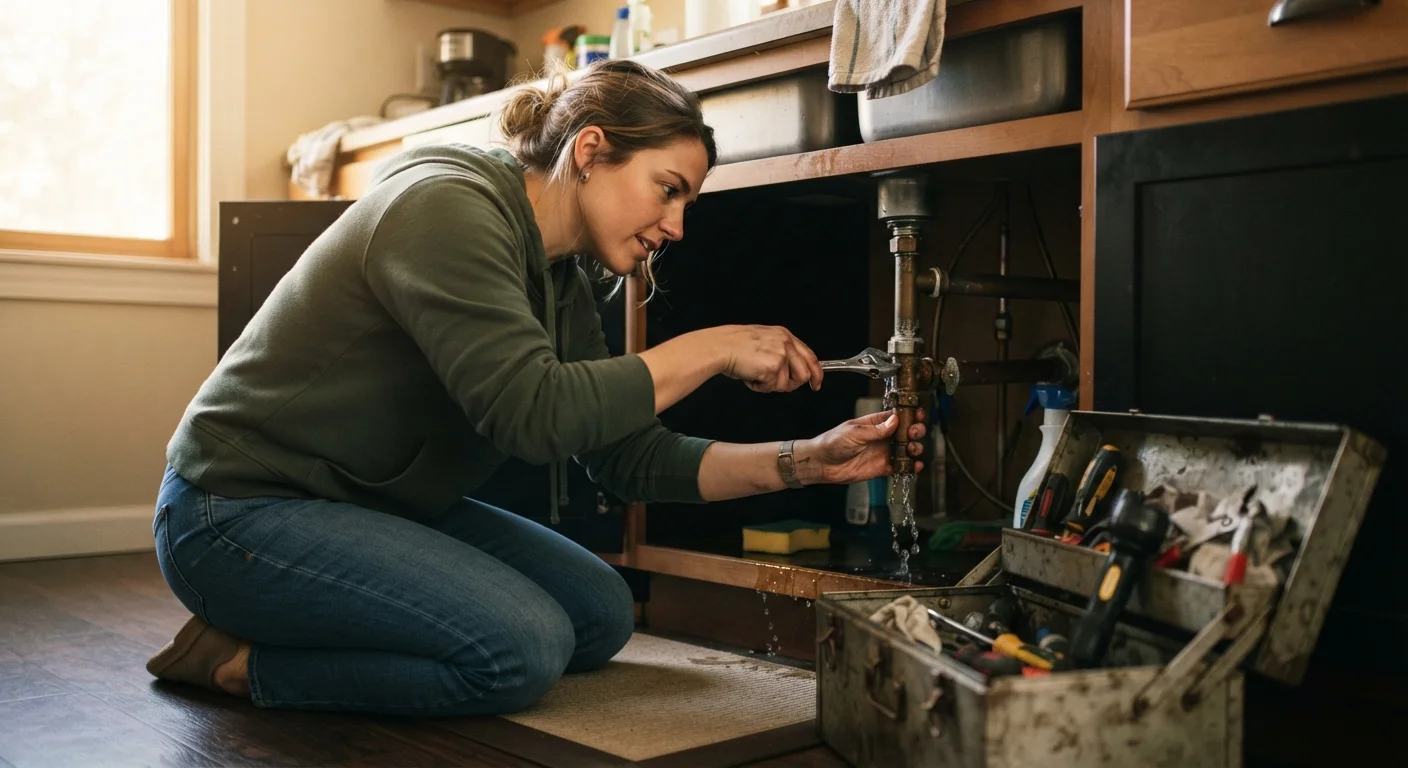
A small roof leak or wall crack is minor and can wait until you have time to deal with it.
Fact
Small leaks and cracks are often symptoms of larger underlying issues and tend to worsen significantly if left unaddressed.
Water follows the path of least resistance — a small roof penetration can allow moisture to travel along rafters and pool in wall cavities far from the original entry point before visible damage appears. Similarly, cracks in exterior masonry or foundation walls can allow water intrusion that leads to mold growth, insulation damage, and structural weakening over time. If you notice a crack widening or a water stain growing, treat it as urgent. For gutter-related water issues, early warning signs of gutter failure are worth reviewing.
Myth
Painting over mold kills it and solves the problem permanently.
Fact
Paint — even mold-resistant paint — does not kill mold. It can temporarily hide the growth, but the mold will continue to spread beneath the surface.
Mold requires moisture to grow, and painting over an active colony does nothing to eliminate that moisture source. The mold will eventually bleed through the new paint layer, sometimes within weeks. Proper remediation involves removing the moisture source, cleaning affected surfaces with appropriate solutions (following EPA guidance for the scale of the problem), allowing the area to dry completely, and then repainting. For larger infestations — generally anything exceeding 10 square feet — the EPA recommends consulting a professional remediation service.
Myth
Your water heater only needs attention when it stops producing hot water.
Fact
Water heaters benefit from annual maintenance — including sediment flushing and anode rod inspection — to extend lifespan and maintain efficiency.
Sediment from minerals in tap water accumulates at the bottom of tank water heaters over time, reducing heating efficiency and accelerating corrosion. Flushing a few gallons from the drain valve annually can slow this buildup. The sacrificial anode rod — a magnesium or aluminum rod that corrodes in place of the tank — typically needs replacement every three to five years. Skipping these steps is one reason water heaters often fail well before their rated lifespan. For more detail, see our guide on tank vs. tankless water heater maintenance.
Knowing When to Stop DIYing and Call a Professional
Several of the myths above have one thing in common: they encourage a hands-off or chemical-first approach that delays qualified assessment. That delay is often where the real cost accumulates.
DIY Fixes Can Void Warranties or Require Permits
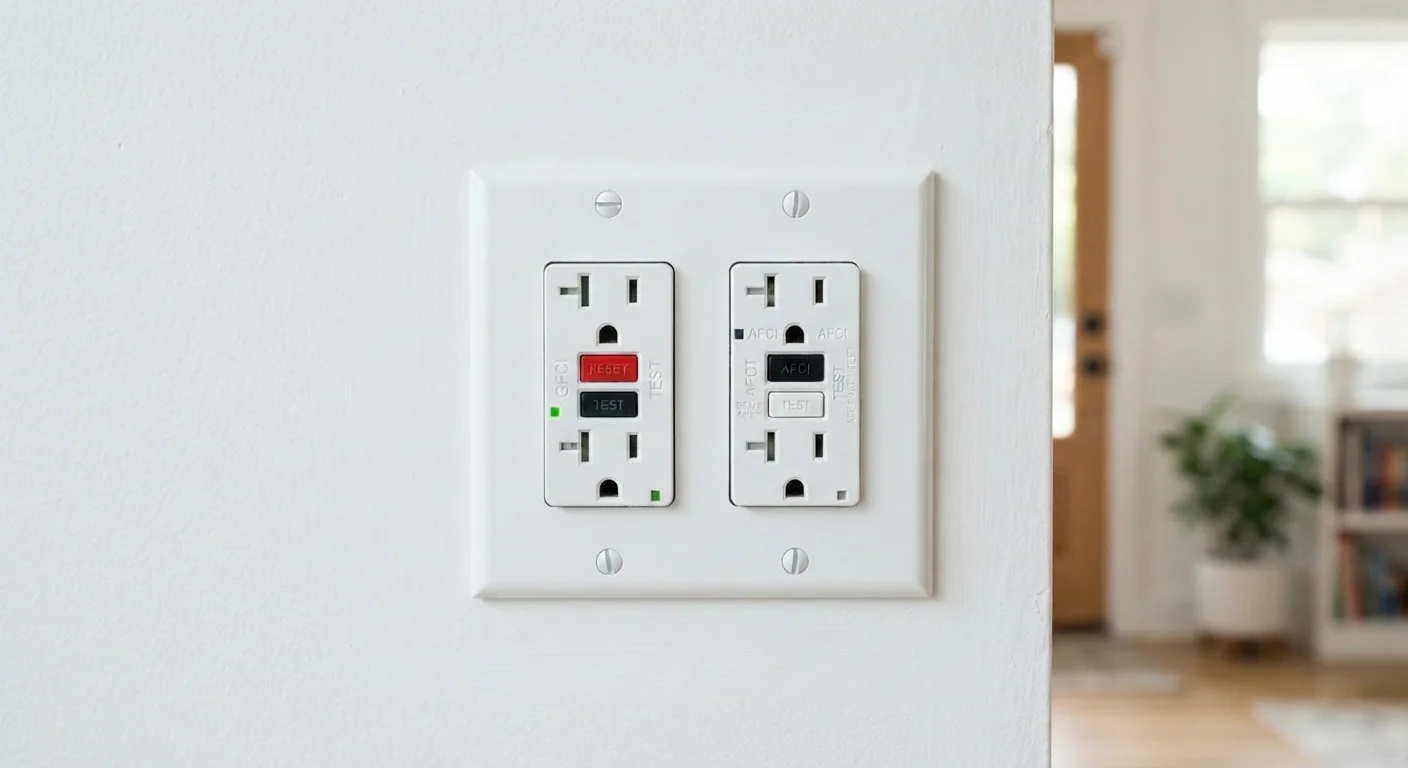
Some repairs — including water heater work, electrical panel modifications, and structural changes — may require a permit from your local building authority. Completing unpermitted work can complicate home sales and in some cases create liability. Before starting any significant repair or modification, check with your local municipality and review any applicable manufacturer warranty terms to understand what voids coverage.
For tasks involving your electrical panel, gas lines, structural elements, or anything that requires a permit in your jurisdiction, DIY is rarely appropriate — regardless of what you read online. Our guide to when DIY is smart versus risky walks through exactly how to evaluate that line. And if you're taking on a project for the first time, the habits covered in tackling a home improvement project you've never done apply directly.
~$21,000
Average cost of water damage repair per incident
According to the Insurance Information Institute, water damage and freezing are among the most frequent and costly homeowner insurance claims in the US.
5–15%
Energy savings from regular HVAC filter changes
The US Department of Energy estimates that replacing a clogged air filter can reduce an HVAC system's energy consumption by roughly 5 to 15 percent.
The bottom line: maintaining your home proactively — and accurately — is almost always less expensive than reacting to damage. Getting the basics right from the start is the most practical thing you can do for your budget and your home's longevity.