
Why Maintenance Matters More Than You Think
Owning a home shifts a fundamental responsibility onto your plate: no landlord is coming to fix it. The good news is that most home maintenance isn't complicated — it's just consistent. The catch is that skipping routine tasks doesn't feel consequential right away. A clogged dryer vent, a slow gutter drain, or a fraying HVAC belt all look minor until they become expensive emergencies.
Research from home inspection and real estate organizations consistently shows that deferred maintenance is one of the leading causes of accelerated home deterioration. Small neglected tasks compound — and that's worth understanding before you let your first year slip by without a system in place. See our home maintenance log guide for a practical way to stay organized from day one.
Start with a walkthrough on move-in day
Before unpacking a single box, do a complete walkthrough of your home's key systems. Locate the main water shut-off valve, the electrical panel, and the HVAC unit. Knowing where these are before an emergency happens can save significant damage and stress.
The Systems You Need to Know
Your home is essentially a collection of interdependent systems. Understanding what each one does — and what happens when it fails — helps you prioritize. Here are the core systems every first-time owner should get familiar with:
HVAC system
Stands for Heating, Ventilation, and Air Conditioning. It's the combined system that heats and cools your home and controls indoor air quality. Filters, ducts, and the outdoor unit all need regular attention.
Sump pump
A pump installed in the lowest part of your home — usually the basement or crawl space — that removes groundwater before it can flood the area. Homes in wet climates often rely on these heavily.
Water heater flush
A maintenance procedure where you drain sediment that naturally accumulates at the bottom of a tank-style water heater. Doing this annually extends the heater's lifespan and maintains efficiency.
Ice dam
A ridge of ice that forms at the edge of a roof and prevents melting snow from draining off. Ice dams can force water under shingles and cause significant interior damage if not addressed.
Caulking
A flexible sealant applied around windows, doors, and other joints to block air and water infiltration. It degrades over time and needs periodic inspection and reapplication.
Carbon monoxide detector
A safety device that detects carbon monoxide gas — an odorless, colorless byproduct of combustion that can be deadly. Every home with fuel-burning appliances or an attached garage should have working detectors.
For a deeper look at how these systems connect and what upkeep each one requires, the whole-home systems overview is a solid next read.
Monthly, Seasonal, and Annual Tasks
Breaking maintenance into a calendar rhythm makes it manageable. Here's a practical framework:
Monthly
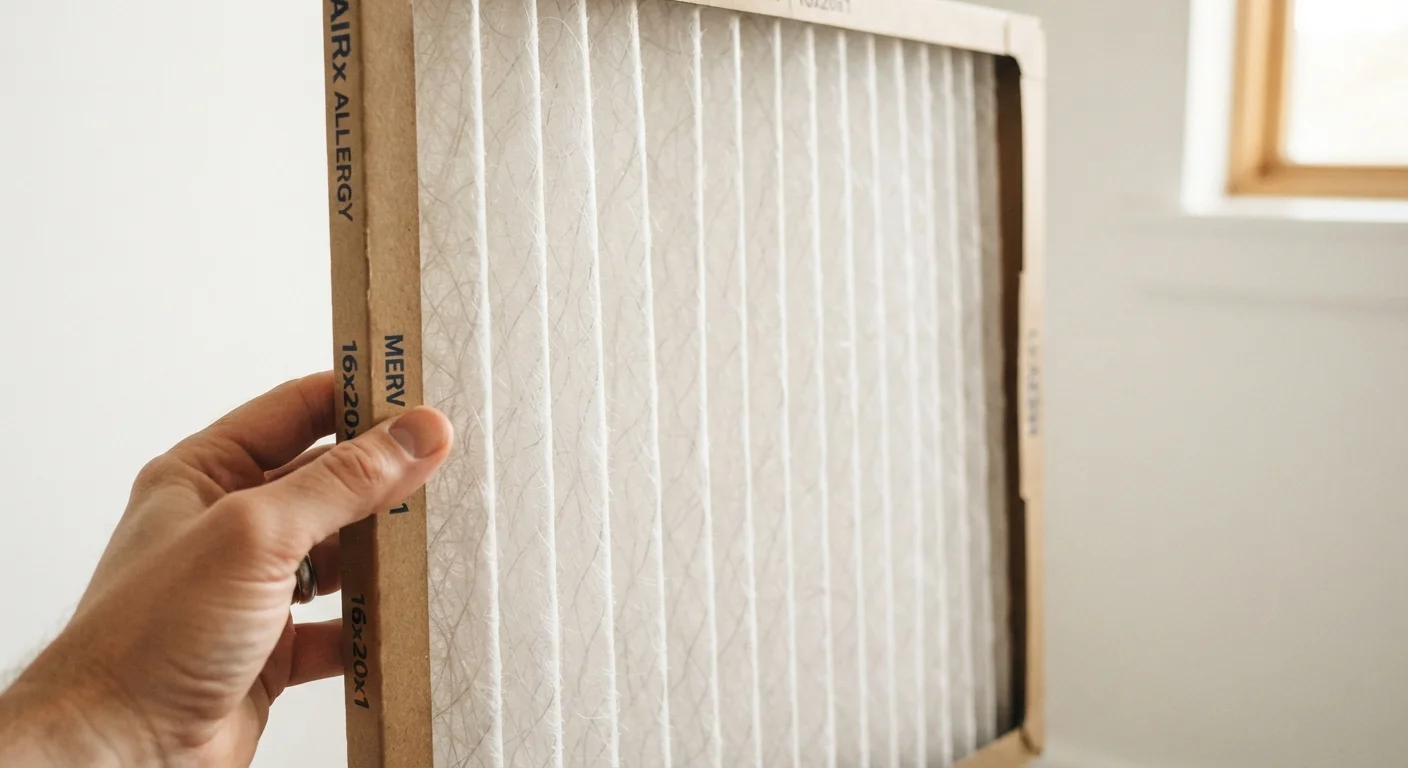
- Check and replace HVAC filters as needed (every 1–3 months depending on filter type and household)
- Test smoke detectors and carbon monoxide alarms
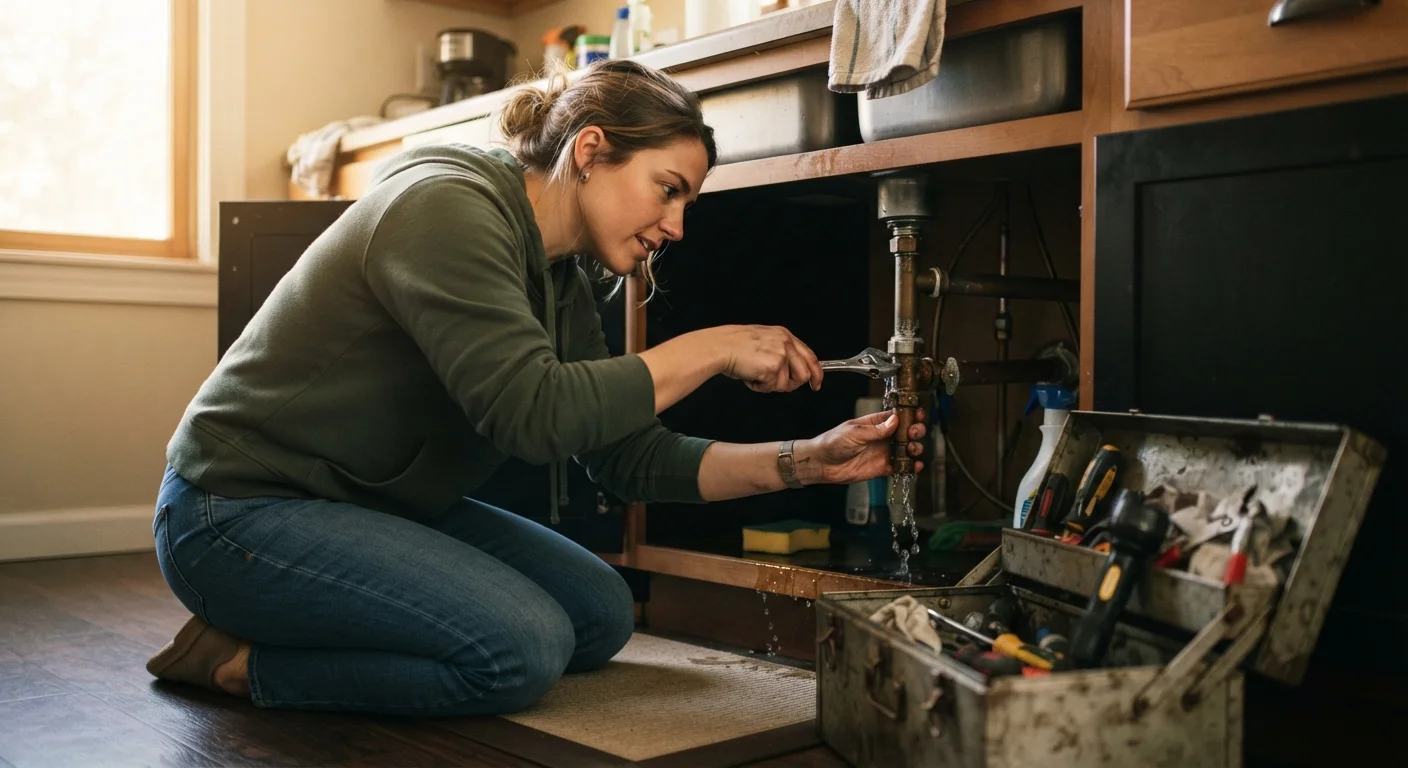
- Inspect under sinks for signs of moisture or slow leaks
- Run water in infrequently used fixtures to prevent drain dryout
Seasonally
- Spring: Clean gutters after winter debris, inspect the roof for damage, check exterior caulking around windows and doors
- Summer: Service your A/C unit, check attic ventilation, inspect deck or patio for rot or loose fasteners
- Fall: Clean gutters again after leaf drop, service the furnace or heat pump, drain outdoor hoses and shut off exterior spigots
- Winter: Check for ice dam formation on the roof, insulate exposed pipes in unheated spaces, test your sump pump if you have one
Annually
- Have your HVAC system professionally serviced
- Flush the water heater tank to reduce sediment buildup — see our comparison of tank vs. tankless water heater upkeep
- Inspect the attic for signs of moisture, pests, or inadequate insulation
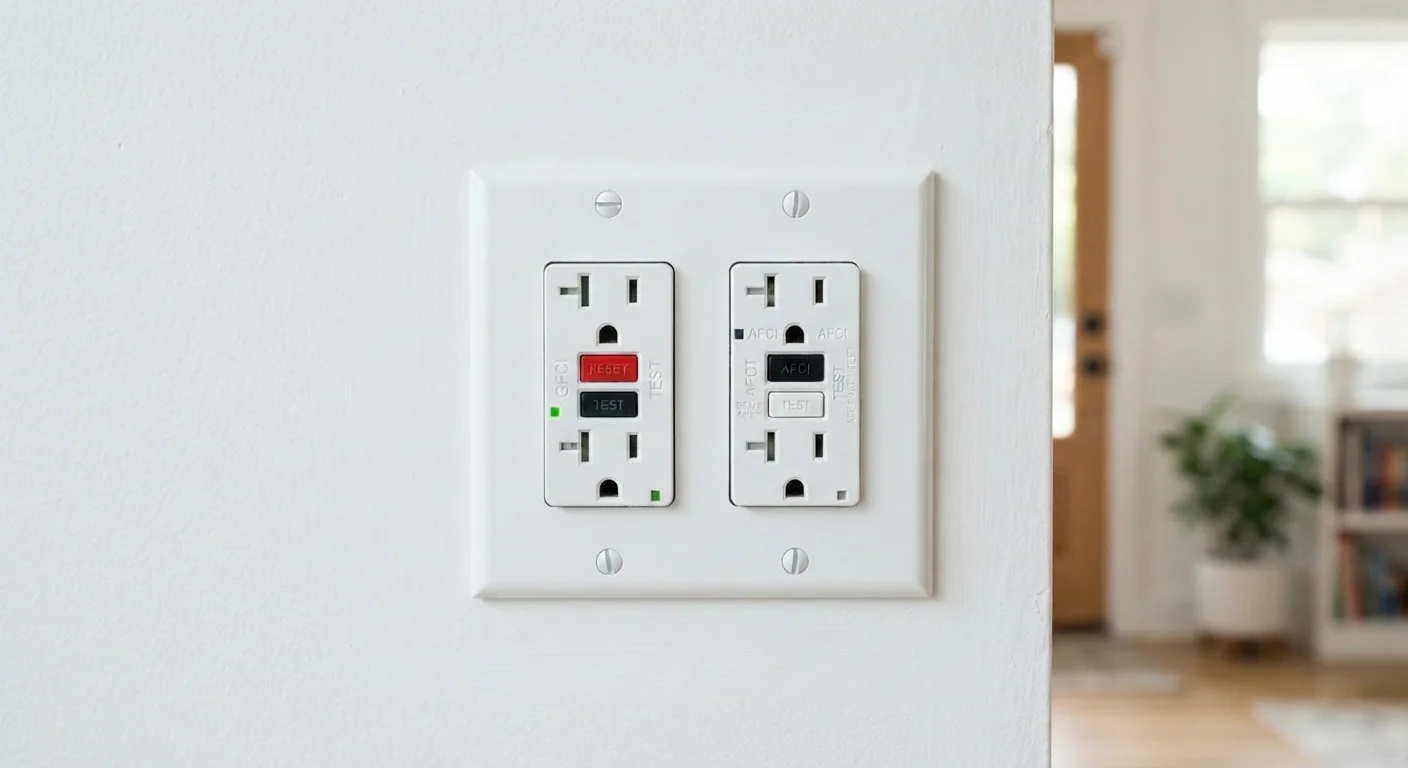
- Check the electrical panel for any signs of corrosion or tripping breakers
For a room-by-room breakdown of seasonal tasks, the seasonal home maintenance walkthrough covers every major area of your home in detail.
What Can Safely Wait
Not everything needs immediate attention, and knowing what can wait is just as important as knowing what can't. Cosmetic issues — peeling interior paint, a squeaky floorboard, a dated light fixture — rarely escalate into structural problems and can be scheduled at your convenience.
Similarly, projects like landscaping upgrades, fence painting, or kitchen cabinet refinishing are improvements, not urgent maintenance. Your first year is better spent building a solid maintenance foundation than diving into aesthetics.
Cosmetic vs. structural: a useful distinction
A cosmetic issue affects how your home looks; a structural or safety issue affects how it holds together or protects you. Cracks in drywall from normal settling are usually cosmetic. A crack in a foundation wall or a consistently tripping circuit breaker are not — those warrant prompt professional evaluation.
If you're unsure whether something is cosmetic or structural, a general home inspector can assess the issue for a modest fee. This is often money well spent in that first uncertain year.
When to Call a Professional
The instinct to handle everything yourself is understandable — but certain tasks carry real risk when done incorrectly. Work involving your electrical panel, natural gas lines, load-bearing walls, or main plumbing connections should always be handled by a licensed professional. Many of these also require permits and inspections under local building codes, and skipping that process can create problems when you eventually sell.
Our guide on DIY home maintenance: knowing when it's smart and when it's risky walks through the line between confident DIY and situations that call for expert help. When in doubt, get at least one professional opinion before proceeding.
Unpermitted work can backfire significantly
Completing regulated work — like electrical rewiring or structural modifications — without the required permits can void your homeowner's insurance coverage for related claims and create legal disclosure obligations when you sell. Always check with your local building department before starting any major project.
Ready to start improving as well as maintaining? The home improvement guide for first-time owners maps out realistic next steps once your maintenance foundation is in place.