Why Your Home's Systems Work Together
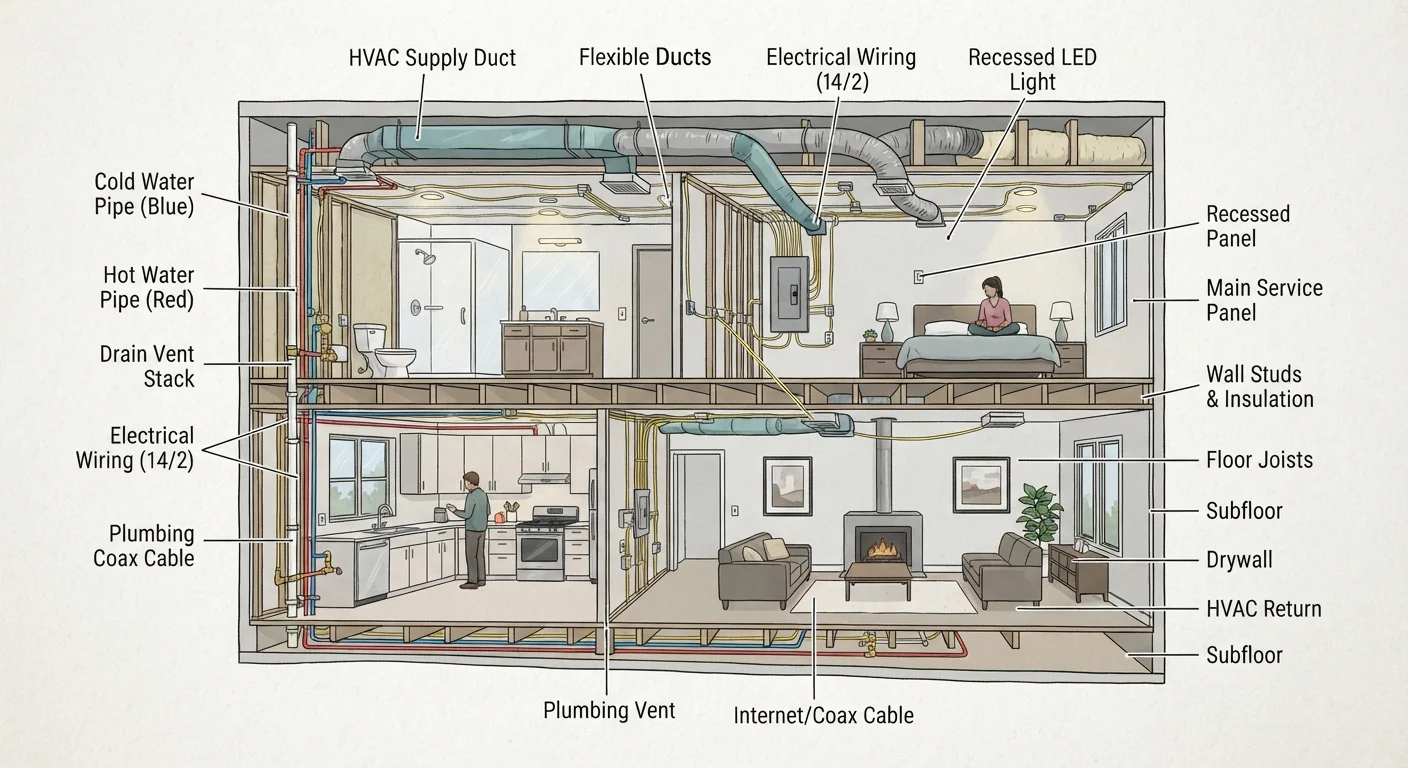
Think of your home as a living organism: plumbing carries water in and waste out, HVAC (heating, ventilation, and air conditioning) regulates temperature and air quality, and the electrical system powers everything else. These three systems are deeply interdependent. A leaking pipe near ductwork can trigger mold growth and degrade air quality. An overloaded circuit can trip a furnace's safety switch. Understanding the basics of each system — and how they relate — is one of the most valuable things a first-time homeowner or renter can do.
For a broader look at what needs attention in your first year, see what actually needs maintaining in year one.
~$1,000
Average cost of a plumbing emergency repair
According to HomeAdvisor's annual True Cost report, burst pipes and water damage are among the costliest unplanned home repairs.
15%
Energy savings from regular HVAC filter changes
The U.S. Department of Energy estimates that replacing a clogged filter can lower a system's energy consumption by 5–15%.
51,000
Home electrical fires per year in the US
The U.S. Fire Administration reports that electrical failures or malfunctions are a leading cause of residential structure fires annually.
Plumbing: What's Behind Your Walls and Under Your Floors
Your home's plumbing divides into two subsystems: supply lines that bring pressurized fresh water in, and drain-waste-vent (DWV) lines that carry used water and sewage out. Supply pipes are typically made of copper, PEX, or galvanized steel in older homes. Drain lines rely on gravity and are usually PVC or ABS plastic.
Key maintenance tasks you can do yourself
- Locate your main shut-off valve now, before an emergency. It's usually near the water meter or where the supply line enters the house.
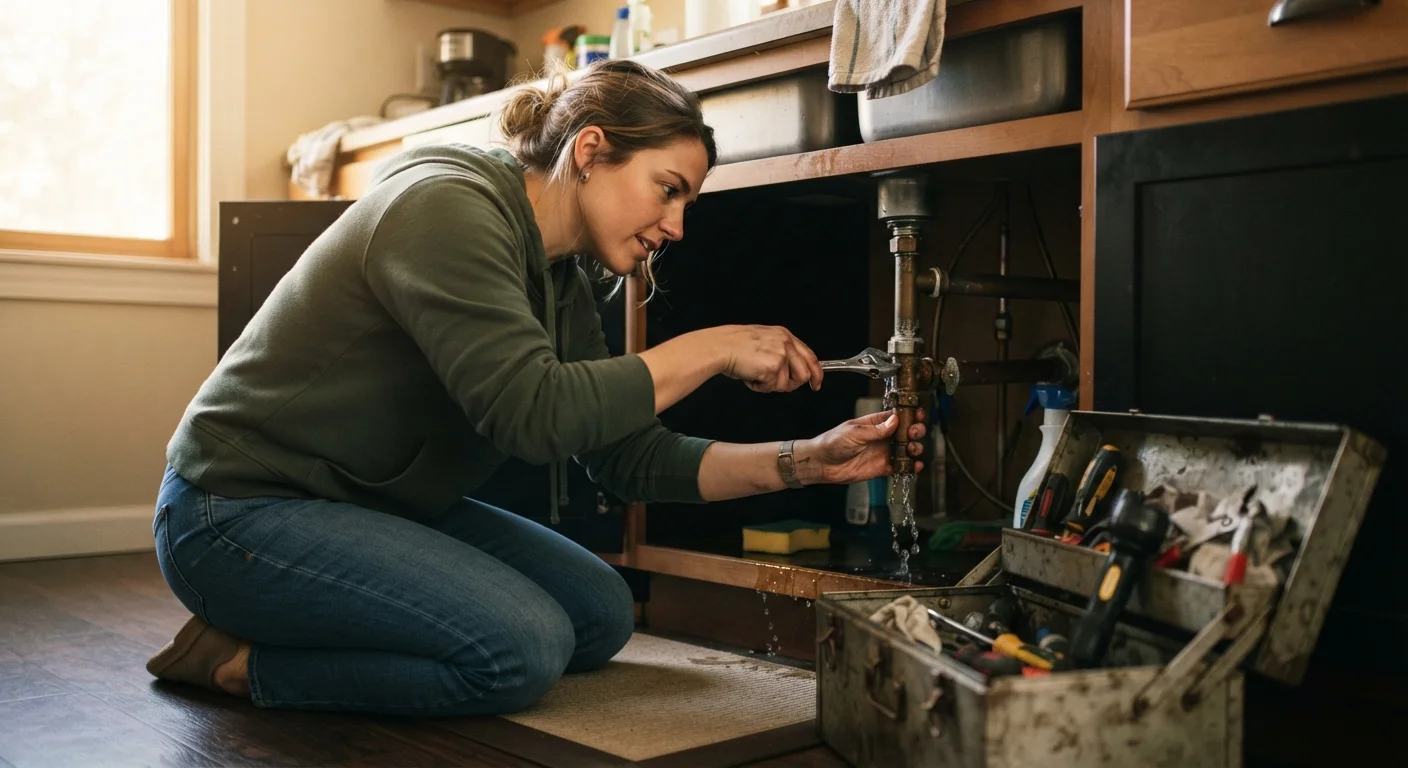
- Check under sinks monthly for slow drips at supply connections or drain slip-joints.
- Clean aerators on faucets every six to twelve months — unscrew the tip, rinse debris, and reinstall.
- Flush your water heater annually to remove sediment that reduces efficiency and shortens tank life.
Never Ignore a Running Toilet
A constantly running toilet can waste 200 gallons of water per day — often undetected because the sound fades into the background. Add a few drops of food coloring to the tank; if color appears in the bowl without flushing, the flapper valve needs replacing. This is an inexpensive, beginner-friendly fix that prevents a surprisingly large water bill.
What to leave to a licensed plumber
Any work that touches the main supply line, involves soldering copper, requires pulling a permit, or addresses sewer line issues falls outside safe DIY territory. Chemical drain cleaners can damage pipes over time — a claim covered in detail in common home maintenance myths.
HVAC: Keeping Air Moving Safely and Efficiently
Your HVAC system includes a furnace or heat pump, an air conditioner or cooling coil, ductwork that distributes conditioned air, and return-air vents that cycle stale air back to be reconditioned. The system also connects to your home's combustion safety (for gas furnaces) and fresh-air ventilation.
DIY-friendly HVAC tasks
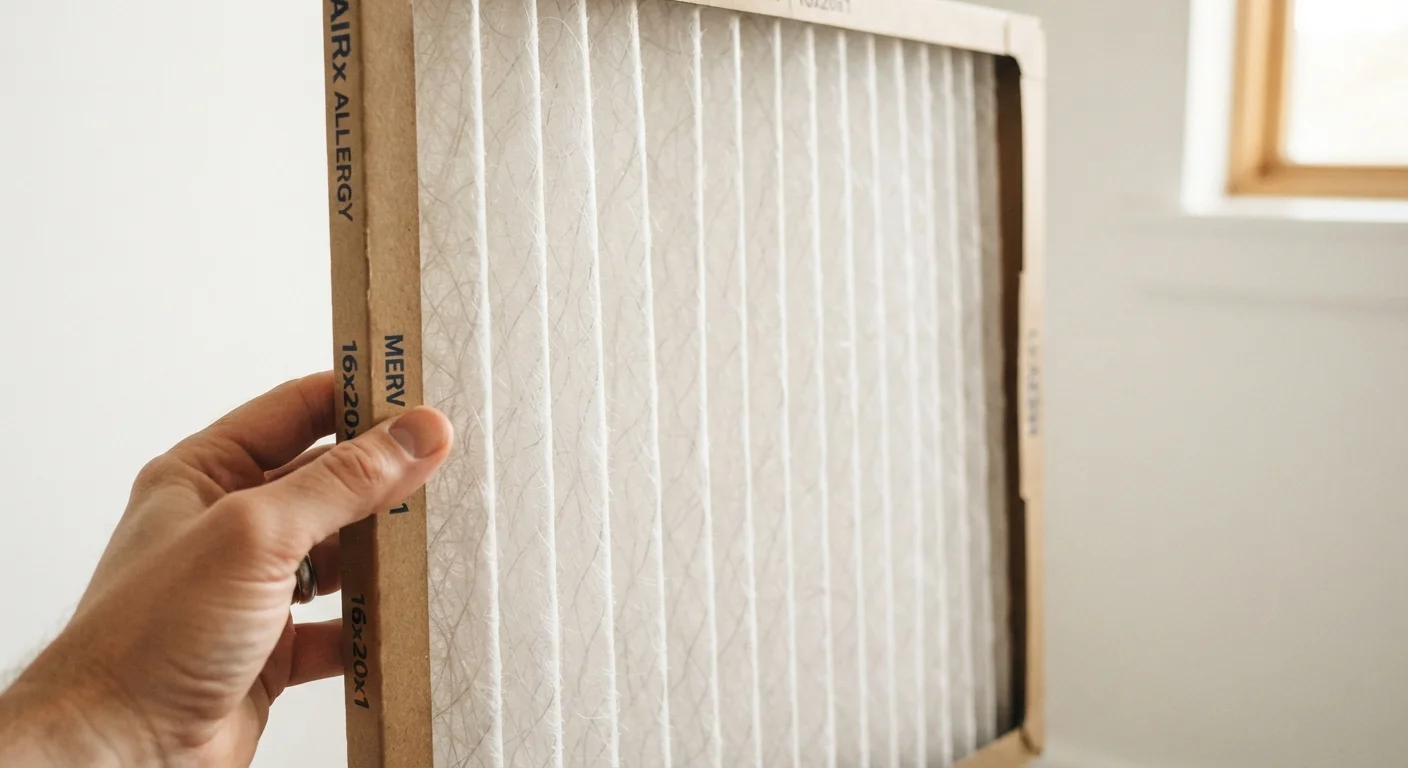
- Replace air filters every one to three months depending on filter type and household factors like pets or allergies. A clogged filter forces the system to work harder and can cause it to overheat and shut down.
- Clear return vents of furniture and rugs — blocked airflow is one of the most common causes of uneven heating and cooling.
- Inspect visible ductwork in basements or attics for disconnected sections or obvious gaps, which waste conditioned air and energy.
- Keep the outdoor condenser unit clear of debris and vegetation — maintain at least two feet of clearance on all sides.
Write the installation date directly on your HVAC filter with a marker when you insert it. You'll never have to guess whether it's been one month or four.
Filter change intervals are easy to lose track of, and a quick visual cue removes the guesswork that leads to months-overdue replacements.
Take a photo of your electrical panel's breaker map and save it to your phone — labels are often missing or wrong in older homes, and knowing which breaker controls which zone saves time and prevents accidental shutdowns.
Misidentified breakers are one of the most common reasons DIY electrical tasks go wrong or take far longer than expected.
When to bring in an HVAC technician
Annual professional tune-ups before heating and cooling seasons catch refrigerant issues, heat-exchanger cracks (a carbon monoxide risk), and electrical faults inside the unit — none of which are visible or safely diagnosed without training. See the seasonal maintenance walkthrough for a full calendar of HVAC checkpoints.
Electrical: Understanding Your Home's Wiring and Panel
Electricity enters your home through the utility's service entrance, passes through a main breaker, and is distributed via individual circuit breakers (or older fuses) to outlets, switches, lights, and appliances. Wiring in homes built before the mid-1970s may be aluminum or knob-and-tube — both of which require professional evaluation before any modification.
Electricity Can Be Lethal — Always Verify Power Is Off
Before touching any wiring, switch off the relevant breaker AND use a non-contact voltage tester to confirm the circuit is dead. A flipped breaker is not a guarantee — mislabeled panels are common. This step is non-negotiable. If you are unsure at any point, stop and call a licensed electrician.
Safe tasks for homeowners
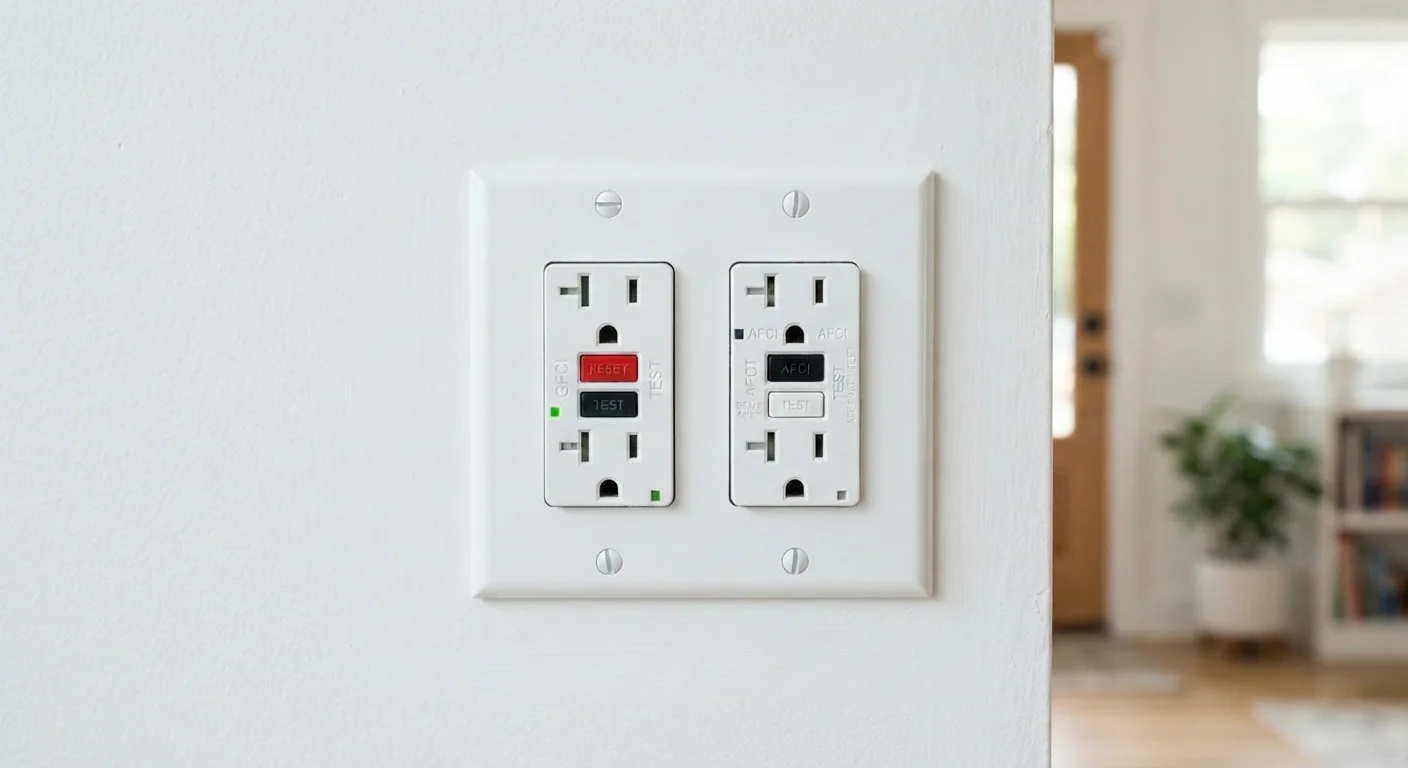
- Test GFCI outlets (Ground Fault Circuit Interrupter) monthly using the built-in test button. These are required near water sources and protect against shock.
- Test smoke and CO detectors monthly and replace batteries annually (or per manufacturer guidance for sealed units).
- Reset tripped breakers — push fully to the OFF position before switching back to ON. A breaker that keeps tripping signals an overloaded circuit or a fault that needs professional attention.
- Swap outlets and switches — replacing a like-for-like outlet is generally manageable with power off at the breaker, but always verify with a non-contact voltage tester before touching wires.
Leave these to a licensed electrician
Panel upgrades, adding new circuits, running new wiring inside walls, and any work that requires an electrical permit must be done by a licensed electrician. Unpermitted electrical work can void homeowner's insurance and create serious fire risks. For a clear breakdown of safe versus risky DIY, see DIY maintenance — when it's smart and when it's risky.
DIY Maintenance vs. When to Call a Professional
A practical rule of thumb: if the task involves gas lines, the main electrical panel, load-bearing structure, or any work that local code requires to be permitted, hire a licensed professional. For everything else, the question is whether you have the right tools, a solid understanding of the steps, and a clear exit plan if something goes wrong.
“The most expensive repair is always the one you didn't see coming. Preventive maintenance is not about being obsessive — it's about building enough familiarity with your home that surprises become rare.”
— This American Life's Home Edition editorial team, General principle shared widely among home inspection professionals
When hiring a contractor, ask for their license number, proof of insurance, and references from comparable jobs. Get at least two written estimates. For bigger projects, this guide for first-time improvement projects walks through how to prioritize and budget realistically.
Building a Simple Whole-Home Maintenance Schedule
A written schedule turns reactive firefighting into proactive care. Here's a framework organized by frequency:
Monthly
- Inspect under sinks for drips
- Test GFCI outlets and smoke/CO detectors
- Check HVAC filter — replace if visibly dirty
Every 3–6 months
- Replace HVAC filter on schedule
- Clean faucet aerators and showerheads
- Clear dryer vent lint from inside and outside termination
Annually
- Flush water heater tank
- Schedule HVAC professional tune-up (before heating season)
- Inspect visible ductwork and attic insulation
- Test all GFCI breakers and arc-fault circuit interrupters (AFCI)
Create a Home Systems Binder
Keep a physical or digital folder with manuals, warranty cards, serial numbers, and service records for your water heater, HVAC unit, and electrical panel. When a technician visits, log the date, what was done, and any parts replaced. This record becomes surprisingly valuable — both for ongoing maintenance and when you eventually sell the home.
Tracking these tasks in a shared note or home-management app keeps everyone in the household aligned and builds the documentation trail that's useful when selling the home. Explore more home improvement guidance to continue building your skills and confidence as a homeowner.