Start With a Home Assessment, Not a Wishlist
The instinct to start painting, updating fixtures, or redesigning a room is completely understandable - but experienced homeowners will tell you: begin with a methodical walk-through, not a mood board. A home assessment helps you understand what you have before deciding what to change.
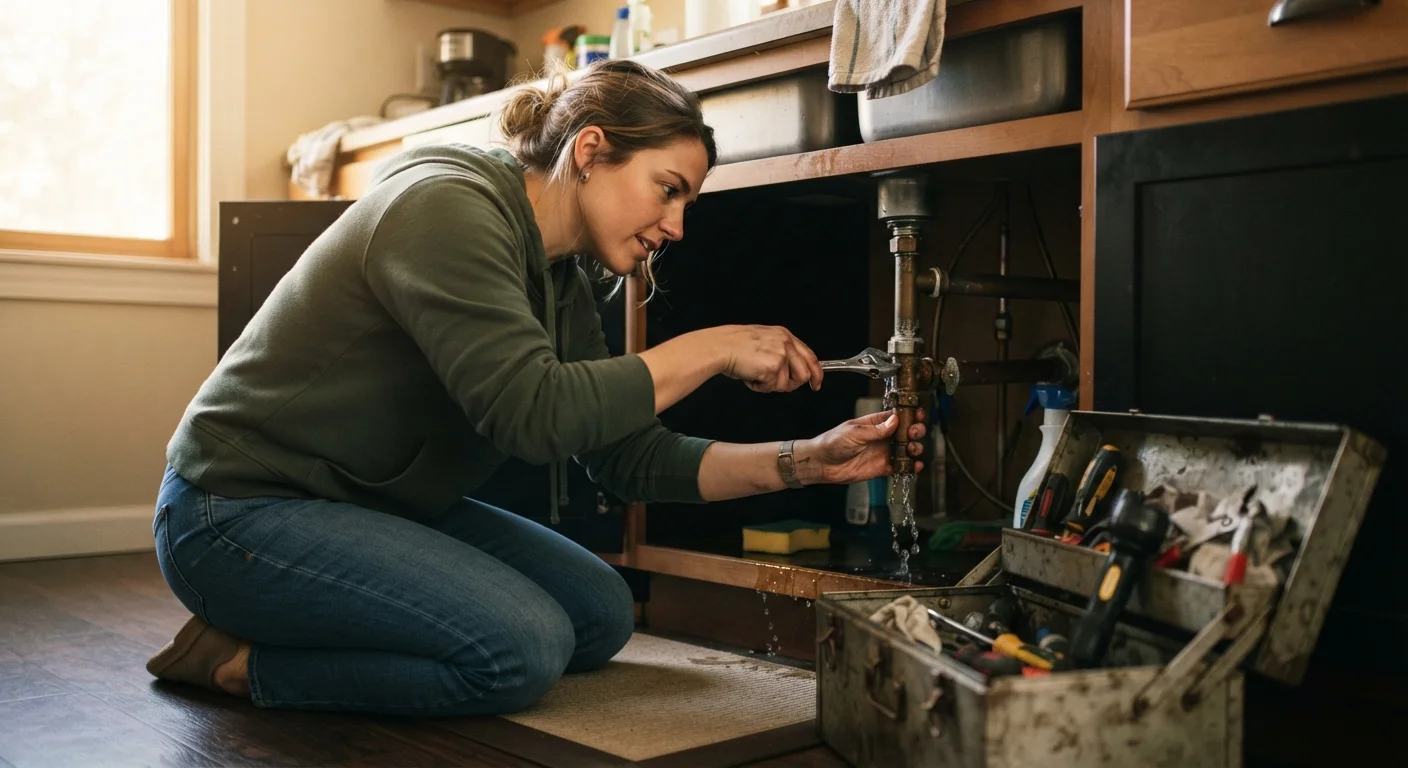
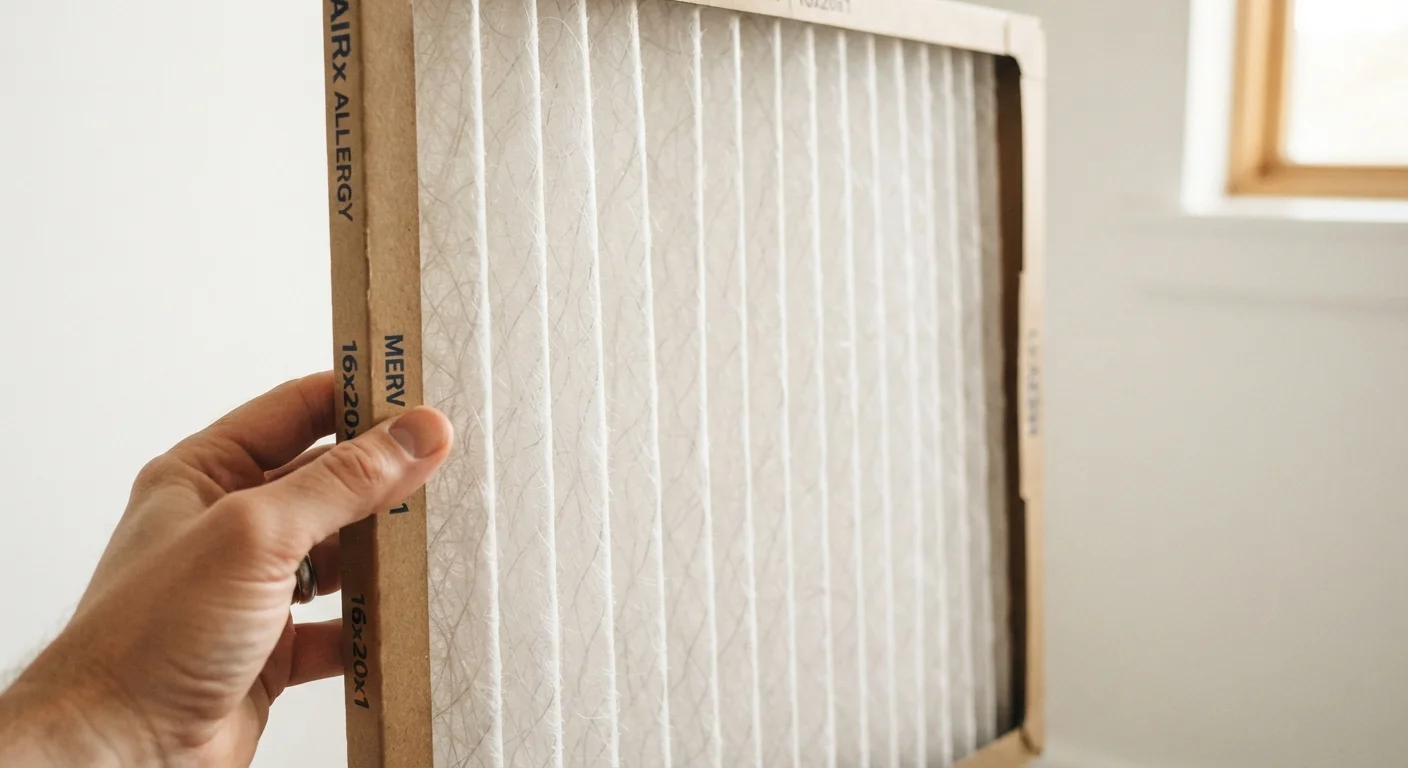
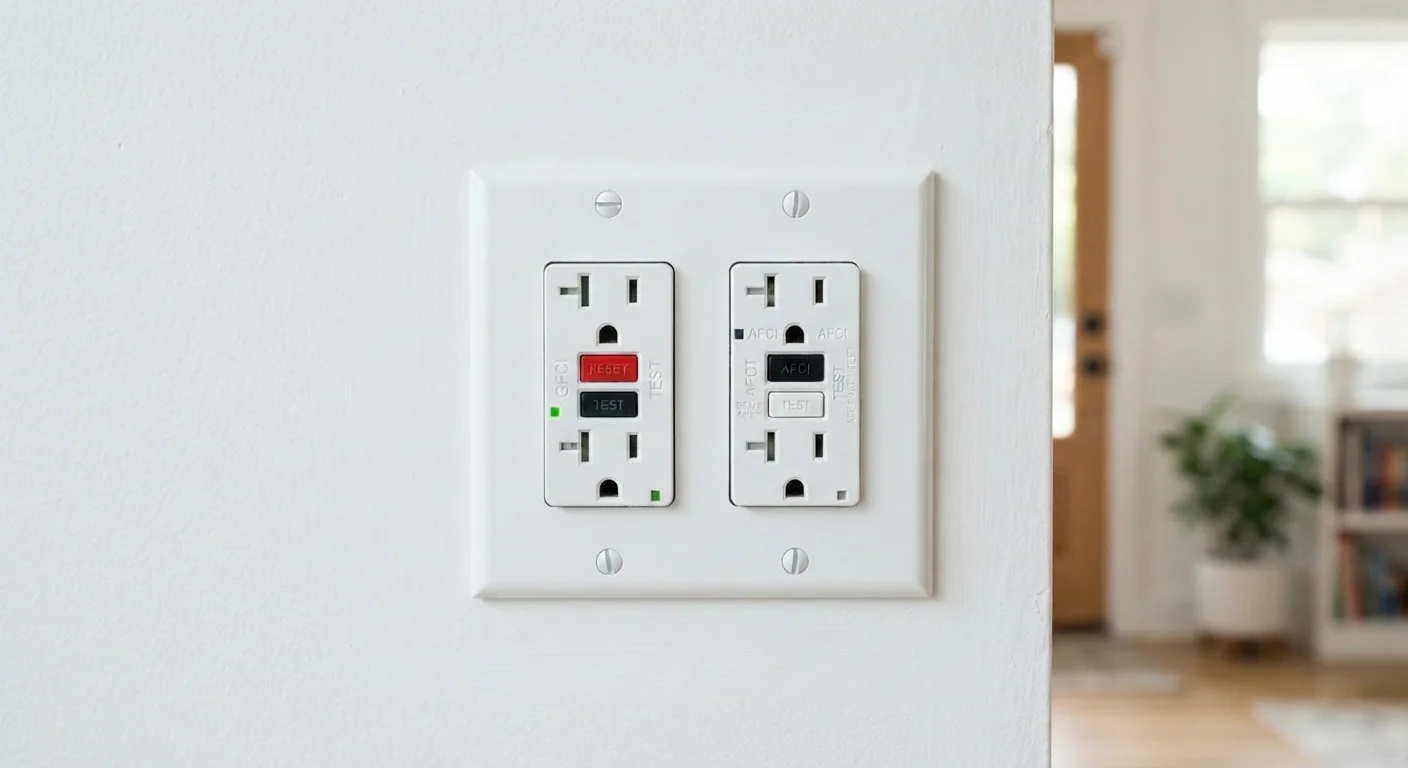
Work through each room and the exterior systematically. Look for water stains on ceilings, soft spots in flooring, cracks around windows, and any signs of moisture intrusion. Test every outlet, check that smoke and carbon monoxide detectors are present and functional, and confirm that the HVAC filters are clean. Document everything with photos and notes.
Home assessment
A systematic walk-through of your home to document its current condition, identify repairs needed, and establish a baseline before making any changes.
Deferred maintenance
Upkeep tasks that have been postponed over time, often resulting in bigger and more expensive problems if left unaddressed after purchase.
Permit
Official approval from your local government required before starting certain home improvement projects, ensuring work meets building codes and safety standards.
Load-bearing wall
A wall that supports the structural weight of the home above it. Removing or modifying one without proper engineering assessment can compromise the building's stability.
Weather stripping
Flexible sealing material applied around doors and windows to prevent drafts, moisture, and energy loss - a common beginner-friendly DIY upgrade.
This baseline inventory becomes your decision-making foundation. Without it, you risk spending money on cosmetic updates while missing a slow leak behind a wall or a failing weather seal that's quietly inflating your utility bills. The Home Maintenance hub is a practical resource for understanding ongoing upkeep tasks beyond this initial assessment.
Setting a Realistic Improvement Budget
One of the biggest sources of stress for first-time owners is underestimating what home improvement actually costs. A widely referenced guideline - though not a hard rule - suggests budgeting roughly 1-3% of your home's value annually for maintenance and improvements. On a $300,000 home, that's $3,000-$9,000 per year. Older homes or properties with deferred maintenance may realistically require more.
Separate your budget into three buckets: urgent repairs (anything affecting safety or structure), functional upgrades (improving efficiency or comfort), and cosmetic improvements (aesthetic changes). Fund them in that order.
Keep a Running Home Improvement Log
Use a simple notebook or app to track every project, repair, and contractor you use - including dates, costs, and what was done. This record is invaluable when selling, filing an insurance claim, or diagnosing a repeat problem years later.
Building a dedicated home improvement fund as part of your monthly budget prevents the financial shock of unexpected repairs. If you're new to structured budgeting, the plain-English budgeting guide can help you set up a system that works alongside your household costs.
Prioritizing Projects: Safety and Function First
Once you have your assessment notes and a rough budget, rank your projects. The framework is simple: safety first, function second, aesthetics third.
- Safety-critical: Faulty wiring, missing handrails, roof damage, mold remediation, non-functioning smoke detectors.
- Functional: Drafty doors and windows, poor insulation, a slow water heater, outdated plumbing fixtures that waste water.
- Cosmetic: Paint colors, light fixtures, cabinet hardware, landscaping upgrades.
Cosmetic projects get the most attention on social media, but they deliver zero protection if your home has a hidden functional problem. Tackling the list in priority order also tends to be more cost-effective - some functional repairs prevent far more expensive damage later.
Don't Skip Permits to Save Time or Money
Unpermitted work can create serious problems when you sell your home, may void your homeowner's insurance for related claims, and in some cases must be torn out and redone at your expense. Always verify local permit requirements before starting a significant project.
For ideas on transforming outdoor spaces once the interior is in order, explore the Garden & Outdoors hub for approachable, beginner-friendly projects.
Building DIY Skills Gradually
DIY home improvement is a skill set, not a personality type - and it develops the same way any skill does: through low-stakes practice and honest self-assessment. Start with forgiving, reversible projects that teach you how your home works without risking real damage.
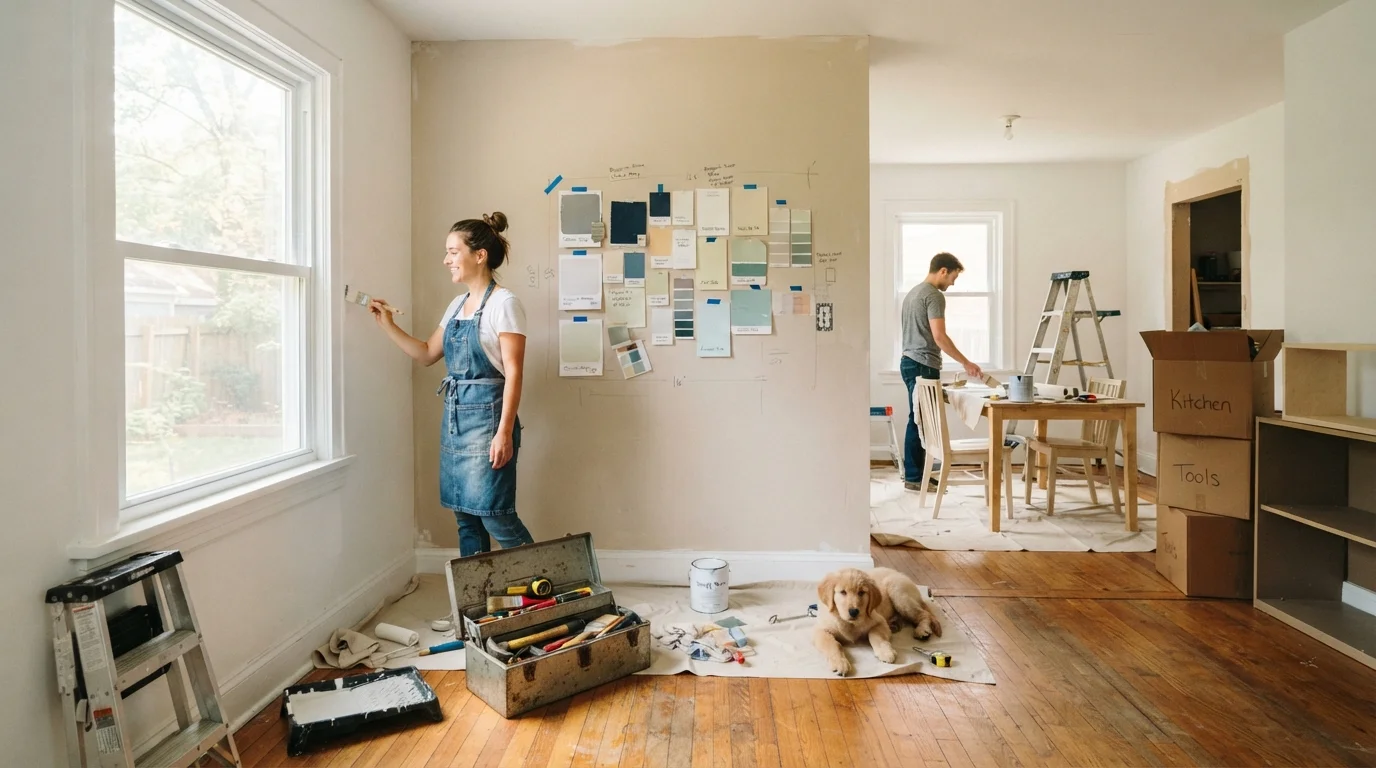
Good starter projects include: painting a single room, replacing door or cabinet hardware, installing weather stripping around doors, patching small drywall holes, and basic outdoor maintenance like cleaning gutters or reseeding bare lawn patches.
Each completed project builds your confidence and helps you recognize where your limits are. The guide to taking on unfamiliar home improvement projects walks through research habits, tool prep, and the critical habit of knowing when to stop - worth reading before you start anything new.
When to Call a Professional
Knowing when not to DIY is just as important as developing hands-on skills. Certain categories of work carry serious safety and legal implications when done incorrectly - and some require licensed professionals by law in most US jurisdictions.
Always hire a licensed professional for:
- Electrical panel work, rewiring, or any work beyond replacing a light switch or outlet (and even those deserve caution)
- Gas line installation, repair, or appliance connections
- Load-bearing structural modifications
- Roof replacements or major repairs
- Plumbing that connects to main water or sewer lines
For a deeper look at where the DIY line realistically sits, the DIY vs. professional home maintenance guide provides practical scenarios and clear guidance. When hiring a contractor, always verify licensing and insurance, gather multiple written quotes, and check your local building department for permit requirements before work begins.
Costs and Timelines Vary Widely
Every home is different, and improvement costs depend heavily on your region, the age of your home, and current material and labor prices. The estimates and guidelines in this article are general starting points, not guarantees. Get itemized quotes from licensed professionals before committing to any significant project.