
Start With Honest Research
The single most common mistake first-time DIYers make is starting too fast. Before ordering materials or renting tools, spend real time understanding the full scope of the project — not just the exciting finished result. Search for written guides, watch multiple video walkthroughs, and read comment sections where people share what actually went wrong.
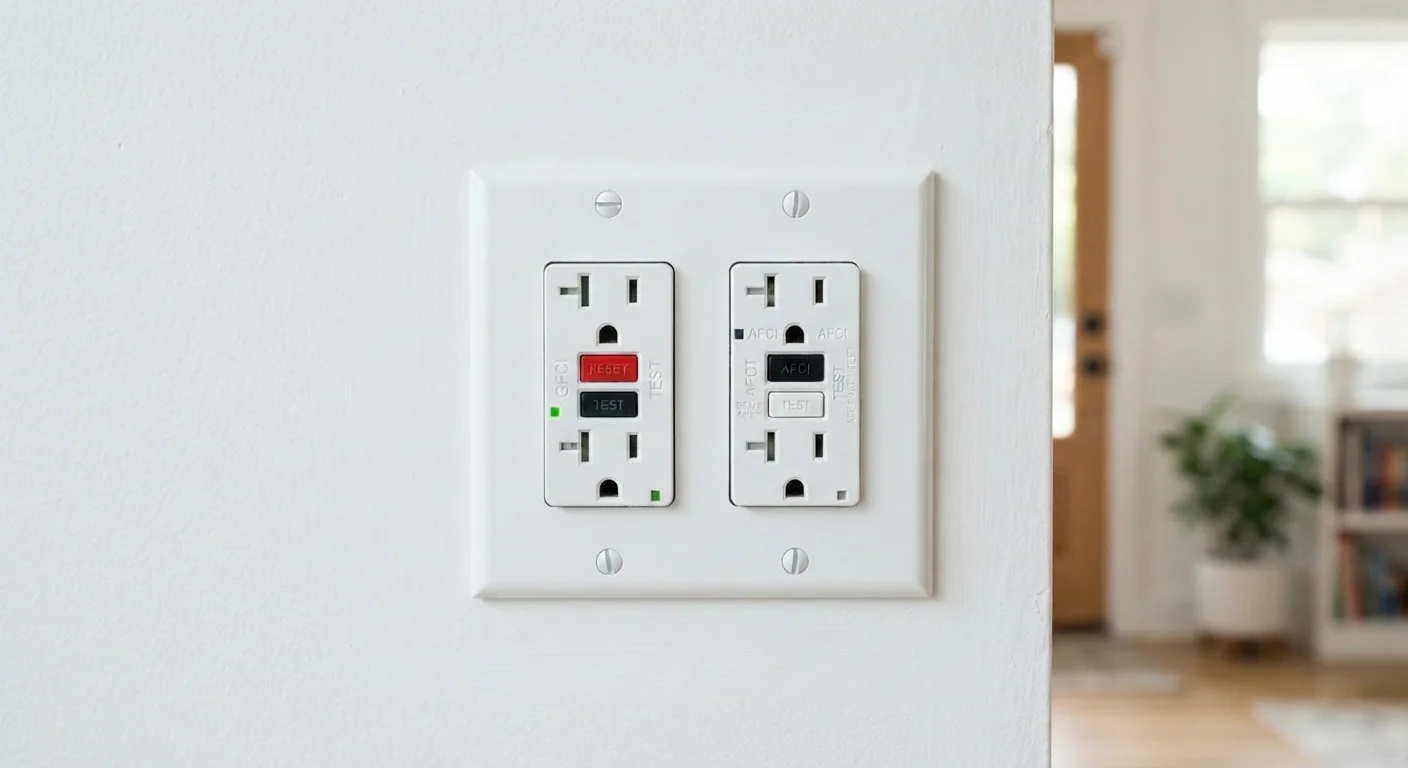
Ask yourself three things: What skills does this genuinely require? What could go wrong at each stage? And — critically — are any steps regulated or permitted in my area? Projects involving electrical wiring, structural changes, gas lines, or load-bearing walls routinely require permits and licensed contractors in most US jurisdictions. Skipping that step can create liability problems, void homeowner's insurance, and create genuine safety hazards. Our guide on why DIY electrical work is riskier than it looks walks through exactly why some jobs are best left to professionals.
Permits Protect You, Not Just the Inspector
Many homeowners view permits as bureaucratic obstacles, but they exist to ensure work meets safety codes that protect occupants. Unpermitted work can complicate home sales, trigger insurance claim denials, and — in serious cases — result in mandatory demolition of completed work. Always check with your local building department before starting any structural, electrical, plumbing, or HVAC project.
Gather Tools and Materials Before You Begin
Starting a project and discovering mid-task that you're missing a critical tool is frustrating and sometimes dangerous. Make a complete materials list from your research, then physically gather everything before day one. Borrow or rent specialty tools rather than buying items you'll use once.
Check material quantities carefully — measure twice, calculate once more. For flooring, tile, or paint projects, factor in a 10% overage for cuts and mistakes. If you're planning a flooring upgrade, our side-by-side flooring comparison can help you choose a material that matches your skill level and space.
Best Practices for Tackling the Work Itself
Even experienced DIYers follow a consistent set of habits that keep projects on track and safe. Adopt these from the start and they'll serve you across every future project.
Always wear appropriate personal protective equipment for the task at hand.
Safety glasses, gloves, and hearing protection prevent injuries that are disproportionately common in DIY settings. Eye injuries from debris and hand injuries from cutting tools are among the most frequently reported home workshop incidents.
Do a dry run before committing to irreversible steps.
Many DIY errors are permanent — a miscut piece of trim, tile laid in the wrong pattern, or paint applied to an unprimed surface. Running through the sequence mentally or physically before the point of no return exposes gaps in your plan.
Work in a clean, organized, and well-lit space.
Clutter causes accidents: tripping over cords, misplacing small hardware, and knocking over paint are all more likely in a disorganized workspace. Good lighting also reduces measurement errors and surface prep mistakes.
Document your process with photos at each major stage.
Photos serve as a reference if you need to backtrack, help you communicate with a professional if something goes wrong, and become a useful record for future maintenance — especially for anything hidden behind walls or under floors.
Set a realistic time budget and build in a contingency buffer.
Most first-time projects take longer than estimated. Running out of daylight or weekend time and leaving a project half-finished can create hazards — an open wall, a disconnected fixture, or a trip hazard on the floor.
If a project grows more complex than expected partway through, pausing is a strength, not a failure. Knowing when to call in help is part of the process — our article on DIY home maintenance: knowing when it's smart and when it's risky provides a clear framework for that decision. And if you do decide to hire out, verify any contractor carefully before work begins.
Build Toward Bigger Projects Over Time
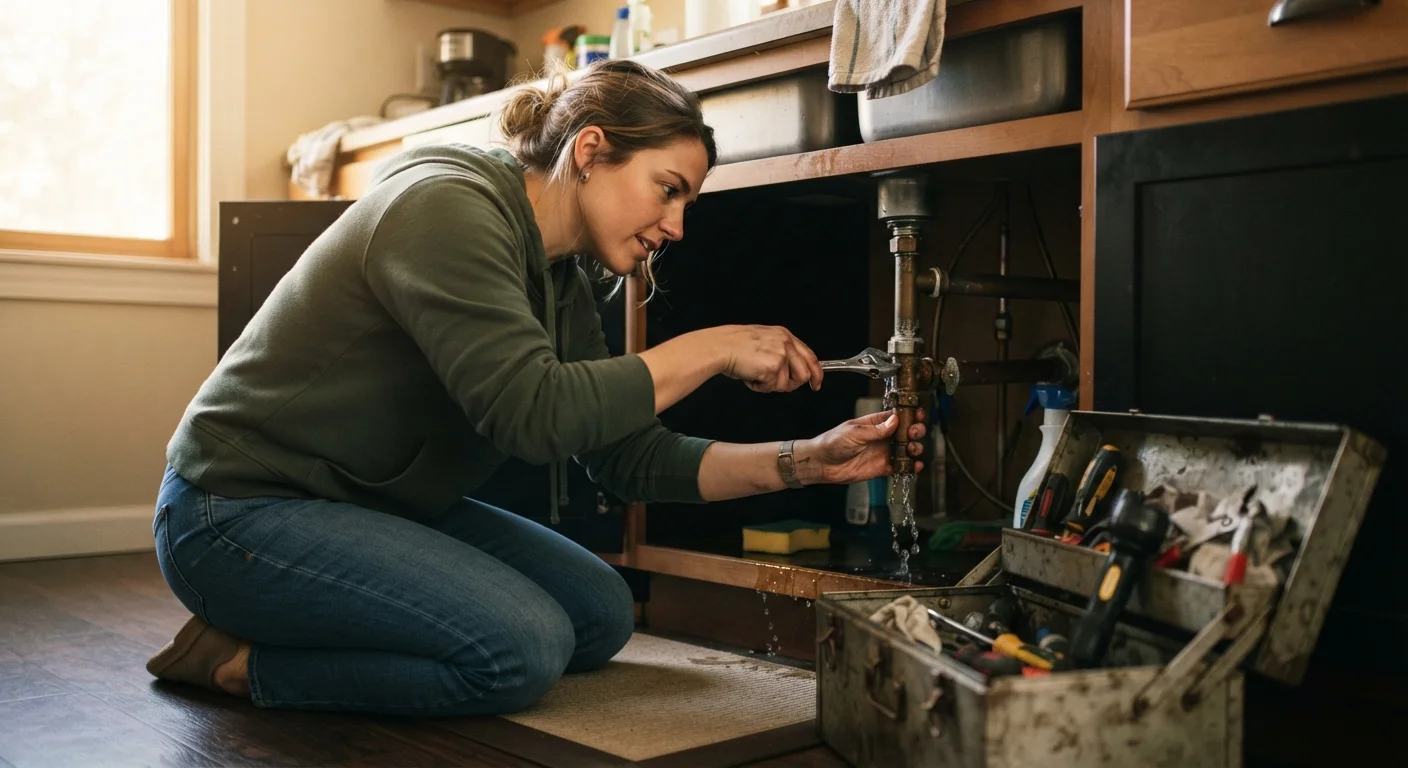
Every completed project — even a small one — builds real, transferable knowledge. Replacing a faucet teaches you how shutoff valves work. Patching drywall introduces you to surface prep and finishing. These skills stack. First-time owners especially benefit from a gradual approach; our guide home improvement for first-time owners maps out how to prioritize and sequence projects so you're always working within your current ability level.
~35%
DIY projects that require a professional fix
Industry surveys from home service platforms consistently find that roughly one in three DIY attempts results in a call to a professional to correct or complete the work.
2x
Time overrun on first-time projects
Home improvement research generally finds that first-time DIYers underestimate project time by a factor of two or more, particularly for tiling, painting, and fixture installation.
Once you're comfortable with indoor projects, the same mindset applies outdoors. The Garden & Outdoors hub covers approachable upgrades for any skill level. And for ongoing upkeep between projects, home maintenance fundamentals will help you stay ahead of problems before they become expensive repairs.
Track What You Learn From Each Project
Keep a simple running note — even a phone memo — recording what worked, what you'd do differently, and any measurements or material quantities worth remembering. Over time this becomes a personalized home manual that speeds up every future project and helps you brief a contractor if you ever do hire one.