The Gap Between Simple-Looking and Actually Safe
A loose outlet. A flickering light. An extra circuit for a home office. These feel like manageable fixes - the kind of thing a YouTube tutorial and an afternoon could handle. But electrical systems don't forgive mistakes the way a paint job does. Errors often stay hidden inside walls for months or years before causing a fire, a shock, or a failed home inspection.
The core problem is that electricity is invisible until something goes wrong. A reversed hot and neutral wire, an undersized wire gauge for the load it carries, or a loose connection at a junction box may all work fine at first - until they don't. Understanding which DIY tasks are genuinely safe versus which carry serious risk is the most important judgment call a homeowner can make.
Always Verify Power Is Off Before Touching Wiring
Turning off a light switch is not enough - you must switch off the correct breaker and then confirm the circuit is dead using a non-contact voltage tester. These testers are inexpensive and available at any hardware store. Never assume a wire is safe to touch based on the breaker label alone, since panels are sometimes mislabeled.
Why Electrical Mistakes Are So Dangerous
Unlike a leaky faucet or a drafty window, an electrical wiring error can cause harm that's sudden and catastrophic. The two primary dangers are electrical fires and electrocution.
- Electrical fires often start inside walls at connection points - loose wire nuts, overloaded circuits, or conductors touching combustible framing. The fire can smolder for hours before becoming visible.
- Electrocution risk is highest when someone assumes a circuit is de-energized and it isn't. Household current (120V or 240V) can cause cardiac arrest. Simply turning off a switch does not make a circuit safe to work on - only turning off the breaker and verifying with a voltage tester does.
There's also a longer-term hazard: wiring that doesn't meet code creates liability that follows the property. When you sell, inspectors can flag unpermitted work, and buyers' lenders sometimes require it to be remediated before closing. As our guide on the hidden costs of home renovation explains, surprise remediation is one of the most budget-busting discoveries a seller can face.
~51,000
Home electrical fires per year in the US
According to the US Fire Administration, electrical failures or malfunctions are a leading cause of residential fires annually.
~400
Electrocution deaths in the US per year
The Electrical Safety Foundation International (ESFI) estimates roughly 400 electrocution fatalities occur in the US each year, many in residential settings.
$1,300+
Average cost of an electrician service call
Repair costs for electrical damage caused by improper DIY work can far exceed the original cost of hiring a licensed electrician from the start.
Permits, Codes, and What 'Licensed' Actually Means
The National Electrical Code (NEC) sets baseline safety standards, but local jurisdictions adopt and modify it - meaning what's required in one city may differ from the next town over. In most US municipalities, any new wiring, panel upgrades, or circuit additions require a permit and a subsequent inspection by a local authority.
A licensed electrician has demonstrated - through testing, apprenticeship hours, and ongoing education - that they understand the code requirements for your area. They also carry liability insurance, which means if their work causes damage, there's a mechanism for recourse. DIY work provides neither the demonstrated knowledge nor the insurance backstop.
Homeowner Permits: Not Available Everywhere
Some states allow homeowners to pull their own electrical permits for work on their primary residence. Others restrict all electrical work to licensed contractors regardless of who owns the property. Rental units almost universally require licensed work. Even where homeowner permits are available, the work must still pass inspection - meaning it must meet the same code standard a professional would follow.
Before starting any electrical project, contact your local building department. Ask specifically: Is a permit required? Is a licensed electrician required, or can a homeowner do this work with a permit? What inspections are involved? This one conversation can save you from expensive and potentially dangerous surprises. If you do decide to hire help, see our checklist on what to verify before hiring a contractor.
When to Call a Professional - and What to Do Instead
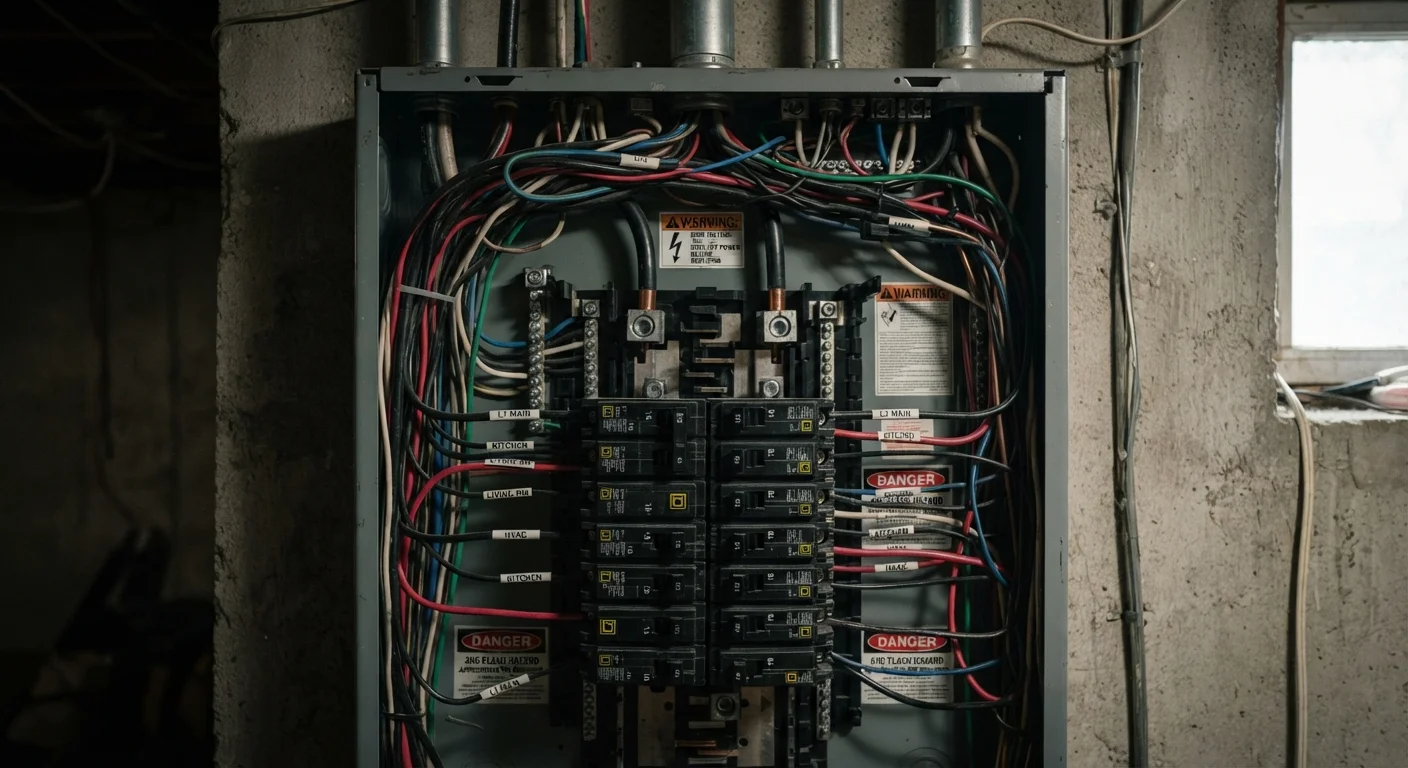
A practical rule: if the task involves the electrical panel, new wiring runs, adding circuits, or anything behind a wall, call a licensed electrician. These are not tasks where a careful beginner can reliably close the gap with research alone. Knowing when to stop and call a pro is itself a key DIY skill.
Where homeowners can reasonably contribute is in preparation and peripheral work: patching drywall after a licensed electrician runs a new circuit, planning the layout of outlets before work begins, or clearly documenting existing issues to help the electrician diagnose the problem faster. Contrast this with automotive maintenance - as explored in our guide to DIY car maintenance tasks you can handle safely - where many routine jobs genuinely are within a careful beginner's reach. Electrical work in the home sits in a different risk category.
If budget is a concern, get multiple quotes, ask the electrician to scope only what's necessary, and prioritize safety-critical repairs over cosmetic upgrades. The cost of a licensed electrician is nearly always less than the cost of repairing damage from a wiring fire - or worse.
This article is for general informational purposes only and does not constitute legal, safety, or professional electrical advice. Always consult your local building department and a licensed electrician for guidance specific to your home and jurisdiction.