
Why a Room-by-Room Approach Works
Seasonal home maintenance can feel overwhelming when you think of your home as one giant system. Breaking it into distinct zones — attic, living areas, kitchen, bathrooms, basement or crawl space, and exterior — gives you a manageable mental map. You complete one area, check it off, and move to the next. Nothing slips through the cracks.
This checklist is designed for two audiences: first-time homeowners learning what their home actually needs, and renters who want to protect their deposit and living conditions. Some items on this list are owner responsibilities; others apply to both groups. When in doubt about who is responsible, check your lease or consult your property manager.
For tasks that venture into electrical, gas, or structural territory, the right call is almost always a licensed professional. See our guide on when DIY is smart and when it's risky before deciding to tackle anything unfamiliar.
Flashlight or headlamp
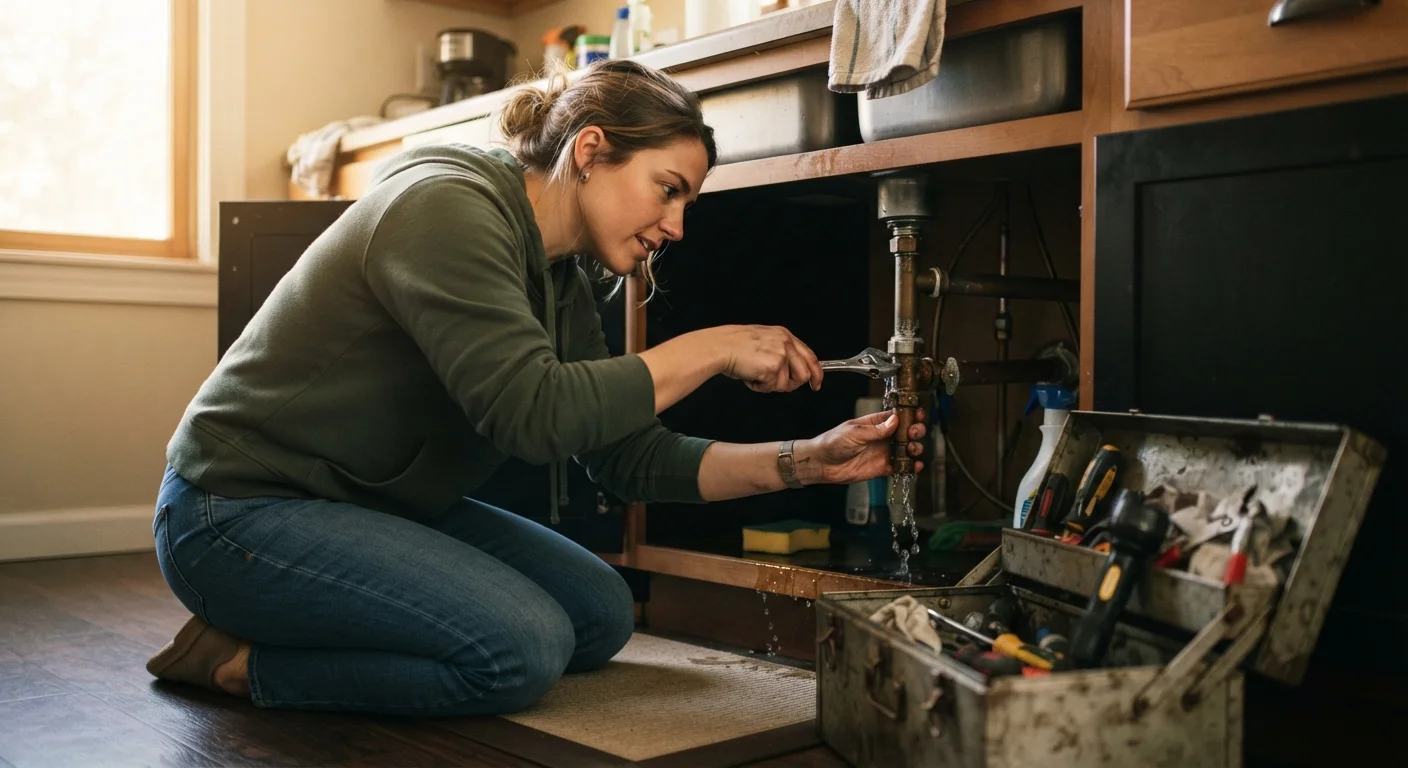
Essential for inspecting dark attic spaces, crawl spaces, and under-sink cabinets safely.
Binoculars
Allows safe visual inspection of the roof and upper exterior from the ground.
Garden hose
Used to flush gutters and downspouts after clearing debris to confirm proper drainage.
Caulk gun and exterior-grade caulk
Needed to reseal gaps around windows, doors, and exterior penetrations.
Screwdriver set
Useful for tightening loose outlet covers, door hardware, and vent grates.
Replacement HVAC filters
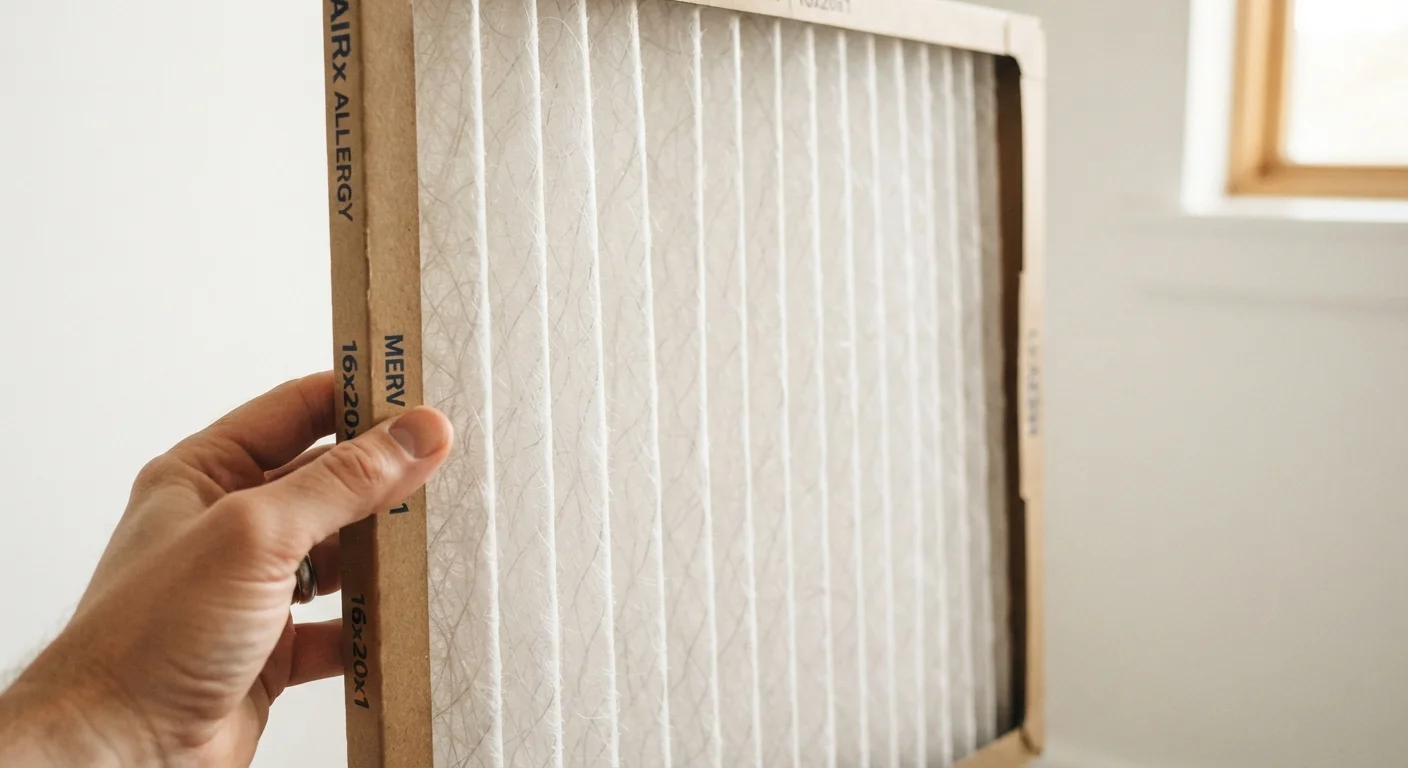
Have the correct filter size on hand so the swap can happen during your walkthrough.
Smoke and CO alarm tester spray
Provides a more reliable functional test of detector sensors than the test button alone.
The Full Seasonal Checklist
Work through these groups in order, or jump to the area of your home that needs the most attention. Each item includes a priority level so you know what's non-negotiable and what can wait for a free afternoon.
Attic & Roof
Exterior & Gutters
HVAC & Ventilation
Kitchen & Bathrooms
Living Areas & Bedrooms
Basement & Crawl Space
Never DIY Electrical Panel or Gas Line Checks
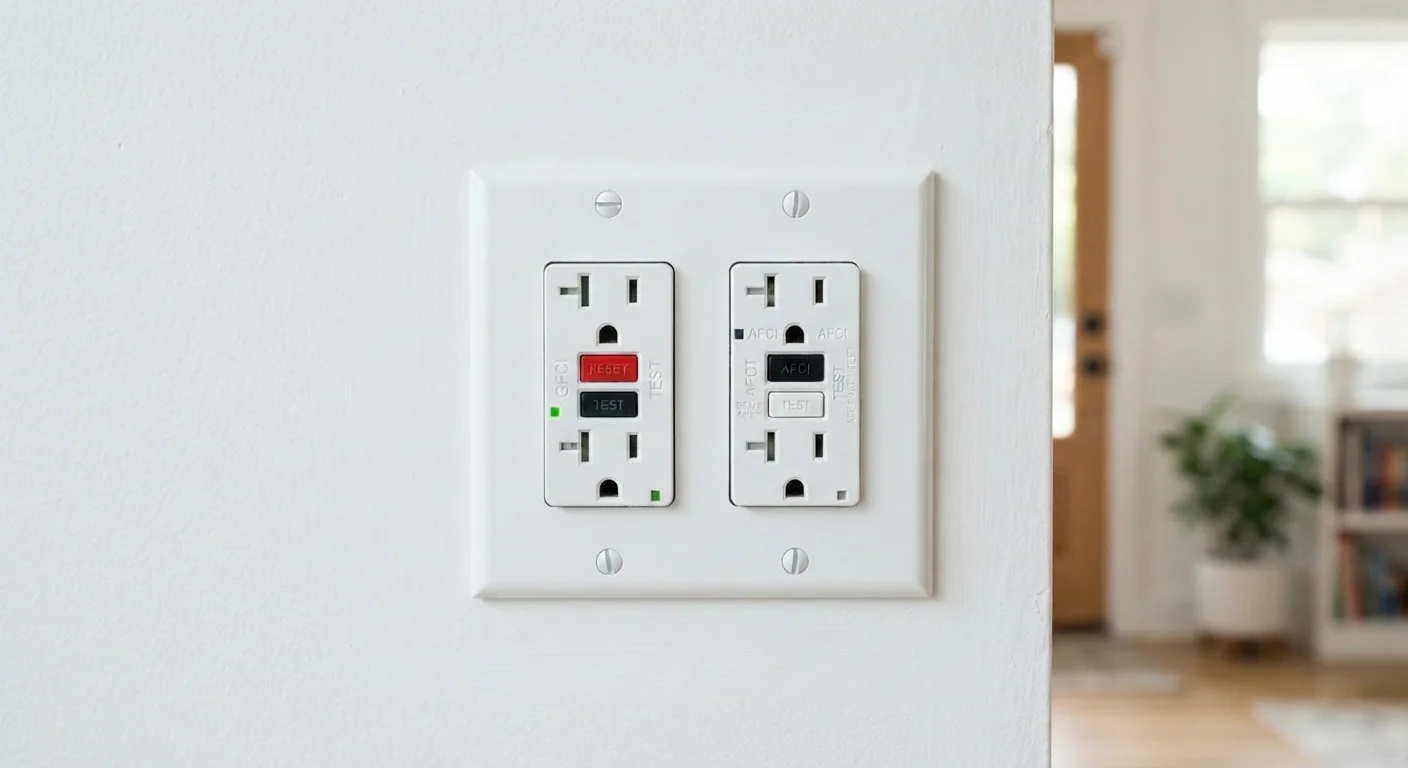
Opening an electrical panel, testing gas connections, or inspecting a heat exchanger are tasks that carry serious injury and fire risk. These inspections must be performed by a licensed electrician or HVAC technician. No checklist item — including this one — should lead you to attempt them yourself. If you suspect a gas leak at any time, leave the home immediately and call your utility provider or emergency services.
Roof Walkovers Carry Real Fall Risk
This checklist recommends a ground-level visual roof inspection for good reason — walking on a roof without proper equipment, footwear, and experience is a leading cause of serious home-related injuries. If your ground inspection raises concerns, hire a licensed roofing contractor to assess the roof in person. Do not climb onto the roof yourself unless you have the training and safety equipment to do so.
Permits May Be Required for Certain Repairs
If your seasonal inspection uncovers issues requiring structural repairs, roof replacement, electrical upgrades, or major plumbing work, check with your local building department before starting. Many jurisdictions require permits and inspections for this type of work. Skipping permits can create complications during home sales, insurance claims, or future inspections.
Logging Your Work and Planning Ahead
Once you've completed your walkthrough, record every task you finished — including the date and any observations, like a small roof stain you noticed but didn't act on yet. A consistent log turns your maintenance history into a resource that helps you catch recurring problems, anticipate costs, and demonstrate care if you ever sell or refinance. Our article on building a maintenance log that actually gets used walks through a simple system anyone can maintain.
If your seasonal check reveals issues with plumbing, HVAC ducts, or wiring, review our whole-home systems overview for context before calling a contractor. And when you do hire help, use the homeowner's contractor verification checklist to protect yourself. Don't forget the outdoors — our end-of-season garden checklist pairs well with this room-by-room walkthrough once you've finished indoors.