Why Wrapping Up the Season Actually Matters
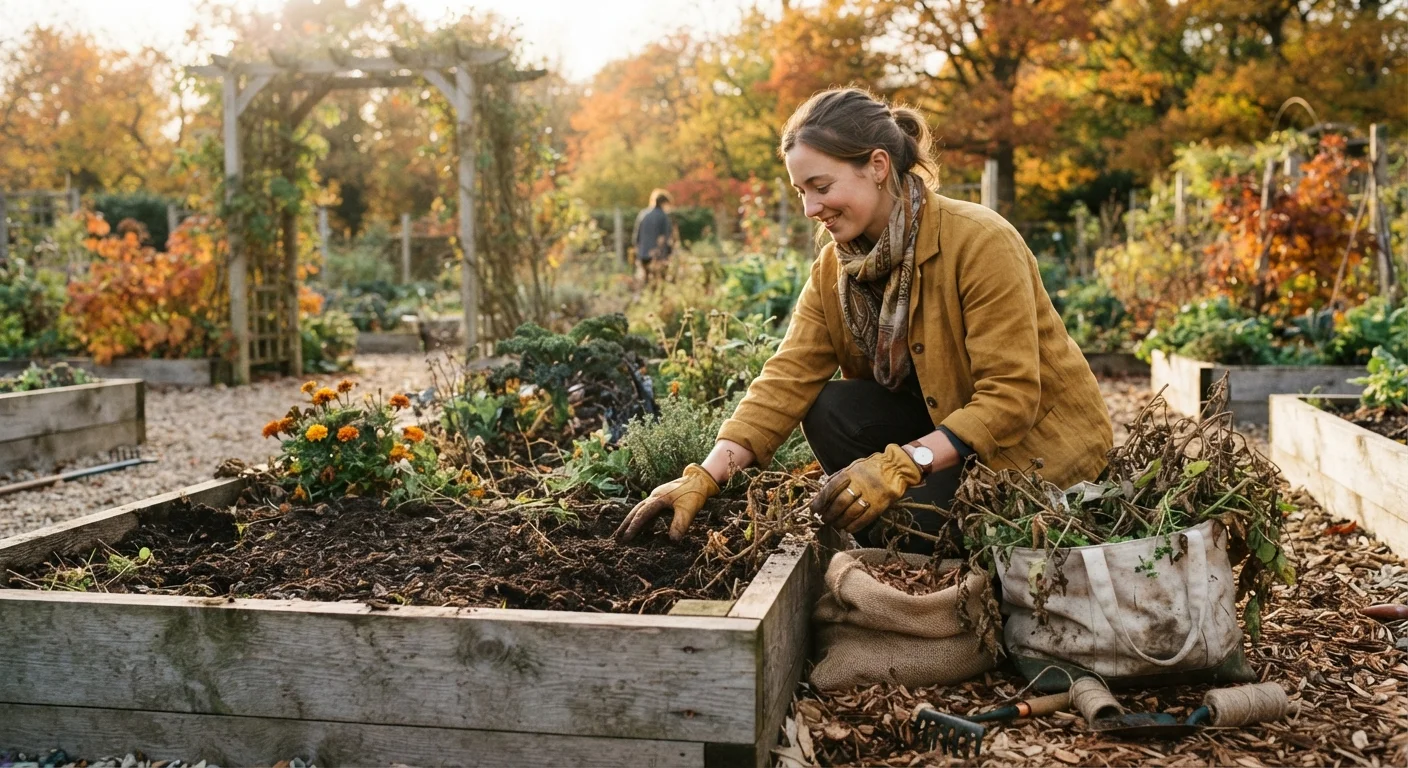
It's tempting to walk away from the garden once the last harvest is done or the first frost hits. But skipping end-of-season care is one of the most common mistakes beginner growers make - and it tends to show up as bigger problems the following spring: compacted soil, overwintering pests, rotting containers, and rusty tools.
Think of this checklist as garden winterisation - similar in logic to the way you'd prepare your home for seasonal changes before temperatures drop. A few hours now protects months of work.
Before diving in, it helps to know what you're growing. Annuals and perennials need very different end-of-season treatment - annuals are pulled up and discarded, while many perennials are cut back and left to resprout. If you're unsure which is which in your garden, that article is a good starting point.
Plant and Bed Cleanup
Soil Care
Bulb and Tender Plant Management
Tool and Equipment Care
Notes and Planning
Tools and Supplies You'll Want on Hand
You don't need an elaborate setup to complete this checklist - most tasks require basic gear you may already own. Gather everything before you start so you're not making multiple trips.
Garden gloves
Protect hands when pulling plant material and handling compost or mulch.
Pruning shears or loppers
Cut back perennials and remove spent woody stems cleanly.
Garden fork or hand trowel
Loosen and lightly incorporate compost into bed surfaces.
Compost or bagged aged compost
Amend soil with organic matter to improve structure and fertility over winter.
Mulch (straw, shredded leaves, or wood chips)
Insulate soil surface from freeze-thaw cycles and suppress winter weeds.
Linseed oil or tool oil
Coat metal tool surfaces lightly to prevent rust during storage.
Paper bags or mesh onion sacks
Store dried bulbs with adequate airflow during winter dormancy.
A Note on Containers and Rental Spaces
If you're gardening in containers - either by choice or because you're renting - a few additional steps apply. Terra cotta and ceramic pots can crack in freezing temperatures if left outside with damp soil inside. Drain them fully, let them dry, and store them in a garage, closet, or covered area if possible. Plastic and fabric pots are more forgiving but should still be emptied and cleaned to prevent mold and fungal growth.
Container gardening on a renter's budget often means working with limited storage space - nesting pots inside each other, folding fabric containers flat, and keeping small tools together in a single bin can make off-season storage much easier.
Don't Leave Wet Soil in Ceramic or Terra Cotta Pots
When water in moist soil freezes, it expands - and that pressure can crack or shatter ceramic and terra cotta pots overnight. Before temperatures consistently drop below 32°F, empty and dry all non-plastic containers. Even a single hard freeze can destroy pots that took years to collect.
Also worth checking: your USDA plant hardiness zone. It tells you how cold your winters typically get, which directly affects which plants can survive outdoors and how much insulation your containers or in-ground plants need.
After the Checklist: Setting Yourself Up for Spring
Once you've worked through the list, take 10 minutes to jot down a few notes while the season is fresh: what grew well, what struggled, which pests showed up, and what you'd do differently. A simple phone note or a piece of paper tucked into your seed storage works fine. This kind of low-effort reflection pays off when you're planning next year's garden and can't quite remember why you avoided that corner bed.
End-of-season care is also a good moment to check in on your broader home maintenance rhythm - outdoor tasks like cleaning gutters, covering exterior faucets, and inspecting drainage often overlap with garden wrap-up and can be tackled in the same outdoor session.
Diseased Plant Debris Must Go in the Trash
Composting plants affected by powdery mildew, blight, or fungal disease is a common mistake that reintroduces the same problems next season. Home compost piles rarely reach the sustained temperatures needed to kill pathogens. When in doubt, bag diseased material and put it in the garbage - not the compost bin.