Why Container Gardening Works for Renters
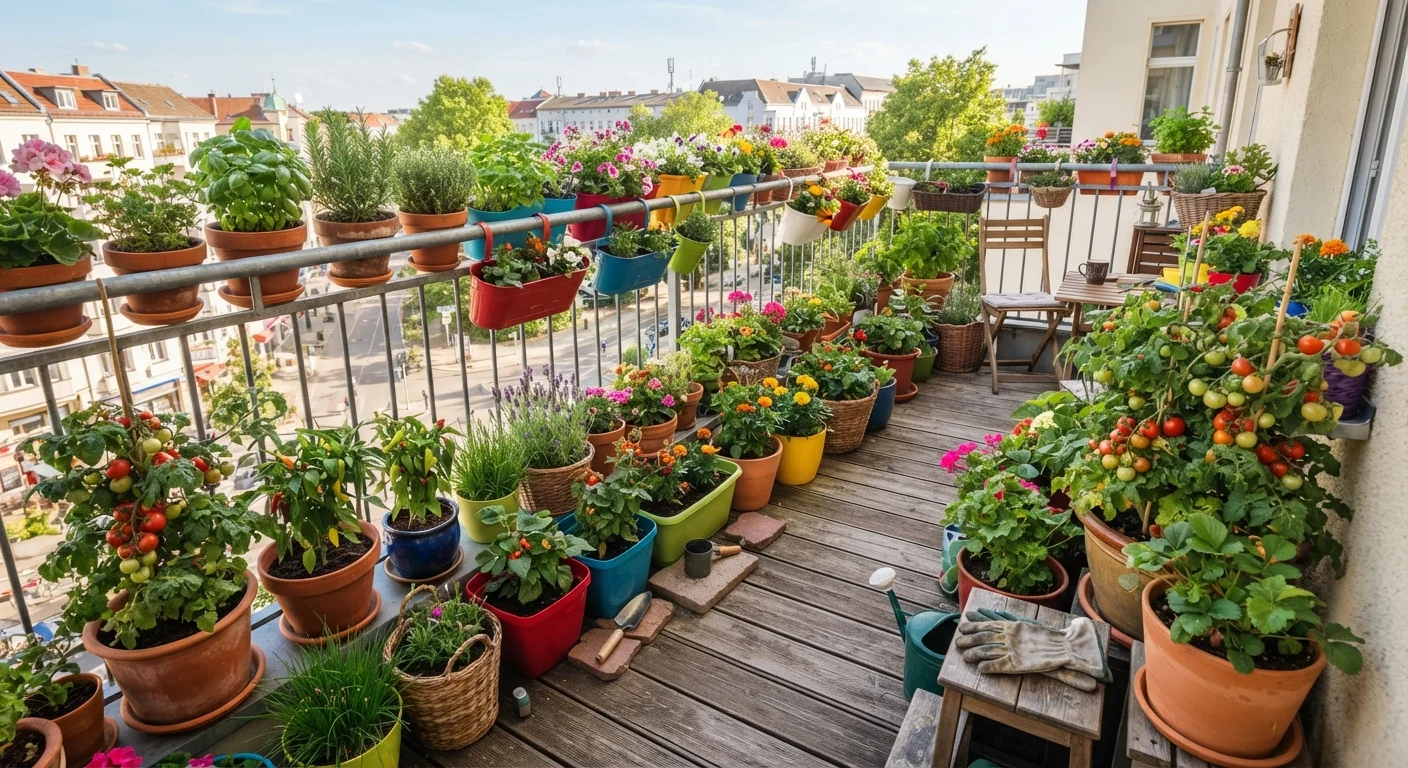
Container gardening strips away the two biggest barriers renters face: lack of ground access and the rule against permanent changes. Every plant lives in a pot you own, so when you move, it moves with you. There's no digging, no installation, and nothing that could jeopardize a security deposit.
Beyond logistics, containers give you precise control over growing conditions. You choose the soil, the drainage, and the placement - advantages that even in-ground gardeners don't always have. If a spot gets too much shade, you simply move the pot. That flexibility is especially valuable for balconies, patios, fire escapes (where permitted and safe), and shared courtyards.
For a broader look at low-commitment outdoor upgrades that work in rented spaces, see outdoor space upgrades for renters and owners alike. If you're weighing containers against other planting styles, raised beds vs. in-ground planting explores those trade-offs in detail.
Check Your Lease Before You Start
While container gardens are generally renter-friendly, some leases include clauses restricting outdoor furniture, decorations, or planters. A quick read-through of your rental agreement - especially any sections covering balcony or patio use - can prevent misunderstandings. Most restrictions target permanent fixtures, so portable containers are usually fine.
Choosing the Right Containers on a Budget
The only non-negotiable requirement for any container is drainage. A pot without holes at the bottom will waterlog roots, which kills plants faster than almost anything else. Beyond that, the material, color, and brand are largely personal preference.
Budget-friendly options include:
- 5-gallon food-grade buckets - widely available, deep enough for tomatoes and peppers, and easy to drill drainage holes into
- Nursery grow bags - fabric pouches that promote healthy root growth and collapse flat for storage
- Repurposed household containers - colanders, wooden crates lined with landscape fabric, or even old coolers work with minor modification
- Terracotta pots - heavy and porous (meaning they dry out faster), but durable and inexpensive at discount stores
Size matters more than most beginners realize. Shallow-rooted plants like lettuce and herbs do fine in 6-8 inch pots, while tomatoes and peppers need at least 5 gallons of volume to produce well. Undersized containers stress plants and require much more frequent watering.
Match Container Size to Root Depth
Before buying a container, look up the expected root depth of the plant you want to grow. Shallow-rooted herbs and greens can share a wide, shallow tray, while tomatoes and peppers each need their own deep, large-volume pot. Getting this right from the start saves money and prevents stunted growth.
What to Grow: Best Plants for Beginners
Start with plants that forgive irregular attention and produce visible results quickly - that feedback loop keeps beginners motivated. The following are reliable choices for most climates and light conditions:
- Herbs: Basil, mint (keep it in its own pot - it spreads aggressively), chives, and parsley are fast-growing, useful in the kitchen, and forgiving of imperfect watering schedules.
- Leafy greens: Lettuce, spinach, and arugula mature in as little as 30-45 days from seed and tolerate partial shade better than most edibles.
- Cherry tomatoes: Compact varieties produce abundantly in containers and don't require deep pruning expertise. They do need 6+ hours of direct sun.
- Radishes: One of the fastest crops available - some varieties are ready in 25 days - making them excellent confidence-builders.
- Succulents and low-water ornamentals: If you travel often or forget to water, drought-tolerant plants like sedums and echeverias suit container life well. Note that common care myths can actually harm them - read about the care myths that keep killing succulents before you start.
For a deeper dive into edible container gardening, growing food in a small space sets realistic expectations about what actually produces in compact urban settings.
Soil, Watering, and Light Basics
Never use garden soil or topsoil in containers. Both compact quickly in pots, cutting off air and water flow to roots. A bagged potting mix formulated for containers is designed to stay loose and drain properly.
Watering frequency depends on container size, plant type, outdoor temperature, and whether the pot sits in sun or shade. A reliable rule: push your finger about an inch into the soil - if it's dry at that depth, water thoroughly until it drains from the bottom holes. If it still feels moist, wait. Overwatering is one of the leading reasons container plants fail. The article why your potted plants keep dying walks through the most common mistakes in detail.
Light is the resource you can control least as a renter. Assess your space honestly: count the hours of direct sun your balcony or windowsill receives on a typical day, and match your plant selection to that reality. Most vegetables need 6 or more hours; herbs and leafy greens can manage with 4-5. If your space is mostly shaded, lean toward shade-tolerant ornamentals rather than forcing fruiting plants that will struggle.
Balcony Weight Limits Are a Real Concern
Soil is surprisingly heavy - a large pot filled with wet potting mix can weigh 50 pounds or more. If you're gardening on a balcony, check your building's weight guidelines before loading it with multiple large containers. Distributing pots along the outer edge near structural supports is generally safer than clustering them in the center. If you're unsure, ask your building manager.
Keeping Costs Low Without Sacrificing Results
The most cost-effective container garden is a small one that actually thrives, not a large one that fails from overextension. Start with two or three containers and expand only when you've gotten comfortable with the basics.
Practical ways to keep spending down:
- Grow from seed - seed packets cost a fraction of transplants and one packet can fill multiple pots.
- Save and reuse potting mix - at the end of the season, refresh used mix by adding a small amount of fresh compost rather than replacing everything. For context on composting at home, composting at home explains the process and whether it's a realistic option for your situation.
- Choose perennial herbs - chives, thyme, and oregano come back year after year, eliminating annual replanting costs. Perennials vs. annuals breaks down the cost and maintenance differences clearly.
- Prep properly at season's end - a little maintenance before winter protects your containers and tools. End-of-season garden checklist covers exactly what to do.
When you're ready to specialize, starting a balcony herb garden offers a step-by-step walkthrough that builds directly on what you've learned here.
Container gardening rewards patience and observation more than money or space. The fundamentals - good drainage, appropriate soil, honest light assessment, and careful watering - outweigh every other variable. Get those right from the start and the rest becomes much easier over time.