The Core Trade-Off: Control vs. Cost
When space is limited, every square foot of your garden has to earn its place. The choice between raised beds and in-ground planting isn't just aesthetic - it affects your soil quality, seasonal flexibility, upfront investment, and how much ongoing work you'll face each year.
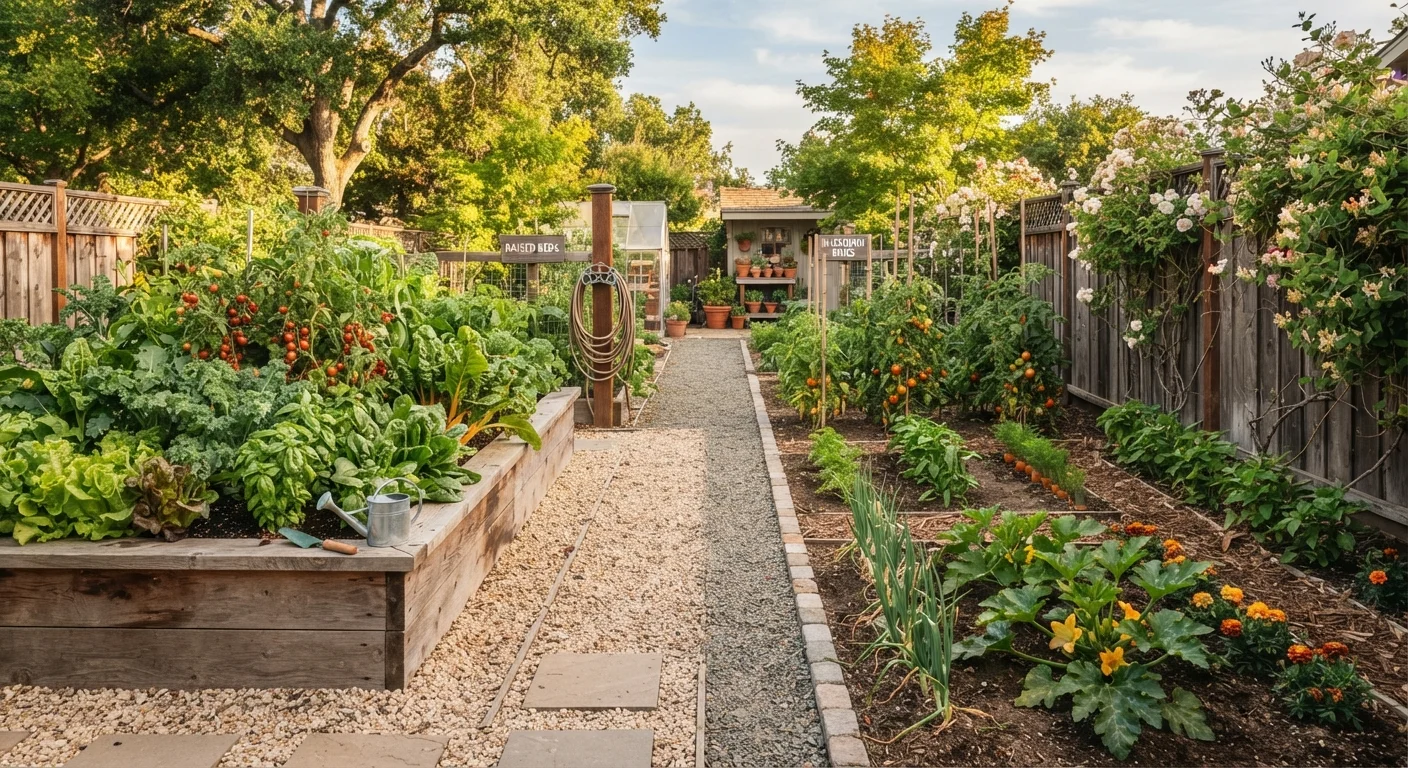
Raised beds are essentially contained growing environments you build on top of existing ground. You fill them with a custom soil mix, which means you're starting with conditions you chose rather than conditions you inherited. That control is the defining advantage. In-ground planting, by contrast, uses your yard's native soil as the growing medium. The quality of your experience hinges heavily on what's already under your feet.
Understanding the difference between soil types is genuinely useful here - the terms get used interchangeably, but what goes into a raised bed is not the same as what you're likely amending in the ground.
| Criterion | Raised Beds | In-Ground Planting |
|---|---|---|
| Upfront cost | Moderate to high (materials + soil) | Low (tools + amendments only) |
| Soil control | Full - you choose the mix | Dependent on native soil quality |
| Drainage | Excellent; may dry out faster | Variable; improves with amendment |
| Weeding effort | Lower (imported weed-free soil) | Higher, especially in early years |
| Season length | Slightly longer (soil warms faster) | Standard for your climate zone |
| Root depth | Limited by bed depth | Unrestricted; better for deep roots |
| Renter-friendly | Yes - can be dismantled | No - alters existing ground |
| Long-term soil improvement | Good within the bed | Cumulative over seasons |
Soil, Drainage, and Root Health
Soil is where most gardening problems actually start. Compacted clay soil drains poorly and suffocates roots. Sandy soil drains too fast and holds almost no nutrients. Many suburban and urban yards - especially newer housing developments - have topsoil that was scraped away during construction and never properly replaced.
Raised beds let you skip around these problems by introducing a purpose-built growing mix from the start. A common baseline is a blend of topsoil, compost, and coarse material like perlite or aged bark to improve drainage and aeration. This kind of mix tends to support strong root development and good moisture retention simultaneously.
In-ground planting can reach the same quality over time, but it usually requires consistent amendment with compost, sometimes for multiple seasons. The payoff is real: in-ground soil improves cumulatively as organic matter breaks down and soil organisms build structure. For deep-rooted crops like squash, corn, or established perennials, unrestricted downward growth gives in-ground beds a genuine advantage.
6-8 inches
Minimum raised bed depth for most vegetables
Most cooperative extension services recommend at least 6 inches of quality growing mix for shallow-rooted crops, and 12 inches for deeper-rooting vegetables.
2-4°F
Warmer soil temperature in raised beds vs. in-ground
Raised beds generally warm up earlier in spring due to improved drainage and air exposure on all sides, which can allow earlier planting in cooler climates.
Good watering habits also interact with your bed type. Raised beds drain faster and may dry out quicker in summer heat, while in-ground beds - once the soil matures - can hold moisture more evenly through their deeper profile.
Practical Factors: Cost, Maintenance, and Renter Considerations
The upfront cost difference is real. A basic in-ground plot requires little more than a spade and some compost. A raised bed adds the cost of framing material (untreated cedar is commonly used for longevity), hardware, and enough quality growing mix to fill the volume - a 4×8-foot bed that's 12 inches deep holds about 32 cubic feet of soil, which adds up quickly.
That said, raised beds tend to require less weeding over time. The defined border and the absence of weed seeds in your imported soil mix gives you a cleaner start. Paths around raised beds also reduce soil compaction in the growing zone, since you never walk in the bed itself.
For renters, the calculus is different. Most leases prohibit permanent landscape alterations, and digging up a lawn almost always qualifies. Raised beds sit on top of the ground and can be disassembled at the end of a tenancy. If even a raised bed feels like too large a commitment, container gardening offers a fully portable alternative with no structural footprint at all.
Check Before You Dig or Build
If you're renting, review your lease before making any changes to outdoor areas - even freestanding raised beds may be subject to landlord approval depending on your agreement. Homeowners in HOA communities should also check whether raised beds require approval under their community guidelines. When in doubt, a quick written inquiry to your landlord or HOA is worth the small effort upfront.
If you're thinking about what to grow, your bed type will also shape your plant choices. Annual vegetables are the most common candidates for both methods. To think through that layer of planning, perennials vs. annuals covers the practical trade-offs between the two in terms of cost, maintenance, and replanting effort.
Making the Decision for Your Specific Space
There's no universal right answer here - the better approach depends on a combination of factors specific to your situation. A few questions can help clarify it:
- Do you own or rent? Renters should default to raised beds or containers.
- What's your existing soil like? Dig down six inches and assess. If it's heavy clay, compacted, or visibly rocky, a raised bed will save you significant frustration.
- How much are you willing to spend upfront? In-ground planting is lower cost to start; raised beds front-load the investment but reduce some recurring effort.
- What are you growing? Shallow-rooted crops like lettuce, herbs, and radishes thrive in raised beds. Deep-rooted perennials and large sprawling vegetables may prefer unrestricted in-ground space.
If your ultimate goal is making a compact outdoor area both productive and pleasant, layout and plant placement matter as much as bed type. How you arrange your growing space visually shapes how the whole area feels to spend time in.
For a deeper look at growing food specifically in constrained spaces, realistic expectations for small-space food growing is worth reading before you commit to a layout.