Why Watering Depth Changes Everything
Plants don't just absorb water - they follow it. Roots grow toward moisture, so the depth at which water consistently sits in your soil determines how deep your plants' root systems actually develop. This single principle explains why two gardeners using the same amount of water weekly can end up with plants in very different health.
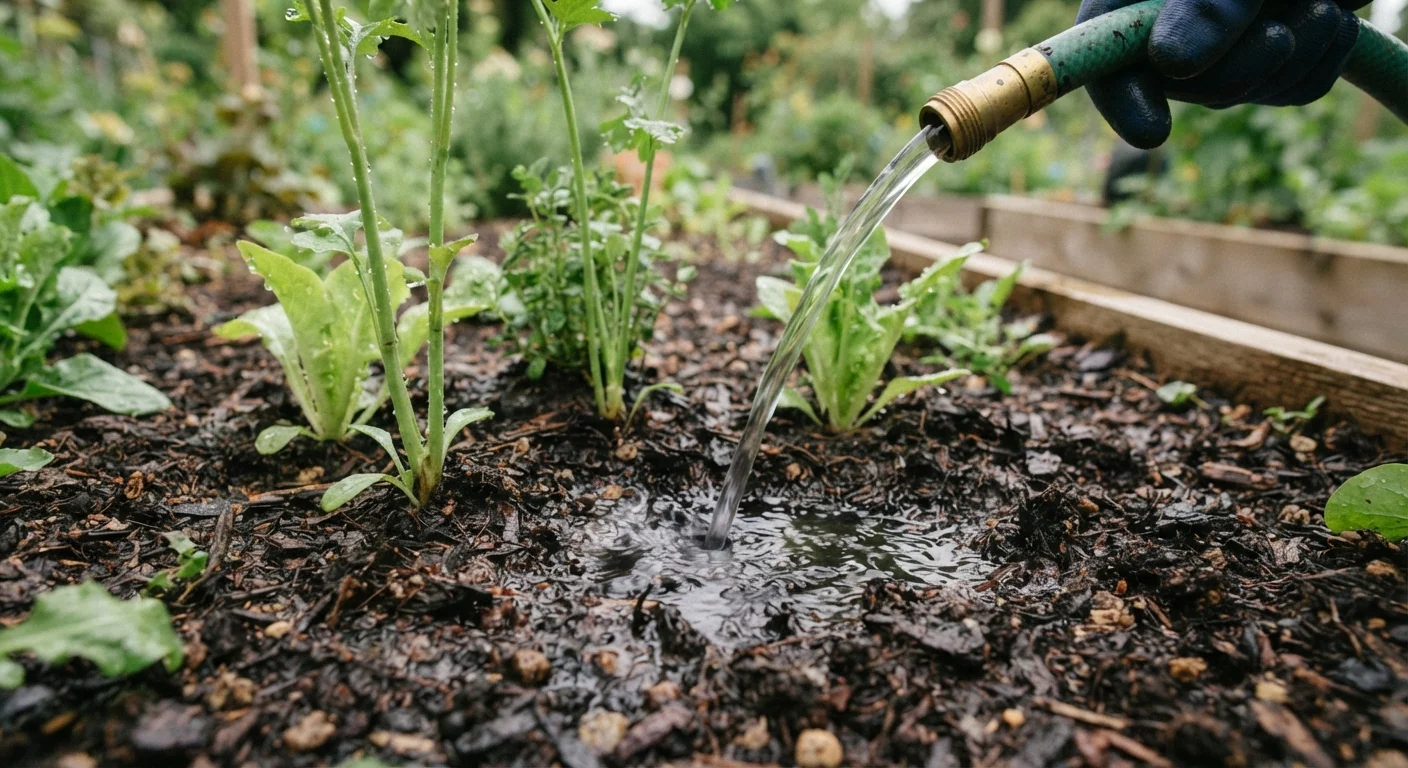
When you water lightly every day, moisture stays in the top inch or two of soil. Roots have no incentive to grow downward because everything they need is right at the surface. That produces a shallow root system - one that's vulnerable to heat, drying wind, and any interruption in the watering schedule. When you water deeply but less often, moisture penetrates six to eight inches or more. Roots chase that moisture down, anchoring the plant and giving it access to a larger reservoir between watering sessions.
Understanding your soil type is essential here - clay soils absorb water slowly but hold it well, while sandy soils drain fast and may require adjustments to either strategy.
| Deep, Infrequent Watering | Frequent Shallow Watering | |
|---|---|---|
| Root depth encouraged | 6-8+ inches | 1-2 inches |
| Drought resilience | High - roots access deeper moisture | Low - roots rely on surface water |
| Water efficiency | Better - less surface evaporation | Lower - more evaporation loss |
| Best life stage | Established plants | Seedlings and new transplants |
| Best soil type | Clay or loam soils | Sandy, fast-draining soils |
| Time commitment | 1-2 sessions per week | Daily or near-daily sessions |
| Disease risk from wet foliage | Lower (water less often) | Higher (more frequent contact) |
When Deep, Infrequent Watering Works Best
For most established garden plants - vegetables in their second month, flowering perennials, shrubs, and trees - deep and infrequent watering is the standard recommendation. A general guideline is to deliver one inch of water per week, applied in one or two sessions rather than spread across seven days. That volume should penetrate six to eight inches into the soil, which you can verify by digging a small test hole an hour after watering.
The practical benefit beyond root depth is efficiency. Less water evaporates from the surface when you water deeply because the moisture moves past the top layer quickly. Early morning is the best time to water, as soil temperatures are cooler and foliage dries before evening, reducing disease risk.
Test Your Watering Depth After Each Session
About an hour after a deep watering session, use a trowel or soil probe to dig a small hole near the plant's drip line. Check how far the moisture has actually penetrated. If it hasn't reached six inches, your session wasn't long enough - increase duration before assuming a schedule works.
Perennials especially reward deep watering - their multi-year root systems become increasingly drought-tolerant when trained to grow deep from the start. If you're deciding between garden formats, our guide on raised beds vs. in-ground planting also covers how bed type affects how water moves through soil.
When Frequent Watering Is the Right Call
Frequent watering isn't always a mistake - it's simply the wrong default for the wrong situation. There are clear cases where it's appropriate:
- Seedlings and new transplants: Young plants have minimal root systems and can't access deep moisture yet. Keeping the top layer consistently moist for the first two to four weeks helps them establish without stress.
- Container plants: Pots have limited soil volume and drain freely, so they dry out faster than garden beds. Many containers need watering every one to two days in summer heat. If your containers are struggling, common container plant problems often trace back to watering inconsistency rather than frequency alone.
- Sandy or very fast-draining soils: Water moves through sandy soil too quickly for a single deep session to be effective. Splitting the same weekly volume into three or four smaller sessions improves retention.
- Extreme heat or wind events: Even established plants may need supplemental water during a heat wave - check soil moisture rather than sticking to a rigid schedule.
50%
Outdoor water wasted to evaporation or runoff
The EPA estimates roughly half of outdoor residential water use is lost to inefficient application methods, including shallow, frequent watering.
1 inch
Weekly water volume most gardens need
Most cooperative extension services recommend approximately one inch of water per week as a starting baseline for typical vegetable and flower gardens.
Reading Your Soil and Plants Before Choosing a Routine
No watering schedule works without observing what's actually happening in your garden. Before committing to a routine, learn to read two signals: soil moisture and plant appearance.
Push your finger two inches into the soil near the plant's base. If it feels dry at that depth, it's time to water. If it's still damp, wait. Wilting in the early morning (before temperatures rise) is a stronger signal of water stress than afternoon wilting, which can be a temporary heat response even in well-watered plants.
Light conditions also interact with watering needs. Plants in full sun generally need more frequent attention than those in shade - see our guide on what sun and shade labels really mean for context on how light affects plant demands overall.
Finally, if you're growing succulents or drought-tolerant species, the deep-and-infrequent rule becomes even more critical - overwatering succulents is among the most common gardening mistakes, often rooted in applying frequency-based habits to plants that genuinely prefer dry intervals.