
Why a Maintenance Log Is Worth the Setup Time
A home maintenance log is simply a running record of everything done to your home — repairs, inspections, replacements, and routine upkeep. It sounds straightforward, but most homeowners never build one, and that gap shows up at the worst moments: a contractor asking for the last service date on a system you can't remember, a warranty claim requiring proof of regular maintenance, or a prospective buyer asking how old the roof is.
Beyond those reactive moments, a log helps you stay ahead of problems. Homes have dozens of systems — HVAC, plumbing, electrical, roofing, appliances — and without a record, it's genuinely difficult to know what's been done and what's overdue. If you're still figuring out which systems deserve the most attention, your first year of homeownership is a good place to start before building your log.
Don't Wait for a Problem to Start
Most homeowners only reach for a maintenance log after something breaks — by then, they're missing the service history that would help diagnose the issue faster. Start your log the day you move in, or today if you're already settled. Even partial records are far better than none.
The goal isn't perfection. A log with gaps is still more useful than no log at all. Start where you are.
Dedicated notebook or binder
Serves as a physical log for homeowners who prefer handwriting entries and flipping through pages.
Spreadsheet app (e.g., Google Sheets or Excel)
Provides a searchable, sortable digital format for tracking tasks, dates, and costs.
Cloud storage or folder system
Stores digital receipts, warranty PDFs, and contractor invoices linked to each log entry.
Home maintenance app
Dedicated apps offer reminder features and pre-built category structures for common home systems.
How to Build and Use Your Log
The steps below walk you through setup from scratch. If you already have some records, skip to Step 4 to integrate what you have. And if you want a framework for what to inspect and when, pair this system with a seasonal home maintenance walkthrough once your log is in place.
What you will need
Choose a format you'll realistically maintain
The best log format is the one you'll actually open. A paper binder works well if you prefer tactile organization; a shared spreadsheet is better if multiple people in your household need access. Home maintenance apps can add reminder features, but any of these options works — consistency beats complexity every time.
If you're also tracking a vehicle, the same logic applies. See how a vehicle maintenance log handles consistent record-keeping for inspiration you can adapt at home.
Document your home's baseline information
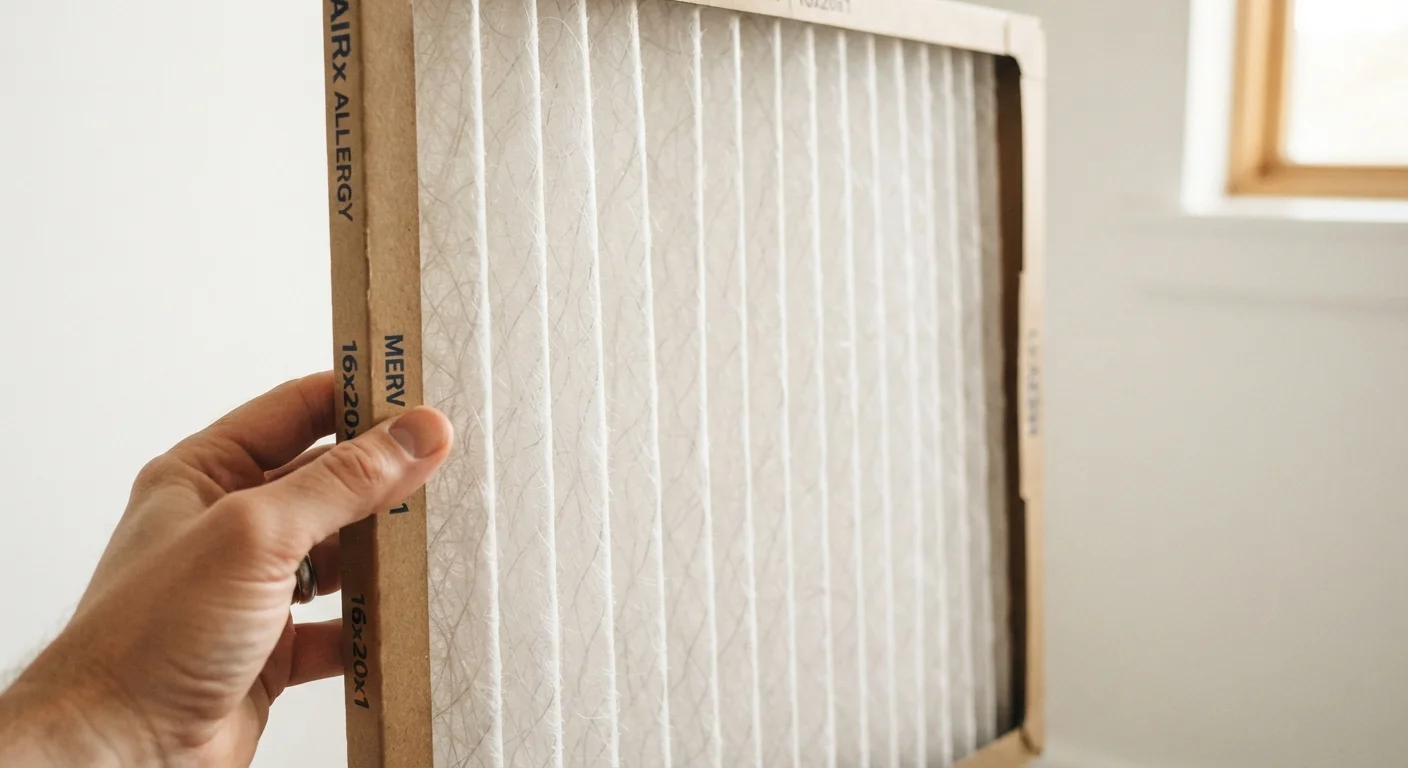
Before logging a single repair, capture the static details that rarely change but are constantly needed: appliance make, model, and serial numbers; HVAC filter size; water heater age and capacity; roof material type; and the age of major systems if known. Pull this information from inside appliance doors, owner's manuals, or your home inspection report.
This baseline saves time when a repair tech asks for model numbers on the spot — or when you're ordering a replacement part at 9 p.m.
Set up your entry structure
Each log entry should capture five elements: date, task or issue, what was done, who did it (you or a contractor), and cost. Add a notes field for warranty info, follow-up reminders, or part numbers used. Keep it simple — one row per event in a spreadsheet, or one short paragraph per entry in a notebook.
Add your existing history
Backfill what you already know. Check your email for contractor invoices, search your bank statements for home-related charges, and dig out any warranty cards. Even approximate dates are useful — 'furnace serviced approx. 2 years ago' is better than a blank field. If you're in your first year of homeownership, our guide on what actually needs maintaining can help you identify systems worth going back to check.
Schedule your first monthly review
Put a recurring 15-minute calendar event on the first or last day of each month. Use it to log anything that happened — even 'replaced HVAC filter, no issues' is a worthwhile entry. This habit is what separates a log that gets used from one that collects dust. Over time, patterns emerge: you'll notice which systems need attention most often, or spot that a repair has happened three times in two years.
Store supporting documents with each entry
Every receipt, warranty certificate, contractor quote, and permit should be linked to the relevant log entry. In a digital system, attach a scanned PDF or photo to the row. In a paper system, use a binder with tabbed pockets by category (HVAC, plumbing, electrical, appliances). Permits and inspection records are especially worth keeping — they may be required if you sell the home or file an insurance claim.
When you're ready to tackle larger projects, strong documentation habits set you up for success. Our piece on taking on a home improvement project for the first time covers how organized records support everything from budgeting to knowing when to call a professional.
Link Your Log to a Seasonal Checklist
A log works best alongside a regular inspection routine. Pair it with a seasonal room-by-room walkthrough to know what to inspect each quarter, then record your findings directly in the log. This creates a closed loop between checking and documenting.
Knowing what to log also means knowing when a task goes beyond DIY scope. Our guide on when DIY is smart and when it's risky helps you make that call confidently — and log it correctly either way.
Don't Store This Log Only in Your Head
Memory is unreliable for maintenance details, especially years down the line. A log that lives only in your memory creates gaps when you sell, file a warranty claim, or hand off the home to a tenant or family member. Write it down — somewhere you can actually find it later.