
The Basic Rule: Ordinary Care vs. Structural Upkeep
The clearest way to understand rental responsibility is through one dividing line: ordinary care is the tenant's job; structural and system upkeep is the landlord's. Ordinary care means keeping the unit clean, avoiding damage through careless or abusive use, and handling minor consumable items. Structural upkeep covers the systems and components that make a home livable — plumbing, heating, roofing, electrical systems, and appliances provided with the unit.
This distinction isn't just convention — it's grounded in state landlord-tenant law across the US. Most states impose an implied warranty of habitability on landlords, meaning they must keep the property safe and livable regardless of what a lease says to the contrary. At the same time, tenants carry a legal duty not to damage the property and to maintain basic sanitation.
Lease Language Overrides General Rules
Tenant and landlord responsibilities vary meaningfully by state, and your specific lease may assign duties differently than the general guidelines described here. Always read your lease carefully and consult local tenant rights resources if anything is unclear. This article provides general educational information, not legal advice.
If you're curious how these obligations differ from owning a home outright, first-year homeownership maintenance covers the full scope of what owners absorb when a landlord is no longer in the picture.
What Tenants Are Typically Responsible For
Most leases and state laws align on a core set of tenant duties. Understanding these upfront prevents surprises at move-out.
- Cleanliness: Keeping the unit reasonably clean — vacuuming, mopping, cleaning appliances, and preventing mold from moisture buildup (like wiping bathroom surfaces and using exhaust fans).
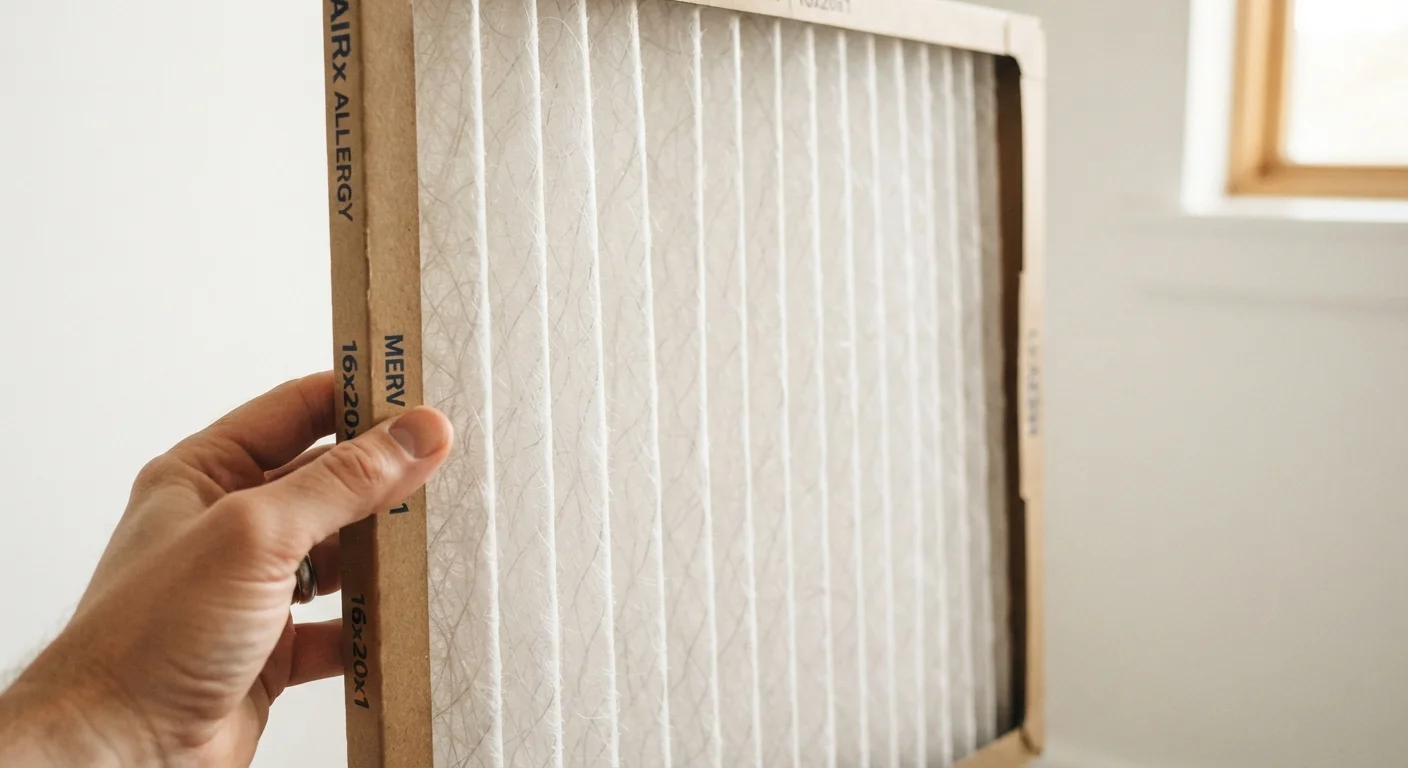
- Minor consumables: Replacing light bulbs, smoke detector batteries, HVAC air filters (check your lease — some landlords handle filters), and similar low-cost, routine items.
- Avoiding damage: Patching small nail holes from picture hanging is typically expected at move-out. Larger wall damage or broken fixtures caused by misuse fall on the tenant. For practical guidance on leaving walls intact, see renter-safe wall-mounting options.
- Drain maintenance: Keeping drains clear of hair and debris is generally a tenant responsibility. A slow drain caused by buildup you created is different from a plumbing failure in the pipe itself.
- Pest prevention: Storing food properly and maintaining cleanliness to avoid attracting pests. If an infestation stems from tenant behavior, responsibility can shift accordingly.
- Reporting problems promptly: If something breaks or leaks, you are responsible for notifying the landlord in a timely manner — even if the repair itself isn't yours to make.
Want to make the space feel like yours without risking your deposit? Renter-friendly upgrades that leave no trace covers removable improvements that don't compromise your move-out.
What Landlords Are Generally Required to Handle
Landlords carry the heavier end of the maintenance burden. Under the habitability standard, they are typically required to maintain:
- Structural elements: roof, walls, floors, windows, and doors in working, weatherproof condition
- Plumbing: hot and cold running water, functioning toilets, and sewage systems
- Heating systems (and cooling in some states and climates)
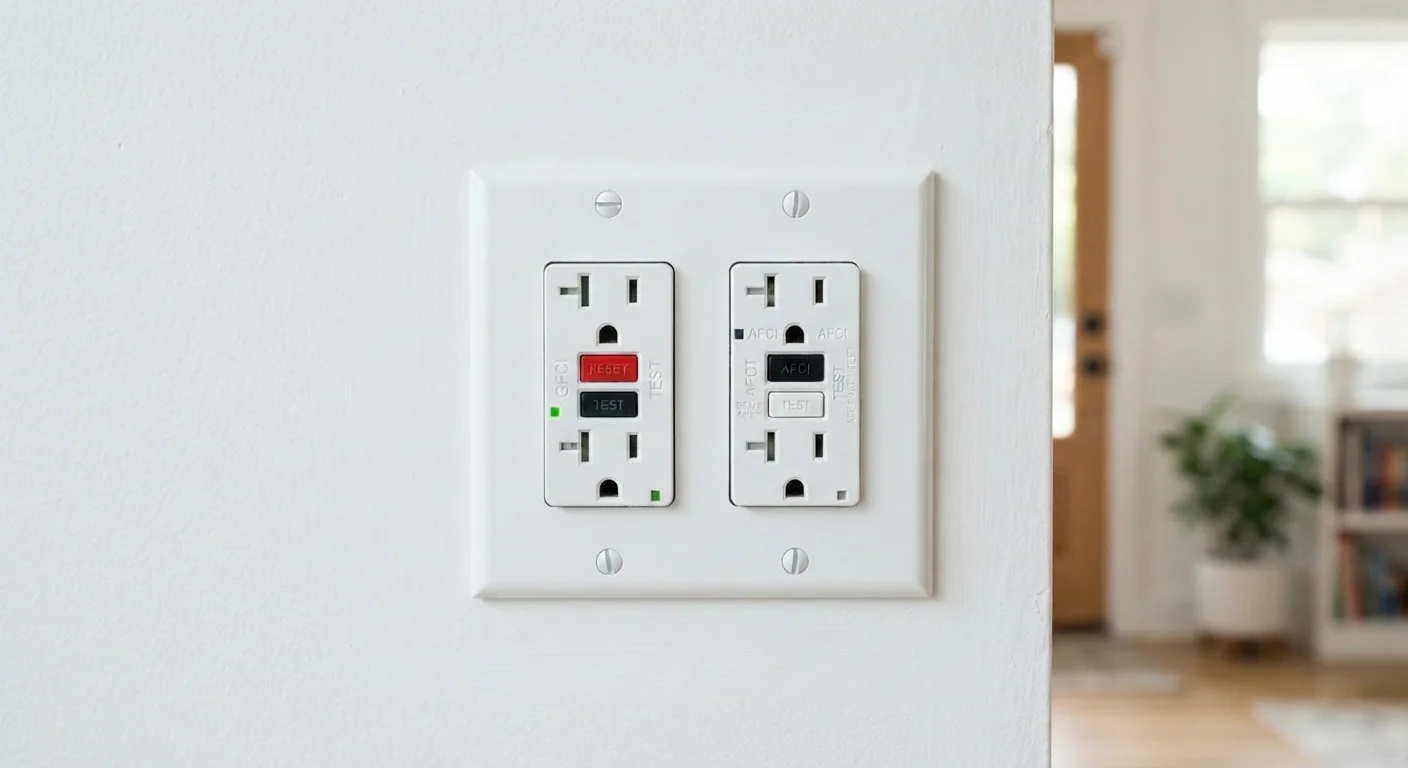
- Electrical systems up to code, including outlets and breaker panels
- Appliances provided in the lease (refrigerator, stove, dishwasher if included)
- Common areas in multi-unit buildings — hallways, stairwells, laundry rooms
Importantly, landlords cannot waive these obligations through lease language in most states — even if a lease says the tenant is responsible for all repairs, courts often won't enforce clauses that undercut habitability standards.
The gray area: some leases assign additional duties to tenants (lawn care, snow removal, certain appliance servicing). These are generally enforceable as long as they don't eliminate essential habitability protections. Read your specific lease closely. For tasks that may require a professional, knowing when DIY is smart vs. risky is a useful reference before attempting anything yourself.
How to Document Everything (and Why It Matters)
Documentation is your most powerful tool as a renter. Most deposit disputes come down to one question: was this damage pre-existing or did the tenant cause it? Without evidence, it's your word against the landlord's.
Don't Skip the Move-In Walkthrough
Skipping a documented move-in inspection is one of the most common — and costly — mistakes renters make. Without a timestamped record of pre-existing damage, you may be held responsible for issues that existed before you arrived. Take photos and video on day one, and request that your landlord co-sign any inspection checklist.
At move-in: Walk through every room with your phone and take timestamped photos and video of every surface, fixture, and appliance. Note scratches, stains, broken items, and wall marks. Email these to your landlord on day one so there's a dated record they've received them.
Throughout your tenancy: Any time you report a maintenance issue, do it in writing — text or email — and keep the thread. Log dates and responses. This protects you if a landlord later claims you caused damage that actually resulted from a delayed repair.
At move-out: Repeat the photo/video walkthrough and request a joint inspection with your landlord if your state allows it. Compare against your move-in record.
Create a Simple Maintenance Log
Keep a running note — even a phone note or shared document — of every maintenance issue you notice, when you reported it, and how the landlord responded. This takes minutes but can make an enormous difference in a deposit dispute. The same habit works well for other recurring responsibilities; see how vehicle owners track maintenance for inspiration on building this routine.
Normal wear and tear — minor scuffs, light carpet wear from walking, small nail holes from a single picture — is generally not chargeable. Significant damage, stains, large holes, or broken items are. Knowing this distinction in advance changes how you live in and care for the space.
When Something Breaks: Reporting It the Right Way
When a maintenance issue arises — a leaking faucet, a broken heater in winter, a malfunctioning lock — the process you follow matters as much as the problem itself.
- Report in writing immediately. Send an email or text describing the issue clearly. Include the date, location in the unit, and what you've observed. This creates a timestamp and puts the landlord on notice.
- Be specific and factual. Avoid dramatic language — just describe what's broken and any potential safety concern (e.g., "The bathroom exhaust fan stopped working and there's visible moisture buildup on the ceiling").
- Follow up if there's no response. If you haven't heard back within a few days for a non-emergency (or hours for something urgent like no heat in winter or a water leak), send a follow-up. Keep all correspondence.
- Know your state's timeframes. Many states specify how quickly landlords must respond to repair requests, particularly for essential systems. Check your state's tenant rights resources for specifics.
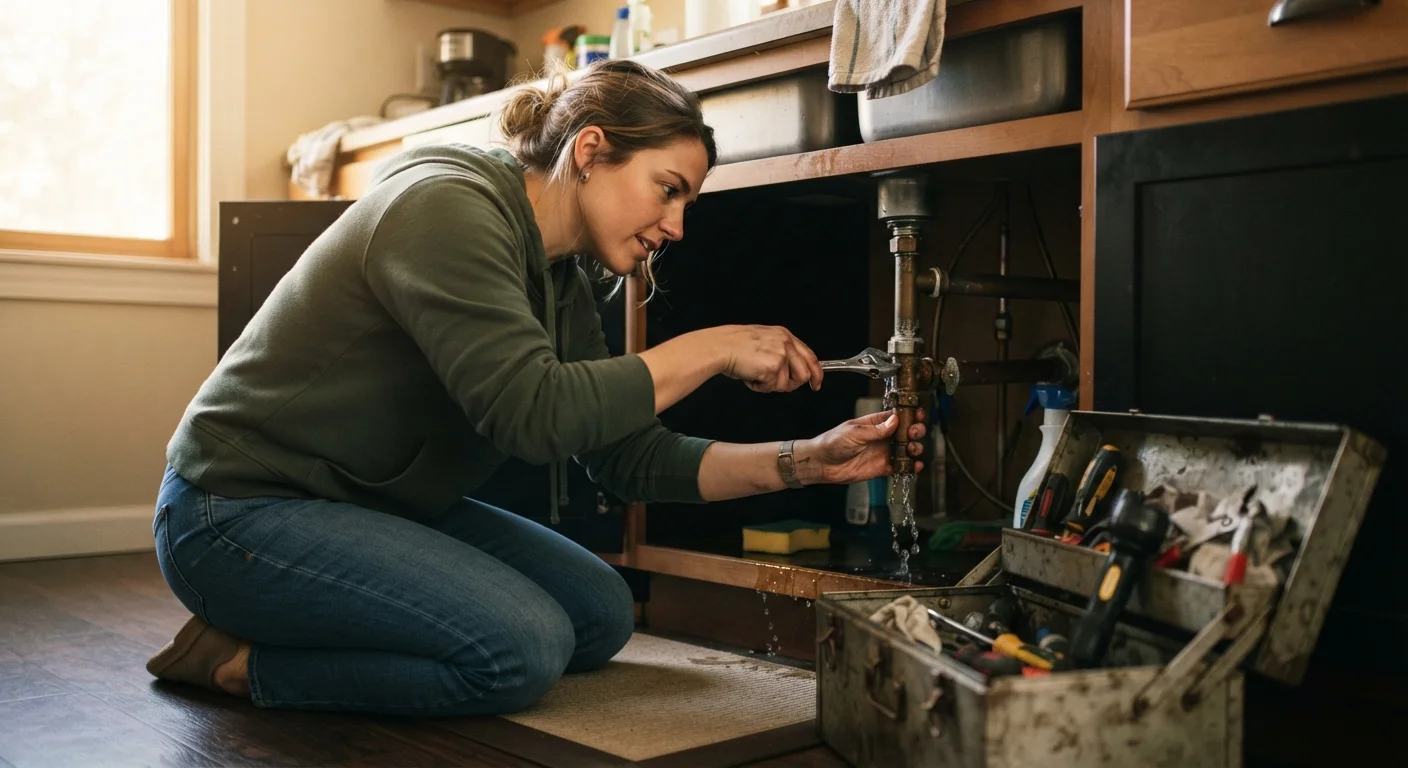
- Don't attempt major repairs yourself without authorization. Unless your lease explicitly allows it or your state's repair-and-deduct law applies, making unauthorized repairs — especially to plumbing, electrical, or gas systems — can create liability for you and may violate your lease.
Staying proactive and organized as a renter isn't just about protecting your deposit — it's about living comfortably and maintaining a workable relationship with your landlord throughout your tenancy.
This article is for general informational and educational purposes only. Tenant and landlord obligations vary significantly by state and locality. Consult local tenant rights resources or a qualified attorney for guidance specific to your situation.