
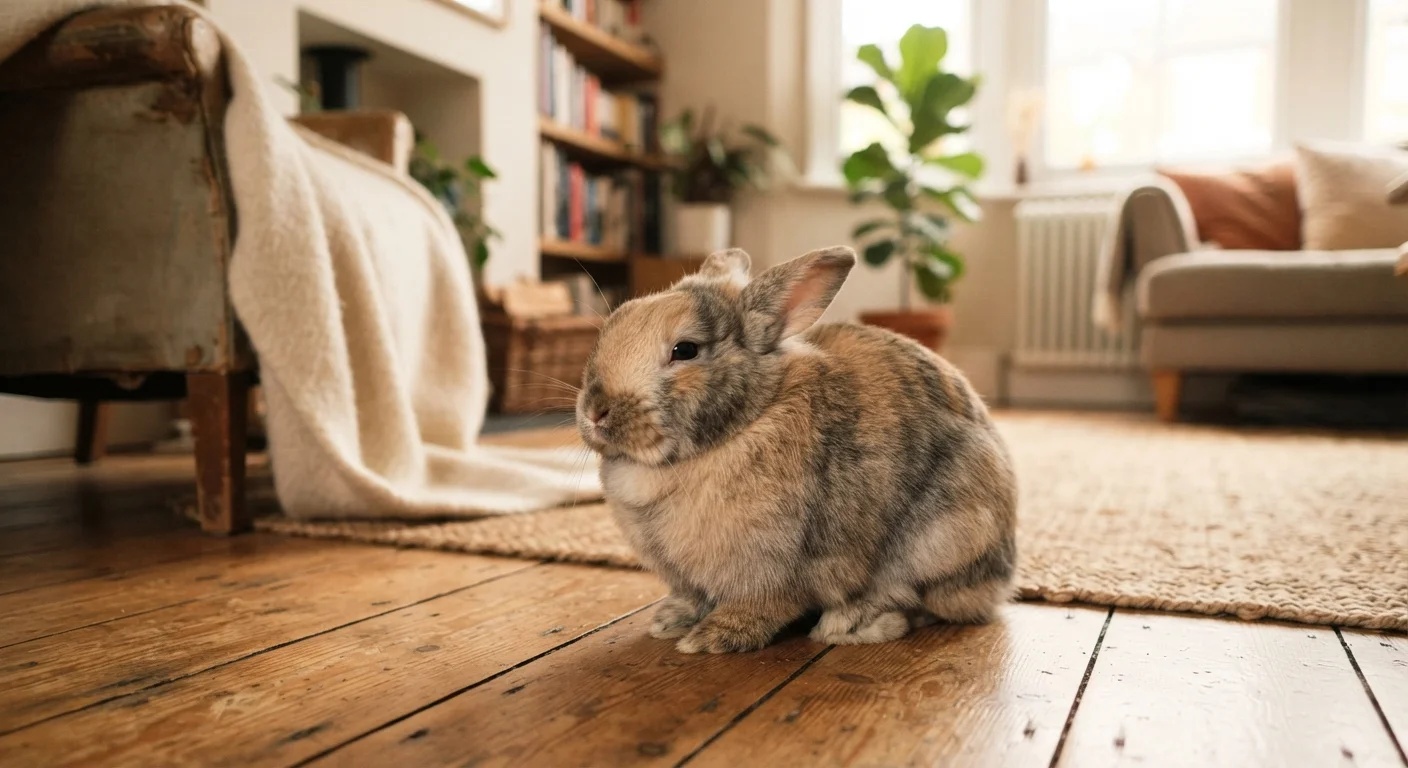
Why Rabbits Deserve a Closer Look
Rabbits are among the most popular small pets in the US — and also among the most frequently surrendered to shelters. That gap between expectation and reality is exactly why an honest assessment matters before you commit.
Unlike hamsters or fish, rabbits are highly social mammals with complex behavioral and dietary needs. They can be litter-trained, learn their names, and bond deeply with their owners. They can also chew through electrical cords, thump loudly in protest, and develop serious health problems if their diet is even slightly off. If you're weighing whether a rabbit fits your lifestyle, the information below covers both sides without sugarcoating either.
For a broader comparison of small pet options, see our guide on matching the right small pet to your lifestyle.
The Real Advantages of Rabbit Ownership
Rabbits offer qualities that genuinely set them apart from other small pets.
Quiet companions suitable for apartment living
Rabbits don't bark or vocalize loudly, making them practical for shared housing or noise-sensitive environments. They communicate mainly through body language and occasional soft sounds.
Long lifespan means a lasting bond
Well-cared-for domestic rabbits typically live 8–12 years — significantly longer than most small pets. This allows a genuinely deep relationship to develop over time.
Highly intelligent and trainable
Rabbits can learn their names, come when called, and be reliably litter-trained. Many owners are surprised by how quickly rabbits pick up on routines and household cues.
No need for outdoor walks
Unlike dogs, rabbits get their exercise indoors through free-roaming time. This suits owners with limited outdoor access or mobility constraints.
Affectionate and personality-rich
Rabbits that are properly socialized from a young age often seek out human company, enjoy being petted, and display playful or curious behaviors that owners find deeply rewarding.
Their quiet nature makes them practical for apartment living, and their long lifespan means you have years to develop a meaningful bond — if you're prepared for that level of commitment. Rabbits are also crepuscular (most active at dawn and dusk), which can sync well with a working adult's schedule.
The Honest Disadvantages You Should Know
Rabbit ownership comes with challenges that are frequently underestimated, especially by first-time owners.
Require specialized exotic-animal veterinary care
Standard dog-and-cat clinics are often not equipped to treat rabbits. Finding an exotic-animal vet — and budgeting for their typically higher fees — is a prerequisite, not an afterthought.
Diet errors can cause serious health problems
Rabbits have sensitive digestive systems that are prone to life-threatening conditions like GI stasis. Too little hay, too many pellets, or the wrong greens can cause rapid deterioration.
Destructive chewing is a natural behavior
Rabbits chew constantly to maintain their teeth, and they don't distinguish between a toy and a power cord. Thorough rabbit-proofing of any space they access is non-negotiable.
Need daily social interaction and exercise time
Rabbits kept in cages without daily free-roaming and interaction can develop behavioral and physical health issues. They are not hands-off pets.
Spaying and neutering adds upfront cost
Vets strongly recommend spaying or neutering rabbits to reduce cancer risk (especially in females) and curb aggressive or territorial behavior. This procedure costs more with exotic-animal vets.
Fragile under stress or improper handling
Rabbits can injure themselves — or go into shock — if handled incorrectly or exposed to loud, chaotic environments. They are generally not ideal for households with very young children.
The veterinary piece is particularly important: rabbits are classified as exotic animals, meaning not every clinic is equipped to treat them. Finding a qualified provider before an emergency arises is essential. Our article on what to look for in a small-animal veterinarian walks through what qualifications and questions to prioritize.
Spaying and Neutering: A Health Priority
Unspayed female rabbits (does) have a significantly elevated risk of uterine cancer as they age — some estimates from rabbit welfare groups put the risk as high as 80% in unaltered females by middle age. Spaying dramatically reduces this risk and is considered standard care by most exotic-animal veterinarians. Neutering males also helps reduce territorial spraying and aggressive behavior. Discuss timing and surgical risks with your vet, as rabbits require anesthesia protocols different from those used for cats and dogs.
Setting Up for Success
Much of what makes rabbit ownership difficult can be mitigated with good preparation. Housing is one of the biggest factors — rabbits need far more space than a traditional cage provides. Many rabbit welfare organizations recommend at minimum a large pen or a fully rabbit-proofed room where the animal can run, jump, and explore daily.
Diet is equally critical. A rabbit's digestive system is delicate: unlimited fresh timothy hay should form the majority of their diet, supplemented with leafy greens and a small amount of high-quality pellets. Sugary treats — even fruit — should be given very sparingly.
For a detailed walkthrough of housing setup, our guide on setting up a rabbit-safe living space indoors covers cord-proofing, flooring, and safe roaming areas. And if you're still in the planning stage, our small pet readiness checklist is a practical place to start.
8–12 years
Typical domestic rabbit lifespan
According to the House Rabbit Society, well-cared-for indoor rabbits commonly live between 8 and 12 years, with some reaching their early teens.
3rd
Most popular small pet in the US
Rabbits are consistently cited as the third most popular companion animal in the United States after dogs and cats, according to animal welfare organizations.
Once you feel ready to move forward, our comprehensive guide to rabbit care from day one covers everything from first-week setup to long-term health habits.
This article provides general educational information about rabbit ownership and is not a substitute for guidance from a qualified exotic-animal veterinarian. For health concerns specific to your rabbit, always consult a licensed veterinary professional.