
Why the Age Question Actually Matters
When people picture getting a dog, they often default to imagining a puppy. Puppies are undeniably appealing, but the age of the dog you bring home shapes nearly every aspect of your first year together — from sleep schedules to training timelines to how quickly your household settles into a rhythm.
The reality is that both puppies and adult dogs make wonderful companions, but they place very different demands on an owner. Understanding those differences before you commit is one of the most practical things you can do. If you're already thinking ahead to pickup day, our guide on bringing a dog home for the first time walks through what to expect in those early hours and days.
The Case for Adopting an Adult Dog
Adult dogs — generally considered one year and older — arrive with developed personalities, which means fewer surprises. Shelter staff typically have weeks or months of behavioral observation to share, giving you a clearer picture of energy level, how the dog interacts with children or other pets, and any known sensitivities.
Established personality reduces guesswork
What you see is largely what you get with an adult dog. Shelter staff can provide behavioral assessments, helping you match energy level and temperament to your lifestyle before you commit.
Often already housetrained or close to it
Many adult dogs have lived in homes before and understand basic indoor expectations, which can significantly shorten the messy early housetraining phase.
Lower daily supervision demands
Adult dogs can typically hold their bladder longer and are less prone to chewing hazards, meaning they can tolerate a normal work day with appropriate enrichment more readily than puppies.
Faster household adjustment for some owners
Without the intense puppy phase, many owners report that an adult dog settles into a predictable routine within a few weeks rather than months.
Housetraining is one area where adult dogs frequently have a practical edge. Many have already lived in a home and understand basic expectations. That said, even a previously housetrained dog may need a reset period in a new environment, so consistency remains essential. See our article on establishing a daily routine your dog can rely on for guidance on building structure that helps any dog settle in faster.
The Case for Getting a Puppy
Puppies offer the experience of shaping a dog's development from the ground up. Early socialization — exposing a young dog to different people, sounds, environments, and animals during the critical window between roughly 3 and 14 weeks — plays a significant role in long-term temperament. Owners who commit to this process often describe the bond it builds as deeply rewarding.
Socialization window requires major time investment
Puppies need structured exposure to a wide variety of people, environments, and animals during their early months — a process that demands daily attention and planning.
Housetraining is a significant early burden
Most puppies require several weeks to months of consistent training before reliably understanding where to eliminate. Accidents and middle-of-the-night outings are routine.
Destructive behavior peaks in puppyhood
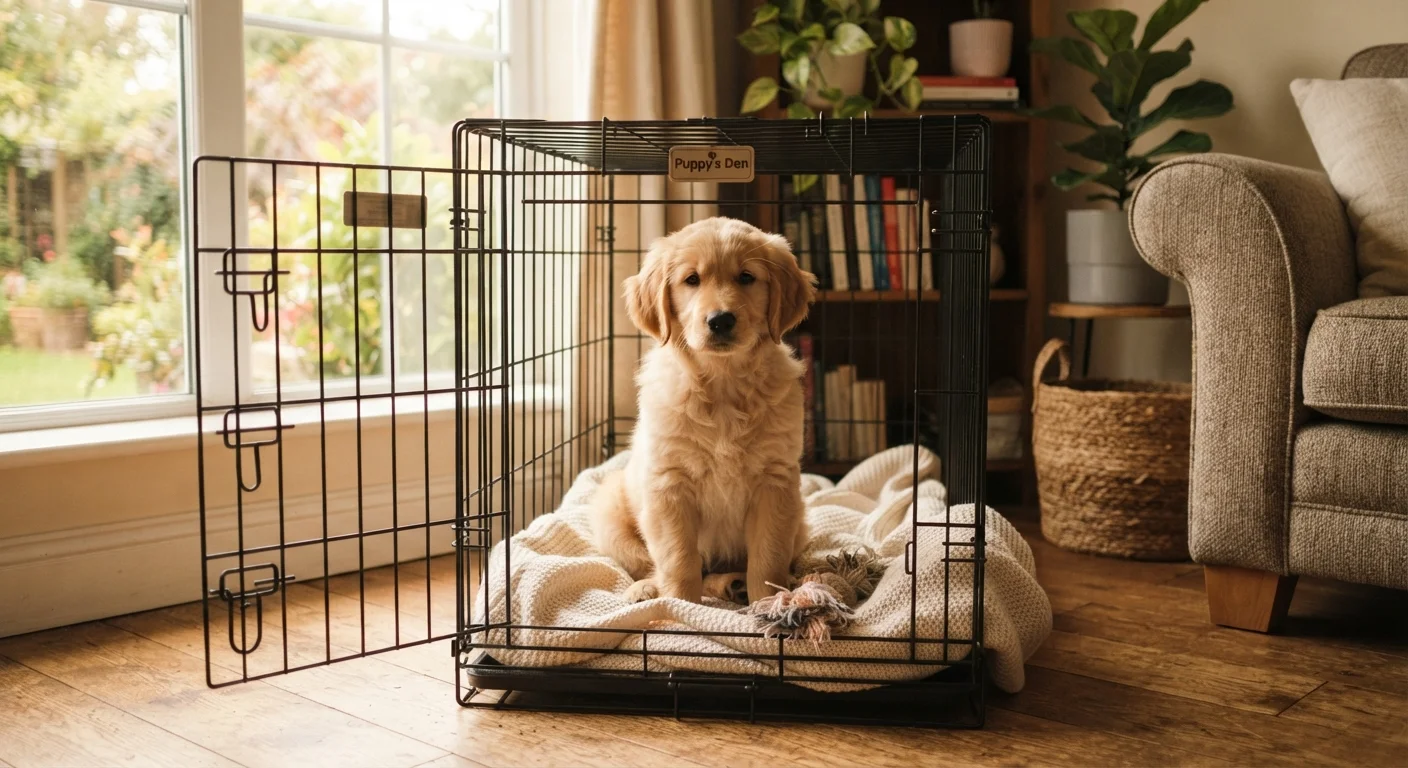
Chewing, nipping, and mischief-making are developmentally normal for young dogs but require consistent redirection, safe containment, and patience to manage without damage.
Adult personality is not yet predictable
Genetics, early environment, and chance all shape who a puppy grows into — even experienced owners cannot fully predict the adult dog's temperament, energy level, or size.
The workload, however, is substantial. Puppies cannot hold their bladder for long stretches, need multiple daily training sessions, and require near-constant supervision to prevent destructive behavior and accidental injury. Sleep disruption in the first few weeks is common. These are not reasons to avoid a puppy, but they are realistic factors to weigh honestly against your current schedule and energy levels. First-time owners can also benefit from reading about things new dog owners get wrong in the first month — many of those missteps are especially common during the puppy phase.
How to Make the Decision That's Right for You
The 'Decompression' Period Is Real for Both
Both adult dogs and puppies need time to decompress when entering a new home. Adult dogs from shelters may be withdrawn, anxious, or atypically quiet for the first few days or even weeks — this is sometimes called the 'three-three-three rule' in rescue communities (three days to decompress, three weeks to learn routine, three months to feel at home). Puppies undergo their own upheaval leaving their litter. Setting realistic expectations about the adjustment timeline prevents unnecessary worry and avoids misreading normal transition behavior as a permanent problem.
A few concrete questions can help clarify the right direction. How many hours per day will the dog be alone? Puppies under six months typically should not be left alone for more than two to three hours at a stretch, according to general veterinary guidance. Do you have children or other pets whose temperaments are already known? Matching an adult dog with a documented history to an existing household is often more predictable than introducing an unknown puppy personality. What's your experience level with dog training?
Visiting a shelter and spending time with adult dogs is a low-pressure way to gauge connection. Many rescue organizations also offer foster-to-adopt programs that allow a trial period before full commitment. Whatever age you choose, diet will be one of your first decisions as an owner — our breakdown of dry kibble vs. wet food can help you navigate feeding choices for any life stage.
~25%
Purebred dogs in shelters
The American Society for the Prevention of Cruelty to Animals (ASPCA) has estimated that approximately 25% of dogs in shelters are purebred, countering the assumption that only mixed breeds are available for adoption.
3–14 weeks
Critical socialization window for puppies
Veterinary behaviorists generally identify the period between 3 and 14 weeks as the most sensitive developmental window for puppy socialization, with experiences during this time having lasting behavioral effects.
This article is for general informational purposes only. For guidance specific to your dog's health, behavior, or medical needs, consult a licensed veterinarian or certified animal behaviorist.