Why Dogs Depend on Routine
Dogs experience time and their environment differently from humans. They rely on predictable cues — the sound of a leash, the smell of breakfast being prepared, or the pattern of your morning movements — to understand what's coming next. When those cues are consistent, dogs feel safe. When they're unpredictable, anxiety, destructive behavior, and excessive barking often follow.
This isn't just anecdotal. Veterinary behaviorists broadly agree that environmental predictability is a core component of canine well-being. If you're just getting started, our guide on bringing a dog home for the first time covers the foundational setup before a routine even begins.
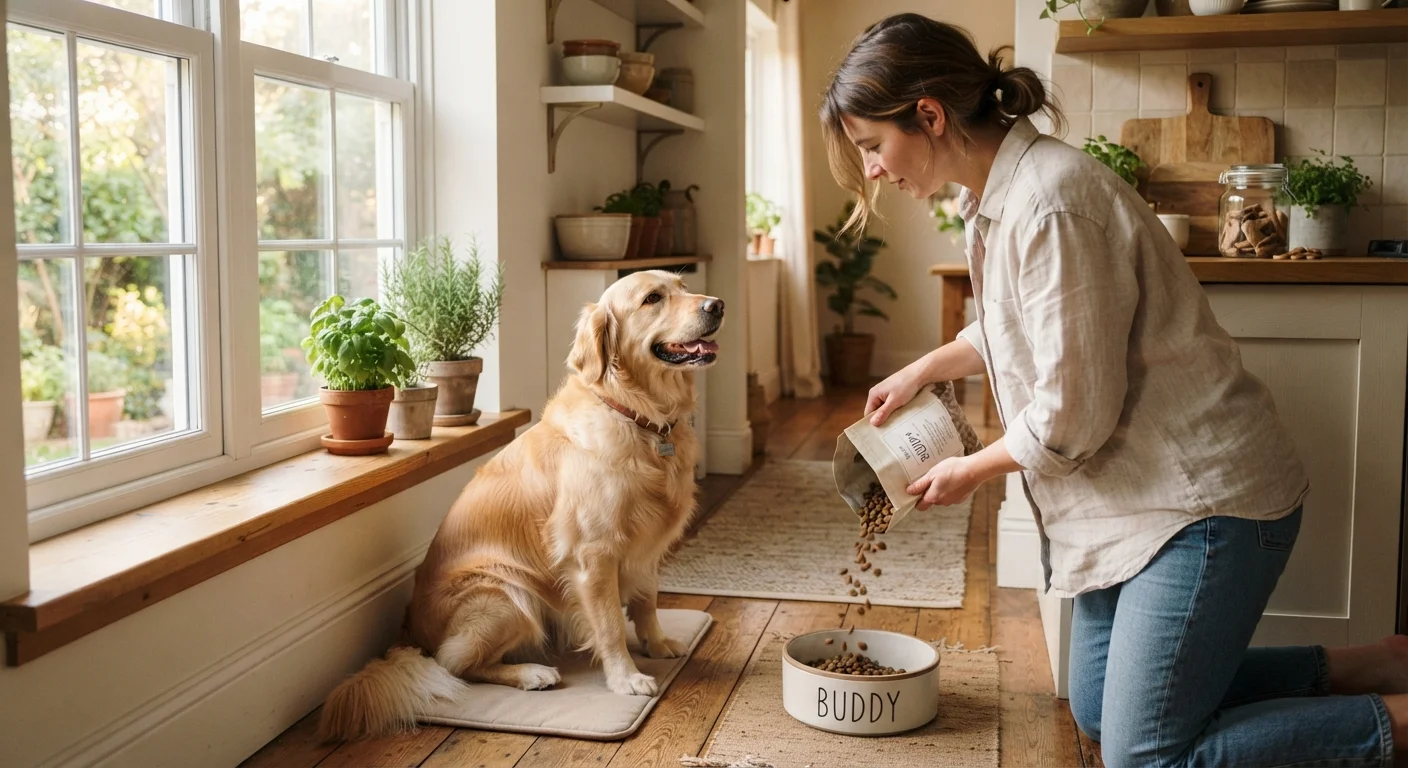
Set feeding times and stick to them within a 30-minute window each day.
Consistent meal timing helps regulate digestion, makes house-training more predictable, and gives your dog a reliable anchor point for the day. Irregular feeding can cause anxiety and digestive upset.
Schedule at least two walks per day at consistent times, not just when it's convenient.
Predictable walk times reduce restlessness and give your dog a reliable outlet for energy and bathroom needs. Dogs that know a walk is coming are calmer in between.
Incorporate a short daily training session into an existing routine moment.
Embedding training into the routine — rather than treating it as optional — ensures it happens consistently and reinforces commands through repetition. Five focused minutes daily beats one long session weekly.
Create a designated rest space your dog returns to at the same time each day.
A consistent rest location and rest period teaches your dog that downtime is a normal part of the day, reducing hyperactivity and attention-seeking behavior between active periods.
Signal transitions with consistent cues, not just timing.
Dogs read behavioral cues as reliably as they read clocks. Repeating the same action before each routine event — picking up a leash, opening a specific cabinet — helps your dog anticipate and accept transitions calmly.
The Four Pillars of a Dog's Daily Schedule
A reliable routine doesn't have to be rigid — it just needs to be recognizable to your dog. Build it around four core categories:
- Feeding: Serve meals at the same times daily. Most adult dogs do well on two meals, while puppies generally need three. Avoid free-feeding (leaving food out all day), as scheduled meals also help with house-training. See what dogs actually need to eat for nutrition guidance.
- Walks and outdoor time: Aim for at least two walks per day — morning and evening at minimum. The length depends on your dog's breed and age, but consistency in timing is what signals routine.
- Play and mental stimulation: Physical exercise alone isn't always enough. Short training sessions, puzzle feeders, or interactive games satisfy a dog's need to think. Our article on keeping a dog mentally stimulated indoors offers low-effort ideas for busy days.
- Rest: Dogs sleep more than most owners expect — between 12 and 14 hours per day on average. Designating a consistent resting space reinforces that downtime is normal and expected.
Routine Needs Vary by Age and Breed
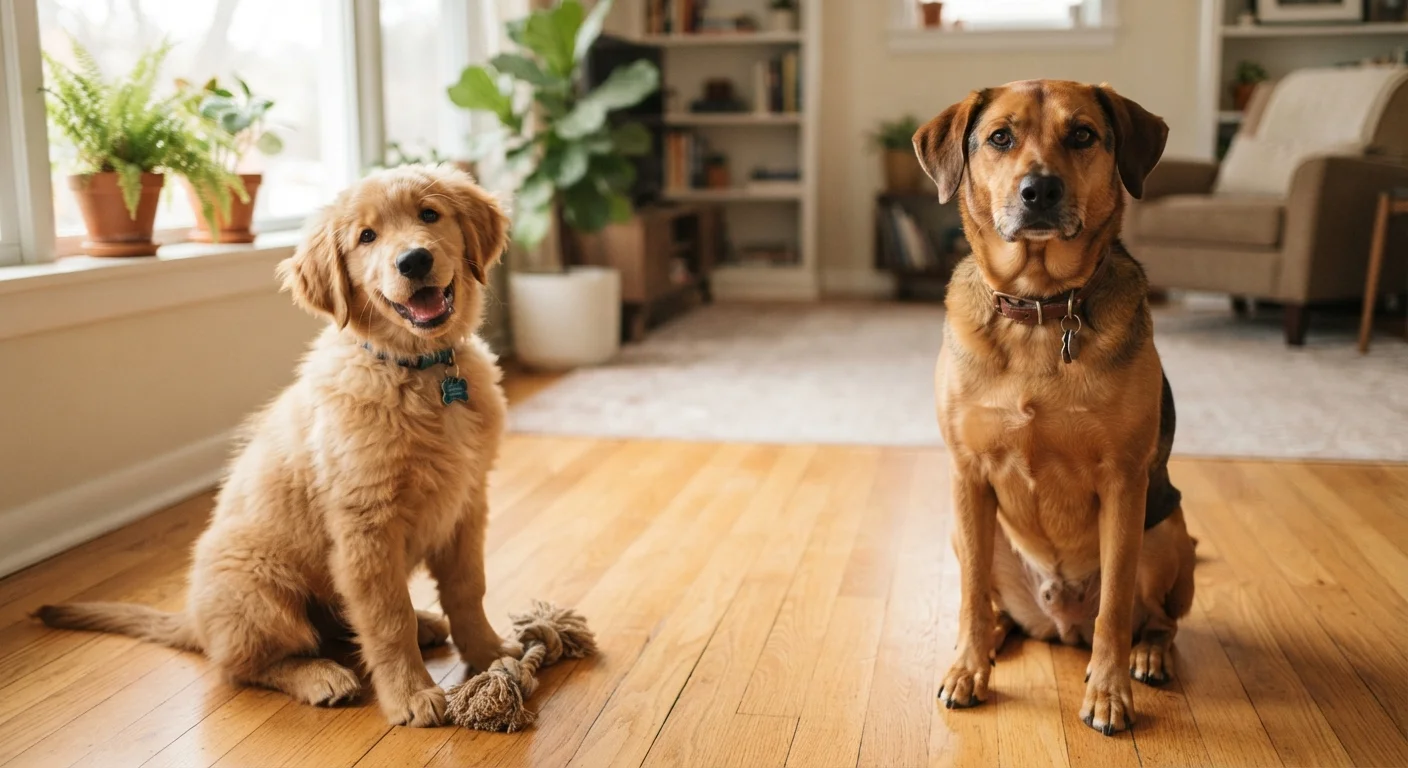
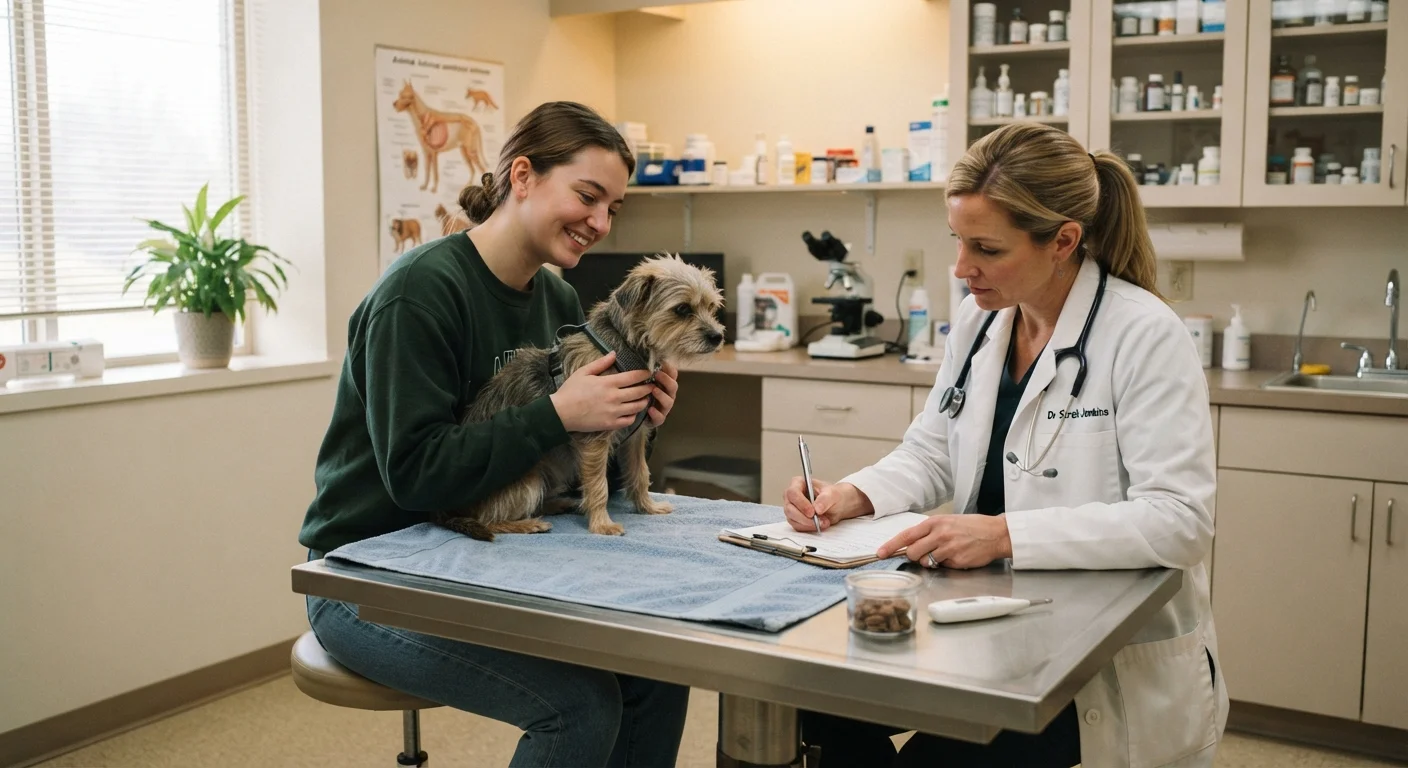
Puppies typically need feeding three times a day and more frequent potty breaks than adult dogs. High-energy breeds require longer or more vigorous exercise sessions than lower-energy counterparts. Always check with your veterinarian about what schedule best fits your dog's specific age, size, and health needs.
Building the Routine Around Your Life
The best dog routine is one you can actually sustain. Start by mapping your existing schedule — wake time, work hours, mealtimes — and slot your dog's needs into natural transition points. Feeding before your own breakfast and walking before or after your commute tends to work well for most owners.
If your schedule varies day to day, aim for consistent windows rather than exact times. Feeding within a 30-minute window each day is far more beneficial than unpredictable timing. Common first-month mistakes often include skipping routine consistency — something easy to correct once you're aware of it.
Adjusting as Your Dog Grows
Routines aren't static. A puppy's schedule — with frequent potty breaks every two to three hours — looks very different from an adult dog's, and a senior dog may need shorter, more frequent walks rather than one long outing. Revisit your routine after major life changes: a new job, a move, or your dog reaching a new life stage all warrant a recalibration.
Training is also easier when it's woven into the routine rather than treated as a separate event. Even five minutes of practice before an evening walk reinforces commands naturally. Our guide on teaching a dog to sit, stay, and come can help you integrate basic training without adding stress to your day.
The goal isn't a perfect schedule — it's a predictable one. Your dog will adapt to your rhythm when that rhythm is reliable, and both of you will benefit from the structure.
This article is for general informational purposes only and does not constitute veterinary advice. Consult your veterinarian for guidance tailored to your dog's individual health and behavioral needs.