Why Mental Stimulation Matters as Much as Walks
Dogs are problem-solving animals. In the wild, they spend significant time sniffing, tracking, and figuring out their environment — activities that engage their brains as much as their muscles. When a dog lives indoors without adequate cognitive challenge, that mental energy has nowhere to go. The result is often chewing, barking, pacing, or other behaviors that owners find frustrating but are really just symptoms of an under-stimulated mind.
Physical activity matters, but it addresses only part of the picture. A dog that gets a solid walk but nothing else mentally engaging during the day may still seem restless or anxious by evening. The good news: many of the most effective enrichment activities are simple, low-cost, and easy to build into a normal day. Building a consistent daily routine that includes mental engagement alongside walks and feeding times makes the whole day work better for both of you.
High-Energy Breeds Need More
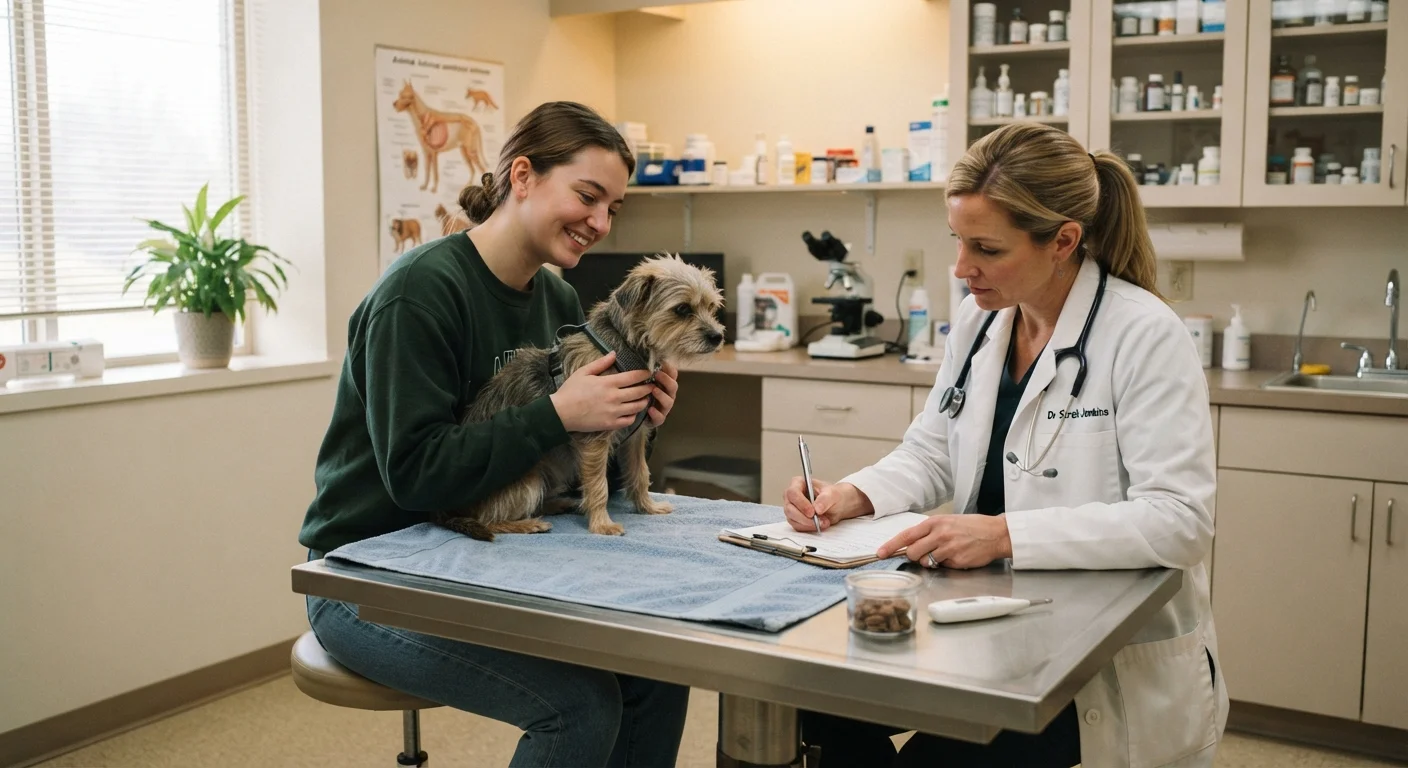
Working breeds, herding dogs, and other high-drive dogs were developed to solve problems and sustain mental effort over long periods. These dogs often need more enrichment than the average pet. If your dog's breed was historically used for a specific job — herding, hunting, guarding — factor that into how much daily mental engagement you plan for. Your veterinarian or a certified animal behaviorist can offer tailored guidance if standard enrichment approaches aren't making a noticeable difference.
Indoor Activities That Challenge Your Dog's Mind
Use food puzzles and slow feeders
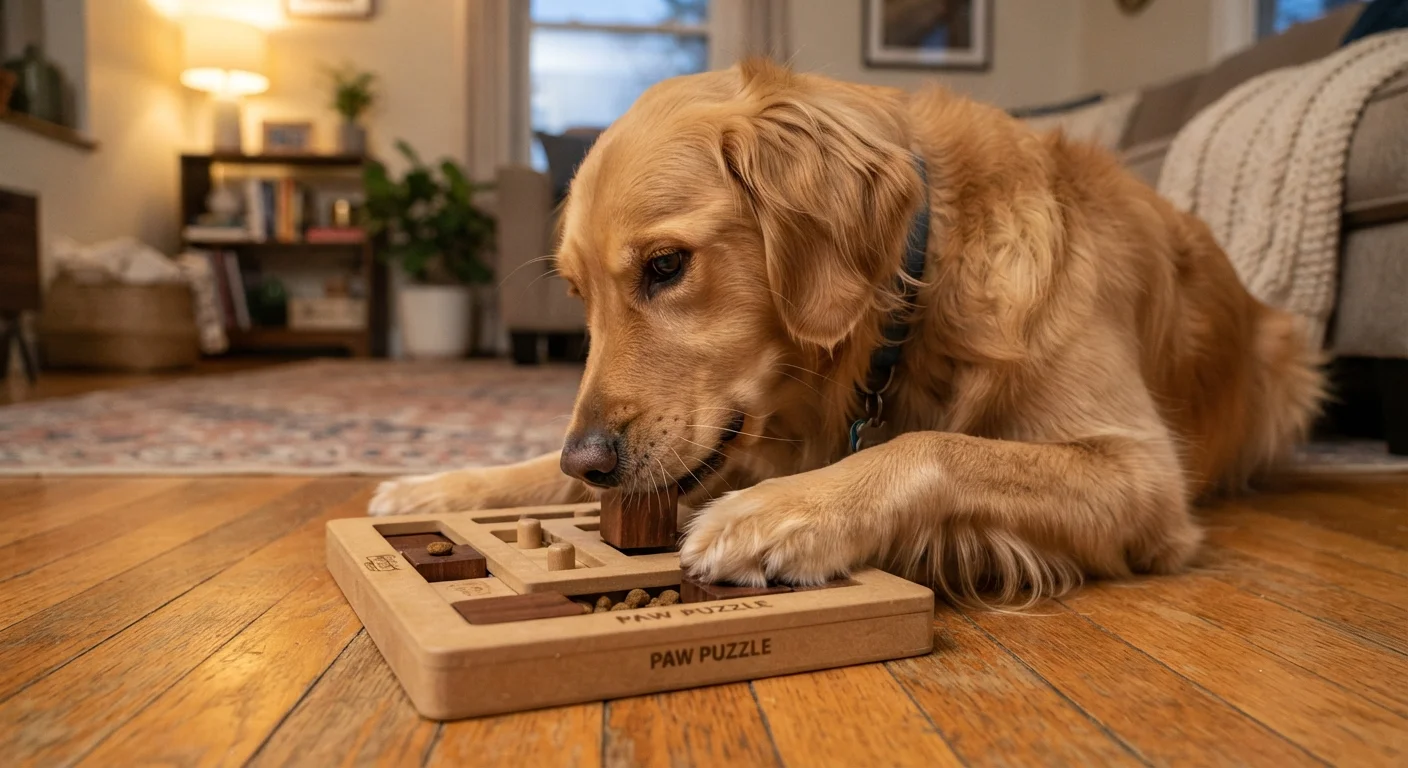
Instead of handing your dog their meal in a standard bowl, make them work for it. Puzzle feeders and slow feeder bowls require a dog to manipulate, nose, or paw at the feeder to access food. This taps into natural foraging instincts and turns an ordinary mealtime into a 5–10 minute cognitive exercise. Start with easier designs and increase difficulty as your dog gets the hang of it.
Turning mealtime into a puzzle is one of the simplest enrichment upgrades you can make.
Practice nose work and scent games
Dogs have an extraordinary sense of smell — far beyond what we can imagine — and using it is genuinely tiring for them. A basic scent game involves hiding small treats or a favorite toy around the room and encouraging your dog to find them using only their nose. You can start simply by hiding treats in a few spots while your dog watches, then gradually make it harder by hiding them out of sight. This mimics natural tracking behavior and many dogs find it deeply satisfying.
Scent work can tire a dog out faster than many physical activities because it requires sustained concentration.
Run short indoor training sessions
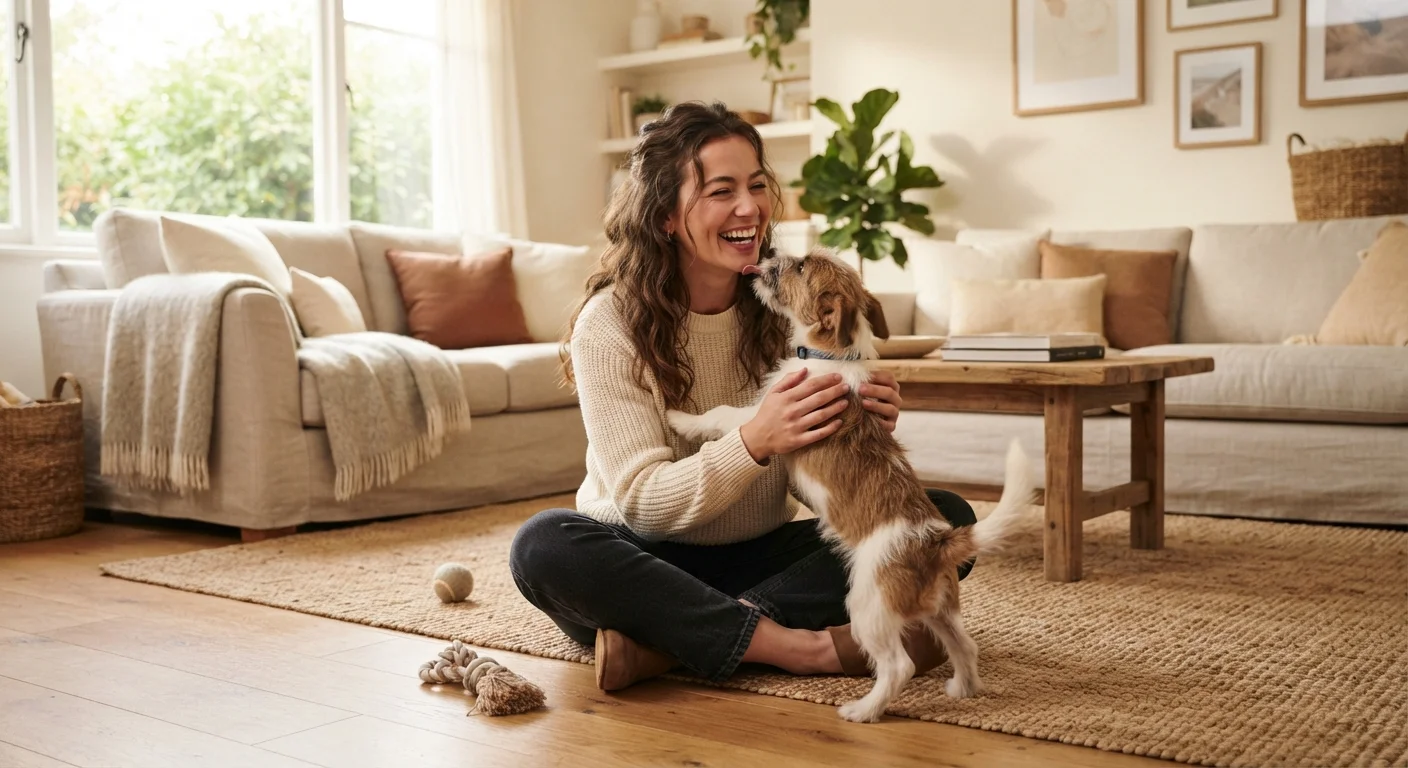
Training isn't just about obedience — it's one of the richest forms of mental engagement available to a dog. Even five minutes of reviewing known commands or introducing a new trick like "spin" or "touch" (where the dog taps your hand with their nose) requires focus, memory, and problem-solving. Keep sessions short and positive. Multiple brief sessions spread across the day are more effective than one long one, and they reinforce your bond at the same time.
Five focused minutes of training can be more tiring for a dog than twenty minutes of free play.
Try the "muffin tin" game
This is a low-cost DIY puzzle that requires almost no setup. Place treats in some cups of a muffin tin, then cover all the cups with tennis balls. Your dog has to sniff out which cups hold treats and remove the balls to get to them. It sounds simple, but for a dog approaching it for the first time, it requires genuine problem-solving. Once they've mastered the basics, you can vary how many treats are hidden to increase unpredictability.
A muffin tin and a few tennis balls are all you need for an engaging DIY puzzle game.
Rotate toys to maintain novelty
Dogs habituate quickly to familiar objects — the chew toy that was exciting on Monday might be completely ignored by Thursday. Rotating toys in and out of circulation, rather than leaving all of them available at once, resets that novelty effect. Keep a few items put away and swap them in every few days. When a "new" toy reappears, your dog engages with it more actively, which naturally extends play time and cognitive engagement without you doing anything extra.
Rotating toys back into play after a few days makes them feel new again to your dog.
Let your dog "earn" their meals through structured activity
Some dogs respond well to having all or part of their daily food ration delivered through activity rather than a bowl. This could mean using a Kong stuffed with their regular food, scattering kibble in a snuffle mat, or working through a training session where treats count toward their daily intake. Portion management is important here — account for any treats used in enrichment as part of the total daily food amount. For a clear overview of how nutrition and portion sizing work, see our piece on what dogs actually need to eat.
Delivering meals through activity rather than a bowl adds enrichment without adding extra calories.
Start Simple, Then Build Difficulty
If your dog is new to enrichment activities, introduce one type at a time and keep the challenge level easy at first. Frustration from tasks that are too hard can cause a dog to disengage entirely. Once your dog is consistently succeeding, that's your cue to raise the bar slightly — more hiding spots, harder puzzles, longer nose work sessions.
These activities work across most breeds and ages — though very young puppies and senior dogs with mobility limitations may need gentler versions. When in doubt about what's appropriate for your dog's age or health status, a quick check with your veterinarian is always worth it.
If you're also working on basic obedience, the skills involved in these enrichment sessions pair naturally with formal training. Our guide on teaching sit, stay, and come covers reward-based methods that complement the approaches here.
This article provides general pet care information for educational purposes only. Consult a licensed veterinarian for advice specific to your dog's health, age, or behavior.