Why 'Any Vet' Isn't Enough for Small Pets
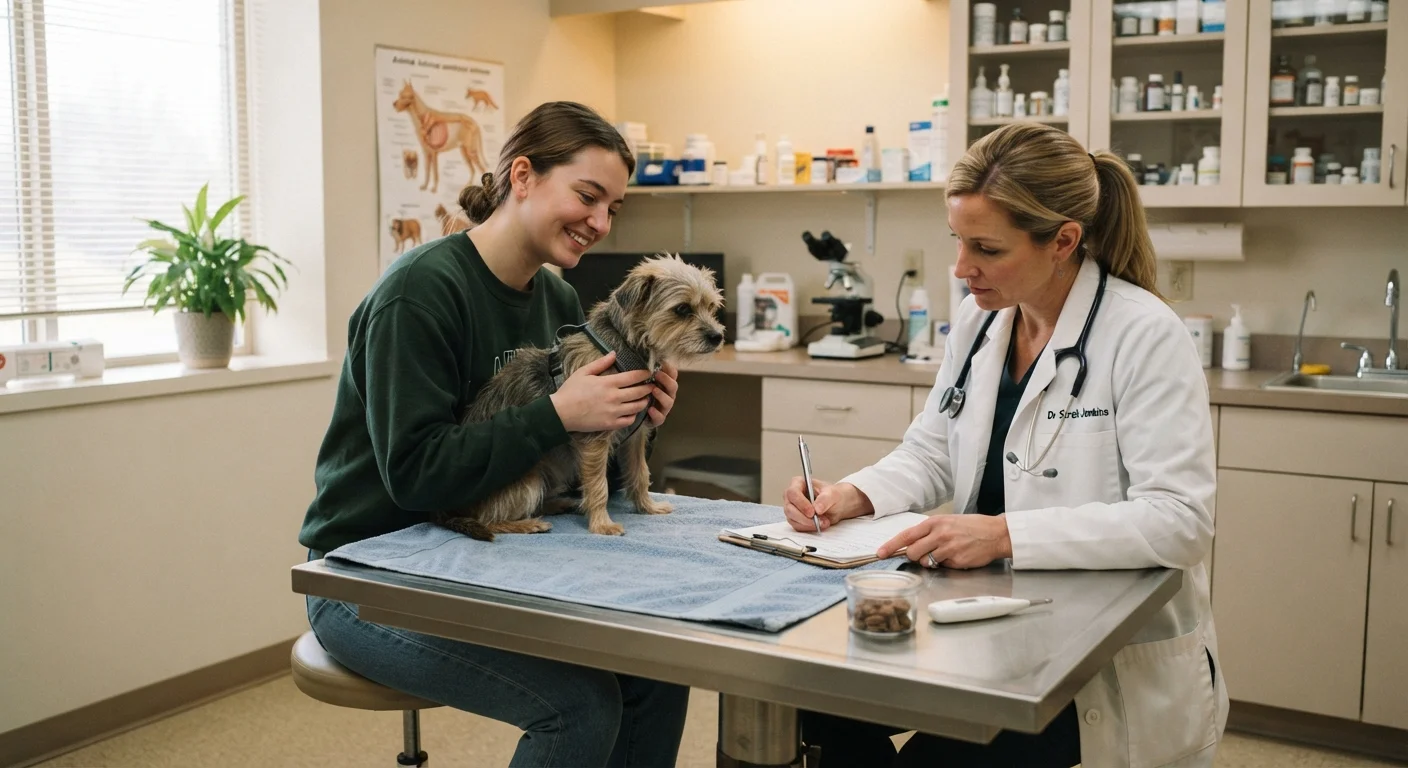
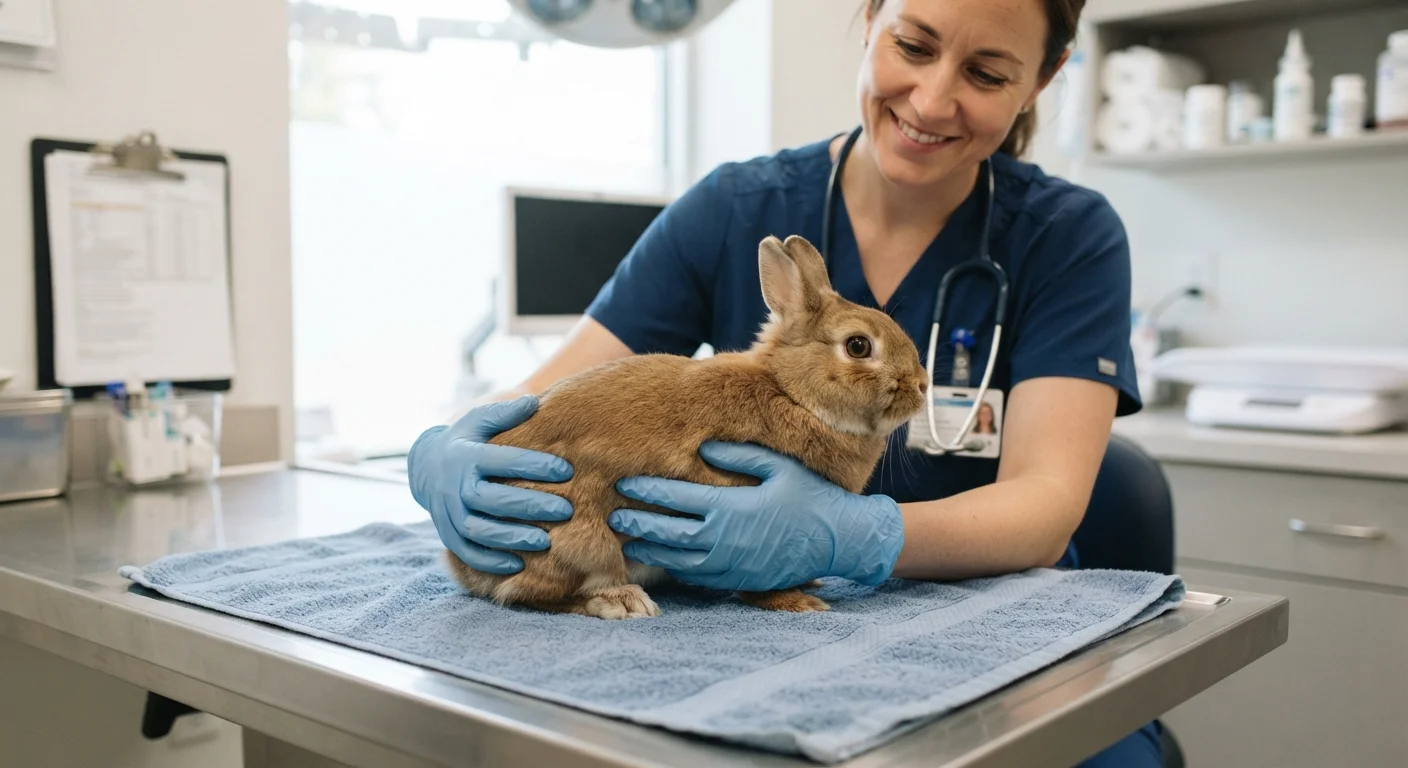
Many first-time small-pet owners assume any veterinary clinic can handle their rabbit, guinea pig, or hamster. In reality, these animals are classified as exotic species in veterinary medicine, meaning their anatomy, physiology, and common health problems differ significantly from dogs and cats. A veterinarian without hands-on exotic-animal training may lack the diagnostic experience to spot a GI stasis in a rabbit or a respiratory infection in a guinea pig before it becomes life-threatening.
Before you even bring a small pet home, locating an appropriate vet should be on your to-do list. If you're still in the planning stage, our pre-adoption readiness checklist walks through exactly this kind of preparation.
Exotic vs. Conventional Veterinary Practice
The term 'exotic animal vet' refers to veterinarians who specialize in species outside the traditional dog-and-cat scope, including rabbits, guinea pigs, hamsters, ferrets, and reptiles. Not all clinics advertising 'small animal' care include exotic species — in many practices, 'small animal' simply means dogs and cats rather than large livestock. Always confirm with the clinic directly which species they treat.
Key Qualifications to Look For
When evaluating a veterinary practice, focus on these markers of genuine small-animal expertise:
Confirm the veterinarian has documented exotic or small-mammal training.
General veterinary education focuses heavily on dogs and cats. Exotic-animal training — whether through a residency, continuing education, or a dedicated caseload — equips vets with the species-specific knowledge small pets require. Without it, subtle but serious conditions can be missed.
Look for a clinic that regularly sees your specific species.
Treating a guinea pig is not the same as treating a hamster, and neither is the same as treating a rabbit. Regular, species-specific caseloads keep diagnostic and handling skills current in ways that occasional visits simply do not.
Verify the clinic has appropriate diagnostic equipment for small animals.
Standard dog-and-cat equipment — including anesthesia masks, blood pressure cuffs, and imaging settings — is often poorly scaled for animals weighing under two pounds. Species-appropriate tools reduce procedural risk significantly.
Assess after-hours and emergency coverage options.
Small pets can go from apparently healthy to critically ill within hours. Knowing in advance where to turn during an off-hours emergency — whether the clinic offers it or partners with a 24-hour exotic animal hospital — can make the difference in an urgent situation.
Questions to Ask Before You Commit
A confident, knowledgeable clinic will welcome your questions. If a practice seems dismissive when you ask about their experience with your specific species, treat that as a red flag. Here are the most useful things to ask:
- "How many rabbits (or guinea pigs, or hamsters) do you see each month?" — Volume of patients matters; frequent practice keeps clinical skills sharp.
- "Do you have equipment scaled for small animals?" — Standard dog-and-cat equipment can be dangerous or inadequate for tiny patients.
- "Who covers emergencies after hours?" — Small pets can deteriorate rapidly; knowing your options in advance is critical.
- "What is your approach to pain management in small mammals?" — This question reveals depth of training quickly.
“Exotic animals are often stoic by nature — they hide signs of illness as a survival mechanism. By the time an owner notices something is wrong, the disease may already be advanced. Regular veterinary monitoring is the most powerful tool we have.”
— Association of Exotic Mammal Veterinarians, Professional veterinary organization specializing in exotic mammal medicine
For rabbit owners specifically, our guide on rabbit care from day one covers how to structure that very first vet visit and what to bring along.
Practical Steps to Find a Qualified Exotic Vet
Finding the right clinic takes a little legwork, but it's worth the effort before a health emergency strikes.
If you own a hamster, keep in mind that species differences affect health needs. Our comparison of Syrian vs. dwarf hamster care includes notes on species-specific health concerns to discuss with your vet.
~6M
Small mammals kept as pets in US households
According to the American Pet Products Association's National Pet Owners Survey, approximately 6 million small animals — including rabbits, hamsters, and guinea pigs — are kept as pets in the US.
Up to 40%
Rabbit health problems linked to dental disease
Veterinary literature on rabbit medicine frequently cites dental malocclusion as one of the most common and preventable causes of illness, often detectable only during a hands-on exam.
Building a Long-Term Relationship With Your Vet
The best veterinary relationship is ongoing, not reactive. Schedule annual wellness exams even when your pet seems fine — small animals instinctively hide illness, and routine checkups allow your vet to establish baseline values for weight, dental health, and organ function. Bring a written list of behavioral changes, diet shifts, or anything unusual you've noticed at home, no matter how minor it seems.
Enrichment and mental health also feed into overall wellness. A good vet will appreciate that you're thinking holistically — explore our enrichment ideas for small pets to keep your animal stimulated between visits.
Keep a Simple Health Log for Your Pet
Jot down your small pet's weight (a kitchen scale works well), food and water intake, and any behavioral changes weekly. This record becomes invaluable during vet appointments, helping your veterinarian spot trends that might otherwise go unnoticed. Even a notes app on your phone works perfectly.
This article is for general informational purposes only and is not a substitute for professional veterinary advice. Always consult a licensed veterinarian for guidance specific to your pet's health and species.