Why a Readiness Checklist Matters Before Adoption
Small pets are often marketed as low-effort starter animals, but rabbits, guinea pigs, hamsters, and even fish have specific needs that require genuine preparation. Skipping that groundwork is the most common reason new owners feel overwhelmed — or why pets end up surrendered within weeks of adoption.
Not sure which animal is the right fit yet? Our guide on matching the right small pet to your lifestyle can help you decide before you commit. Once you have a species in mind, use this checklist to confirm you are genuinely ready to bring one home.
Work through each group below and be honest with yourself. If you find gaps, treat them as action items — not dealbreakers. Most can be resolved with a bit of research and planning.
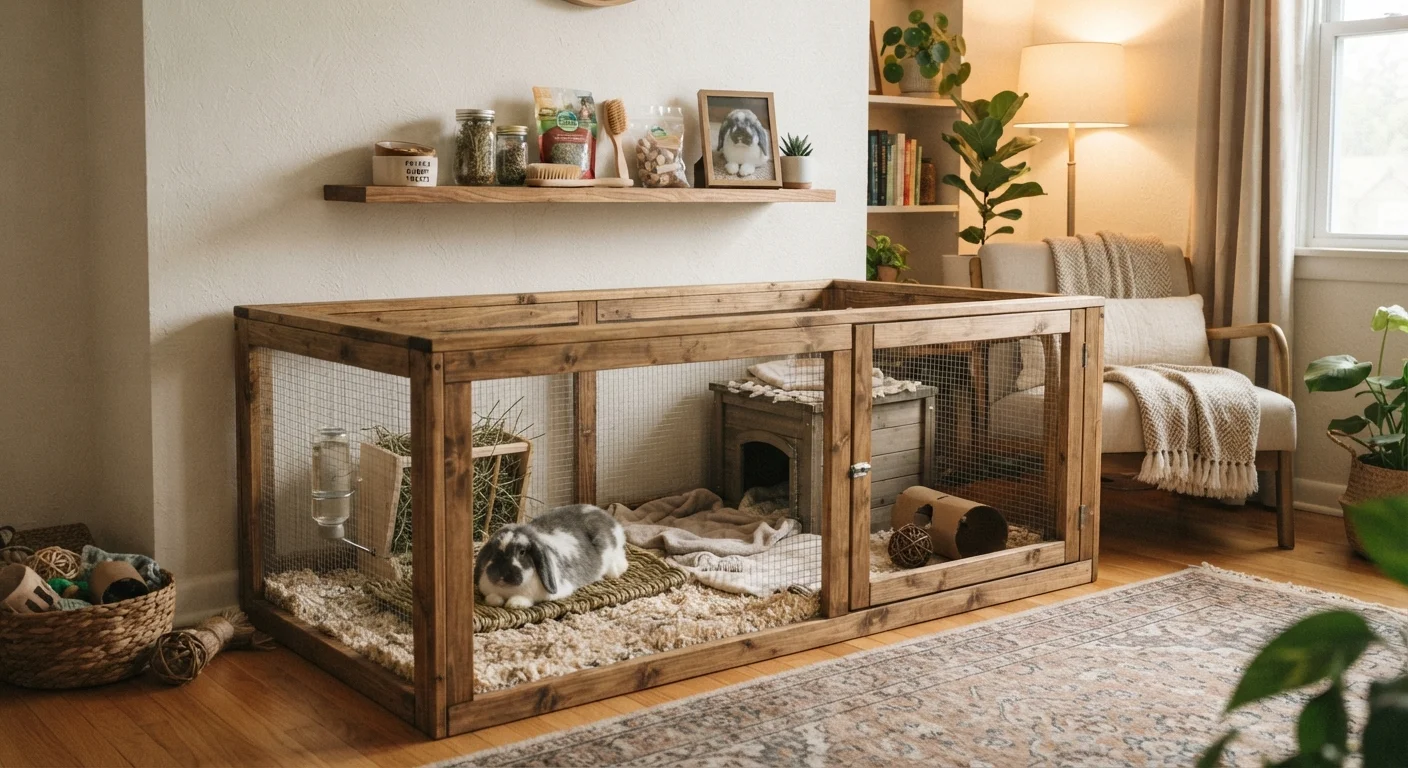
Species-Appropriate Enclosure
Provides the primary living space — size and design requirements differ significantly between rabbits, guinea pigs, hamsters, and fish.
Correct Staple Diet & Hay (for mammals)
Forms the nutritional foundation; fiber-rich hay is critical for the digestive health of rabbits and guinea pigs.
Bedding Material
Lines the enclosure floor for comfort and hygiene; type varies by species and must be free of respiratory irritants.
Water Source (bottle or bowl)
Ensures constant access to fresh water, which is essential for every small pet species.
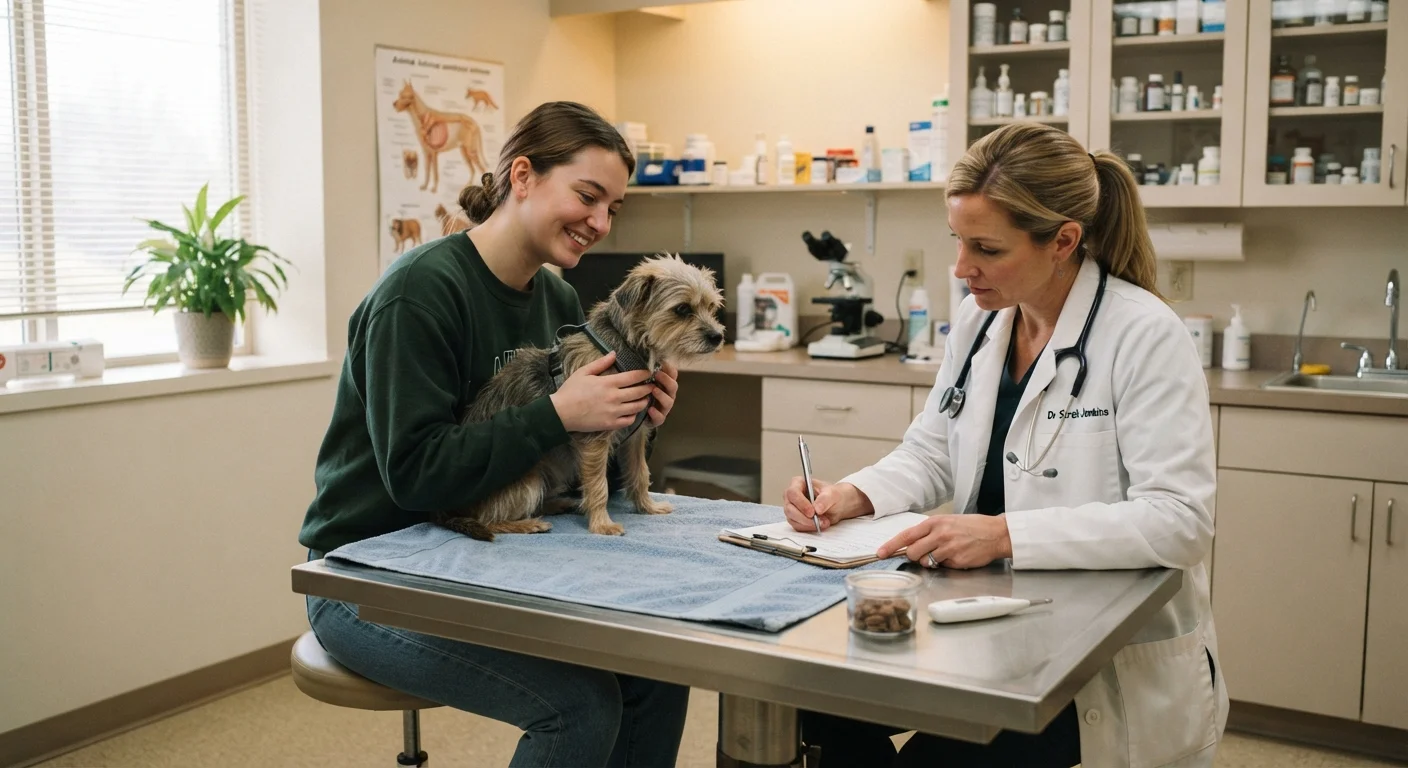
Exotic-Animal Veterinarian Contact
Provides species-appropriate medical care; general-practice vets may not be qualified to treat small mammals or fish.
Enrichment Items (wheel, tunnels, chews)
Supports mental stimulation and natural behaviors, reducing stress and boredom-related health problems.
The Full Readiness Checklist
This checklist covers the four areas where new small-pet owners are most likely to be underprepared: habitat setup, veterinary access, daily care routines, and household safety. Items marked must are non-negotiable for your pet's welfare. Should items are strongly recommended, and nice-to-have items improve quality of life for both of you.
Habitat & Enclosure
Food, Water & Supplies
Veterinary Access & Health
Daily Care & Household Safety
Exotic Vet Access Is Non-Negotiable
Rabbits, guinea pigs, and hamsters cannot be seen by just any veterinary clinic. Many general-practice vets do not have the training or equipment to treat these species. If you cannot locate an exotic-animal vet in your area before adopting, that is a genuine barrier to responsible ownership — not a detail to sort out later. Confirm vet access first.
For rabbit-specific habitat guidance, see our detailed walkthrough on setting up a rabbit-safe living space indoors. Guinea pig and hamster owners should cross-reference enclosure size guidelines from a reputable exotic animal organization or their veterinarian, since commercially sold cages are frequently undersized.
Once the basics are in place, don't overlook mental stimulation. Our article on enrichment ideas for small pets covers practical activities that go well beyond a standard cage setup.
Pet Store Cage Sizes Are Often Inadequate
Commercially sold enclosures marketed for hamsters, rabbits, and guinea pigs are frequently too small to support healthy behavior and movement. Before purchasing any habitat, cross-reference sizing recommendations from an established exotic animal welfare organization. An undersized enclosure is one of the leading sources of stress and health problems in small pets.
"Low Maintenance" Is Rarely Accurate
Small pets are often described as easy starter animals, but rabbits can live 8–12 years, guinea pigs 5–7 years, and hamsters 2–3 years — all with daily care needs. Before adopting, read an honest assessment of what ongoing care actually involves. Our article on rabbits as pets: the honest trade-offs is a useful starting point for prospective rabbit owners.
Finding the Right Veterinarian Before You Need One
One of the most overlooked pre-adoption steps is locating a qualified vet. Rabbits, guinea pigs, and hamsters are considered exotic animals in veterinary terms, meaning most general-practice clinics are not equipped to treat them. You need a vet with exotic-animal or small-mammal experience — and you need to find one before your pet gets sick.
Our guide on what to look for in a small-animal veterinarian walks through the specific questions to ask and credentials to look for when evaluating a clinic. At minimum, confirm the practice sees your species, has an exotic-trained vet on staff, and has after-hours or emergency referral options.
Plan for a wellness visit within the first week of adoption. This establishes a baseline health record and gives you a professional assessment of your new pet's condition — especially important if you're adopting from a shelter or rescue where full health history may be unknown.
It's also worth knowing the early warning signs that something is wrong. Small animals are prey species and instinctively hide illness. Learn more about how small pets experience stress so you can catch problems before they become emergencies.