
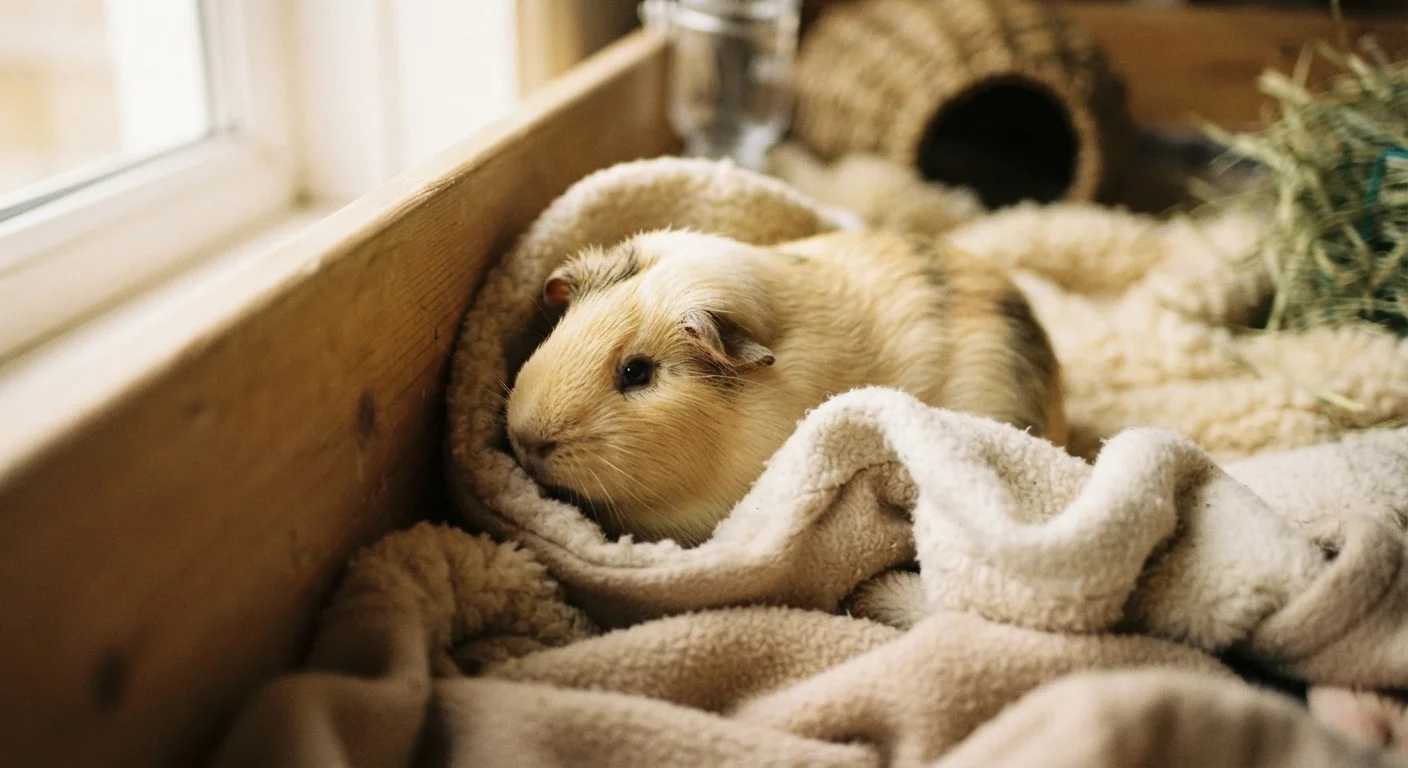
Why Small Pets Are Wired to Hide Stress
Rabbits, hamsters, and guinea pigs share an important trait: in the wild, they are all prey animals. Showing signs of weakness — limping, trembling, acting lethargic — signals vulnerability to predators. Evolution has shaped these animals to suppress outward distress as a survival mechanism, which creates a real challenge for owners trying to gauge their pet's wellbeing.
This is fundamentally different from dogs or cats, which are more likely to communicate discomfort vocally or seek attention. A small pet experiencing significant stress may simply sit quietly in a corner. To an untrained eye, that looks like rest. To an informed owner, it can be a red flag.
Understanding this wiring is the starting point. You are not watching for dramatic distress — you are watching for deviations from your individual pet's normal behavior. That requires knowing what "normal" looks like first.
Establish a Behavioral Baseline Early
The best time to learn what "normal" looks like for your pet is during their first few settled weeks at home. Spend a few minutes each day observing their activity patterns, appetite, and social behavior without interacting. This baseline makes it much easier to spot early deviations that signal stress or illness.
Behavioral Signs That Are Easy to Miss
Behavior changes are usually the earliest indicators of stress — often appearing before any physical symptoms. Here are the most commonly overlooked signals across species:
- Freezing or excessive stillness: A rabbit or guinea pig that stays motionless for extended periods, especially with flattened ears or a tense body, is likely in a heightened alert or fear state — not simply relaxing.
- Repetitive movements: Hamsters under stress frequently pace the same path along cage walls or chew bars obsessively. This stereotypic behavior (repetitive, seemingly purposeless movement) is a recognized welfare concern in small mammals.
- Hiding more than usual: All three species use shelters, but a pet that refuses to come out even during established active periods is signaling something is off.
- Aggression or sudden skittishness: A previously calm animal that begins biting, lunging, or fleeing at your approach may be overwhelmed by its environment.
- Changes in vocalization: Guinea pigs are the most vocal of these three species — a sudden drop in their usual chattering, or conversely, constant teeth chattering, warrants attention. See our guide to guinea pig body language for a full breakdown of what their sounds mean.
Physical Signs and What They Indicate
When behavioral changes go unaddressed, physical signs often follow. These can indicate that stress has become chronic or that an underlying illness has developed alongside it:
- Changes in eating or drinking: Stress commonly suppresses appetite. For rabbits especially, even a brief stop in eating can indicate a serious digestive problem called GI stasis, which requires prompt veterinary attention.
- Over-grooming or under-grooming: A guinea pig or rabbit that obsessively grooms one area — or that stops grooming entirely and develops a rough coat — may be chronically stressed.
- Loose stools or reduced fecal output: Gut motility in small animals is highly sensitive to stress hormones. Any significant change in stool consistency or frequency is meaningful.
- Weight loss: Because small animals eat frequently, weight loss can occur quickly. A pet that feels lighter than usual when held should be seen by a vet.
~80%
Small pet stress cases linked to environment
Animal welfare researchers generally estimate that the majority of behavioral problems in captive small mammals trace back to husbandry and environmental factors rather than innate temperament.
2–4x
Minimum recommended hamster wheel diameter vs. common retail sizes
Many commonly sold hamster wheels are considered undersized by small-animal welfare organizations, which can contribute to stress and physical harm in adult hamsters.
If physical symptoms appear, environmental adjustments alone are not enough — consult a qualified exotic-animal veterinarian. See our article on what to look for in a small-animal veterinarian to find the right kind of care provider for these species.
Common Stress Triggers and How to Address Them
Most stress in small pets traces back to identifiable environmental factors. Knowing the most common culprits helps you address the root cause rather than only the symptoms:
- Noise and vibration
- Small animals have sensitive hearing. Enclosures placed near televisions, speakers, washing machines, or heavy foot traffic expose pets to chronic low-level stress. Move the enclosure to a quieter area if possible.
- Inadequate space
- Undersized enclosures are one of the leading causes of stress and stereotypic behavior in hamsters and guinea pigs. If your pet is showing repetitive movements, evaluate whether the housing meets current welfare guidelines for its species.
- Improper social setup
- Guinea pigs are highly social and generally suffer alone; rabbits benefit from bonded companions. Hamsters, by contrast, are usually solitary — housing two Syrian hamsters together creates significant stress and conflict. Our guide to Syrian vs. dwarf hamster care covers the social differences in detail.
- Lack of enrichment
- Boredom and under-stimulation contribute to stress just as environmental threats do. Enrichment ideas for small pets can make a measurable difference in daily behavior and temperament.
- Irregular routine
- Small animals thrive on predictability. Inconsistent feeding times, erratic handling, or frequent rearrangement of their enclosure removes their sense of control over their environment.
New Pets Need an Adjustment Period
It's normal for a newly adopted small pet to show some stress behaviors — hiding, reduced appetite, or skittishness — for the first one to two weeks as they acclimate. Avoid over-handling during this period and let the animal explore and settle at its own pace. Persistent signs beyond a few weeks, or any physical symptoms, should be evaluated by a vet. Our small pet readiness checklist covers what to prepare before and during this transition.
This article is for general informational purposes only and is not a substitute for veterinary advice. If your pet shows persistent signs of stress or any physical symptoms, consult a qualified exotic-animal veterinarian.