
Why Seasonal Maintenance Is Worth Your Time
Extreme temperatures - whether below freezing or above 95°F - stress virtually every system in your vehicle simultaneously. Batteries struggle to deliver cold-cranking amps in January. Coolant systems face boil-over risk in August. Tires lose or gain pressure with every significant temperature swing. The result of ignoring these shifts is rarely dramatic at first, but small failures compound quietly until something gives out at the worst possible moment.
The good news is that most seasonal preparation takes under an hour and costs very little when done proactively. The tasks below are organized by season, with priority levels so you know what to handle first. For a deeper look at the fluids involved, see our Car Fluids 101 guide. If you want to go further on tires specifically, our complete tire guide covers pressure, tread, and rotation in detail.
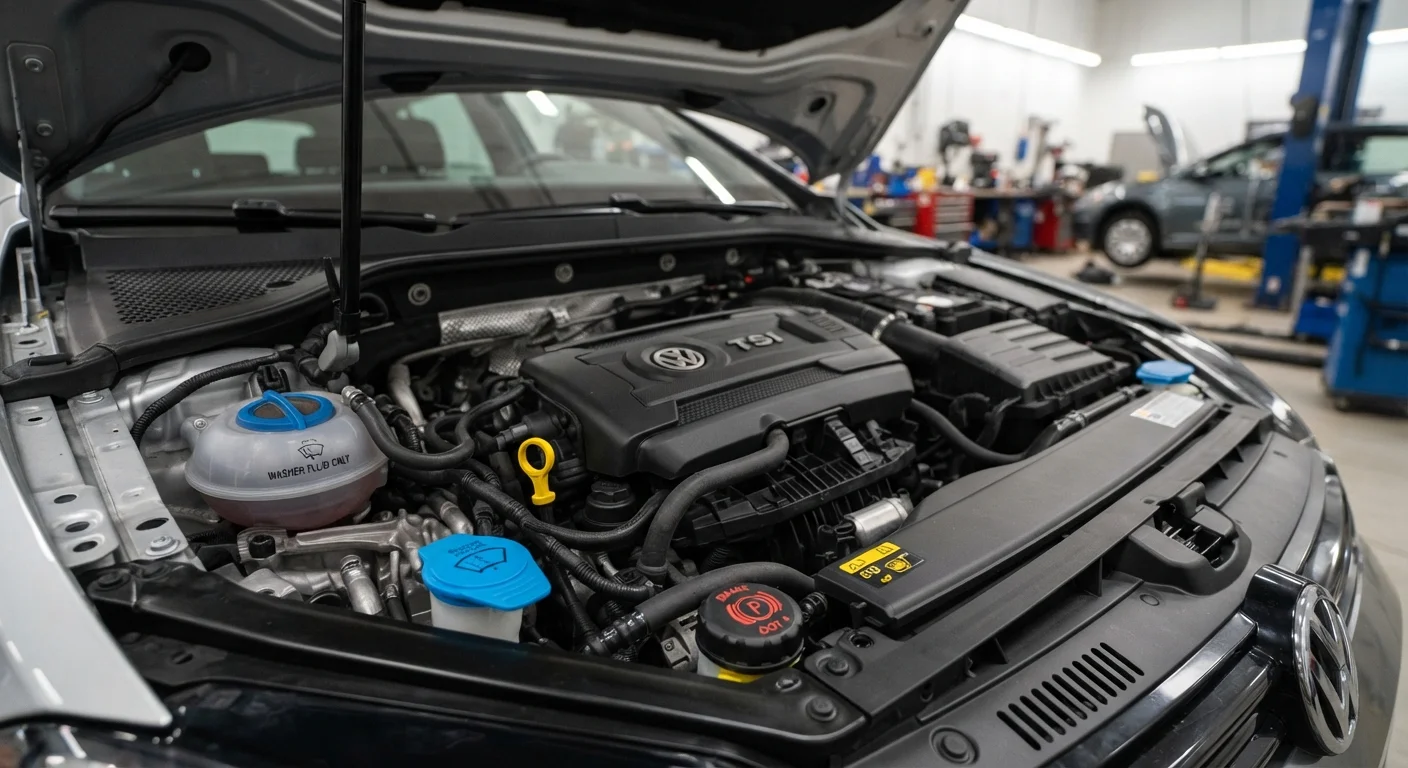
Don't Open a Hot Radiator Cap
Checking coolant while the engine is warm or hot can cause pressurized fluid to spray out, resulting in serious burns. Always allow the engine to cool completely - at least 30 minutes - before opening the coolant reservoir or radiator cap. If in doubt, have a qualified mechanic handle coolant system checks.
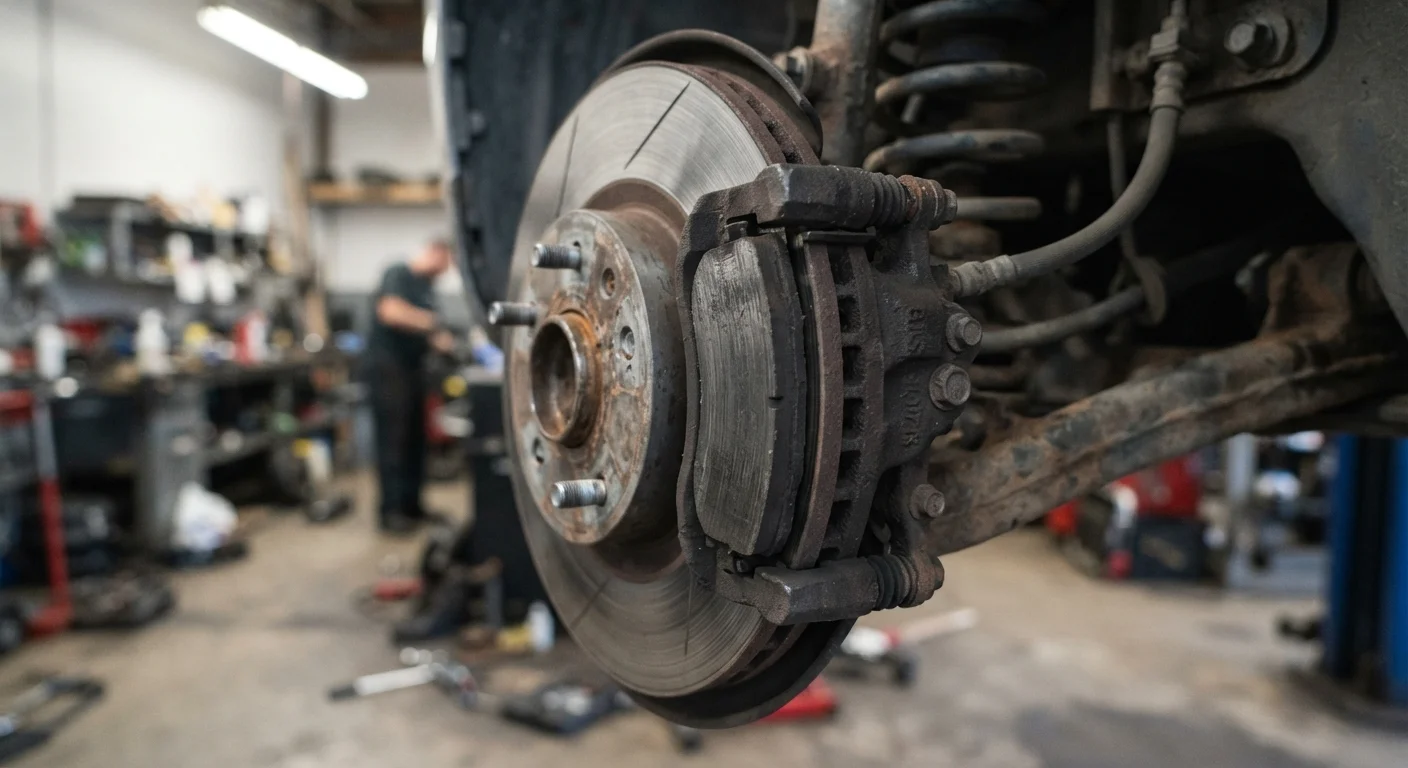
Brake Work Is Not a DIY Grey Area
Inspecting brake pad thickness visually is reasonable for most drivers, but replacing pads, rotors, or flushing brake lines involves safety-critical systems. Unless you have hands-on mechanical experience, leave brake servicing to a qualified technician. Improperly installed brakes can fail without warning.
What You'll Need
Most of these checks require only basic tools you may already own or can pick up inexpensively at any auto parts store. Having the right equipment means you can complete this checklist accurately rather than guessing.
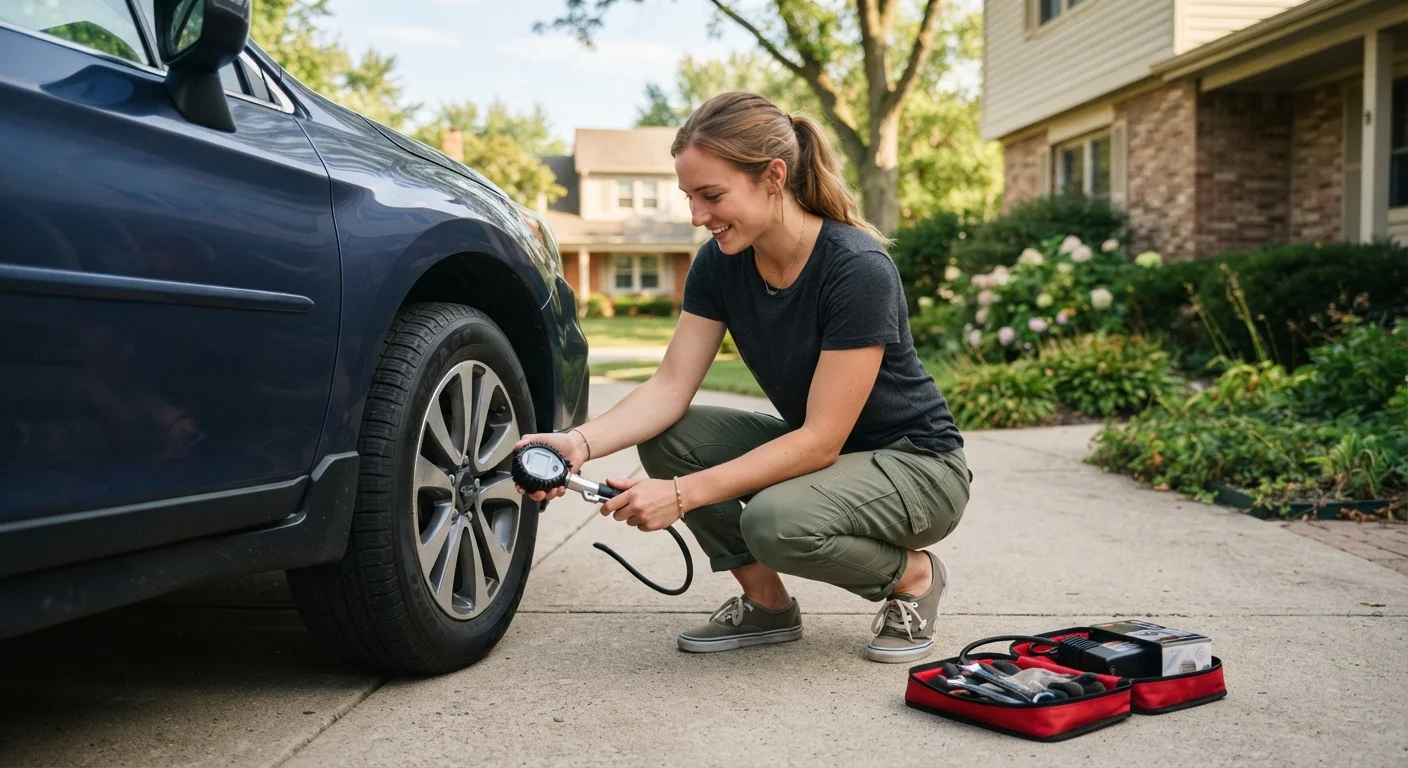
Tire pressure gauge
Measures current PSI in each tire so you can adjust to the manufacturer's recommended level before seasonal temperature swings.
Coolant tester strips or refractometer
Quickly checks the freeze and boil protection level of your engine coolant without draining the system.
Battery load tester
Evaluates whether your battery can hold a charge under real-world demand - particularly important before winter or extended summer heat.
Tread depth gauge
Provides a precise measurement of remaining tire tread, more reliable than the penny test for borderline tires.
Flashlight or headlamp
Helps you clearly inspect undercarriage components, hoses, and belts in low-light or cramped conditions.
Owner's manual
Lists the exact fluid specifications, viscosity ratings, and service intervals specific to your vehicle's make, model, and year.
Many of these items also belong in a general DIY toolkit. For a broader look at what routine tasks you can handle at home, see our guide on DIY car maintenance tasks.
The Seasonal Maintenance Checklist
Work through the checklist that matches your upcoming season. Items marked must are non-negotiable for safe operation. Items marked should are strongly recommended and prevent common failures. Items marked nice to have are useful enhancements if time and budget allow.
Winter Preparation
Summer Preparation
Your Owner's Manual Is the Authority
Generic maintenance timelines are useful starting points, but your vehicle's owner's manual contains the exact specifications - oil viscosity, coolant type, fluid capacities, and service intervals - that engineers designed your car around. Following those specifications, not general internet advice, is the most reliable way to protect your investment and stay safe on the road.
Once you've run through these checks, record what you did and what you found. A consistent vehicle maintenance log helps you spot wear patterns over time and can provide useful service history if you ever sell the vehicle.
Battery and Electrical: The Overlooked Priority
Battery failure is one of the most common causes of seasonal breakdowns - and one of the most preventable. Cold temperatures reduce a battery's ability to deliver power just as the engine demands more effort to turn over. Heat, meanwhile, accelerates internal corrosion and fluid evaporation inside the battery casing. A battery that seems fine in mild weather can fail decisively when temperatures hit either extreme.
If your battery is approaching three years old, a load test - available free at most auto parts stores - will tell you whether it's still holding up. Don't wait for a no-start situation to find out. Our article on how a car battery actually ages walks through the warning signs in more detail.
After you've prepared your car for the season ahead, it's worth applying the same forward-thinking approach to your trips. The pre-departure checklist for travelers pairs well with seasonal car prep if you're planning a road trip. And for daily readiness, our pre-trip safety checklist is worth bookmarking as a quick reference.