What Each Component Actually Does
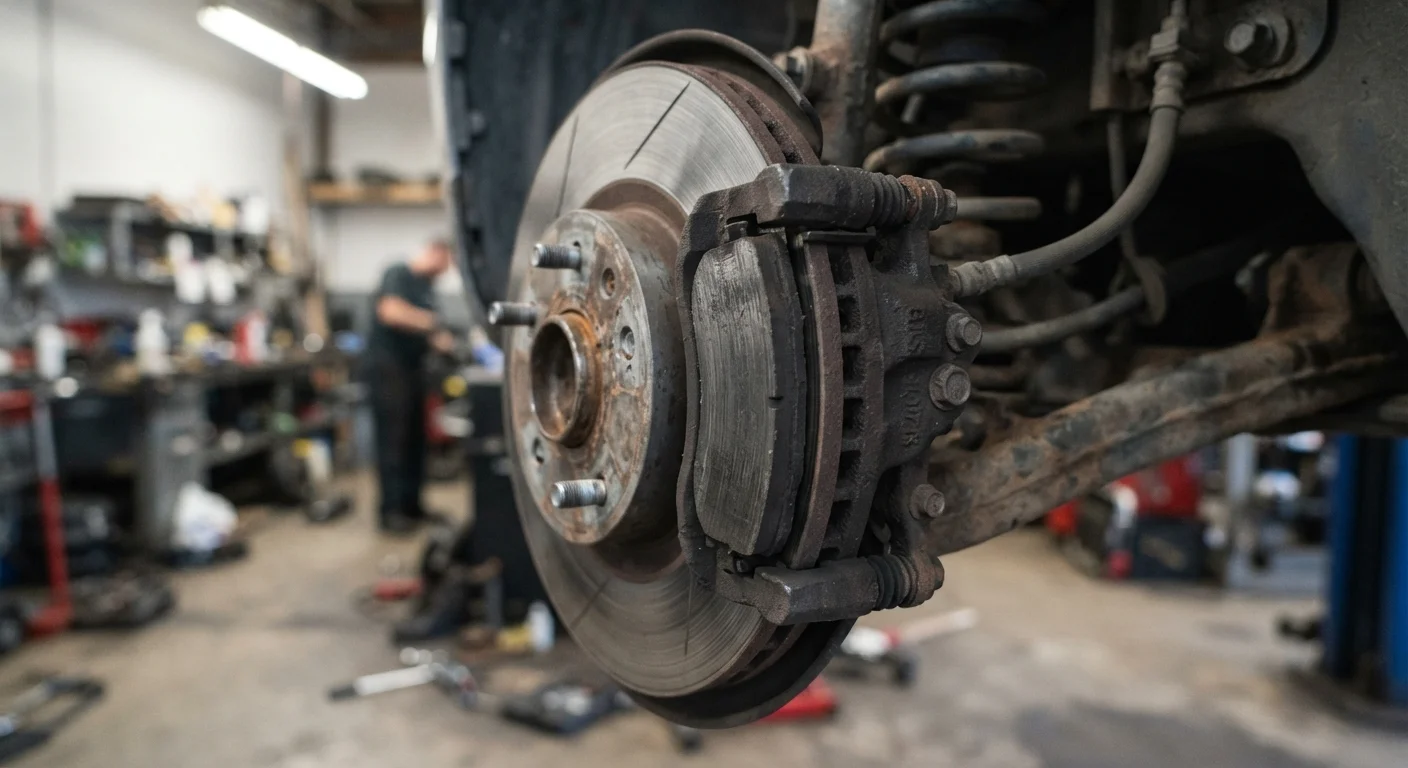
Your vehicle's disc brake system relies on two main wear components working in tandem. When you press the brake pedal, hydraulic pressure pushes a caliper to squeeze brake pads against a spinning rotor. The resulting friction converts kinetic energy into heat, slowing the wheel.
Brake pads are layered friction material - typically organic, semi-metallic, or ceramic compounds - bonded to a steel backing plate. They are engineered to be the sacrificial element: they grip the rotor surface and gradually wear away. Most pads also include a thin metal wear indicator that emits a high-pitched squeal when the pad reaches a low-material threshold.
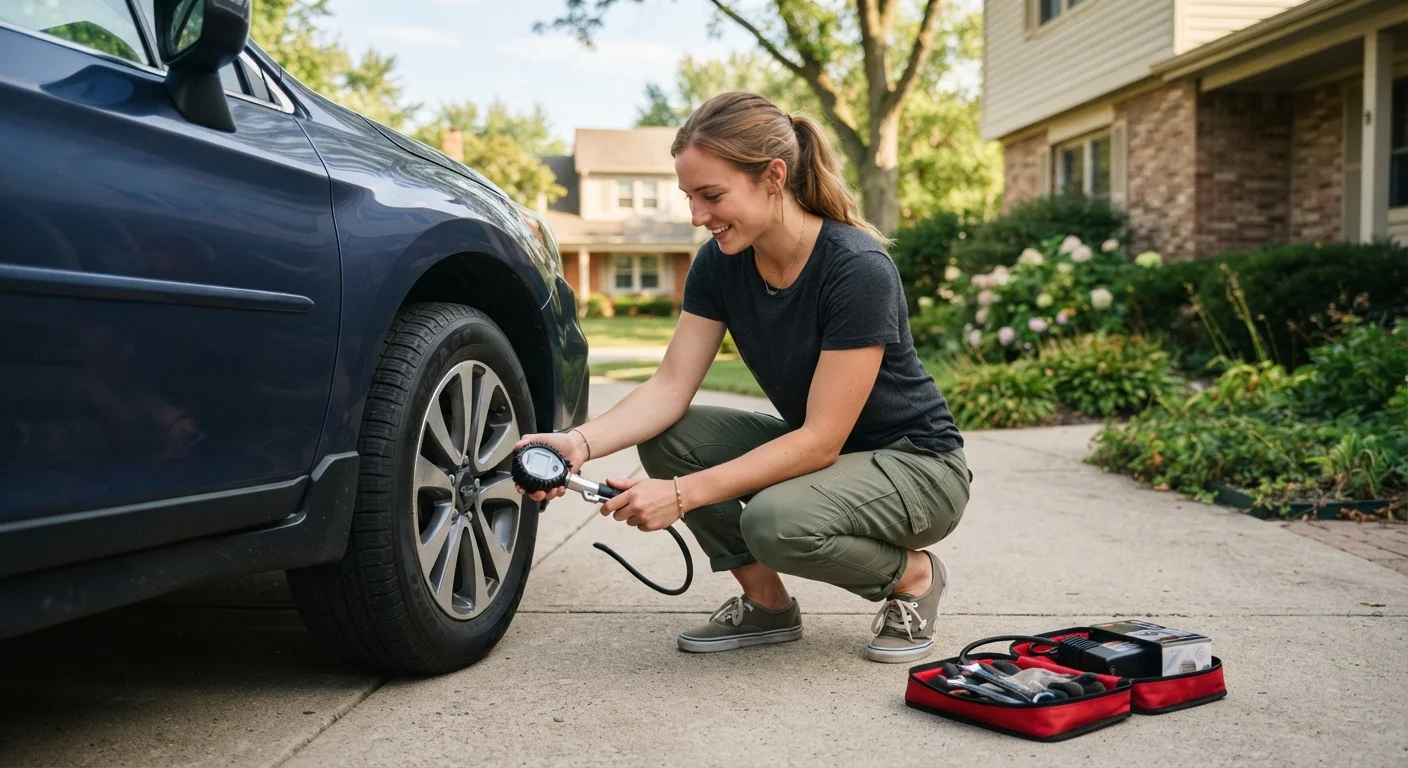
Brake rotors (also called discs) are precision-machined iron or composite metal discs mounted to the wheel hub. They provide the smooth, flat surface the pads clamp against. Because they don't contact road grime directly the way tires do, rotors generally outlast pads - but heat cycles, hard braking, and corrosion still take a toll over time. Just as tire health affects overall vehicle safety, brake health depends on both surfaces staying within spec. Learn more about full-vehicle maintenance basics in our tire guide.
How and When Each Component Wears
Understanding wear patterns helps you anticipate costs and avoid being caught off guard at the shop.
| Criterion | Brake Pads | Brake Rotors |
|---|---|---|
| Function | Friction material that grips rotor | Metal disc that pads clamp against |
| Typical lifespan | 25,000-70,000 miles | 50,000-70,000+ miles |
| Wear mechanism | Gradual material erosion | Thinning, scoring, and heat warping |
| Key warning sign | Squealing wear-indicator noise | Pedal pulsation or deep grooves |
| Can it be reconditioned? | No - always replaced | Sometimes resurfaced if above discard thickness |
| Replacement frequency | More frequent | Less frequent, but still periodic |
Pad wear is gradual and linear. Aggressive city driving, frequent heavy braking, and towing shorten pad life considerably. Many mechanics recommend checking pad thickness at every tire rotation. The general service range is 25,000-70,000 miles, but real-world results vary widely.
Rotor wear is more complex. Rotors thin slightly with every braking event, and they can develop grooves, scoring, or warping from heat stress and corrosion. Each rotor has a manufacturer-specified minimum thickness (the discard thickness) stamped into the metal. Once a rotor reaches that threshold, it can no longer safely absorb and dissipate braking heat and must be replaced. Rotors above the minimum may be resurfaced on a brake lathe to restore a smooth surface - but only a mechanic with the proper measuring tools can confirm whether there's enough material remaining.
25,000-70,000 mi
Typical brake pad service interval
The National Highway Traffic Safety Administration notes that driving habits - especially city stop-and-go patterns - are the biggest variable in pad longevity.
~30%
Stopping distance increase with worn pads
Research from vehicle safety organizations suggests significantly worn friction material can meaningfully extend stopping distances, particularly at highway speeds.
Warning Signs You Shouldn't Ignore
Your brakes communicate clearly when something is wrong. Here are the key signals and what they likely mean:
- High-pitched squeal: Wear indicator contact. Pads are low - schedule service soon.
- Metal grinding: Pad material is gone. Immediate inspection required; rotors may already be scored.
- Pedal pulsation or vibration: Rotor runout (wobble) or uneven thickness variation - a rotor problem.
- Longer stopping distances: Could involve pads, rotors, brake fluid, or calipers. Don't guess - get a full brake inspection.
- Vehicle pulling under braking: Uneven pad wear or a stuck caliper affecting one side more than the other.
Never ignore brake warning signs or delay service. Brake system failures can have serious safety consequences, and a professional inspection is the only reliable way to confirm what's actually happening.
Rust on Rotors: Usually Normal
A thin layer of surface rust on rotors is common after a vehicle sits overnight or in wet conditions. This typically clears within the first few brake applications as pads wipe the surface clean. Deep pitting, heavy corrosion, or rust that doesn't clear after driving is a different matter and warrants a professional look.
Replacement: What to Expect
When pads are replaced, many shops recommend inspecting rotor thickness and surface condition at the same time. Replacing pads on grooved or undersized rotors shortens the new pads' lifespan and can reduce braking effectiveness. Doing both jobs together on an axle (front or rear) during the same service visit saves labor costs compared to returning later.
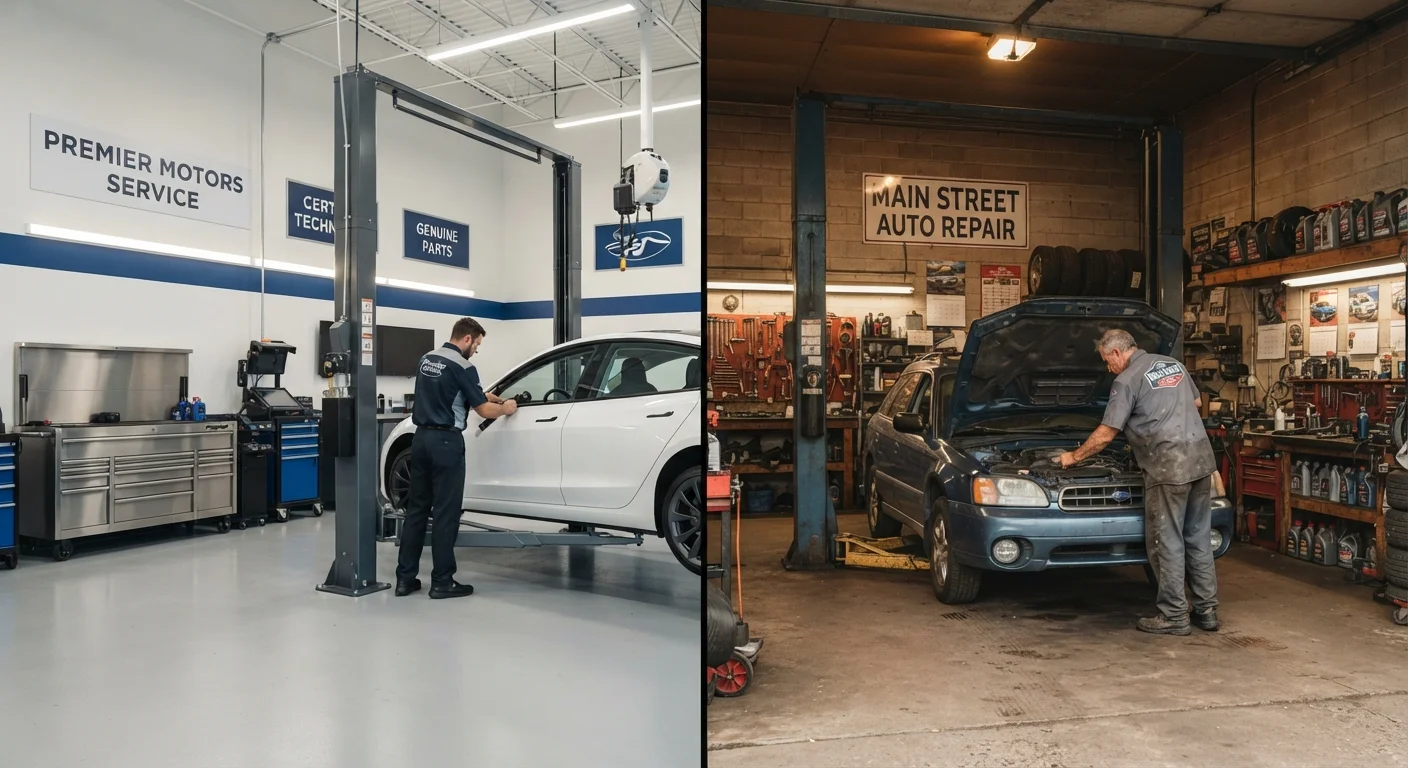
Rotors that are above discard thickness with minor surface imperfections may be resurfaced rather than replaced, which can reduce costs. However, resurfaced rotors that are close to minimum thickness won't last as long as new ones, so the economics depend on how much material remains. Ask your mechanic to show you the measured thickness against the discard spec - any reputable shop should be comfortable doing this.
Brake jobs vary in complexity based on vehicle make, caliper design, and whether electronic parking brakes are involved. Always rely on a qualified mechanic for brake repairs. This is not a system where shortcuts are acceptable.