Why the Choice Actually Matters
Where you take your car for service isn't just a matter of convenience - it affects your out-of-pocket costs, your warranty coverage, and whether the repair actually gets done right. Yet most drivers pick based on habit or proximity rather than informed reasoning.
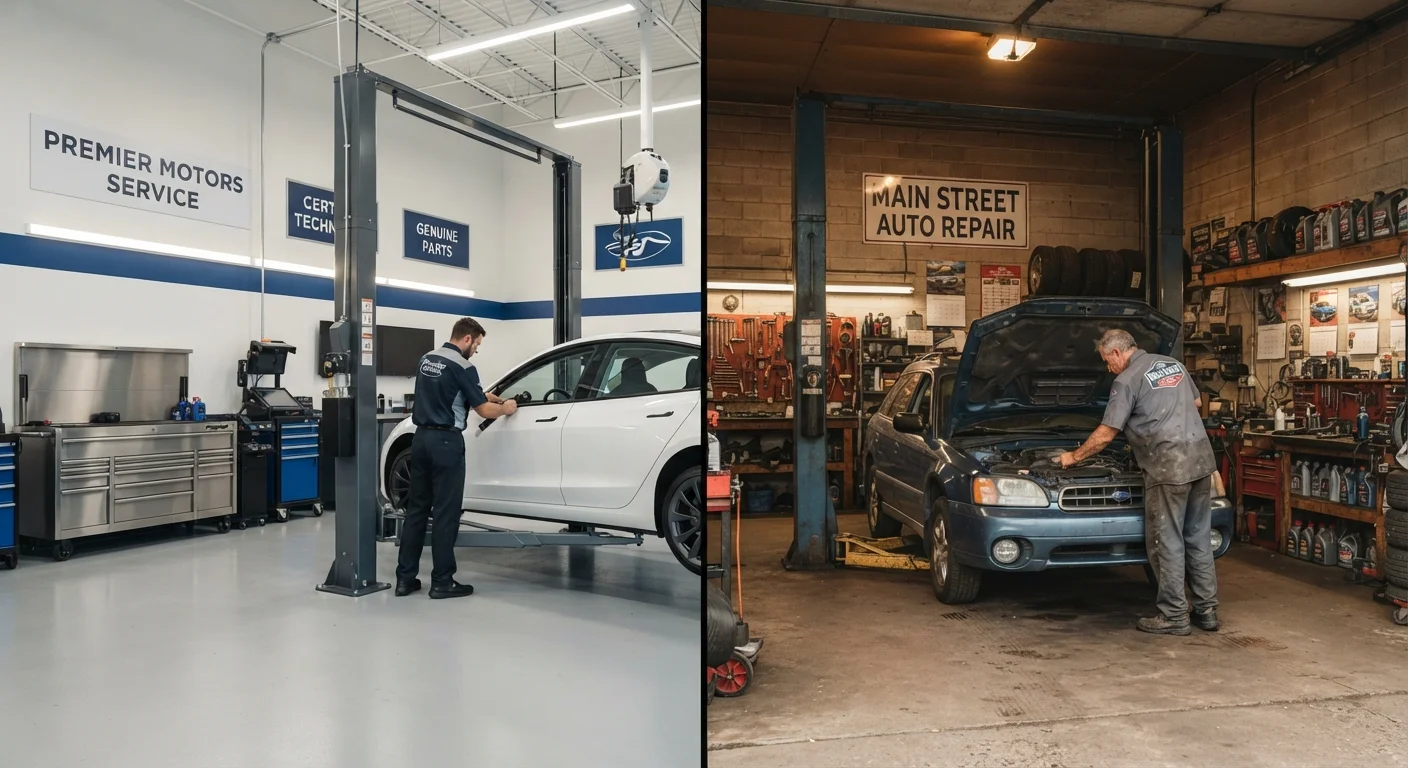
The core tension: dealer service centers offer specialized knowledge and direct access to manufacturer systems, but those advantages come at a price. Independent mechanics can deliver excellent work at lower rates, but they range widely in skill and equipment. Understanding what each genuinely offers - and where each falls short - helps you make a call you won't regret. Before approving any repair, it also helps to understand how estimates are structured. See our guide to reading a mechanic's estimate so you know what you're signing off on.
| Dealer Service Center | Independent Mechanic | |
|---|---|---|
| Brand-specific expertise | Manufacturer-trained, certified technicians | Varies; best shops carry broad experience |
| Diagnostic tools | Factory scan tools and TSB access | Aftermarket tools; may lack OEM software |
| Parts used | OEM parts by default | OEM or quality aftermarket; more flexible |
| Typical labor cost | Generally higher rates | Often lower rates |
| Warranty on repairs | Backed by manufacturer or dealership policy | Shop warranty varies; verify before committing |
| Best for | New vehicles, warranty work, complex repairs | Older vehicles, routine maintenance, cost savings |
What Dealer Service Centers Do Well
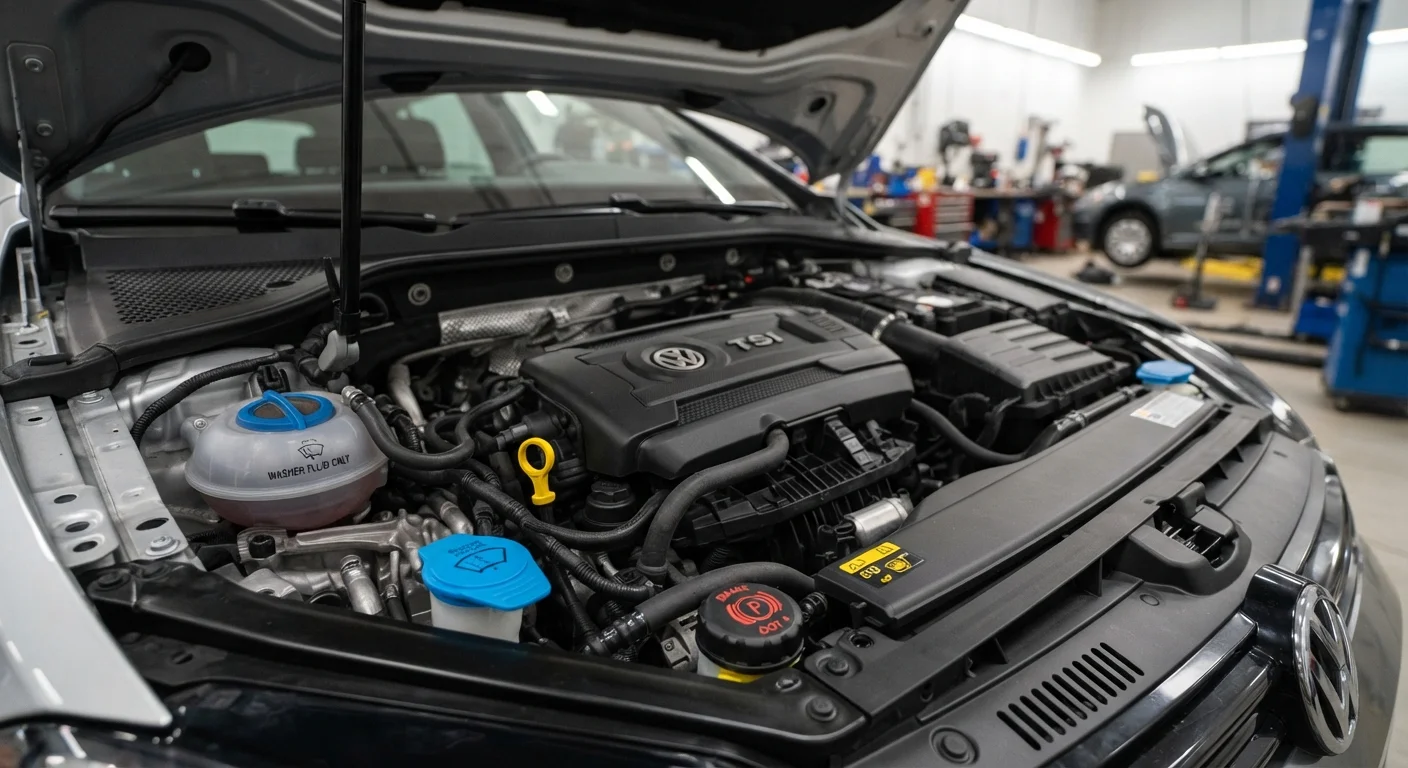
Dealerships employ technicians trained specifically on the vehicles they sell, often holding manufacturer certifications that require ongoing education. That matters most when a repair involves proprietary software, advanced driver-assistance systems (ADAS), or model-specific mechanical quirks. For these jobs, a dealer technician typically has factory scan tools, up-to-date technical service bulletins (TSBs), and direct access to manufacturer technical support lines that independent shops may lack.
Dealers also use OEM (original equipment manufacturer) parts by default - components made to the same specification as what came on your vehicle from the factory. If your car is under a new-vehicle or powertrain warranty, having service performed at a franchised dealer ensures that work is documented in a way the manufacturer recognizes, which can matter if a warranty dispute arises later.
Keep Your Service Records Regardless of Where You Go
Whether you use a dealer or an independent shop, maintaining a complete paper trail of all services performed protects you in warranty situations and adds credibility if you sell the vehicle. Ask for itemized receipts every time, and keep them organized by date. A vehicle with documented maintenance history is easier to sell and harder to dispute.
The downsides are real: dealer labor rates tend to run higher than independents, and service advisors at high-volume shops may have less time to walk you through repair decisions in depth. Upsell pressure for add-on services is also more common in a dealership service environment.
What Independent Mechanics Bring to the Table
A skilled independent mechanic running a well-equipped shop can perform most repairs to the same standard as a dealer - and often at meaningfully lower cost. Labor rates at independents are frequently lower, and they have more flexibility in sourcing parts, meaning they can offer OEM-equivalent aftermarket components that may cost less without sacrificing quality.
The personalized dynamic matters too. A mechanic who knows your specific car and your driving history can catch patterns over time that a busy dealer service advisor might miss. Many independent shops also carry their own parts and labor warranties - typically 12 months or 12,000 miles is common, though terms vary - so you're not without recourse if something goes wrong after a repair.
The risk is variability. Without certifications or manufacturer oversight, shop quality differs enormously. Before committing, look for ASE (Automotive Service Excellence) certification, read recent reviews that speak to honesty and communication, and ask whether the shop has experience with your specific make. If you're not sure how to have that conversation, our guide on talking to a mechanic can help you ask the right questions without feeling out of your depth.
The Factors That Should Drive Your Decision
Rather than a blanket rule, weigh these considerations for each service situation:
- Warranty status: If your vehicle is within the manufacturer's warranty period, a dealer is the safest choice for covered repairs. Note that the Magnuson-Moss Warranty Act generally protects your right to use independent shops for non-warranty maintenance without voiding coverage - but documentation matters.
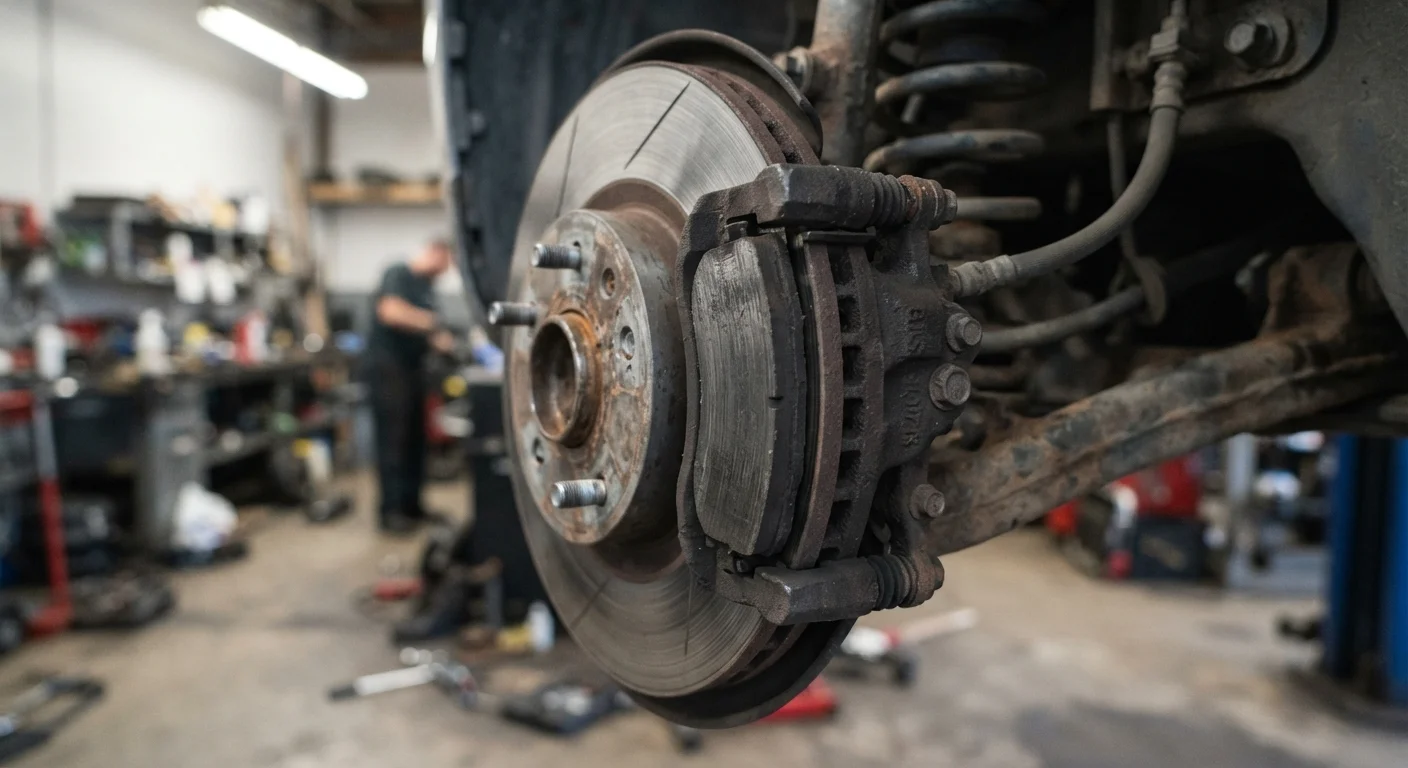
- Repair complexity: Software updates, module programming, ADAS calibrations, and hybrid or EV battery diagnostics typically require dealer-level tools. Routine maintenance - oil changes, brake pads, belts, filters - is well within an independent shop's capability.
- Age of vehicle: For vehicles more than five or six years out of warranty, the argument for dealer service weakens considerably. Independent mechanics often have more experience with older vehicles that no longer receive active manufacturer support.
- Cost transparency: Always request a written estimate before authorizing work, regardless of where you go. A trustworthy shop - dealer or independent - will provide one without hesitation.
Some routine tasks don't require either option at all. DIY-friendly maintenance tasks like checking tire pressure, replacing wiper blades, and swapping cabin air filters are well within most drivers' reach with basic tools - and can save meaningful money over time.
Don't Let Urgency Push You Into a Poor Choice
When a warning light comes on or a noise appears suddenly, the temptation is to take your car to the nearest shop immediately. When possible, take a moment to get at least one written estimate before authorizing any non-emergency repair. Rushed decisions in a service environment - dealer or independent - are where unnecessary or overpriced work most often slips through. If a shop pressures you to approve work on the spot without a written estimate, that's a red flag.