Why Clear Communication Matters at the Shop
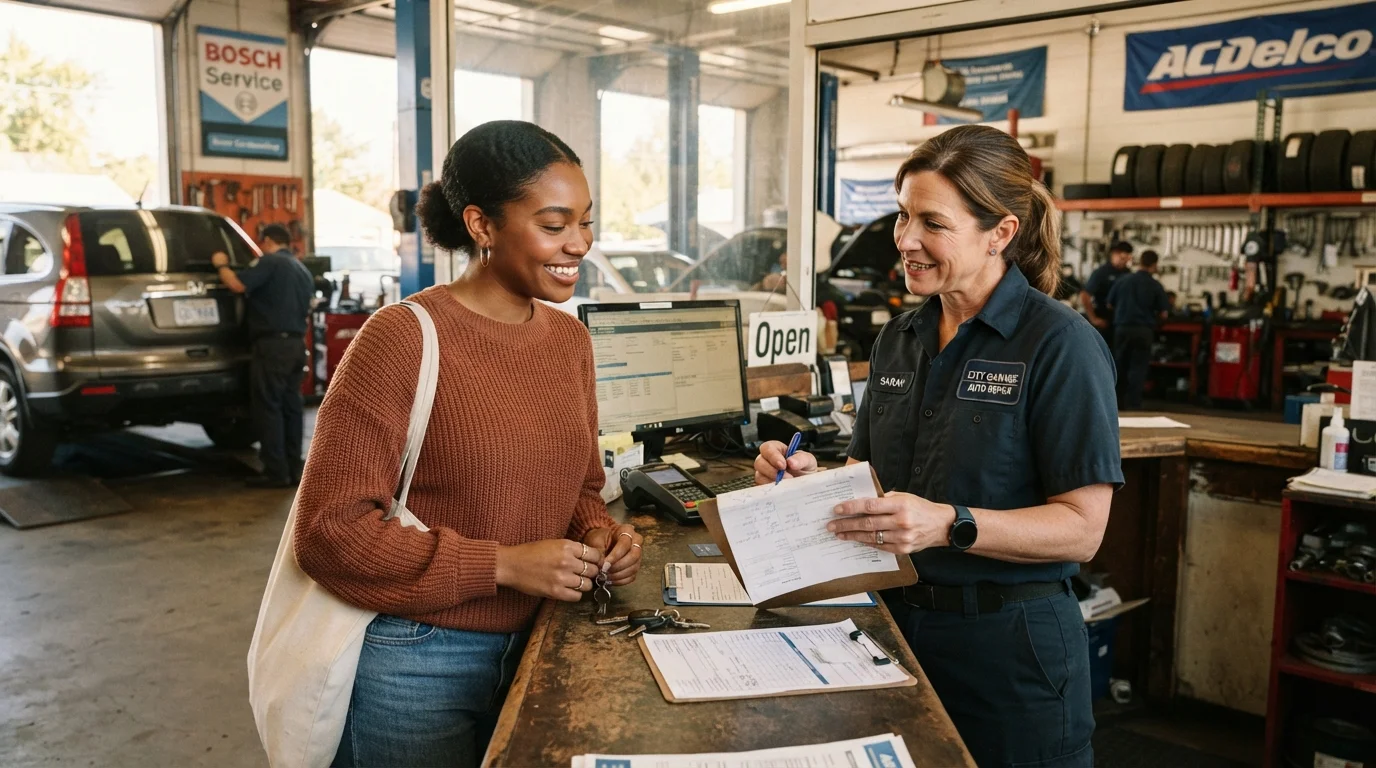
Walking into a repair shop without much automotive knowledge doesn't put you at a disadvantage - as long as you know how to communicate clearly. Mechanics are diagnosing problems based largely on the information you give them, particularly for intermittent issues that don't show up during a brief test drive.
Poor communication in either direction is one of the most common reasons repairs miss the mark or cost more than expected. Vague descriptions lead to guesswork. Unexplained estimates lead to distrust. But when both sides can exchange specific, plain-language information, the whole process becomes faster, more accurate, and more affordable.
This kind of informed engagement is also one of the clearest ways to avoid the costly mistakes covered in our piece on common car ownership mistakes - many of which come down to simply not knowing what questions to ask.
What you will need
What You'll Need Before You Start
Preparation is the most underrated part of any shop visit. Having the right information and tools on hand not only makes the mechanic's job easier - it puts you in a stronger position to understand and evaluate whatever they find.
Owner's Manual
Contains your vehicle's recommended service intervals and explains dashboard warning symbols.
Smartphone
Useful for recording symptoms, photographing warning lights, and looking up terminology on the spot.
Notepad or Notes App
Helps you track what the mechanic says, questions you want to ask, and the details of any estimate given.
Record the Symptoms Before You Go
Use your phone to record a short video or voice memo of any unusual sounds while driving. If a noise only happens at certain speeds or when turning, capturing it in real time gives the mechanic far more to work with than a verbal description alone. It also removes any worry that the symptom won't reproduce in the shop.
Step-by-Step: How to Handle the Conversation
Write Down Your Symptoms Before Arriving
Before you pull into any shop, spend five minutes documenting what your car is doing. Focus on specifics: when does it happen (startup, highway speed, braking, turning)? What does it sound, feel, or smell like? How long has it been occurring?
Mechanics work like doctors - the more precise your description, the faster and more accurately they can diagnose. "It makes a grinding noise when I brake at speeds above 40 mph" is far more useful than "something sounds off."
Have Your Vehicle Information Ready
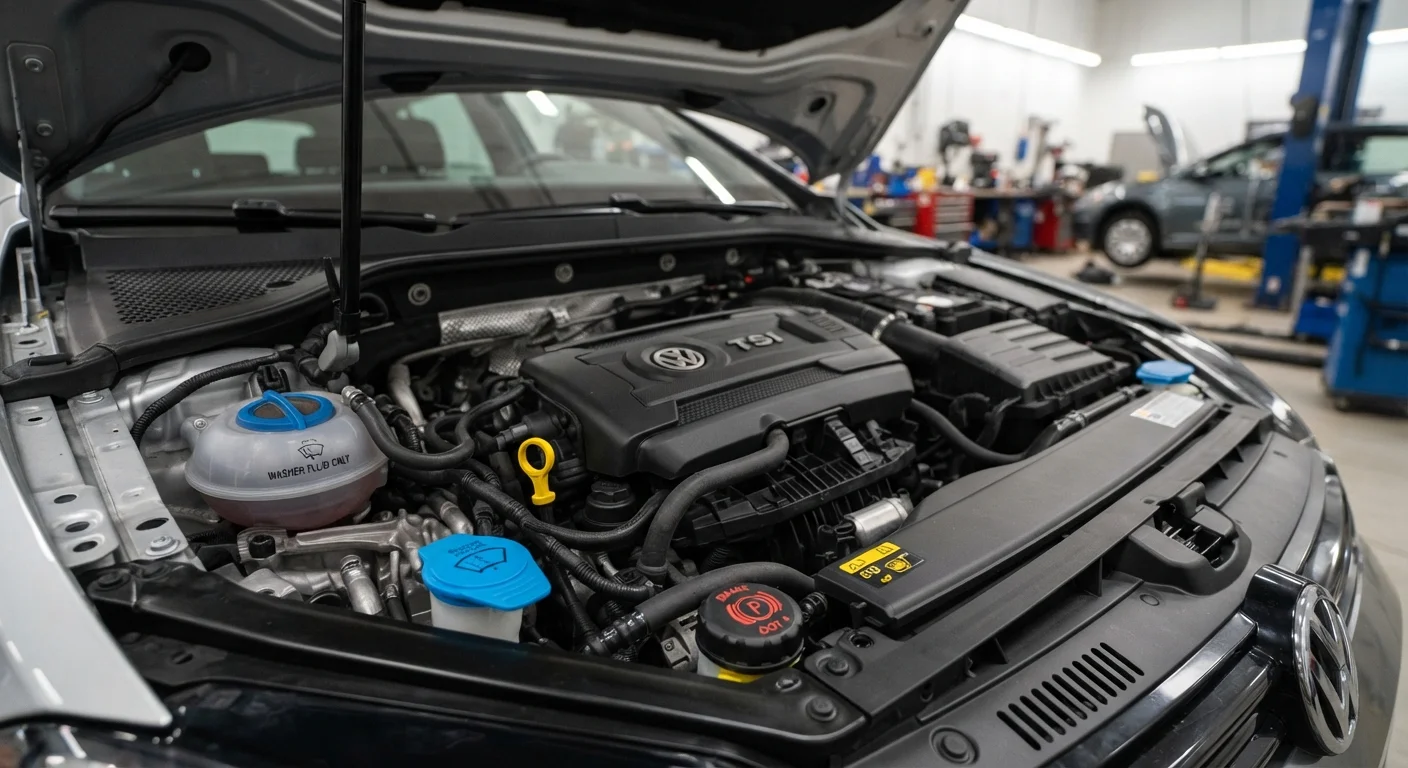
Know your car's year, make, model, trim level, and current mileage before you walk in. This information affects parts availability, labor time, and whether certain repairs fall under a manufacturer warranty or recall.
If you're unsure of your trim level, it's usually printed on a sticker inside the driver's door jamb or in your registration paperwork. Having this ready signals to the mechanic that you're organized - and it prevents miscommunication about which parts fit your specific vehicle.
Ask the Mechanic to Explain in Plain Language
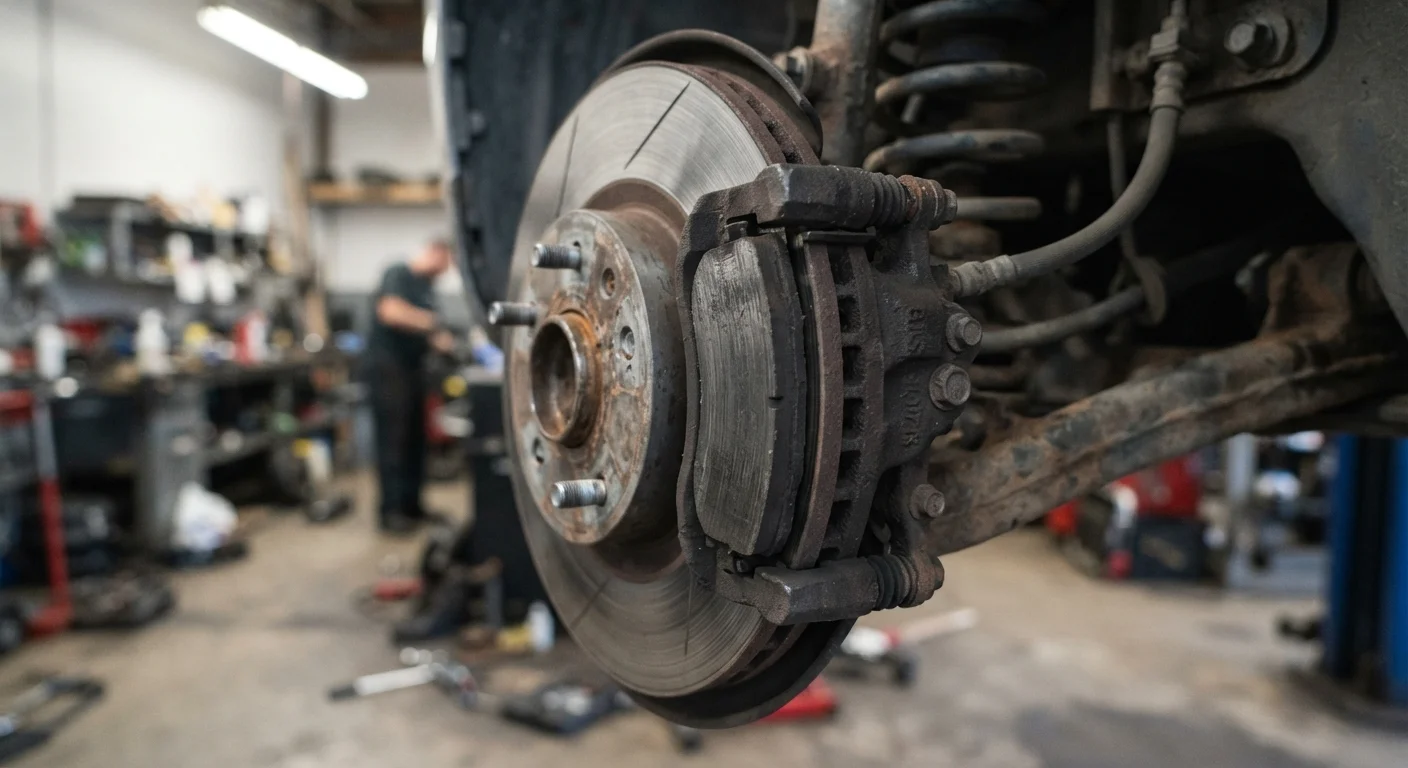
When a technician describes the problem, it's completely appropriate to say: "Can you explain that in everyday terms?" Good mechanics expect this question and will welcome it. If they use a term you don't recognize - like caliper, CV axle, or serpentine belt - ask what it does and why replacing it matters.
Request to see the worn or damaged part if possible. Reputable shops will show you the issue directly, which makes the repair easier to understand and builds confidence that the work is genuinely needed.
Request an Itemized Written Estimate
Before approving any work, ask for an itemized written estimate that separates parts costs from labor charges. This allows you to see exactly what you're paying for and compare it if you choose to get a second opinion.
Once you have that estimate in hand, our guide on reading a mechanic's estimate walks you through what labor hours, parts markups, and diagnostic fees actually mean - so you can approve repairs with full confidence.
Ask Which Repairs Are Urgent vs. Advisable
Not every item a mechanic flags requires immediate action. Ask directly: "Is this a safety issue, or can it wait a few weeks?" Responsible shops will categorize repairs honestly - some items are urgent (brake wear, steering problems), while others are maintenance items that can be scheduled for a future visit.
This distinction also helps you budget. Understanding the difference between a repair that affects your safety today and one that's simply recommended prevents you from feeling pressured into spending more than necessary in a single visit.
Know When to Get a Second Opinion
For repairs estimated above a few hundred dollars, or any time a diagnosis feels unclear, getting a second opinion is entirely reasonable - and reputable mechanics won't object. You can take the written estimate from the first shop to another without committing to any work.
Weighing where to take your car in the first place also matters. Our breakdown of dealer service centers vs. independent mechanics covers the genuine trade-offs in cost, expertise, and trust so you can make a more informed choice.
Never Approve Work Without a Written Estimate
Always request a written estimate before any repair begins. Verbal quotes are difficult to dispute, and costs can escalate quickly without documentation. In most U.S. states, shops are legally required to provide written estimates upon request - knowing this gives you a solid foundation for the conversation.
After the Visit: Track What Was Done
Once work is complete, ask for a detailed receipt that lists every repair performed, parts installed (including part numbers if possible), and labor hours billed. File this with your other vehicle records - it builds a service history that's useful for future diagnostics, resale conversations, and warranty claims.
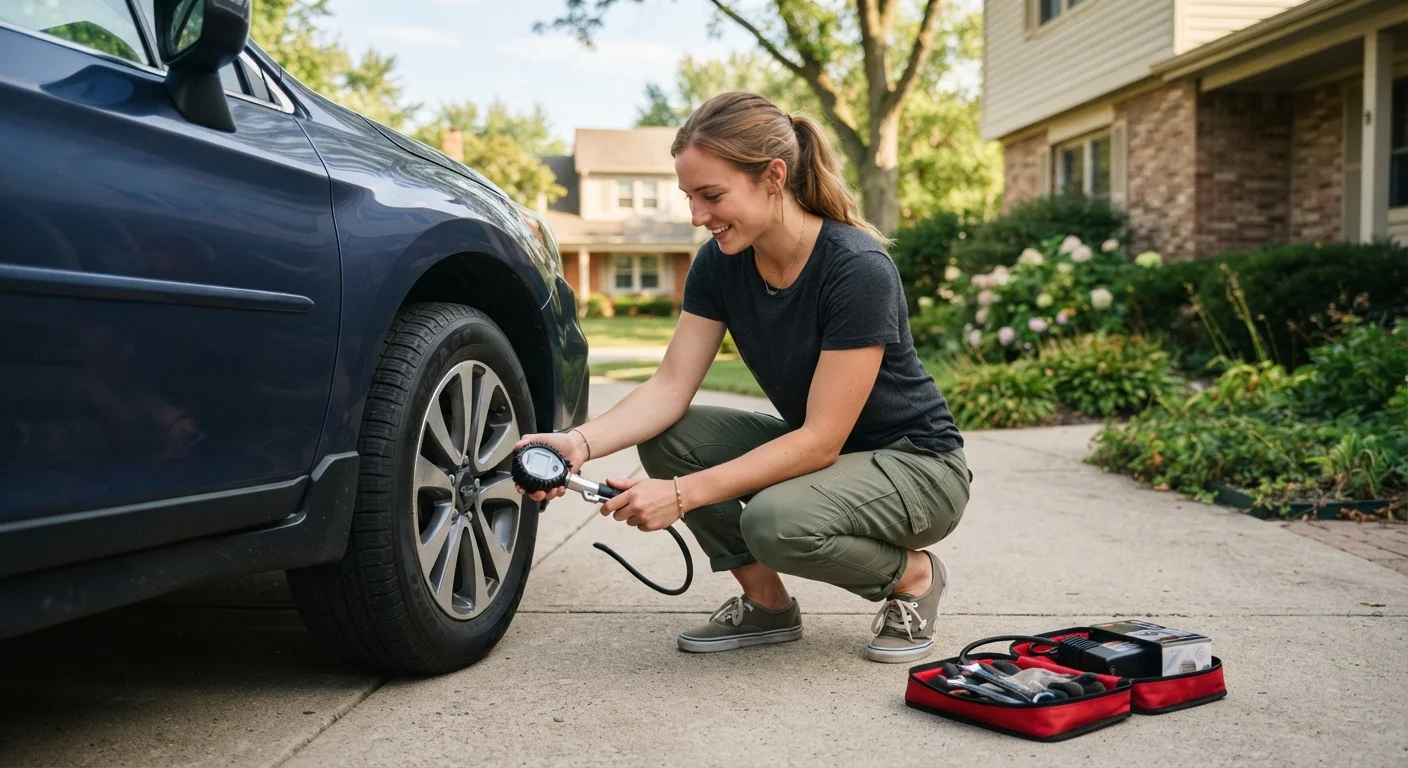
If you're curious which routine maintenance tasks you could handle yourself in the future - reducing how often you need these conversations - see our guide on DIY car maintenance tasks you can safely do at home. Building even a small amount of hands-on familiarity with your vehicle makes every future shop visit easier to navigate.
Watch Out for Vague Urgency Pressure
If a mechanic insists a repair must happen immediately without showing you evidence - such as a worn part or diagnostic code - take a moment to pause. Legitimate shops will explain what they found and why it matters. Feeling rushed into a decision is a signal to ask more questions, not fewer.