Why Car Ownership Gets Expensive - and Who's Most at Risk
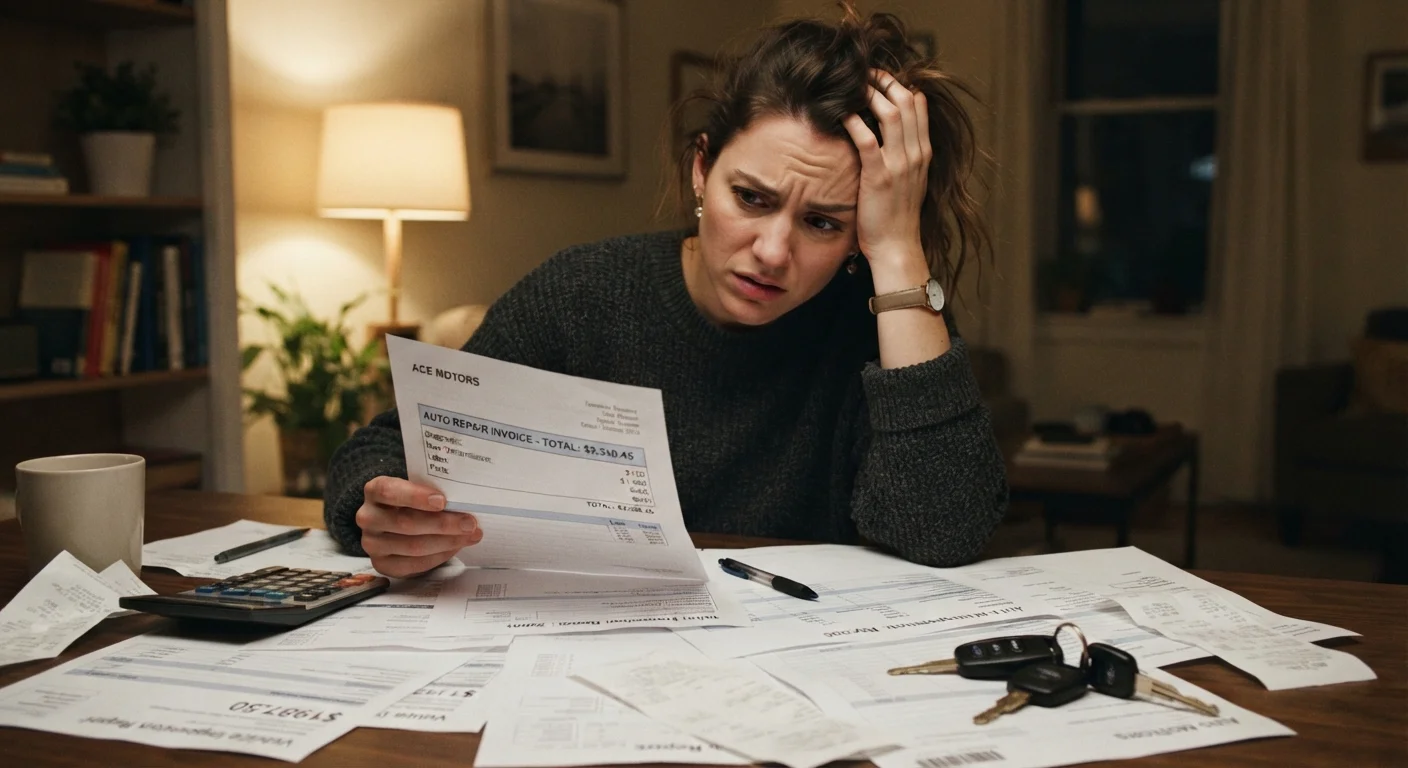
Owning a car involves more than a monthly payment. Insurance premiums, fuel, maintenance, registration fees, and unexpected repairs all stack up - and for young adults juggling rent and student loans, there's often little financial cushion when something goes wrong. The painful part is that many of the biggest car ownership costs are self-inflicted, the result of easily avoidable mistakes made early in ownership.
The good news is that most of these errors follow a predictable pattern. Recognizing them is the first step toward keeping your total cost of ownership in check.
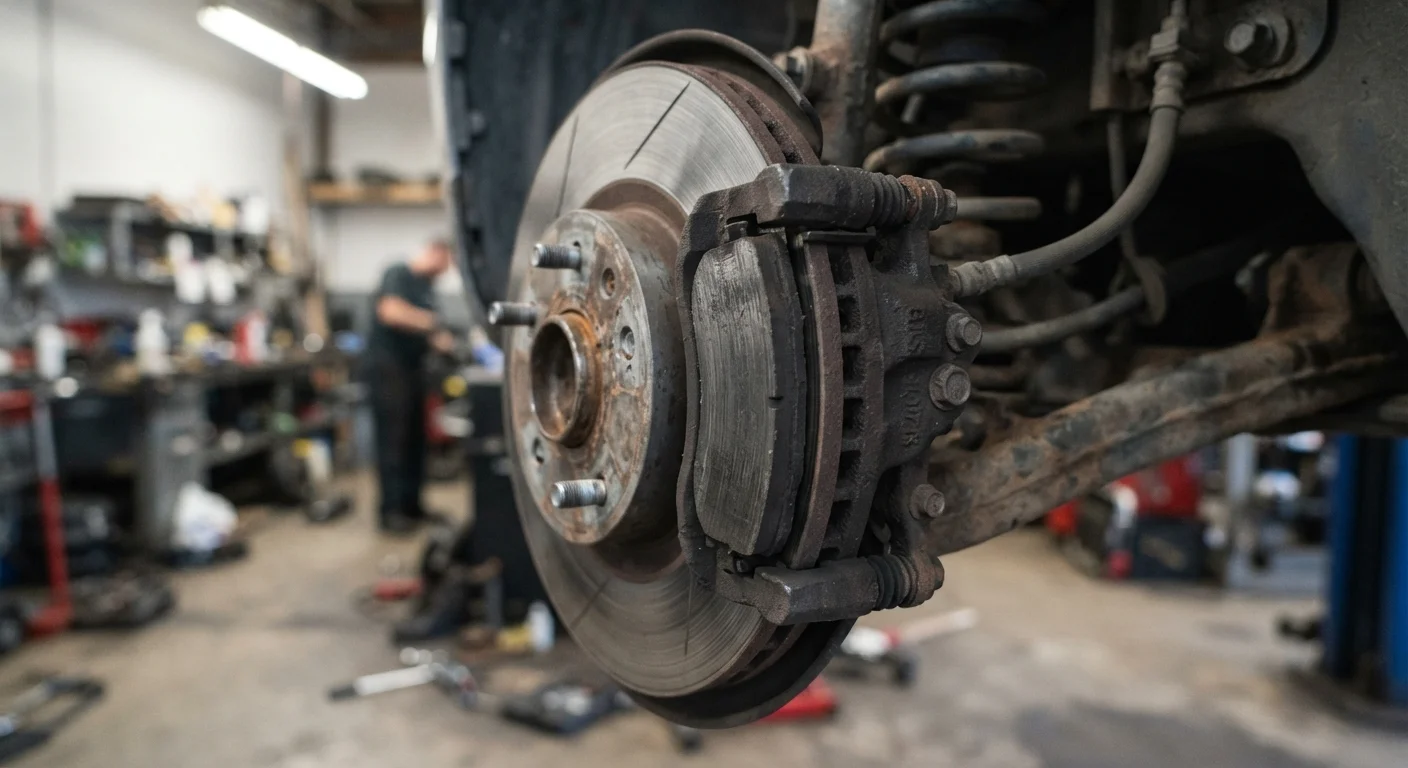
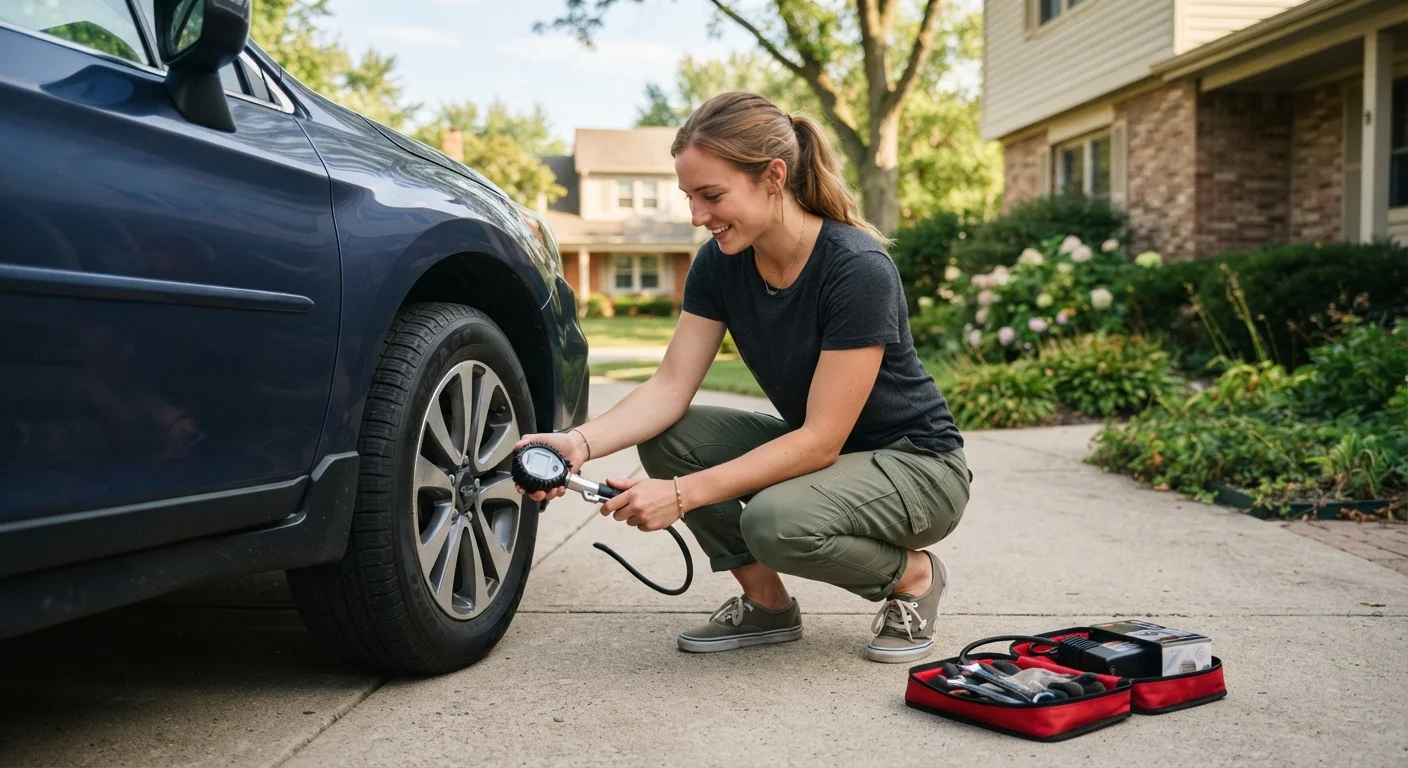
Delaying or skipping routine maintenance to save money in the short term.
Why it happens: Monthly budgets feel tight, and an oil change or tire rotation doesn't feel urgent when the car seems to be running fine.
Carrying only minimum liability insurance when your financial situation calls for more coverage.
Why it happens: Minimums look appealing on a tight budget, and many young drivers underestimate how quickly accident costs can exceed the legal floor.
Missing registration renewals, emissions deadlines, or title transfer windows.
Why it happens: Paperwork deadlines get buried in email or overlooked when life is busy, and the consequences feel abstract until a fine arrives.
Financing a car without understanding how depreciation affects what you'll owe.
Why it happens: Monthly payment amounts get most of the attention during the buying process, while the vehicle's dropping value goes unexamined.
Driving aggressively - hard braking, rapid acceleration, and high-speed cruising - without factoring in the added wear and cost.
Why it happens: The connection between daily driving habits and cumulative vehicle costs isn't obvious, especially for newer drivers.
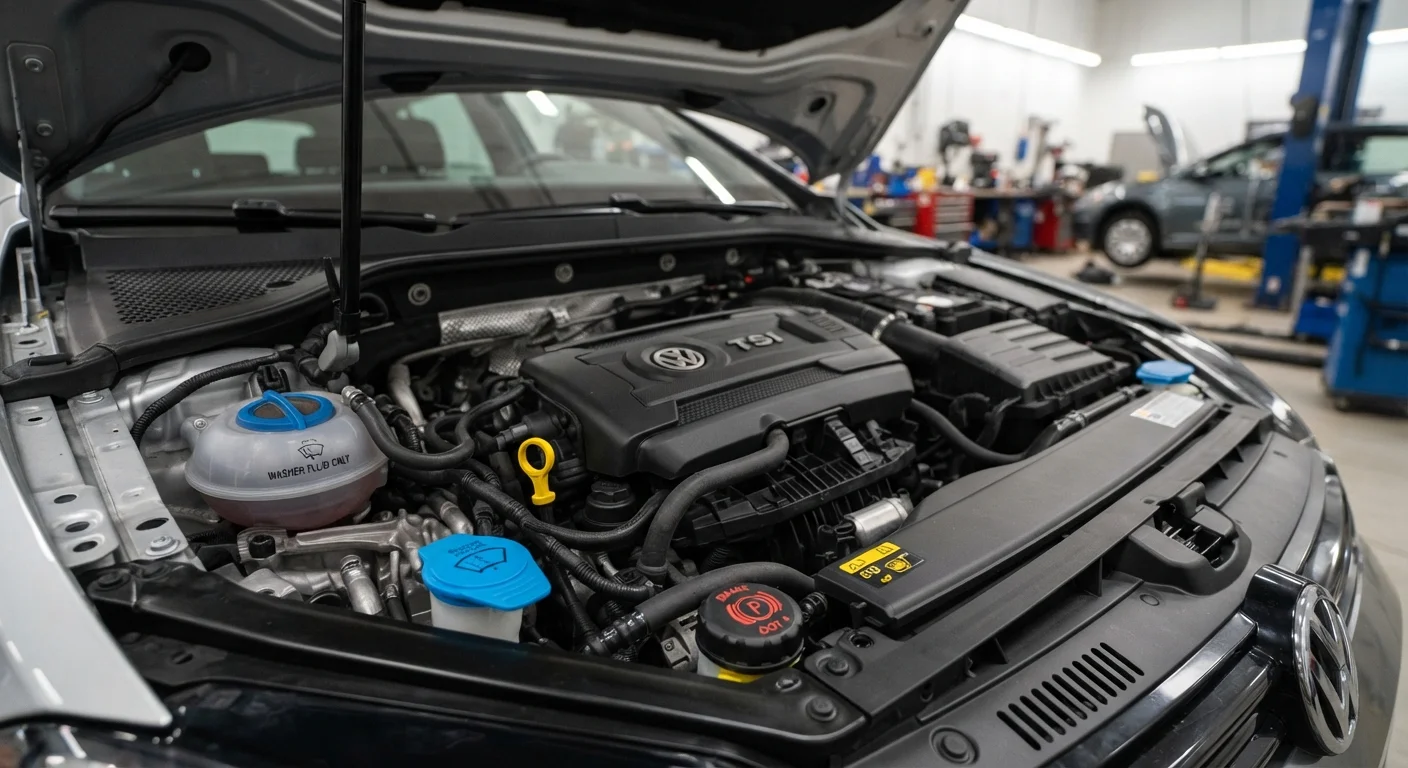
Ignoring warning lights or unusual sounds until the problem becomes unavoidable.
Why it happens: Warning lights sometimes stay on for minor reasons, which causes some drivers to tune them all out over time.
The Habits and Oversights That Hit Your Wallet Hardest
Beyond the individual mistakes listed above, a few broader patterns tend to compound costs over time. One of the most damaging is treating a car as a set-and-forget purchase. Certain everyday habits quietly shorten a vehicle's lifespan in ways that aren't obvious until a repair bill arrives.
Underinsurance Can Be Financially Devastating
Dropping to minimum state-required liability coverage might lower your monthly premium, but it can leave you responsible for thousands of dollars in damages after a serious accident. If your car is financed or leased, your lender typically requires comprehensive and collision coverage - check your loan or lease agreement carefully. Review your policy limits annually to make sure they still reflect your financial situation.
If you're weighing whether to lease or finance, the decision affects more than monthly cash flow. The long-term financial picture looks very different depending on which route you take, and understanding that difference upfront can prevent regret later. Staying informed - and staying consistent with basic vehicle upkeep - is the most reliable way to keep car ownership from becoming a financial drain.
$12,000+
Average annual cost of car ownership in the US
According to AAA's annual "Your Driving Costs" study, the total cost of owning and operating a new vehicle - including depreciation, fuel, insurance, and maintenance - typically exceeds $12,000 per year.
~47%
New car value lost in first three years
Industry data consistently shows new vehicles can lose close to half their original value within three years, making depreciation the single largest ownership cost for many buyers.