Why 'Good Enough' Maintenance Habits Still Cause Damage
Most drivers aren't negligent - they change their oil, fill the tank, and notice when a warning light stays on. But a separate layer of habits sits below that threshold: routine behaviors that feel neutral or even responsible, but quietly accelerate wear over tens of thousands of miles.
These aren't obscure mechanical failures. They're the product of repeated small decisions - how you park, how much you pump, whether you bother with the parking brake - that compound invisibly until something breaks. Understanding why these habits cause harm is the first step to stopping them.
For a broader look at how deferred decisions become expensive, see why skipping routine maintenance costs more.
Your Owner's Manual Overrides Everything
Manufacturer-specified intervals for fluids, filters, and inspections are engineered for your exact vehicle - not generalized advice from a friend or an auto-parts store counter. Always consult your owner's manual first. Deviating from those intervals is one of the fastest ways to void warranty coverage and accelerate hidden wear.
The Habits That Do the Most Hidden Damage
Each of the following mistakes is common, easy to fix once recognized, and genuinely consequential when left uncorrected. They're presented here not to alarm you, but to give you the mechanical context to understand why the habit matters - not just that someone says it does.
Never using the parking brake on an automatic transmission.
Why it happens: Drivers assume the 'Park' pawl - a small metal pin inside the transmission - is enough to hold the car, so the parking brake feels redundant.
Clicking the fuel nozzle to add more gas after the automatic shutoff triggers.
Why it happens: Drivers want a round dollar amount or assume a little more always fits. It feels harmless.
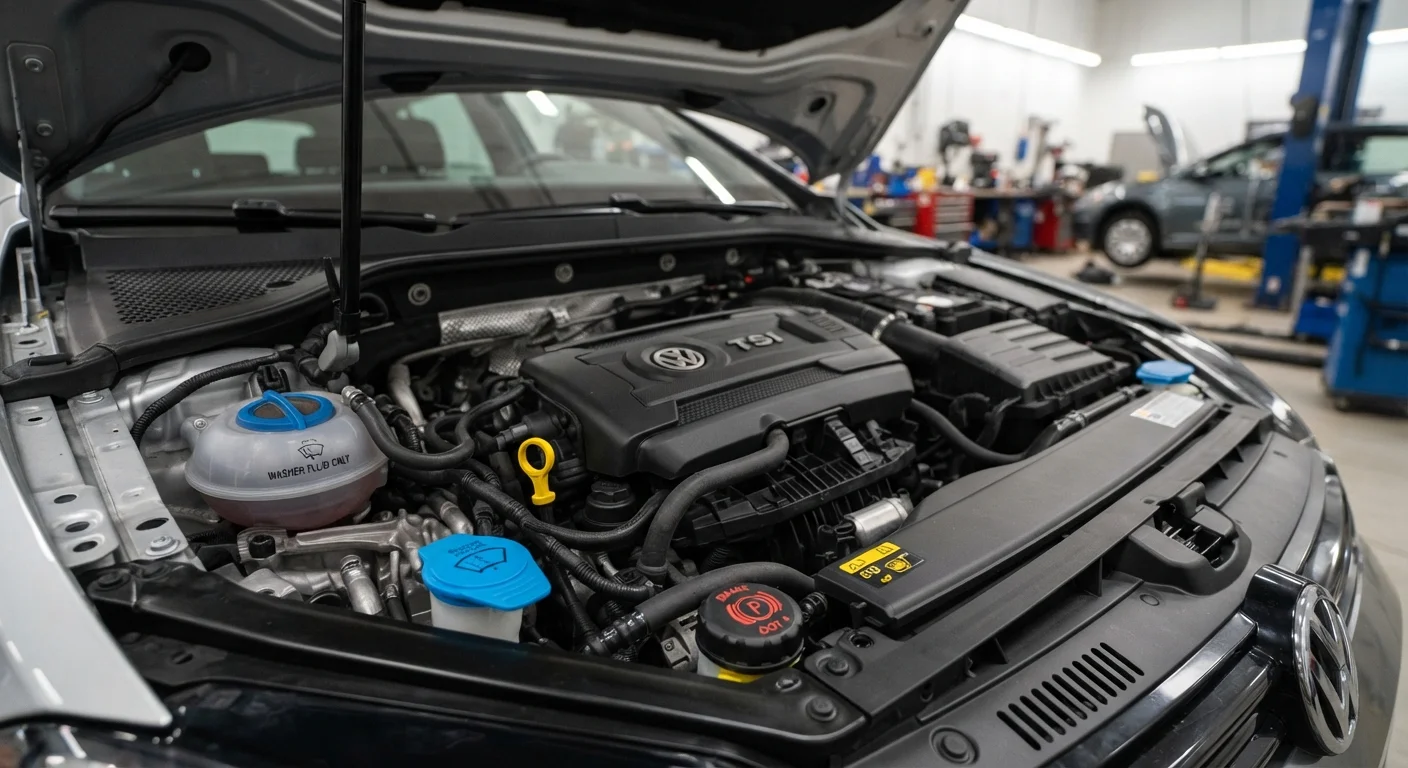
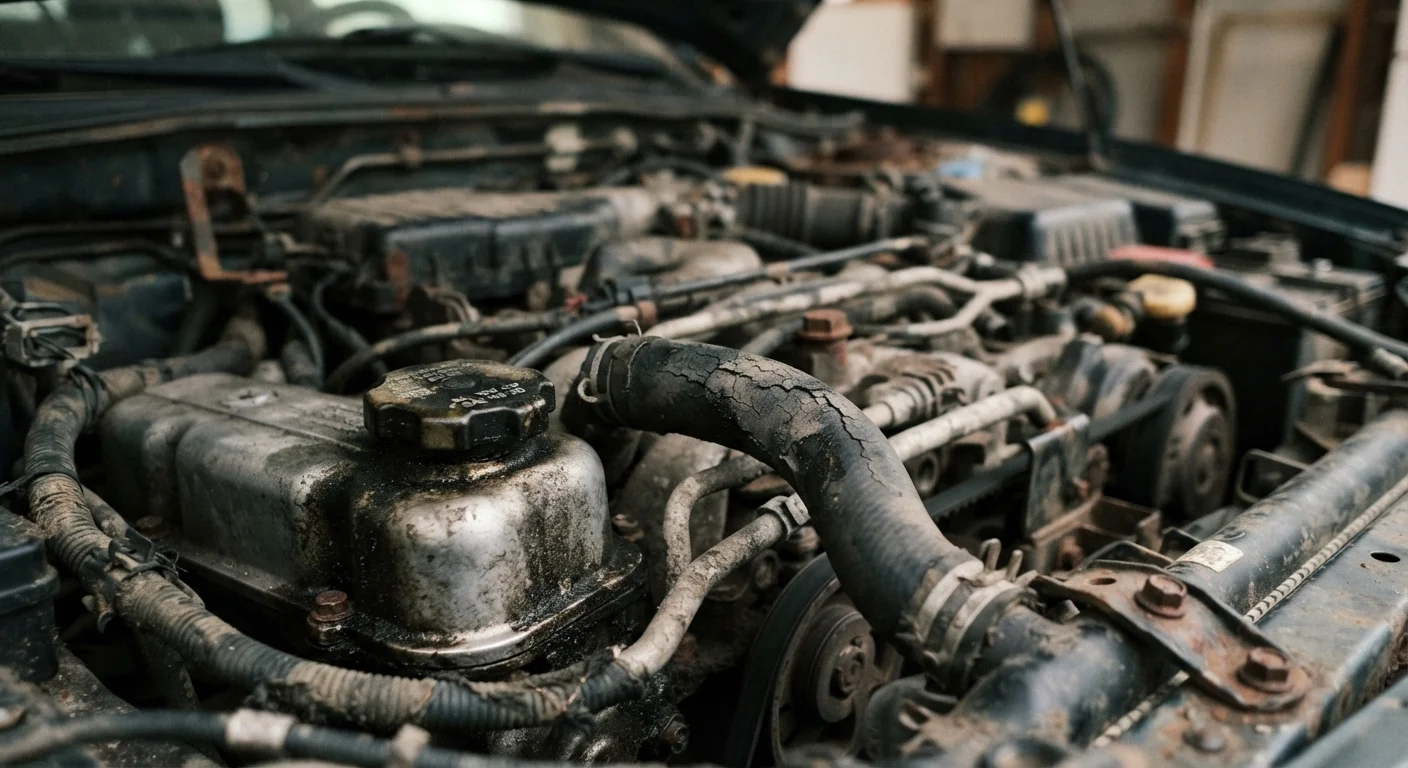
Skipping coolant flushes because the engine 'isn't running hot.'
Why it happens: Coolant degradation is invisible. The engine temperature gauge reads normal until the system is severely compromised.
Resting a hand on the gear shifter while driving.
Why it happens: It's a comfortable, unconscious habit - the shifter is right there and feels like a natural armrest.
Ignoring tire rotation because the tires still look fine.
Why it happens: Uneven wear develops gradually and isn't obvious until tread depth differences are significant.
Letting the battery sit in a deeply discharged state for days.
Why it happens: A dead battery feels like a nuisance, not a damage event. Drivers jump-start the car and move on without addressing why it discharged.
Low Fuel Isn't Just an Inconvenience
Consistently driving with less than a quarter tank causes the fuel pump - which is submerged in the tank and cooled by surrounding fuel - to run hotter than designed. Over time, this shortens pump life significantly. Premature fuel pump failure is an expensive repair that is largely preventable with a simple habit change.
For the full picture on what your car's fluid systems actually need - and when - Car Fluids 101 is a practical next read.
Building Habits That Work With Your Car, Not Against It
None of these corrections require mechanical skill. They require awareness. Set the parking brake before shifting into Park. Stop at the first click of the fuel nozzle. Put your free hand in your lap, not on the shifter. These are behavioral adjustments that take seconds and pay off over years.
~$3,800
Average cost of a fuel pump replacement
RepairPal estimates fuel pump replacement - parts and labor - typically ranges from $220 to $1,060 depending on vehicle type, but is entirely avoidable with consistent fueling habits.
30-50%
Tire life lost by skipping rotations
Tire industry guidelines suggest improper or absent rotation can cut a set's effective lifespan by up to half on front-wheel-drive vehicles due to accelerated front-axle wear.
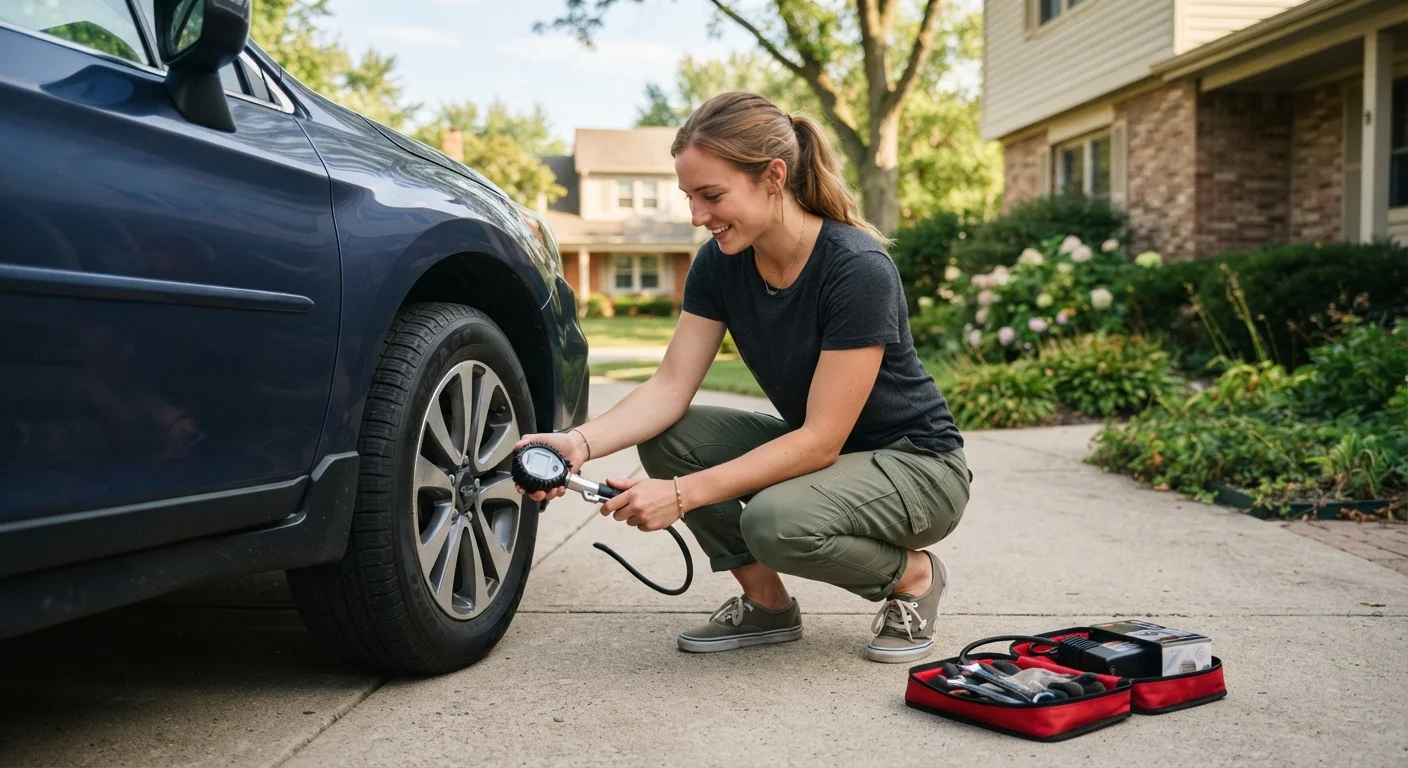
If you're ready to go further, DIY car maintenance tasks you can safely handle at home covers the routine checks - tire pressure, wiper replacement, fluid top-offs - that most drivers can manage without a shop visit. Pairing smart habits with seasonal preparation also matters; seasonal car maintenance for winter and summer outlines what to inspect before conditions change.
Cars reward consistency. The drivers who keep their vehicles running longest aren't the ones who spend the most - they're the ones who do the right small things, reliably, over time.