The Hidden Cost Structure of Neglect
Routine maintenance feels optional right up until something breaks. That's the psychological trap: a $75 coolant flush seems avoidable this month, but a cracked engine block from overheating costs multiples of that. The relationship between skipped maintenance and repair cost is rarely one-to-one - it's usually exponential.
Vehicle systems are designed with tolerances in mind. Engine oil, for example, degrades over time and mileage, losing its ability to reduce friction and carry away heat. Once it breaks down beyond a certain point, metal contacts metal. That wear doesn't just affect the oil - it degrades bearings, camshafts, and cylinder walls simultaneously. One deferred service interval can compromise several components at once.
Common car ownership mistakes like skipping scheduled services are among the most consistent ways drivers quietly increase their total cost of ownership over the life of a vehicle.
$1,200+
Average annual vehicle maintenance and repair cost per US driver
AAA's annual Your Driving Costs study has consistently shown that maintenance and repair expenses represent a significant portion of total vehicle ownership costs.
3-5x
Cost multiplier when reactive repair replaces preventive maintenance
Industry estimates from automotive service associations suggest reactive repairs routinely cost three to five times more than the preventive service that would have avoided them.
35%
Of US drivers admit to delaying recommended vehicle maintenance
Survey data from AAA has found that a significant share of US drivers delay or skip recommended maintenance, often citing cost concerns as the primary reason.
Where the Math Gets Painful: Common Examples
Some maintenance tasks carry especially steep consequences when skipped. Here are a few of the most financially significant:
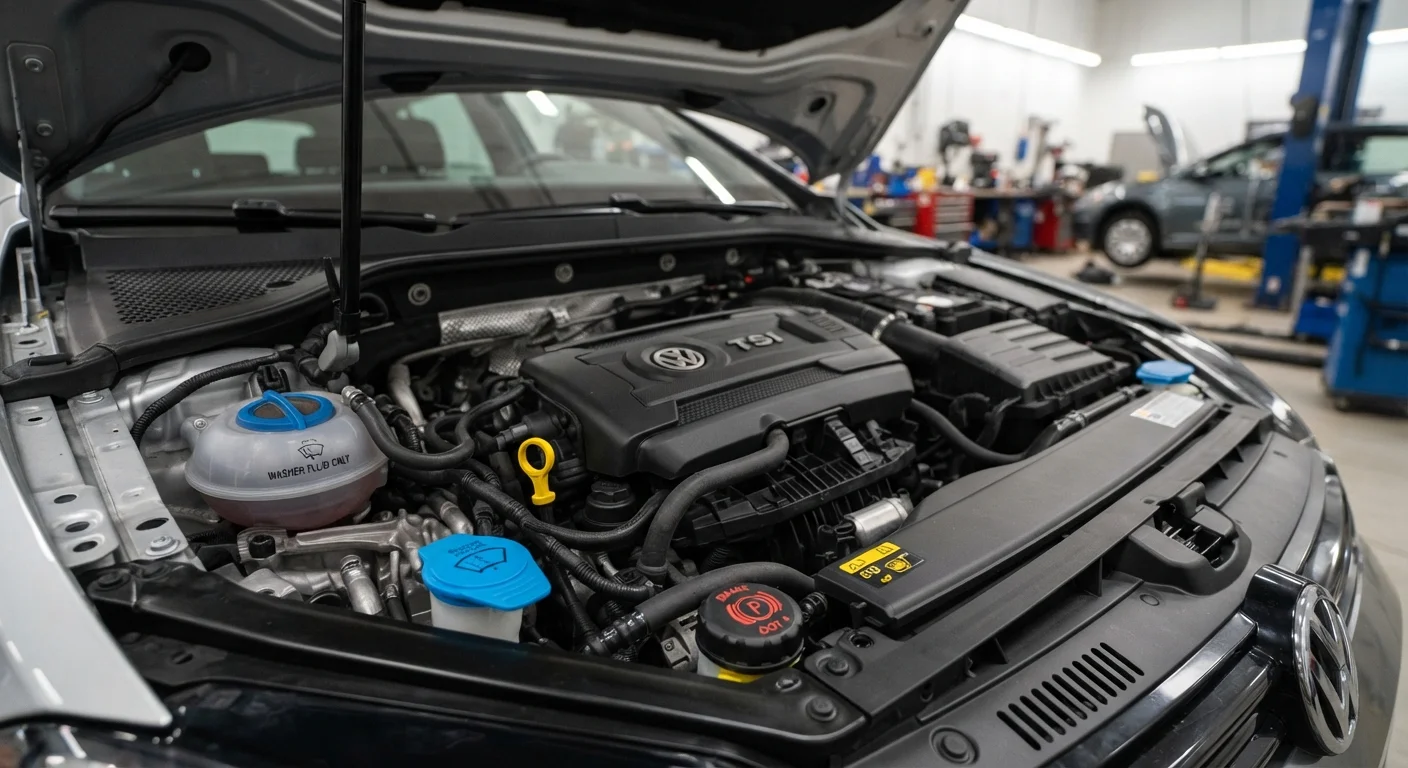
- Oil changes: Engine oil should typically be changed every 5,000 to 7,500 miles for conventional oil, or up to 10,000 miles for full synthetic - always follow your owner's manual. Skipping repeatedly can cause sludge buildup that requires engine flushing or, in severe cases, full engine replacement.
- Timing belt replacement: On vehicles with interference engines, a snapped timing belt causes pistons and valves to collide. That's often a total engine loss - a repair costing $3,000 or more - when a scheduled belt replacement would have cost a few hundred dollars.
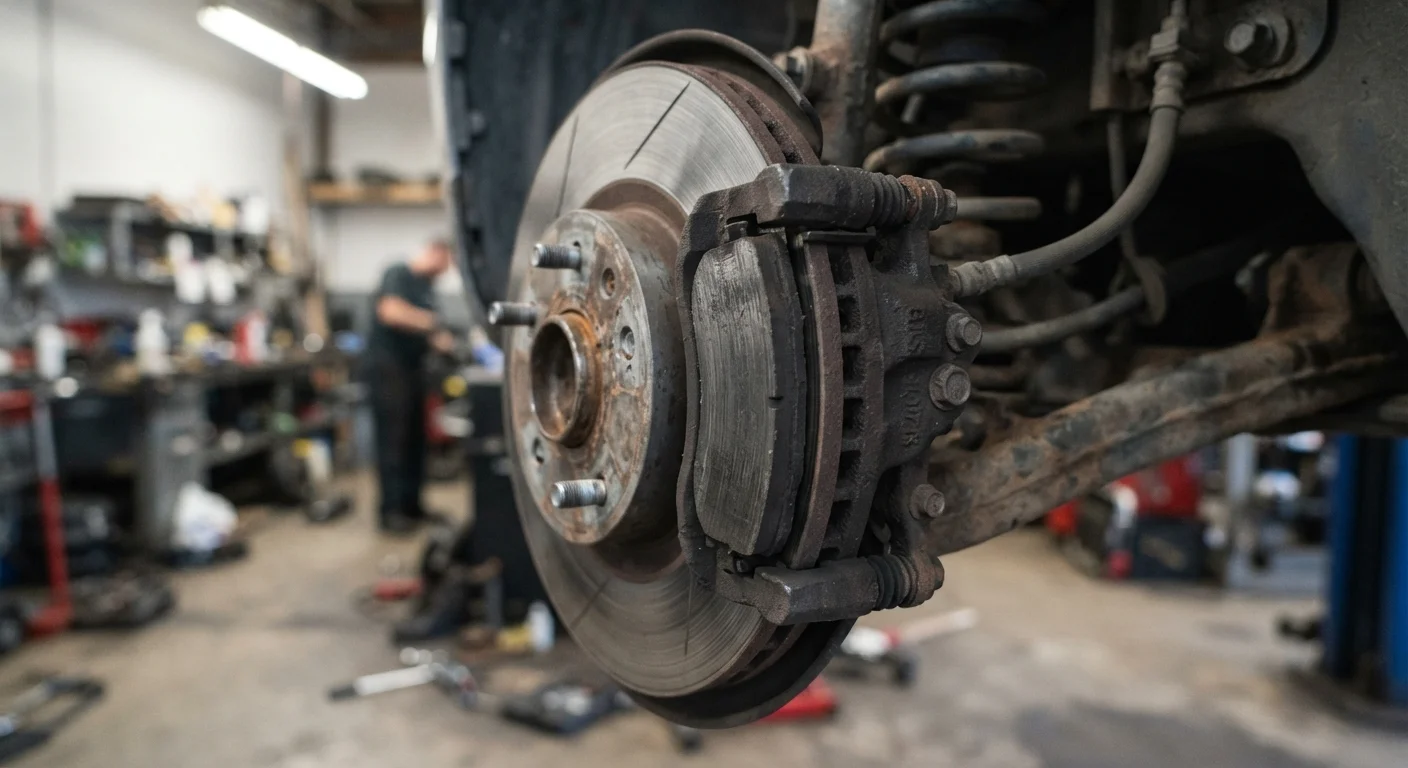
- Brake fluid: Brake fluid absorbs moisture over time, lowering its boiling point and reducing braking effectiveness. Flushing it on schedule (commonly every two years) costs far less than replacing corroded brake calipers or, far worse, experiencing compromised braking when it matters most.
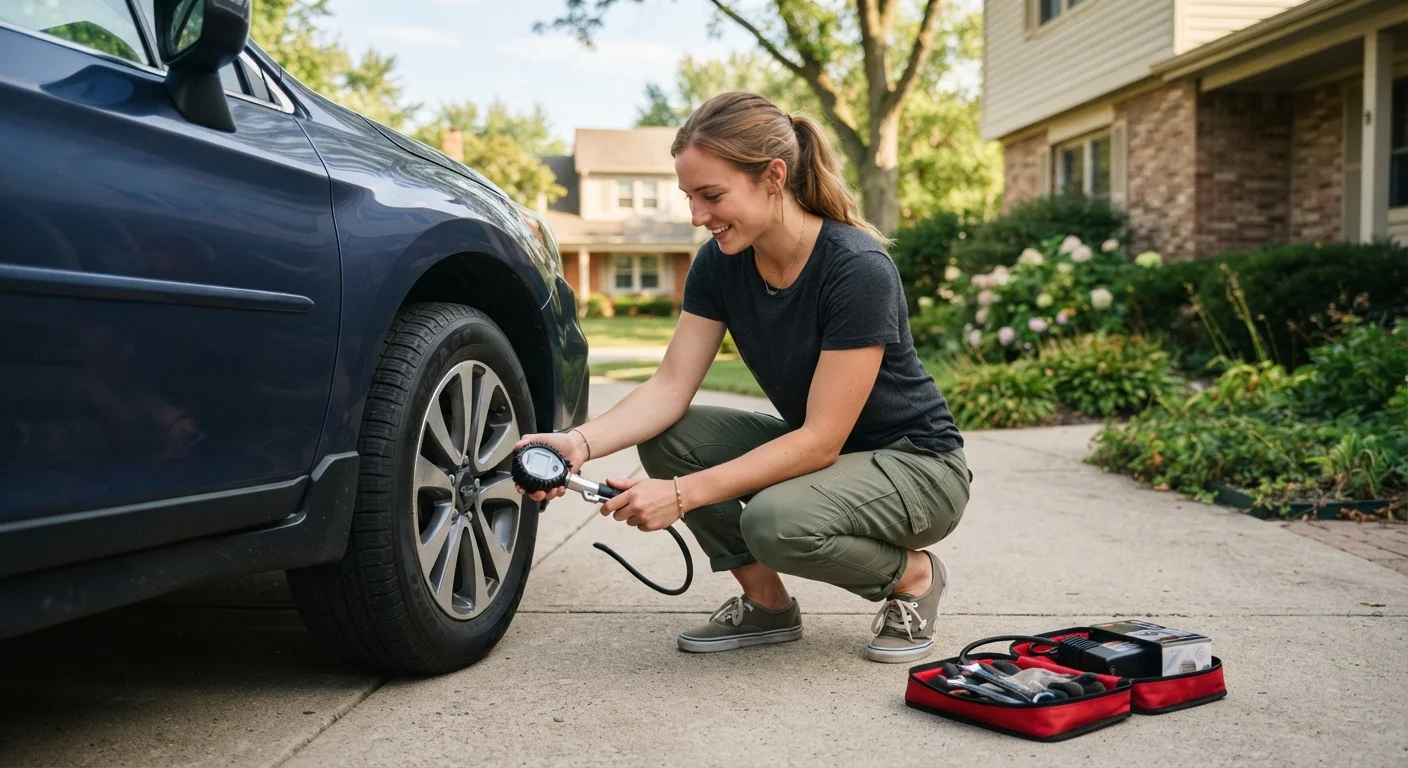
- Tire rotations: Uneven tire wear from skipped rotations shortens tire life significantly, meaning premature replacement of what are already expensive components. It also affects handling and fuel efficiency along the way.
For a broader look at the habits that quietly shorten a car's lifespan, the pattern is consistent: small neglect compounds into large costs.
Building a Maintenance Habit That Actually Sticks
The most effective way to avoid deferred maintenance is to make it automatic, not a decision you revisit each time money is tight. A few practical approaches:
- Use your owner's manual as the authority. Manufacturer schedules are engineered benchmarks, not suggestions. They define the minimum care your specific vehicle needs to perform reliably.
- Create a mileage-based calendar. Note your current odometer reading and when each service is next due. Revisit it when you fill up - the habit pairs naturally.
- Budget maintenance as a fixed monthly cost. If you spread annual maintenance expenses across 12 months mentally, each oil change feels like drawing from a fund you've already set aside, not an unexpected hit. Understanding budgeting basics can help you build this kind of predictable cost planning into your monthly finances.
- Address warning lights promptly. A check-engine or oil-pressure light is a cost-containment opportunity - not something to tape over with black electrical tape and revisit later.
Set a mileage alert on your phone
A simple recurring reminder tied to your current odometer reading is one of the most reliable ways to stay on top of service intervals. Note the mileage at your last oil change, add the interval from your owner's manual, and set an alert. You don't need a special app - your phone's calendar works fine.
The principle isn't unique to cars, either. The same deferred-maintenance math applies to home systems - first-year homeowners often discover that small overlooked tasks compound into major expenses just the same.