Engine Oil: The Most Critical Fluid in Your Car
Engine oil lubricates hundreds of moving metal parts, reduces friction, draws heat away from the engine, and suspends microscopic debris until the oil filter can trap it. Without adequate, clean oil, an engine can seize - sometimes within minutes.
Check the dipstick with the engine cold or at least five minutes after shutting it off. Wipe it clean, reinsert fully, then pull it again for an accurate reading. Oil should sit between the two marks on the dipstick and appear amber to light brown. Black, gritty, or milky-looking oil signals it's overdue for a change - or points to a more serious issue like coolant contamination.
General interval: Most modern vehicles using full-synthetic oil can go 7,500-10,000 miles between changes, but conventional oil typically needs changing every 3,000-5,000 miles. Follow your owner's manual, not just the sticker from the last oil change shop.
Check Oil When the Engine Is Cold
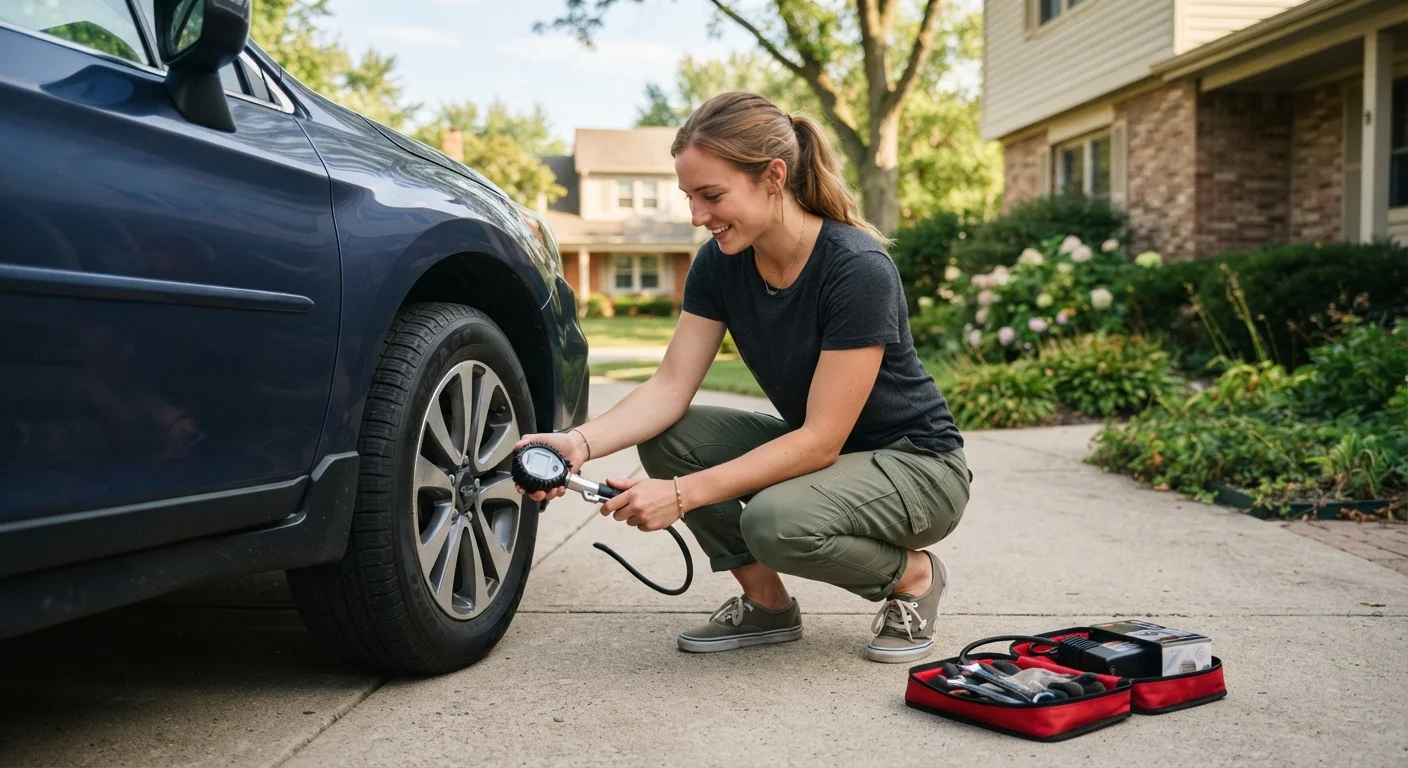
For the most accurate dipstick reading, check engine oil at least five minutes after the engine has been running, or first thing in the morning before starting it. Hot oil clings to the dipstick walls and can give a false low reading. Make it part of a monthly habit alongside your tire pressure check - tire pressure basics are covered in our dedicated guide.
Coolant, Brake Fluid, and Transmission Fluid
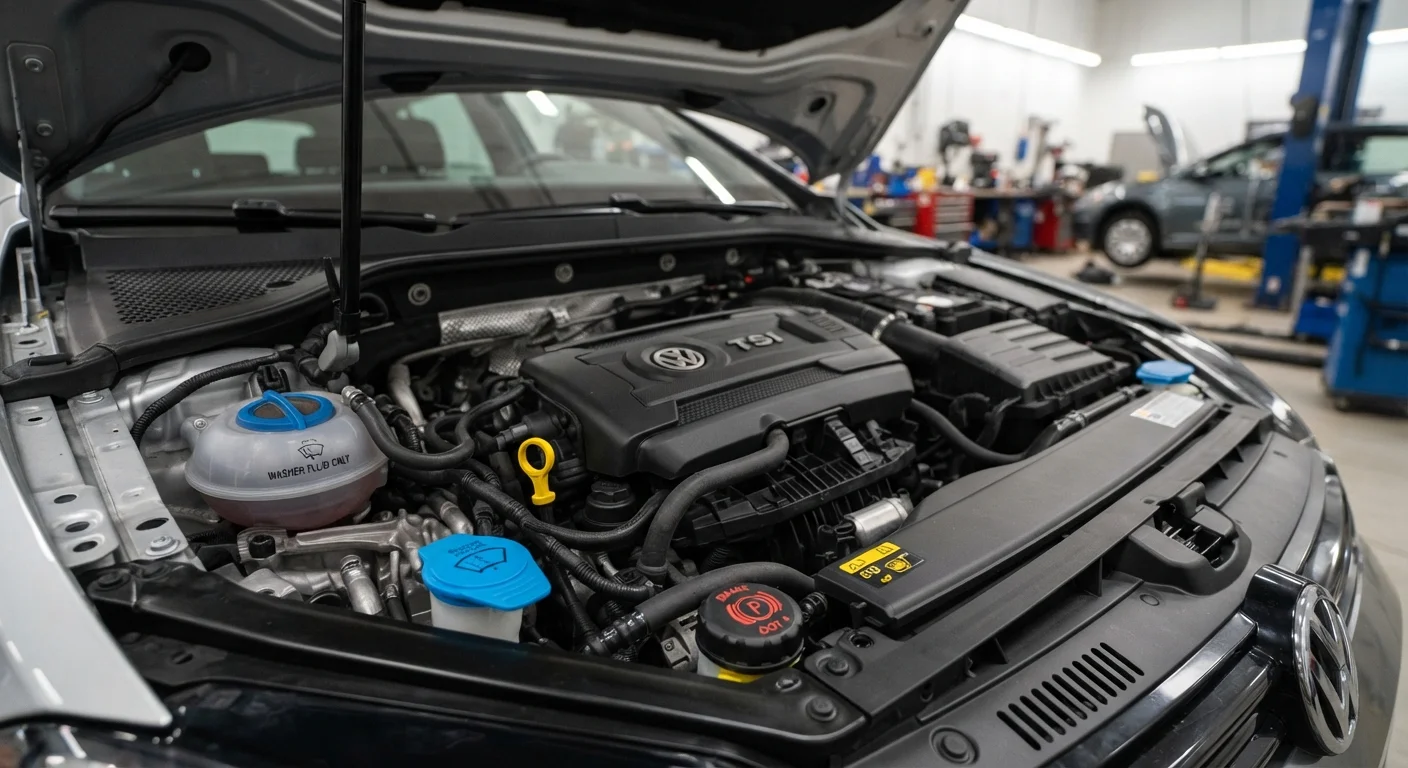
Coolant (Antifreeze) regulates engine temperature, preventing both overheating in summer and freezing in winter. The reservoir is usually a translucent plastic tank near the radiator. The level should fall between the MIN and MAX lines when the engine is cold - never open the radiator cap when the engine is hot, as pressurized coolant can cause serious burns. Most manufacturers recommend a full coolant flush every 30,000-50,000 miles, though this varies by formulation.
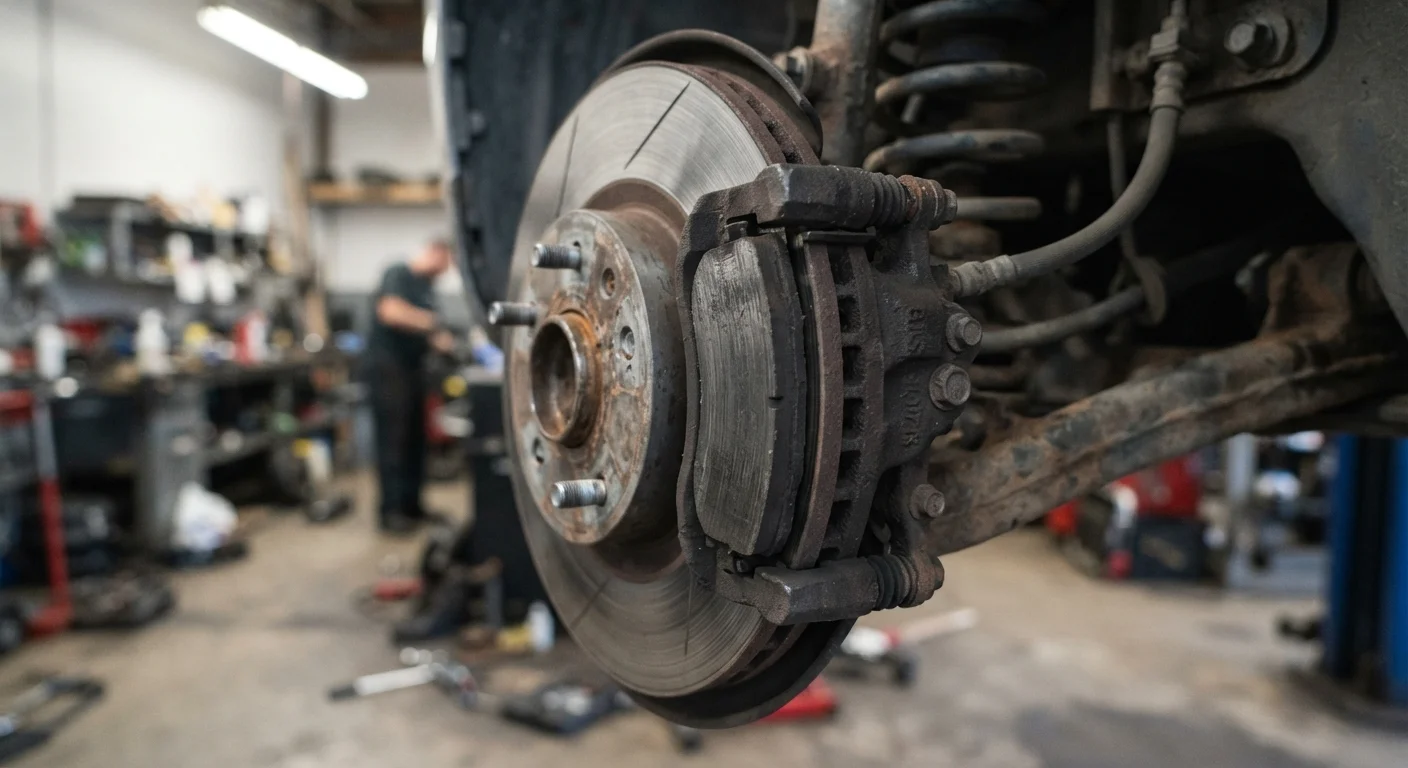
Brake fluid is a hydraulic fluid that transfers the force of your foot on the pedal to the brake calipers at each wheel. It absorbs moisture over time, which lowers its boiling point and can make braking feel spongy. The reservoir sits on top of the brake master cylinder under the hood. If the level is low and brake pads aren't worn, have the system inspected for leaks immediately. Most manufacturers recommend replacing brake fluid every 2-3 years regardless of mileage.
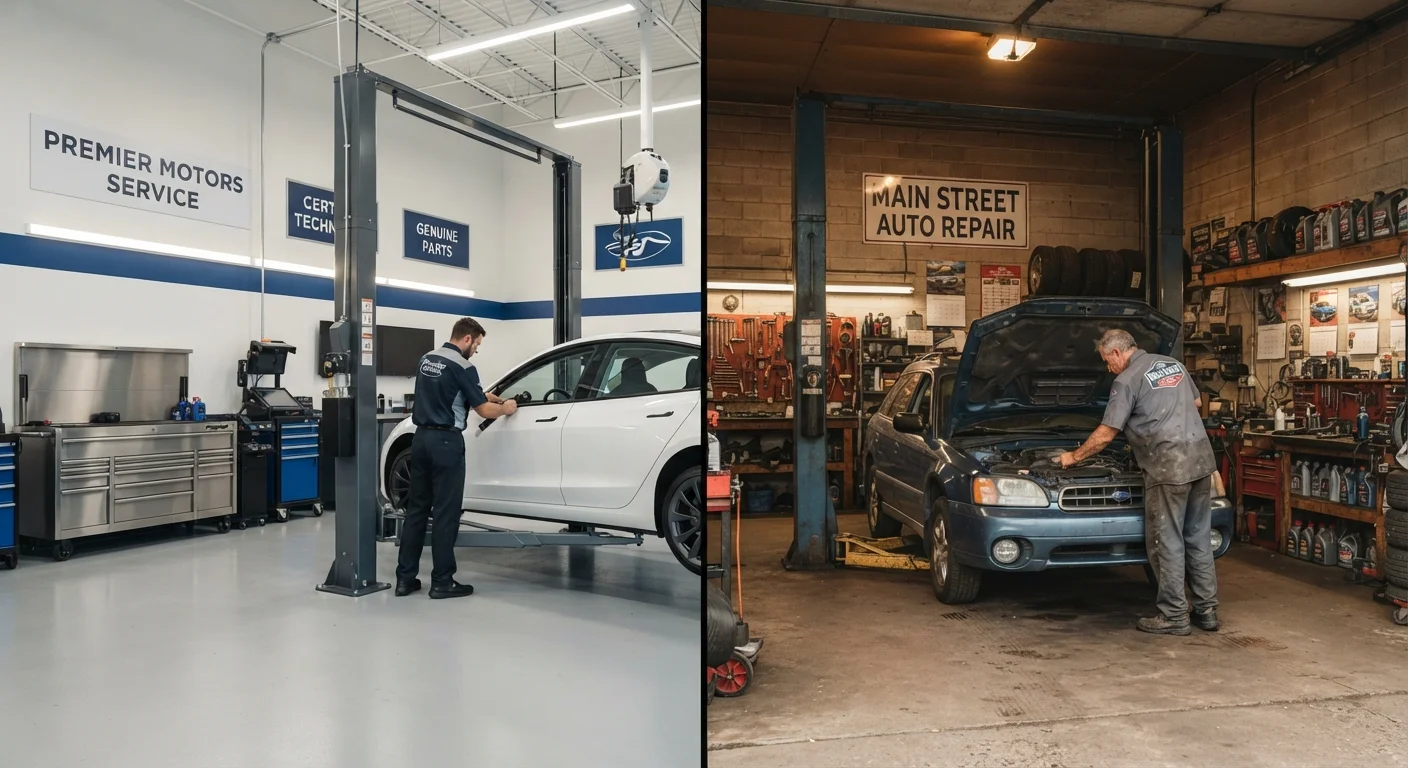
Transmission fluid lubricates the gears in your transmission and, in automatics, acts as a hydraulic fluid too. Many vehicles have a sealed transmission with no dipstick, making level checks a job for a shop. Dark, burnt-smelling fluid is a sign it needs replacing. Neglect here often leads to rough gear shifts and, eventually, transmission failure - one of the priciest repairs a car can need.
$4,000+
Average engine repair cost from oil neglect
Industry repair data consistently shows that running an engine with low or degraded oil is among the leading causes of premature engine failure, with rebuilds and replacements often exceeding this figure.
~30%
Drivers who never check fluid levels
Surveys from automotive consumer research groups have found that a significant share of drivers go years without checking any fluid outside of their scheduled service visits.
2-3 years
Recommended brake fluid replacement interval
Many manufacturers recommend replacing brake fluid on a time-based schedule regardless of mileage, because moisture absorption begins immediately upon first use.
Power Steering Fluid, Windshield Washer Fluid, and the Big Picture
Power steering fluid (in vehicles without electric power steering) keeps steering smooth and responsive. The reservoir - typically labeled with a steering wheel icon - should be checked monthly. Low fluid often causes whining noises when turning. If it's chronically low, a seal or hose may be leaking.
Windshield washer fluid is easy to overlook because it doesn't affect mechanical function - until you need it. Use a fluid rated for your climate (some formulas are rated to -20°F) and never substitute plain water, which can freeze in cold weather and leave mineral deposits on the glass.
Keeping all six fluids at proper levels and in good condition is one of the most cost-effective things you can do as a car owner. Most checks take under five minutes and require no tools. If a dashboard warning light illuminates - often related to oil pressure, coolant temperature, or brake system - treat it as urgent. See what your car's warning lights are actually telling you to decode what the symbol means and how quickly you need to act.
For a broader view of routine upkeep you can handle yourself, explore DIY car maintenance tasks you can handle safely at home. And before temperature extremes hit, seasonal car maintenance tips will help you prep your fluids - and the rest of your car - for whatever's coming.
When Fluids Drop Repeatedly, Investigate Why
Topping off a fluid that keeps going low isn't a fix - it's a temporary patch. Chronic low coolant, oil, or brake fluid almost always signals a leak, a worn seal, or another underlying problem. Repeatedly adding fluid without investigating the cause can mask a serious issue until it becomes a much more expensive repair. If a fluid level doesn't stay stable, have a mechanic inspect the system.