What You're Actually Paying For
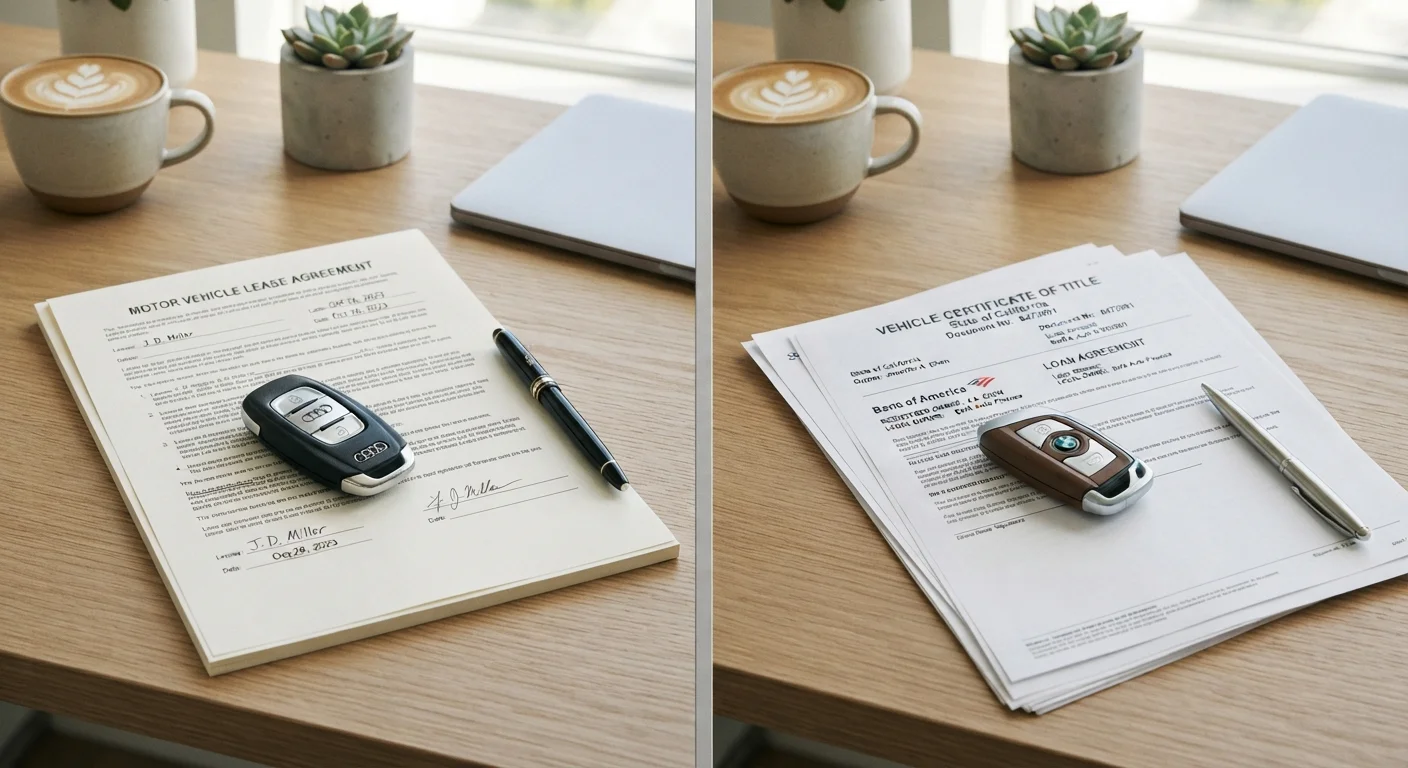
When you lease a car, you're paying for depreciation - the portion of the vehicle's value that drops during your lease term - plus interest (called the money factor) and fees. You never pay for the whole car. When you finance, your payments gradually pay off the entire vehicle price, and at the end you own it outright.
Understanding how depreciation works is critical here. A new car typically loses the most value in its first two to three years - exactly the period covered by most leases. Lessees absorb that steepest part of the depreciation curve without retaining any of the remaining asset value.
Financing, by contrast, means you're still exposed to depreciation, but you're accumulating equity as you pay down the loan - equity that can be used toward your next vehicle or simply kept as an owned asset. It's one of the clearest examples of how a fixed monthly expense can serve very different financial purposes depending on what you're actually purchasing.
How the Numbers Actually Compare
Monthly lease payments are often $100-$150 lower than comparable loan payments, which is the primary reason leasing feels attractive. But that number doesn't tell the whole story.
| Leasing | Financing | |
|---|---|---|
| Monthly payment | Lower (covers depreciation only) | Higher (covers full vehicle price) |
| Ownership at end of term | None - return the vehicle | Full ownership of the vehicle |
| Mileage restrictions | Yes - typically 10-15k/year | None - drive as much as you want |
| Equity building | No equity accumulates | Equity builds with each payment |
| Flexibility to exit early | Expensive and complicated | Sell or trade in at any time |
| Long-term cost (5+ years) | Higher - cycling keeps payments ongoing | Lower once loan is paid off |
| Modification allowed | No - vehicle must be returned as-is | Yes - you own it |
After a 36-month lease, you hand the keys back. After a 60-month loan, you own the car - and if you keep it for several more years, your cost per mile drops significantly. The math consistently favors long-term financing for drivers who hold onto vehicles past the loan payoff date.
~$150
Typical monthly lease vs. loan payment gap
Industry analyses consistently show lease payments running $100-$150 lower per month than comparable loan payments on the same vehicle.
49%
Average new-car value lost in first 3 years
According to widely cited automotive depreciation data, many new vehicles lose roughly half their value within the first three years - the core lease window.
The Fine Print That Changes Everything
Leases come with contractual restrictions that many first-time lessees underestimate. The most consequential:
- Mileage caps - typically 10,000-15,000 miles per year. Exceeding them triggers per-mile penalties, often $0.15-$0.30 per mile, that can add up to thousands at turn-in.
- Wear-and-tear charges - dents, interior stains, or tire wear beyond "normal" standards result in fees assessed when you return the vehicle.
- Early termination penalties - ending a lease early is expensive and complicated; you may owe all remaining payments plus additional charges.
- No modifications - you can't make meaningful changes to a vehicle you don't own.
Financing has its own constraints - most notably that you're responsible for all maintenance and repair costs once the warranty expires - but you retain the freedom to sell, trade in, or modify the vehicle at any time. See common car ownership mistakes that erode the financial advantage of owning.
Gap Insurance Is Not Optional on a Lease
If a leased vehicle is totaled or stolen, standard auto insurance may only cover the car's current market value - which can be less than what you still owe on the lease. Gap insurance (or gap coverage built into the lease) covers the difference. Skipping it can leave you paying thousands out of pocket on a car you no longer have.
Which Path Makes Sense for Your Situation
Neither option is inherently smarter - both have a logical use case. The decision hinges on a few personal factors:
- How many miles do you drive annually? If you regularly exceed 15,000 miles, leasing's overage fees will likely cancel out any monthly savings.
- How long do you plan to keep the vehicle? Financing rewards patience. The longer you hold a paid-off car, the lower your true cost per year becomes.
- Do you value flexibility or predictability? Leasing cycles you into a new vehicle with known maintenance costs every few years. Financing locks you into one car but gives you more exit options.
- What does your credit look like? Both options require good credit for favorable terms, but lease qualification standards can be stricter at some lenders.
For a full picture of what car ownership actually costs - fuel, insurance, maintenance, and financing combined - review the true cost of owning a car before committing to either route.
Run the Full-Term Math Before Deciding
Instead of comparing monthly payments, calculate the total amount paid over five to seven years under each scenario - including what you'd pay in a second lease cycle versus driving a paid-off financed car. The monthly payment gap often disappears when you factor in perpetual lease cycling versus years of payment-free ownership after a loan is retired.
This article is for general informational and educational purposes only and does not constitute personalized financial or legal advice. Consult a qualified financial professional before making decisions about auto financing or leasing agreements.