
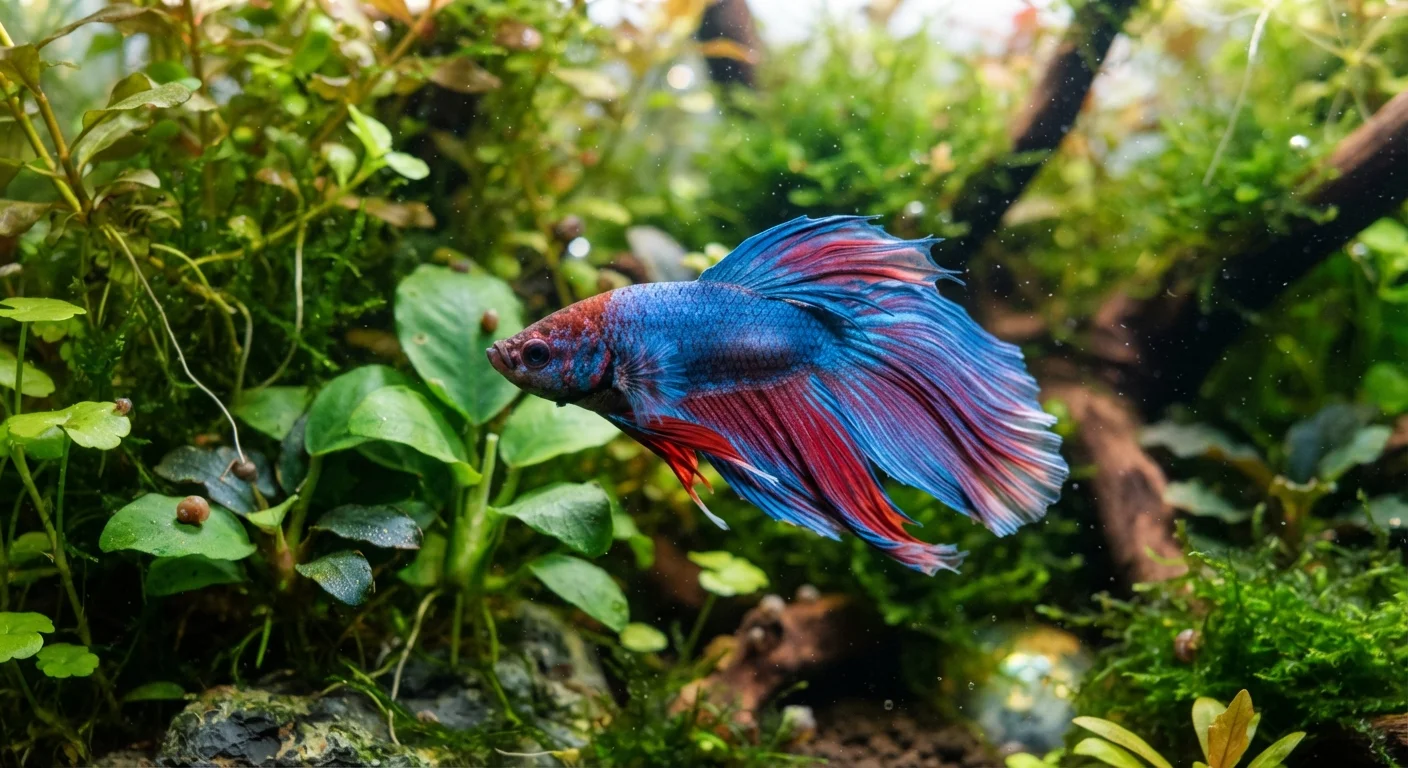
Why Betta Care Is Often Misunderstood
Betta fish (Betta splendens) are among the most widely sold freshwater fish in the US, yet they're also among the most commonly undercared for. They're frequently marketed alongside small bowls and minimal supplies, which gives new owners a misleading picture of what these fish actually need to survive — let alone thrive.
Bettas are native to shallow, warm waters in Southeast Asia, including rice paddies and slow-moving streams. This environment is often used to justify keeping them in tiny, unfiltered containers. But those natural habitats, while shallow, are large and connected ecosystems — not isolated cups. Their resilience doesn't mean they're low-maintenance; it means they can survive neglect longer than some fish before showing visible symptoms.
Before you set up any tank, it's worth understanding how water chemistry works. Our guide on the nitrogen cycle in aquariums explains how ammonia, nitrite, and nitrate interact — knowledge that's essential for keeping any fish healthy long-term.
Tank Size and Setup Requirements
The minimum recommended tank size for a single betta is 5 gallons. Smaller volumes — including the 1-gallon bowls sold alongside bettas in pet stores — cause rapid fluctuations in water parameters, which stress the fish and shorten its lifespan significantly.
A proper betta setup includes:
- A low-flow filter: Bettas dislike strong currents. Sponge filters or adjustable hang-on-back filters set to a gentle flow are well-suited to them.
- A lid: Bettas are jumpers. A secure lid prevents escapes and keeps evaporation manageable.
- Live or silk plants: Bettas benefit from visual cover and enrichment. Avoid sharp plastic decorations that can tear their delicate fins.
- A heater: Unless your home consistently stays above 76°F, a submersible aquarium heater is necessary.
If you're weighing different tank types and setups more broadly, our overview of freshwater vs. saltwater aquariums can help you understand what a freshwater-only setup involves before you commit.
Cycle Before You Stock
Always fully cycle a new tank before adding your betta. An uncycled tank has no established beneficial bacteria to process ammonia, which can reach toxic levels within 24–48 hours of adding a fish. Use a water testing kit to confirm ammonia and nitrite read 0 ppm before introducing any livestock.
Water Quality and Temperature
Water quality is the single most important factor in betta health. The target parameters for a healthy betta tank are:
- Temperature: 76°F–82°F (24°C–28°C)
- pH: 6.5–7.5
- Ammonia and nitrite: 0 ppm at all times
- Nitrate: Under 20 ppm with regular water changes
Perform partial water changes of approximately 25–30% weekly. Use a dechlorinator (sodium thiosulfate-based products are widely available) to neutralize chlorine and chloramine in tap water before adding it to the tank. Test your water weekly using a liquid test kit — strip tests are less accurate and can give misleading readings.
Never Use Untreated Tap Water
Tap water in most US municipalities contains chlorine or chloramines, which damage a fish's gills and destroy beneficial bacteria in your filter. Always treat tap water with a dechlorinator before adding it to the tank — even for water changes. This step takes seconds and is non-negotiable for fish health.
Bettas are labyrinth fish, meaning they have a supplemental organ that allows them to breathe atmospheric air. You'll often see your betta surface to gulp air — this is normal. However, if they appear to be gasping at the surface constantly, it typically signals low dissolved oxygen or poor water quality, not normal behavior.
Feeding Your Betta Correctly
Bettas are carnivores. Their diet in the wild consists of insects and larvae, which means they need a protein-rich diet — not the generic tropical fish flakes often sold near their tanks in pet stores.
A balanced betta diet includes:
- High-quality betta pellets as a staple — look for options with fish or shrimp meal listed as the primary ingredient.
- Frozen or freeze-dried foods like bloodworms, daphnia, or brine shrimp offered a few times per week as supplemental variety.
Feed small amounts once or twice daily. A common guideline is to offer only what your betta can consume within two minutes. Uneaten food sinks, decomposes, and raises ammonia levels — one of the most frequent causes of sudden illness in home tanks.
Fast your betta for one day per week. This supports digestive health and reduces the risk of constipation and bloat, both of which are common in overfed bettas.
Watch the belly, not just the fins. A slightly pinched abdomen after fasting day is fine, but consistent bloating after meals often signals overfeeding or a dietary issue worth addressing before it escalates.
Digestive problems like constipation and bloat are among the most common preventable causes of betta illness, and they develop gradually — making early observation key.
When doing water changes, match the temperature of the new water to the tank water within 1–2°F before adding it. Even a few degrees of sudden change can trigger temperature shock in bettas.
Bettas are sensitive to thermal fluctuations, and repeated temperature stress can suppress their immune systems over time, making them more vulnerable to infection.
Common Health Problems to Watch For
Even with good husbandry, bettas can develop health issues. Recognizing symptoms early gives you a much better chance of addressing them before they become serious.
- Fin rot
- Ragged, discolored, or receding fins — usually caused by bacterial infection stemming from poor water quality. The first step is always a water change and parameter check.
- Ich (White Spot Disease)
- Tiny white dots resembling grains of salt on fins and body. Ich is caused by a parasite and is highly treatable when caught early, typically with aquarium salt or heat treatment under veterinary guidance.
- Bloat / Dropsy
- Swollen abdomen and raised, pinecone-like scales indicate fluid retention (dropsy), which is often a sign of internal bacterial infection. Dropsy is serious and warrants prompt consultation with an aquatic veterinarian.
- Velvet
- A gold or rust-colored dust-like coating on the skin. Velvet is a parasitic infection that can spread quickly in a tank.
For any new fish you're considering adding to a tank with your betta, our guide on quarantining new fish outlines the proper process to prevent introducing disease.
This article is for general informational purposes only and is not a substitute for veterinary advice. Always consult a qualified aquatic veterinarian if your fish shows signs of illness.
Avoid Unverified 'Home Remedies'
Online forums are full of unofficial treatments for sick bettas — from tea tree oil to garlic extract. Some of these can harm your fish or mask symptoms without addressing the underlying cause. When your betta is visibly ill, your first steps should be a water parameter check and consultation with an aquatic veterinarian, not unverified treatments.
Mistakes New Owners Frequently Make
Most betta problems stem from a handful of recurring mistakes. Being aware of them before they happen is the most effective form of prevention.
- Skipping the nitrogen cycle: Adding a betta to an uncycled tank exposes it to ammonia spikes that can be fatal within days. Cycle your tank first — typically 4–6 weeks — before introducing any fish.
- Housing male bettas together: Male bettas are highly territorial and will fight until one or both are severely injured or dead. Keep males in separate tanks at all times.
- Using distilled or RO water without remineralization: Pure distilled water lacks the minerals fish need. If you use it, remineralize it before use.
- Ignoring behavioral changes: Lethargy, hiding, loss of appetite, or clamped fins are early warning signs. Don't wait for visible physical symptoms to act.
- Overcrowding: Adding snails, shrimp, or other fish without researching compatibility can result in stress, injury, or disease.
If you're preparing to set up your first tank and want a comprehensive pre-purchase checklist, see our guide to what to prepare before bringing home a small pet. Many of the readiness questions apply directly to fish ownership.
Like bettas, other small pets are often misunderstood — our look at what hamsters actually need to thrive follows a similar theme of correcting common misconceptions before they cause harm.
5+ years
Potential betta lifespan with proper care
With adequate tank conditions and nutrition, bettas commonly live 3–5 years, with some reaching beyond that under optimal husbandry.
76°F–82°F
Ideal water temperature range for bettas
Temperatures outside this range stress the immune system; sustained exposure to cold water below 72°F is a common cause of illness in pet bettas.
5 gallons
Minimum recommended tank size
Veterinary and aquarist consensus consistently places 5 gallons as the floor for a single betta — smaller volumes create unstable water chemistry.