
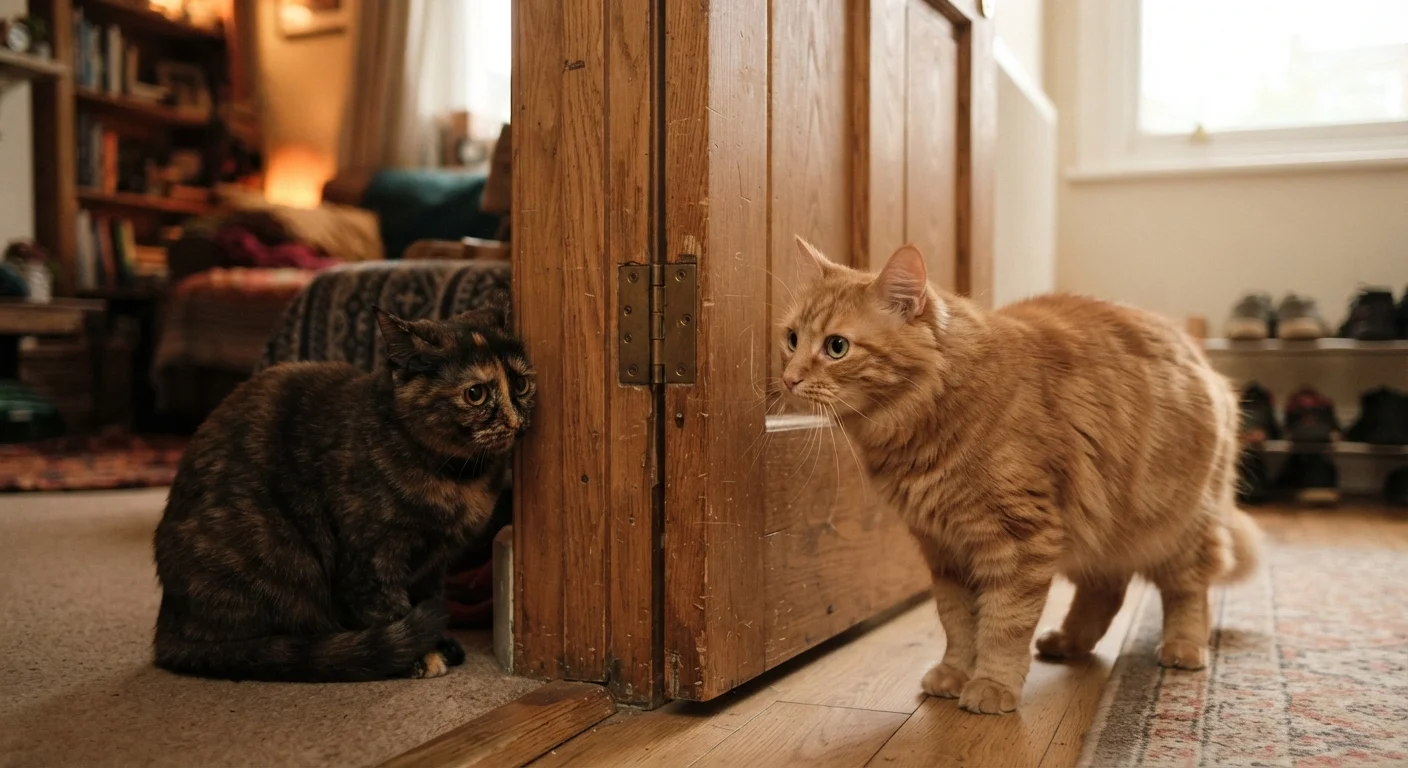
Why Adding a Second Cat Is More Complex Than It Sounds
Cats are often described as solitary animals, and while that's a simplification, it does mean they don't automatically welcome a stranger into their space. Unlike dogs, cats establish territorial boundaries they take seriously. Bringing home a second cat without a plan can create lasting stress for both animals — and for you.
The good news is that the introduction process is well-understood. A gradual, scent-based approach, where cats are separated at first and introduced slowly over days or weeks, gives both animals time to adjust. Skipping this step is the most common mistake new multi-cat households make.
Before you adopt, it also helps to think carefully about who your resident cat actually is. An anxious, older cat may struggle more than a playful younger one. If you're still weighing age-related factors, our guide on kitten vs. adult cat adoption covers how age can shape compatibility.
The Real Advantages of a Multi-Cat Household
When the introduction goes well, the benefits are genuine. Cats that accept each other provide mutual enrichment that no toy or puzzle feeder fully replicates.
Built-in companionship reduces feline boredom
Cats in compatible pairs often engage in play, grooming, and resting together, which provides mental and physical stimulation that enriches their daily lives.
May ease separation anxiety in solo cats
Some cats display stress behaviors when left alone for long periods; a second cat can provide consistent social contact during hours you're away.
Encourages more natural social behavior
Even cats that aren't closely bonded benefit from the opportunity to engage in species-typical interactions like chasing, wrestling, and mutual grooming on their own terms.
Rewarding to watch them develop a relationship
The gradual shift from wariness to tolerance to genuine affection between two cats is something many multi-cat owners describe as one of the most satisfying parts of the experience.
Social companionship is particularly meaningful for cats left alone during work hours. Boredom and inactivity are linked to behavioral issues like over-grooming or destructive scratching — a bonded companion can reduce both. Make sure your space is set up to support two cats comfortably; our room-by-room apartment setup guide is a useful reference.
What Gets Harder: The Honest Disadvantages
A second cat is not simply double the joy at double the cost — the dynamics are more complicated than that.
No guarantee the cats will get along
Even with a careful introduction, some cats never fully accept each other. Parallel tolerance — coexisting without conflict but without warmth — is a common outcome that requires ongoing management.
Introduction process takes significant time and patience
A proper scent-based introduction can take two to four weeks or longer, requiring you to maintain separated spaces and manage slow, staged interactions consistently.
Costs scale meaningfully: food, vet, supplies
Two cats mean two annual wellness visits, two sets of vaccinations, double the food, and potentially doubled emergency vet expenses — a budget consideration worth planning for in advance.
Litter box logistics become more demanding
Veterinary guidelines recommend one box per cat plus one extra; in small living spaces, accommodating three boxes while keeping them clean enough to prevent avoidance requires real effort.
Resident cat may experience lasting stress
Cats are territorial, and some resident cats show prolonged signs of stress — hiding, reduced appetite, or over-grooming — even after weeks of exposure to a new housemate.
One detail owners underestimate is litter box math. The general veterinary guideline is one litter box per cat, plus one extra. In a small apartment, finding room for three boxes is a real spatial challenge. Stress-related elimination issues are also more common in multi-cat homes if resources feel scarce.
Signs Your Resident Cat May Struggle
Watch for persistent hiding, reduced appetite, changes in litter box use, or increased aggression toward you — these can signal that your resident cat is experiencing stress rather than simply adjusting. If these signs persist beyond a few weeks despite a slow introduction, consulting a veterinarian or certified cat behaviorist is a reasonable next step. Early intervention tends to lead to better long-term outcomes than waiting it out.
What Stays the Same
Some concerns that come up don't actually change much with a second cat. Your individual feeding routine, veterinary care schedule, and enrichment philosophy stay largely intact — you're scaling, not rebuilding. Each cat still needs their own food bowl, their own safe retreat space, and regular one-on-one attention from you.
Spay and neuter status matters for both cats, especially during the introduction phase when hormonal behavior can derail an otherwise smooth process. If you haven't already read up on this, our overview of spaying and neutering explains what the procedure involves and how it affects behavior.
2–4 weeks
Typical length of a gradual cat introduction
Veterinary behaviorists generally recommend a phased introduction period of at least two to four weeks before allowing unsupervised contact between cats.
N+1
Recommended litter boxes for N cats
The widely cited veterinary guideline is one litter box per cat, plus one additional box, to reduce resource competition and stress-related elimination problems.
The emotional texture of your home changes, but your core responsibilities as an owner remain recognizable. Stay attentive to both cats individually — it's easy for a quieter resident cat to get overlooked once a livelier newcomer arrives.