
Why This Decision Matters Beyond Population Control
Most people learn about spaying and neutering through the lens of animal overpopulation — and that context is real. Millions of cats enter shelters each year in the United States. But for a first-time cat owner, the decision also carries direct, personal implications for your cat's health and daily behavior that deserve their own spotlight.
Understanding what these procedures actually do — and why veterinarians consistently recommend them — helps you make a genuinely informed choice rather than going through the motions. If you're new to cat ownership, it's worth reading about common early mistakes new cat owners make so you approach your cat's care with full context from the start.
~80%
Reduction in mammary tumor risk when spayed early
According to veterinary research, spaying before the first heat cycle substantially reduces a female cat's lifetime risk of mammary tumors.
3.2 million
Cats entering US shelters annually
The ASPCA estimates approximately 3.2 million cats enter shelters in the United States each year, underscoring the scale of cat overpopulation.
90%+
Male cats that stop spraying after neutering
Studies in feline behavior suggest the majority of male cats who spray indoors reduce or stop the behavior after neutering, particularly when done at a younger age.
What Each Procedure Involves
For female cats, spaying (ovariohysterectomy) involves removing the ovaries and, in most cases, the uterus. This is an abdominal surgery performed under general anesthesia. The incision is small and typically closed with sutures that dissolve on their own or are removed at a follow-up visit.
For male cats, neutering (orchiectomy) is a simpler procedure. The testicles are removed through a small incision in the scrotum. Recovery tends to be faster than for females, and males are often back to normal activity within a few days.
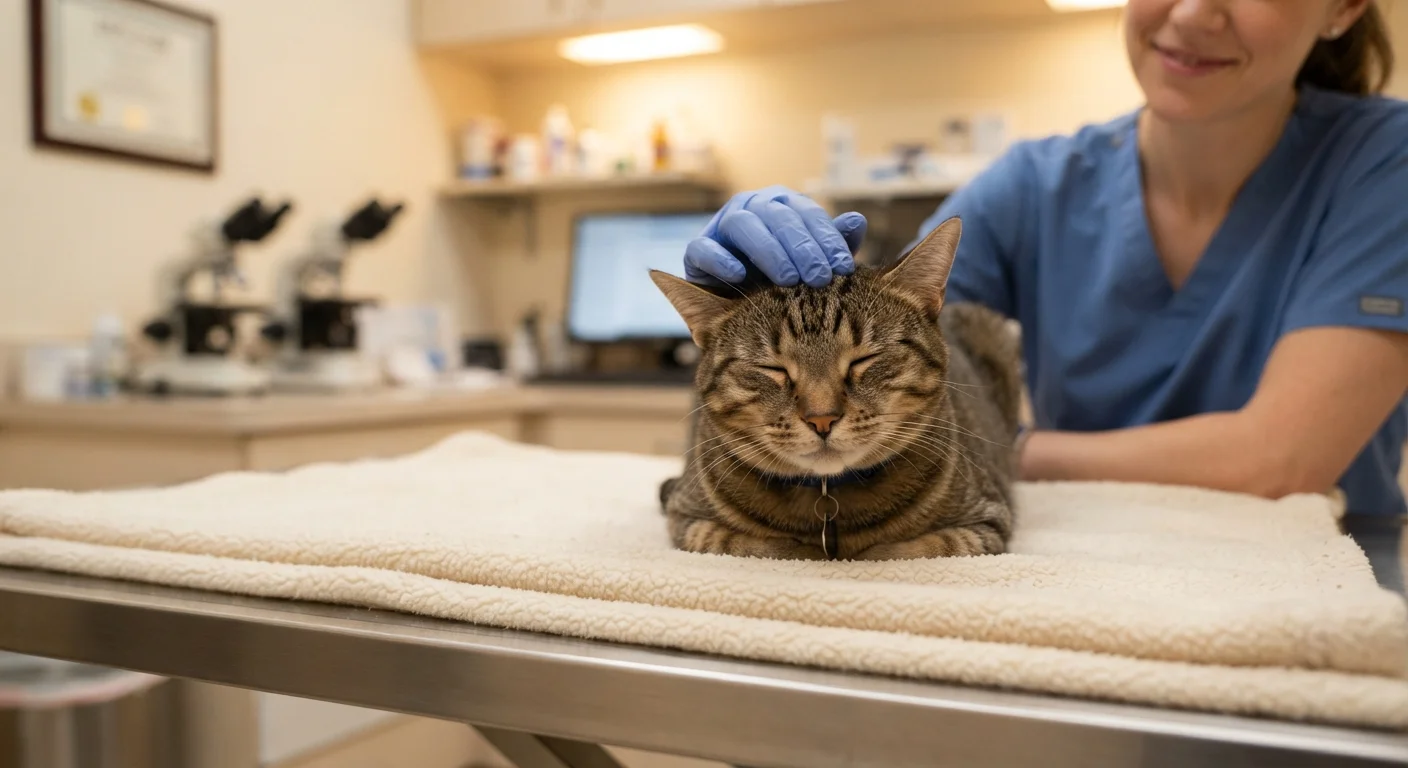
Both surgeries are performed in a veterinary clinic or hospital. Your cat will fast beforehand (your vet will give specific instructions), receive anesthesia, and spend part of the day at the clinic before going home the same day in most cases.
Ask About Pre-Surgical Blood Work
Many veterinary clinics offer optional pre-anesthetic blood screening, especially for kittens or cats of unknown history. This checks organ function before anesthesia is administered. While not always required for young, healthy cats, it provides an added safety baseline and is worth discussing with your vet.
Health Benefits That Go Beyond Breeding Prevention
Spaying eliminates the risk of pyometra — a serious, potentially life-threatening uterine infection that is relatively common in intact female cats. It also removes the risk of ovarian cancer and significantly reduces the likelihood of mammary (breast) tumors, particularly when done before the first heat cycle.
Neutering male cats eliminates testicular cancer and reduces the risk of prostate-related problems. On a behavioral level, it reduces the urge to roam (which exposes cats to outdoor hazards), lowers aggression toward other cats, and dramatically cuts down on urine spraying — a scent-marking behavior that intact males are prone to indoors.
Behavior Changes Aren't Guaranteed Overnight
Some behaviors — like spraying or roaming — may persist temporarily after neutering if they've been practiced for a long time, as habits can partially outlast the hormonal drive behind them. Most improvement is seen within a few weeks to months post-surgery. If a behavioral concern continues well after recovery, a conversation with your vet or a veterinary behaviorist is a good next step.
What to Expect During Recovery
The first 24 hours after surgery, your cat may be groggy from anesthesia. Keep them in a quiet, warm space away from other pets and young children. Limit jumping and rough play for at least a week to prevent stress on the incision site.
Check the incision daily for signs of redness, swelling, discharge, or opening. An e-collar (the cone your vet provides) is your best tool for preventing your cat from licking the wound — even if they hate it. Contact your vet promptly if anything looks unusual or your cat seems lethargic past the first day.
If you're planning to eventually add a second cat to your home, having both cats spayed or neutered before introductions generally makes the process smoother.
Timing: When to Talk to Your Vet
The traditional recommendation has been to spay or neuter around four to six months of age — before sexual maturity. Some veterinary organizations have explored whether waiting slightly longer might benefit certain large or late-developing breeds, though cats (unlike large-breed dogs) typically reach maturity early and are not significantly affected by earlier timing.
If you adopted a kitten from a shelter, there's a good chance the procedure was already done before you brought them home. Ask at adoption if you're unsure. If your cat came from another source, schedule a wellness exam and ask your vet directly — they can assess your individual cat's health and give a tailored recommendation.
This article is for general informational purposes only and is not a substitute for professional veterinary advice. Always consult a licensed veterinarian for guidance specific to your cat's health and situation.