What Is a VIN, and Where Do You Find It?
Every car sold in the United States since 1981 carries a Vehicle Identification Number (VIN) - a standardized 17-character code that uniquely identifies your specific vehicle. Think of it as your car's fingerprint: no two vehicles share the same VIN.
You can find your VIN in several places:
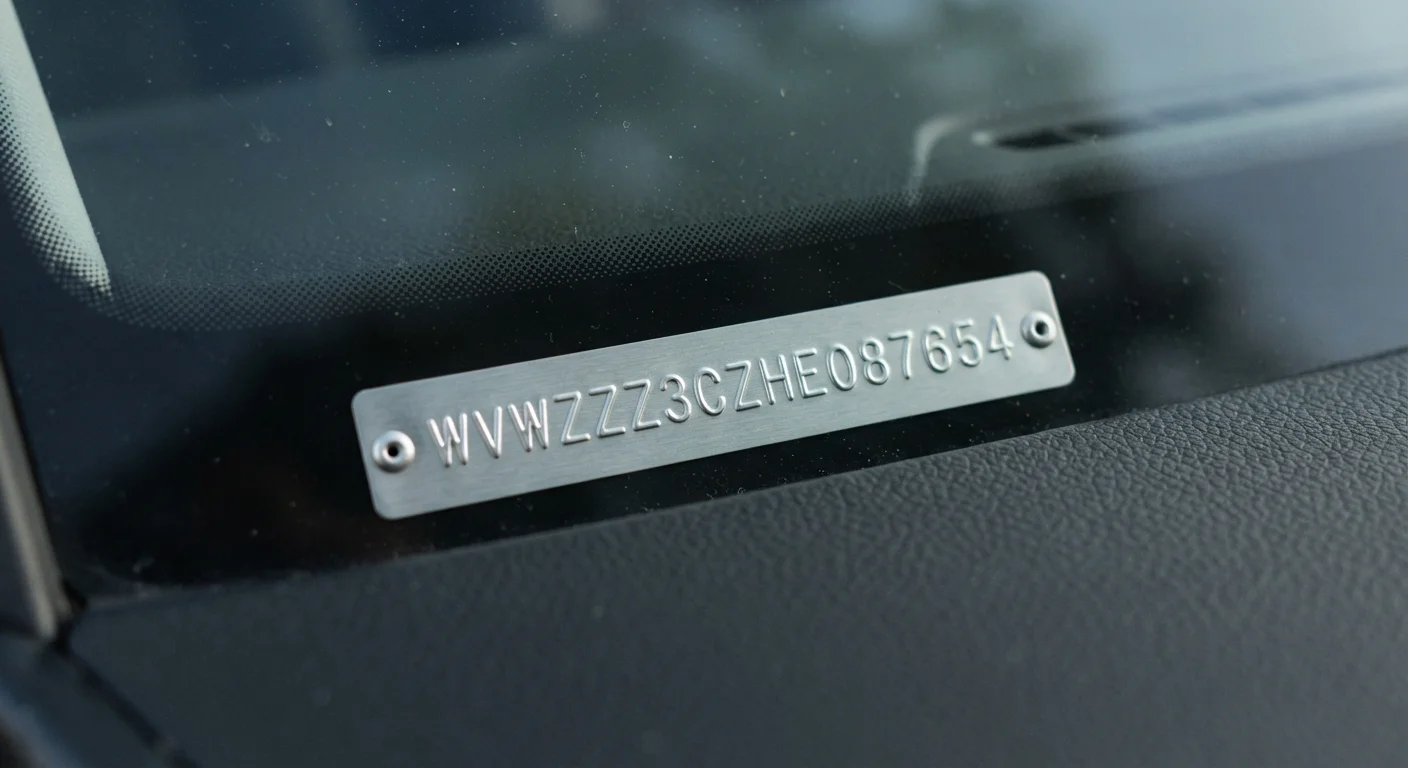
- Driver's side dashboard - visible through the windshield at the lower corner near the A-pillar
- Driver's side door jamb - on a sticker when you open the door
- Your title and registration documents
- Your insurance card
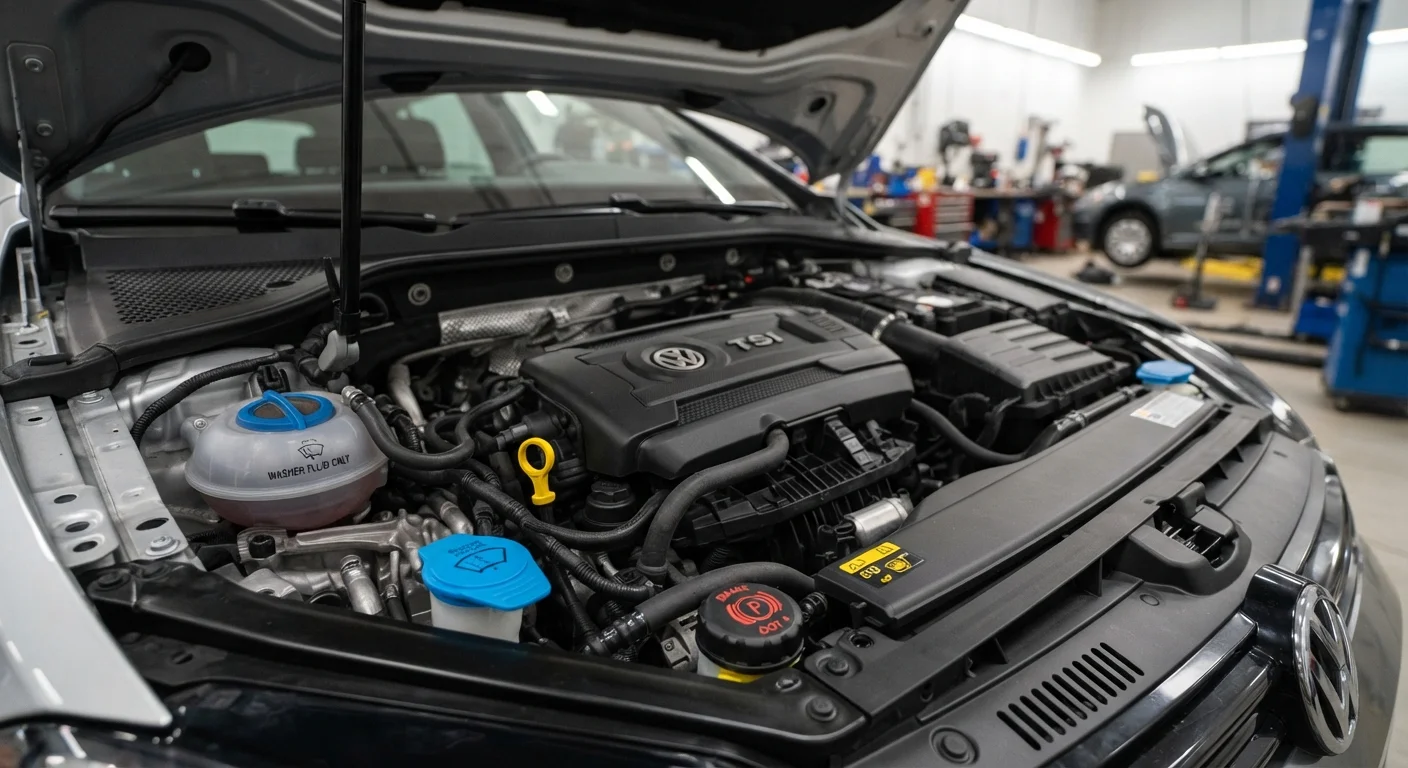
- Under the hood - often stamped on the firewall or engine block
The VIN appears on multiple locations precisely because it's critical for identification - especially after a collision or theft. Knowing where to find it quickly is a basic ownership skill.
| VIN Length | 17 characters (letters and numbers) (49 CFR Part 565, US federal standard since 1981) |
| Letters Excluded | I, O, and Q (to avoid confusion with 1 and 0) (NHTSA VIN standard) |
| Free Recall Lookup | nhtsa.gov/vin - enter any VIN at no cost (National Highway Traffic Safety Administration) |
| Where to Find It Fast | Lower driver's side windshield corner (visible from outside) |
| Model Year Character | Position 10 (letter or number code maps to specific year) (49 CFR Part 565) |
| VIN Standardized In US Since | 1981 model year vehicles (NHTSA) |
How to Read Your VIN - Character by Character
The 17 characters aren't random. Each position carries specific meaning defined by a federal standard (49 CFR Part 565). Here's what the structure looks like:
VIN
Vehicle Identification Number - a standardized 17-character alphanumeric code assigned to every road vehicle. It uniquely identifies the manufacturer, model specifications, and individual production unit.
World Manufacturer Identifier (WMI)
The first three characters of a VIN that identify the country of manufacture and the automaker. For example, '1HG' indicates a Honda vehicle built in the United States.
Check Digit
The ninth character of a VIN, calculated mathematically from the other 16 characters using a government-defined formula. It allows anyone to verify that a VIN is legitimate and unaltered.
Salvage Title
A designation on a vehicle's title indicating it was declared a total loss by an insurer, typically due to severe damage. A VIN history report will flag this status, which affects a car's legal use and resale value.
Open Recall
A safety-related defect identified by a manufacturer or government agency that has not yet been repaired for a specific vehicle. VIN lookups through NHTSA can reveal whether any open recalls apply to your car.
| Positions | Name | What It Tells You |
|---|---|---|
| 1-3 | World Manufacturer Identifier (WMI) | Country of manufacture and automaker |
| 4-8 | Vehicle Descriptor Section (VDS) | Model, body style, engine type, restraint systems |
| 9 | Check Digit | Mathematical verification that the VIN is legitimate |
| 10 | Model Year | The vehicle's model year (letter or number code) |
| 11 | Plant Code | The assembly plant where the vehicle was built |
| 12-17 | Production Sequence Number | Unique serial number for that vehicle off the line |
The check digit (position 9) is particularly useful - it's calculated using a formula applied to the other 16 characters. If a VIN's check digit doesn't compute correctly, the VIN has been altered or is fraudulent. When buying a used car, this matters.
When You'll Actually Need Your VIN
Your VIN isn't just trivia - it shows up in practical situations throughout car ownership:
- Buying or selling a used vehicle: Run a VIN history report through NHTSA's free VIN lookup or a paid vehicle history service to check for accidents, odometer rollback, title issues, and prior theft reports. This step is essential - and often skipped by first-time buyers.
- Registering your car: Your state's DMV links registration records to your VIN, not just your license plate.
- Getting insurance: Insurers use your VIN to confirm the exact vehicle being covered. An incorrect VIN on your policy can complicate a claim. See how your policy works in our guide to auto insurance coverage sections.
- Safety recalls: NHTSA's free online tool at nhtsa.gov lets you enter your VIN to see if your specific vehicle has any open recalls - including ones that may not have made national news.
- Ordering parts: The engine and trim codes embedded in the VIN help parts suppliers confirm compatibility, especially for models offered with multiple engine options.
- Resale documentation: A clean vehicle title and consistent VIN across all paperwork signals to buyers that the car's history is transparent - which directly affects resale value. Pair this with a complete maintenance log for the strongest resale position.
NHTSA's Free VIN Lookup Is Underused
The National Highway Traffic Safety Administration provides a free VIN lookup tool at nhtsa.gov that reveals open safety recalls for any US-registered vehicle. Many drivers don't know this resource exists or assume their dealer would have told them about outstanding recalls - but that's not always the case. Checking your own VIN takes less than a minute and could surface a safety issue that affects your car right now.
Red Flags: When a VIN Raises Questions
Not every VIN-related warning means fraud, but certain patterns deserve a closer look before you hand over money or sign paperwork.
~1 in 5
Used cars with hidden title problems
Industry vehicle history data consistently shows a significant share of used vehicles carry undisclosed issues such as salvage titles, odometer rollback, or accident history.
900+
Active recall campaigns at any given time
NHTSA typically administers hundreds of simultaneous open recalls across vehicle makes and models in the United States.
- VINs that don't match across locations - the dashboard VIN should be identical to the door jamb sticker, title, and any seller-provided documents. A mismatch can indicate the vehicle was in a serious collision and rebuilt using parts from another car.
- A VIN fewer or more than 17 characters - post-1980 US vehicles always have exactly 17. Short or long numbers suggest a counterfeit or pre-standardization vehicle misrepresented as newer.
- A check digit that doesn't validate - several free online VIN validators can run this math instantly. If it fails, the VIN has been modified.
- Missing or re-stamped VIN plates - look for scratches, uneven lettering, or evidence that rivets have been disturbed. Legitimate plates look factory-applied.
Vehicle theft recovery, salvage titles, and flood damage all show up in history reports tied to a VIN - which is why skipping a lookup before buying used is a risk not worth taking. Depreciation and resale value are also affected by a vehicle's history; our piece on how cars lose value explains why that background check has real financial stakes.