Why Private Seller Purchases Carry Unique Risk
Buying from a private seller often means a lower price tag than a dealership - but that savings can evaporate quickly if you skip the verification steps. Unlike licensed dealers, private sellers aren't required to provide warranty coverage, disclose known defects in all states, or follow consumer protection protocols. Once you hand over the money, you typically have no legal recourse.
That doesn't mean private sales are a bad idea. It means you have to do the due diligence yourself. The checklist below gives you a structured path through the four critical verification areas: the title, the vehicle's history, its physical condition, and the closing paperwork. Work through each section before any money changes hands.
Once you've secured the car, keep in mind that ownership costs extend well beyond the purchase price. Our article on the true cost of owning a car breaks down what to budget for after the sale.
Title Verification
Vehicle History
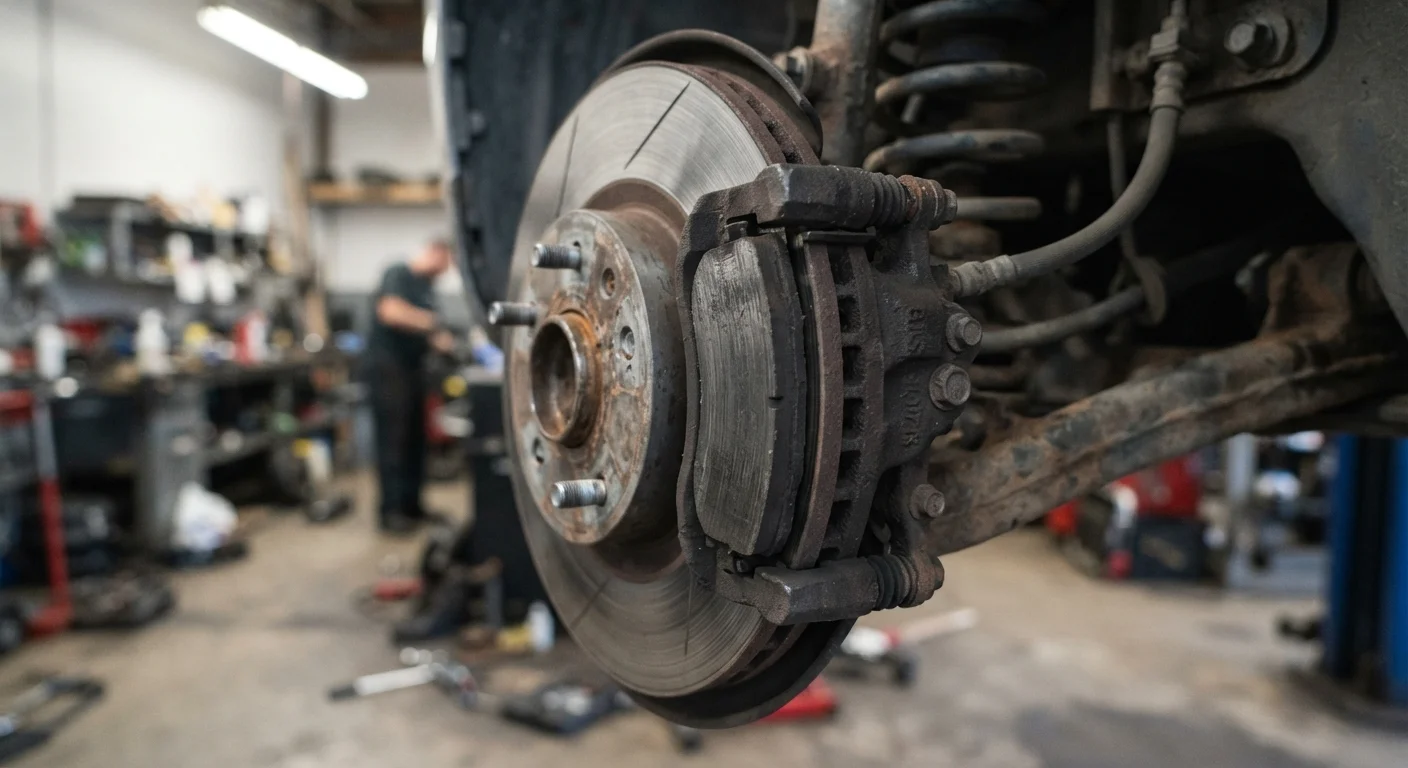
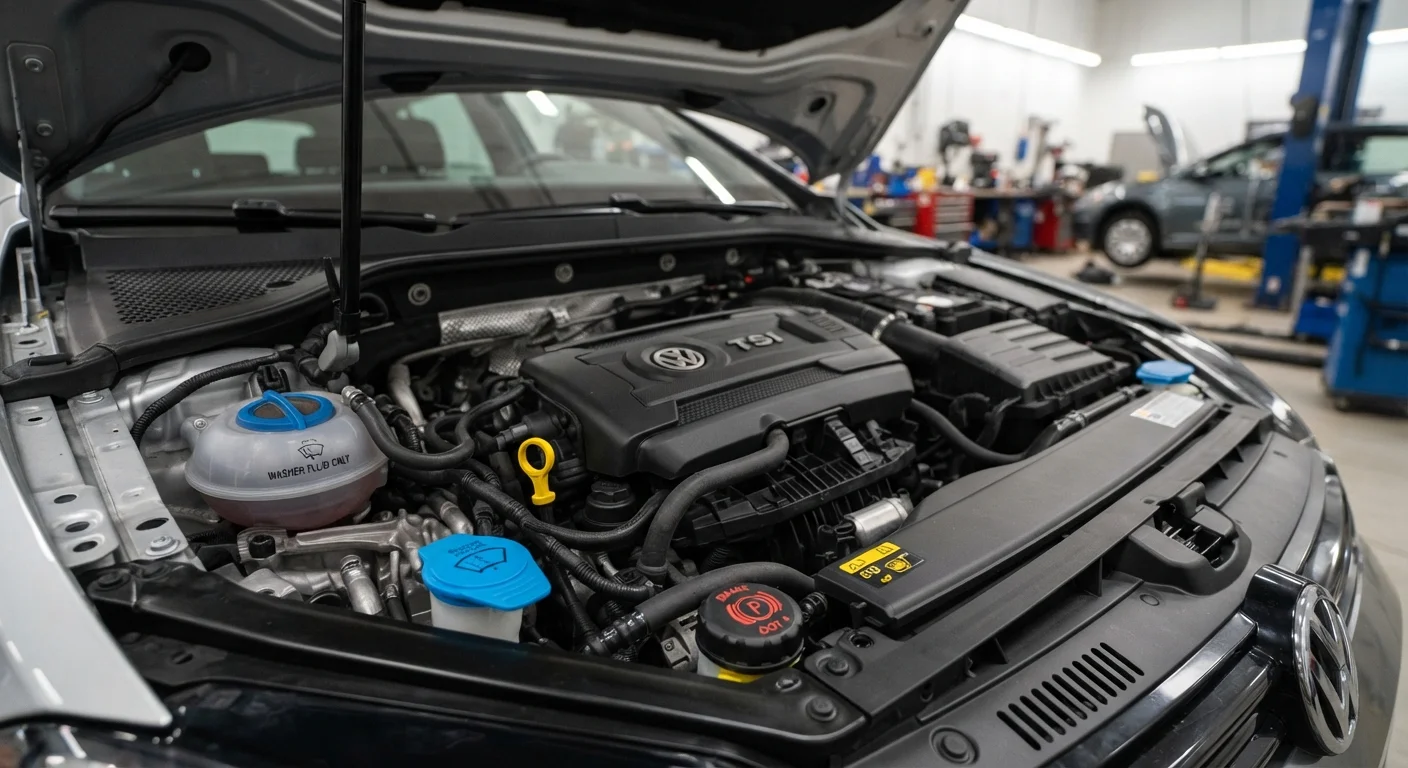
Physical and Mechanical Inspection
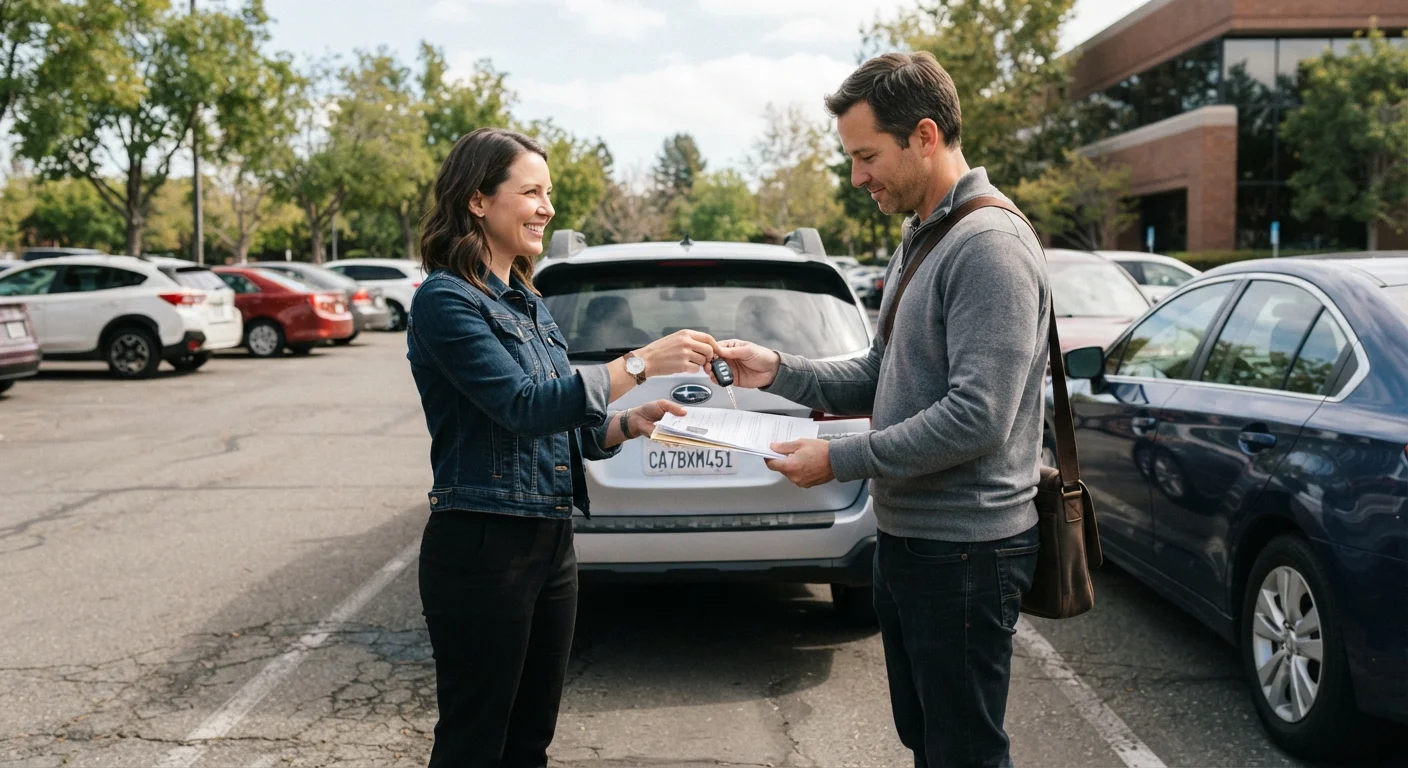
Paperwork and Payment
Tools You'll Need to Do This Right
You don't need a legal team to buy a car safely from a private seller, but a few resources make the verification process significantly more reliable. Gather these before you meet the seller.
VIN History Report Service
Pulls accident history, title records, odometer data, and ownership chain using the vehicle's 17-digit VIN.
NHTSA Recall Lookup (nhtsa.gov)
Checks whether the specific vehicle has any open federal safety recalls that haven't been repaired.
Independent Mechanic
Performs a pre-purchase inspection to identify mechanical, structural, or electrical problems not visible to the untrained eye.
State DMV Website
Confirms your state's specific title transfer requirements, fees, deadlines, and notarization rules.
Bill of Sale Template
Provides a legally structured document capturing sale terms, VIN, price, and signatures - many state DMV sites offer free templates.
Flashlight and OBD-II Scanner
Helps inspect hard-to-see areas under the car and read any stored diagnostic trouble codes from the vehicle's computer.
What to Watch Out For
Even with a checklist in hand, certain situations should prompt you to pause or walk away entirely. Private car sales attract a range of sellers - most are honest, but some common warning signs are worth knowing before you show up with a cashier's check.
Curbstoning: When Dealers Pose as Private Sellers
Some individuals sell multiple vehicles per year while posing as private owners to avoid dealer licensing requirements - a practice called 'curbstoning.' Warning signs include sellers who always meet in a neutral location, have multiple cars for sale at once, and can't explain the vehicle's full history. If something about the seller's story doesn't add up, trust that instinct and walk away.
Out-of-State Titles Add Complexity
A vehicle titled in another state may have different branding standards, meaning a 'clean' title from one state could mask damage that another state would have flagged. Always run a federal NMVTIS database check alongside any VIN history report when buying a car with out-of-state paperwork. Your local DMV can also advise on any additional steps required to register an out-of-state vehicle.
Never Skip the Independent Inspection
A pre-purchase inspection by a qualified mechanic is the single most important step in a private car purchase. Sellers are not required to disclose every defect, and most buyers lack the expertise to identify costly issues during a casual walkthrough. Inspection fees typically run $100-$200 - a fraction of what a missed problem could cost you in repairs. If a seller refuses to let you have the car inspected, treat that as a dealbreaker.
Paperwork errors are one of the most common and expensive mistakes in private car sales. Understand exactly what your title should look like and what a proper transfer involves by reading our guide on car titles and how to transfer them. And to see how paperwork missteps can quietly drain your wallet over time, see our piece on costly car ownership mistakes.