Why the Debate Actually Matters
The carry-on vs. checked bag decision sounds trivial until you're standing at a gate being told your bag won't fit, or waiting 40 minutes at baggage claim after a long-haul flight. The choice touches your budget, your schedule, and how smoothly your trip actually starts.
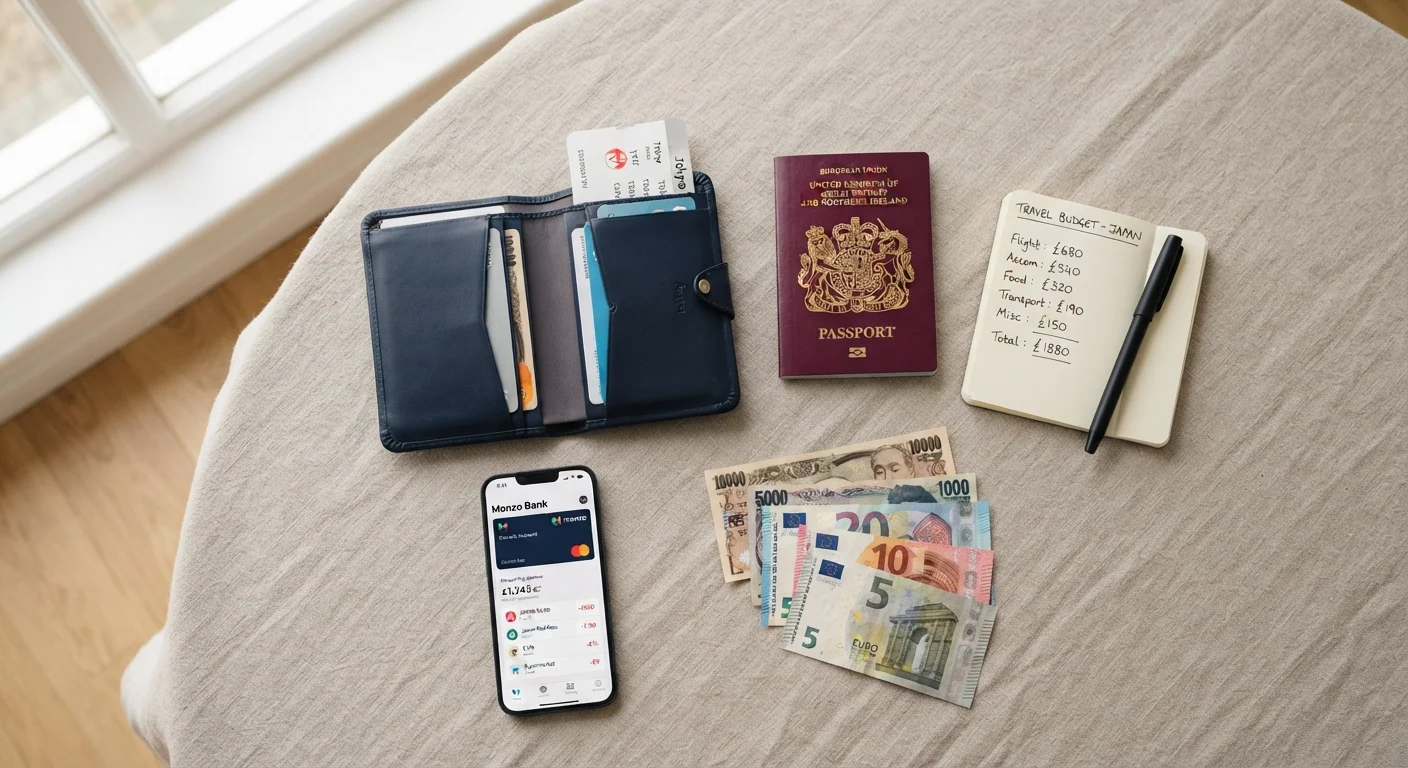
Checked bag fees on domestic US routes typically run $30–$40 per bag each way on most major carriers, and fees compound fast on multi-leg itineraries. Budget carriers can charge even more. If you're traveling on a tight plan — see our trip budget planning guide for context — bag fees are one of the more controllable line items.
That said, forcing everything into a carry-on has its own costs: stress, packing trade-offs, and restrictions on liquids and gear that can genuinely limit what kind of trip you can take.
Carry-On Size Rules Vary by Airline
The standard US carry-on allowance is generally 22 x 14 x 9 inches, but this isn't universal. Budget carriers and international airlines often apply different limits, and personal item dimensions vary widely. Always check the specific airline's published policy before your trip — not just for your main carrier, but for any regional or codeshare partners operating legs of your itinerary.
The Case for Carry-On Only
Carry-on travel has real, concrete advantages that go beyond saving on fees.
Eliminates checked bag fees on every flight
On a round trip with two legs each way, bag fees can add $120 or more before you've left the airport. Carry-on-only removes this cost entirely on most fare types.
Faster airport experience from arrival to departure
Skipping bag drop and baggage claim can save 30–60 minutes per trip — time that compounds significantly over frequent travel.
No risk of lost or delayed luggage
US airlines mishandled approximately 6–7 bags per 1,000 passengers in recent years according to DOT data. Carry-on travel removes this risk entirely.
Greater flexibility on last-minute flight changes
Rebooking or switching flights is simpler without checked luggage tied to a specific itinerary, especially helpful if travel disruptions occur.
Encourages lighter, more intentional packing
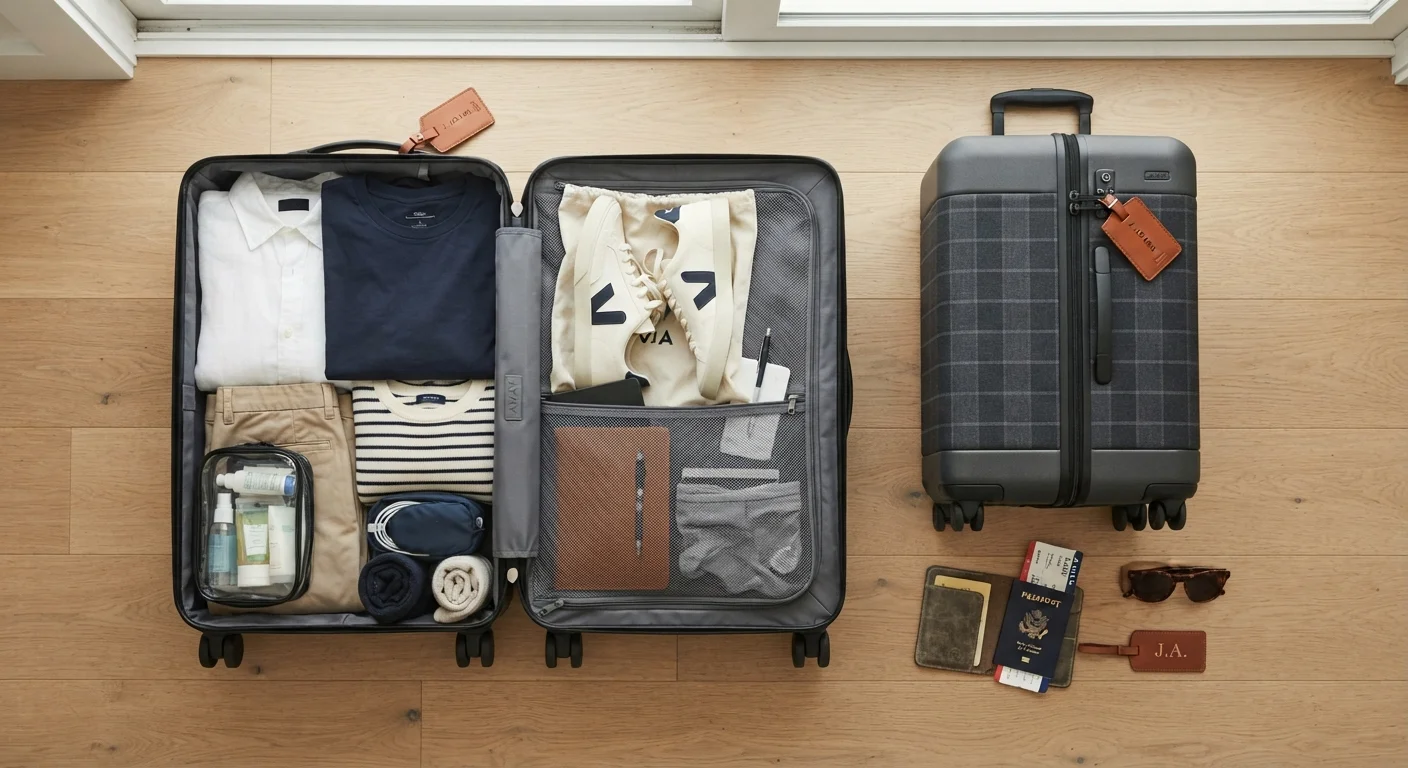
The constraint of a smaller bag naturally pushes travelers toward versatile clothing choices and fewer unnecessary items, which most report as a net positive.
Moving through an airport without checked luggage changes the experience meaningfully. You skip check-in lines, go straight to security, and walk out of the arrivals hall the moment you land — no waiting, no uncertainty about whether your bag made the connection. On trips with tight layovers or multiple flights, this matters.
Packing light also forces more deliberate choices. Travelers who regularly go carry-on-only tend to wear clothes more than once, choose versatile pieces, and return home realizing they overpacked even within the constraint. These habits align with the practices common among experienced budget travelers.
The Case for Checking a Bag
Carry-on-only isn't the right call for every trip, and there are legitimate reasons experienced travelers still check bags regularly.
Liquid and gear restrictions create real limitations
TSA's 3-1-1 rule limits liquids to 3.4 oz containers in a single quart-sized bag. Full-size toiletries, wine, certain tools, and many outdoor items are simply off the table.
Overhead bin space isn't guaranteed
On full flights, airlines sometimes gate-check carry-ons involuntarily — undercutting the main advantage and adding uncertainty without the planning benefit of intentional checking.
Packing stress and physical strain
Fitting a week or more of clothing into a compact bag requires time, strategy, and often repeated repacking. Lugging a heavy carry-on through airports and onto transit is more physically demanding than wheeling checked luggage curbside.
Not realistic for longer trips or gear-heavy travel
Extended itineraries, cold-weather destinations, or activities requiring specialized equipment make carry-on-only impractical regardless of packing skill.
Airline size rules vary and aren't always enforced consistently
Budget carriers in particular apply stricter and less consistent size enforcement, meaning a bag that flies fine on one airline may generate fees on another.
Trip length is the most straightforward factor. A two-week trip through multiple climates, or any journey involving formal events, outdoor gear, or activities like skiing or diving, simply cannot be reasonably compressed into a 22-inch roller bag. Trying to do so usually means either sacrificing comfort or spending money buying things at the destination.
Families traveling with children face a different calculation entirely. Managing carry-ons for three or four people — while keeping everyone moving through security — is often more stressful than paying a bag fee and consolidating gear into one or two checked pieces.
~$35
Average domestic checked bag fee (one way)
Most major US carriers charge between $30 and $40 for a first checked bag each way, based on published fee schedules.
6–7 per 1,000
Bags mishandled per 1,000 passengers
According to US Department of Transportation Air Travel Consumer Reports, mishandled baggage rates have hovered in this range in recent years.
If you're comparing this kind of logistical trade-off to others in your trip planning, the hidden costs in travel accommodation choices follow a similar pattern: the upfront savings don't always capture the full picture.
Practical Rules for Deciding Before You Pack
Rather than picking a permanent camp, most practical travelers use a simple framework to decide trip by trip.
- Trip length under 7 days: Carry-on is almost always feasible with thoughtful packing, regardless of destination.
- Trip length 8–14 days: Carry-on is doable but requires discipline; checked becomes more appealing for comfort.
- 14+ days or multi-climate: Checked luggage is usually the more practical choice unless you have laundry access throughout.
- Gear-dependent trips (skiing, diving, camping): Checked is nearly unavoidable; factor fees into your overall budget.
- Budget carriers: Verify carry-on size limits carefully — some low-cost airlines have stricter dimensions than major carriers and charge for overhead bin access.
Your pre-departure checklist should include confirming your airline's specific bag policy, especially on routes operated by regional or partner carriers where overhead bin space is limited.
For travelers weighing broader cost comparisons on a route — including whether to fly at all — the same logic applies to decisions covered in our overland vs. flying trade-offs guide. Total trip cost depends on adding up every variable honestly, including luggage.