
How to Find Affordable Flights
Airfare is typically the largest single expense in any international trip, and it's also the category with the most variability. Two travelers flying the same route can pay vastly different prices depending on when and how they booked.
The most reliable ways to reduce flight costs involve three variables: flexibility, timing, and routing. Traveling mid-week, avoiding school holidays, and considering shoulder seasons can meaningfully reduce fares. Flying into secondary airports near your destination — rather than the main hub — often shaves significant costs as well.
Setting fare alerts through flight search tools lets you monitor prices over weeks rather than making a rushed decision. One-way tickets on different carriers sometimes undercut a round-trip on a single airline, though this approach requires more research.
Use the 'explore' or 'everywhere' search mode on flight search tools when your destination is flexible — the map view often reveals dramatically cheaper alternatives just a short bus ride from your intended city.
Route flexibility is the most underused cost lever in air travel; many travelers fix their destination before checking whether nearby options offer better value.
Book the first and last night of a long trip in advance; leave middle nights flexible so you can extend stays in places you love without paying a premium for last-minute bookings elsewhere.
Over-planning accommodation locks you into an itinerary that rarely survives contact with reality, and flexibility mid-trip typically costs less than rigid pre-booking.
For destination-specific context before committing to a region, the Destination Guides hub offers practical, honest overviews of popular and emerging locations worldwide.
Lodging on a Budget
Accommodation costs vary enormously by region and travel style. In Southeast Asia, a clean private room can cost less than $20 per night; in Western Europe, the same spend might only get a hostel dorm bed.
Rather than defaulting to the cheapest option, consider what you're trading. Dorm hostels reduce cost but sacrifice sleep quality and privacy. Guesthouses run by local families often strike the best balance of price, comfort, and cultural immersion. Short-term apartment rentals work well for stays of four or more nights, particularly when split among travel companions.
Choose Location Over Lowest Nightly Rate
A room that looks cheap on paper can become expensive when you factor in daily transport to reach the places you actually want to visit. Before booking, map the property against your planned activities and the nearest public transit stop. In dense cities especially, central accommodation often costs less overall than a peripheral bargain.
Location matters as much as price per night. A cheap room far from transit can cost you more in cab fares and time than a moderately priced room near public transport.
Reading recent reviews — filtering for ones that mention cleanliness, noise, and neighborhood safety — saves you from unpleasant surprises that no headline price reflects.
Eating Well Without Overspending
Food is one of the easiest budget categories to either waste or optimize. Travelers who eat every meal at tourist-facing restaurants typically spend three to five times more than those who shop and eat where locals do.
Markets, food halls, and street stalls are not just cheaper — they're generally where the most authentic, high-quality cooking exists. In many countries, a full meal from a street vendor costs under $3 USD. Grocery shopping for breakfast and snacks, combined with one sit-down meal per day, can halve your daily food spend without sacrificing quality.
~40%
Average food budget reduction eating local vs. tourist restaurants
Travel budget analyses consistently show that travelers who prioritize local markets and street food spend significantly less per meal than those who default to tourist-area dining.
$50,000+
Potential cost of medical evacuation without travel insurance
The U.S. State Department notes that medical evacuations from overseas can exceed $50,000 USD, a cost generally not covered by domestic health insurance plans.
3–5x
Price premium at airport vs. city-center currency exchange
Financial consumer research regularly finds that airport exchange kiosks charge significantly higher margins than bank branches or ATMs located within the destination city.
Avoiding the minibar, hotel breakfast packages, and airport food entirely is one of the fastest ways to reclaim budget. Carry a reusable water bottle and refill where tap water is safe — or use a filtered bottle in regions where it isn't.
Getting Around Cheaply and Safely
Local transport is an area where advance research pays outsized dividends. In most major cities, public bus and metro networks are far cheaper than rideshares or taxis, and often faster during peak hours. Understanding the local transit system before you arrive — including how to buy passes and load cards — prevents the disorientation that leads to expensive cab rides.
For intercity travel, overnight buses and trains serve double duty: they move you to your next destination while you sleep, eliminating one night's accommodation cost. In some regions, budget carriers connect cities for less than the equivalent bus fare.
Unofficial Taxis and Transport Scams
Unsolicited offers of rides near airports, train stations, and tourist sites are a common way travelers overpay or encounter safety issues. Use verified rideshare apps, official taxi stands, or pre-booked transfers whenever possible. If a driver approaches you first, that's a red flag in most destinations worldwide.
Rideshare apps exist in many countries but pricing structures and safety standards differ widely. In some regions, unlicensed taxis approach tourists at airports — confirm your ride before getting in, and use official stands or verified apps where available.
Renting a vehicle gives flexibility but adds insurance, fuel, tolls, and parking costs that can quickly dwarf the rental price itself. It's worth the math before committing.
Safety, Insurance, and Entry Requirements
Budget travel doesn't mean ignoring safety. Travel insurance is one of the few areas where cutting costs carries genuine financial risk — a single medical evacuation abroad can cost tens of thousands of dollars without coverage.
Always Verify Visa and Entry Rules Officially
Visa requirements, vaccination mandates, and entry conditions change without much public notice. A blog post from six months ago may no longer reflect current rules — and being denied boarding or entry is a costly, stressful outcome that's entirely avoidable. Check the official U.S. State Department country pages and the destination country's embassy website directly before finalizing any booking.
Entry requirements, visa rules, vaccination mandates, and travel advisories change. Always verify current requirements through official government sources — the U.S. State Department and destination country embassy websites — well before your departure date. Do not rely solely on travel blogs or social media for this information, as it frequently goes outdated without notice.
Register your trip with the U.S. State Department's STEP program if traveling internationally — it's free and allows the nearest embassy to contact you in emergencies. Keep digital and physical copies of your passport, insurance documents, and emergency contacts stored separately from your originals.
Building and Tracking Your Travel Budget
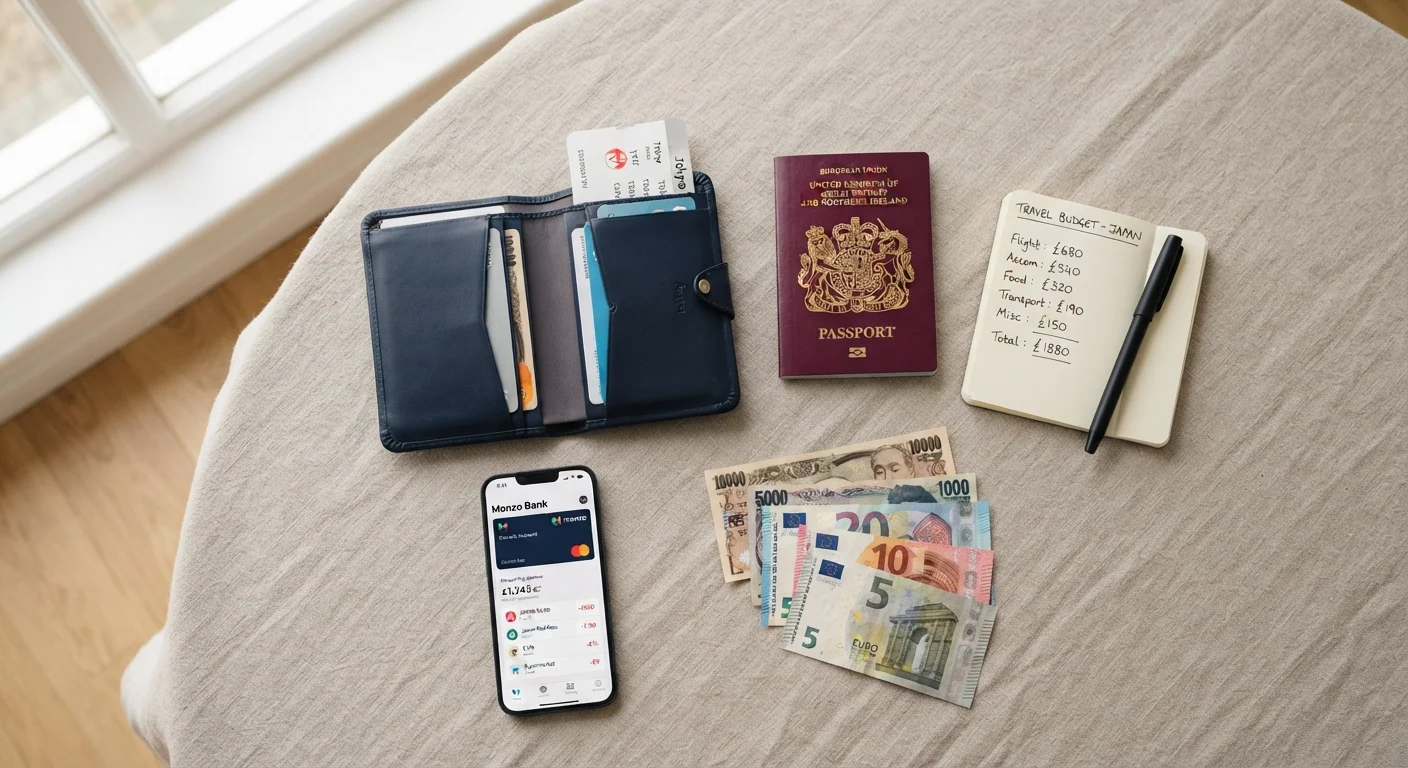
No amount of deal-finding replaces a clear, honest budget. Start by estimating costs in each category — flights, accommodation, food, transport, activities, and a contingency fund of at least 10–15% — before you book anything.
Our step-by-step budgeting guide walks through exactly how to estimate and track spending for a trip of any length. Once you're closer to departure, the pre-trip financial checklist covers the practical steps — notifying your bank, understanding foreign transaction fees, and setting up your spending accounts correctly.
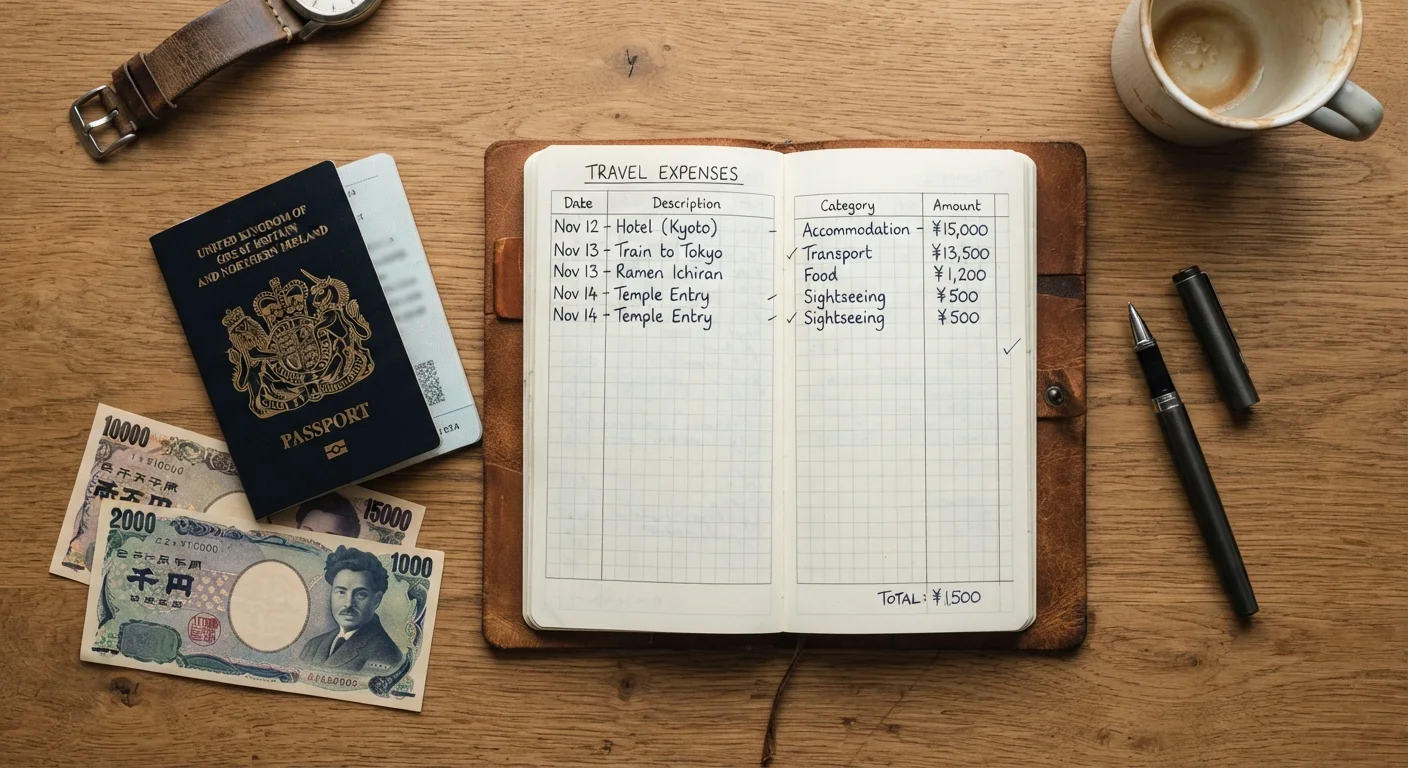
Tracking daily spend in real time, rather than reconciling at the end of the trip, lets you course-correct before you've overrun a category. A simple spreadsheet or budgeting app updated each evening takes under five minutes and keeps the whole trip financially on track. For habits that experienced travelers rely on consistently, see smart habits for budget travel.
This article is for general informational and educational purposes only. Travel conditions, prices, visa requirements, and safety situations change frequently. Always verify current entry requirements, health advisories, and insurance terms through official government sources and licensed providers before making travel decisions.