Why a Travel Budget Matters Before You Book Anything
Most trip planning starts with inspiration — a destination, a photo, a conversation. That's fine. But the second step should always be a budget, not a booking. Knowing what a trip realistically costs before you commit to anything is the difference between a trip that works financially and one that leaves you stressed or in debt.
A travel budget isn't about limiting yourself. It's about making informed trade-offs: choosing a longer trip over fancier accommodation, or a closer destination over a further one, based on real numbers rather than vague optimism. See what people commonly get wrong about budget travel costs if you want to understand where estimates typically go off the rails.
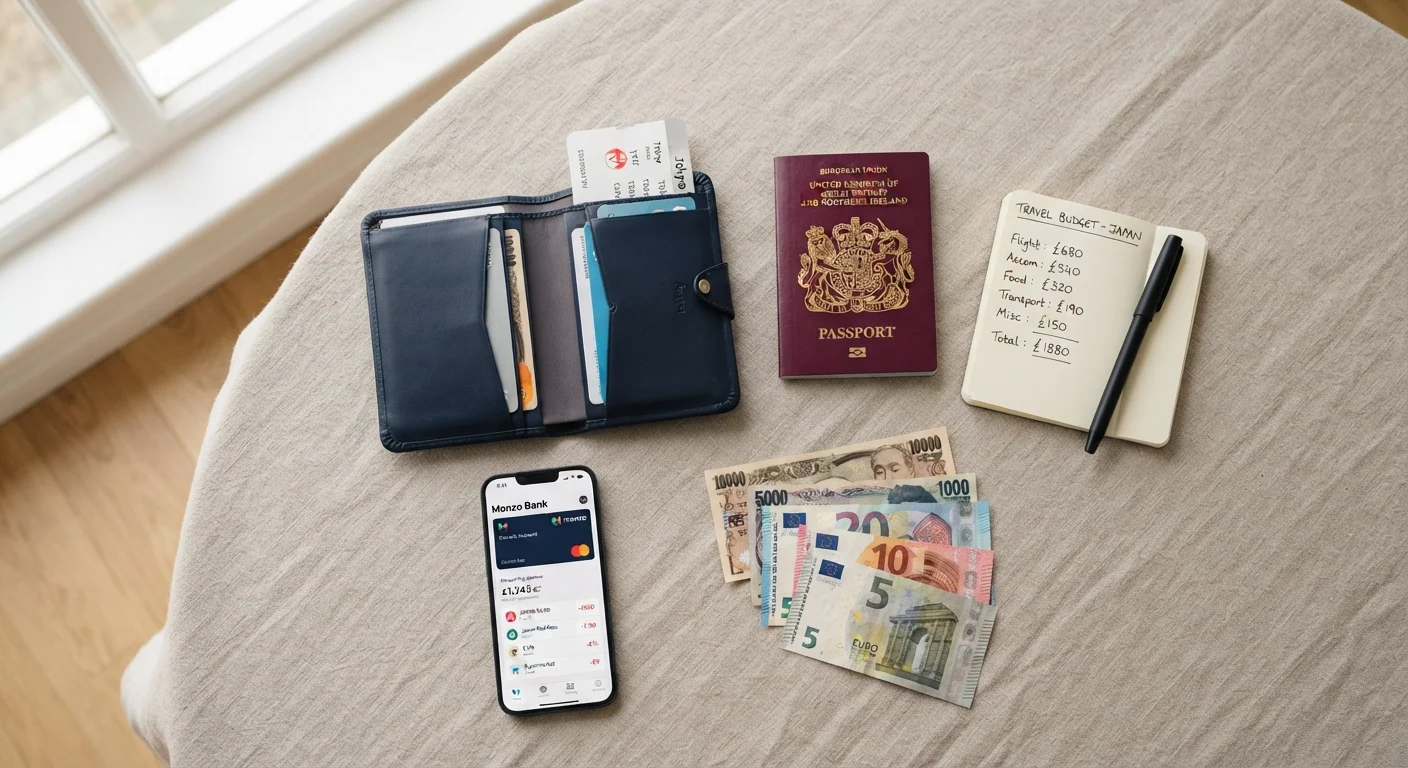
The process is also simpler than most people expect. You need to identify your cost categories, research realistic figures for each, add them up, and adjust until the total matches what you can actually afford to spend.
The Core Cost Categories Every Traveler Should Know
Every travel budget breaks down into the same fundamental categories, regardless of destination or trip length. Knowing them prevents the most common mistake: planning only for the obvious costs while forgetting the rest.
Daily spending rate
The average amount of money you spend per day on a trip, covering food, local transport, activities, and incidentals — used to project total variable costs.
Fixed travel costs
Expenses you pay once regardless of how long you stay, such as flights, travel insurance, and visa fees.
Variable travel costs
Expenses that scale with the length of your trip, including meals, accommodation per night, and daily transport.
Contingency buffer
A deliberate percentage of your total budget set aside for unplanned costs — delays, medical needs, or simply spending more than expected on a particular day.
Foreign transaction fee
A surcharge some banks or card issuers add when you make purchases in a foreign currency, typically 1–3% per transaction.
- Transportation: Flights or other long-haul travel to and from your destination, plus inter-city travel if you're moving between places.
- Accommodation: Nightly lodging costs multiplied by the number of nights. Rates vary enormously by city, neighborhood, and accommodation type.
- Food and drink: Three meals a day adds up faster than most travelers expect. Food is consistently where budget travelers overspend — estimate conservatively.
- Activities and entry fees: Museums, tours, experiences, and day trips. Research specific attractions at your destination rather than using a generic estimate.
- Admin costs: Travel insurance, visa fees, airport transfers, checked baggage fees, and any vaccinations or travel health requirements.
- Contingency buffer: A deliberate reserve — covered in detail in the final section.
For a more detailed look at how these categories interact across a full trip plan, see this end-to-end budget travel resource.
How to Estimate Your Trip Costs
Estimation is where most people either give up or guess wildly. Neither helps. Here's a methodical approach that produces usable numbers.
Research daily costs with real traveler data
Budget travel forums and cost-tracking communities often publish detailed daily spend breakdowns for popular destinations. Cross-reference at least two or three independent sources to get a realistic range rather than relying on a single figure. This is especially important for food and local transport, which vary significantly by neighborhood and travel style.
- Fix your trip length and destination first. You can't estimate costs without knowing where you're going and for how long. Even a rough destination (a region or country) is enough to start.
- Find a realistic daily spending rate. Look up expense reports from other travelers on budget travel forums or cost-tracking communities. Aim for a range — a low estimate and a high one — then use the midpoint for planning.
- Calculate variable costs. Multiply your daily rate by the number of days. This covers food, local transport, and activities. Accommodation may be daily too — price it out separately per night.
- Add fixed costs. Research actual flight prices for your travel window. Add visa fees, travel insurance, and any one-time expenses. These don't change with trip length.
- Sum everything and stress-test it. If the total exceeds what you can save in your available timeframe, adjust: shorten the trip, choose a lower-cost destination, or push the travel date further out.
Budgeting looks different for every destination
A week in Southeast Asia and a week in Western Europe can differ by hundreds or even thousands of dollars at the same travel standard. Destination choice is often the single biggest lever in your budget, so it's worth comparing a few options before committing. Cost-of-living indices and traveler expense reports can help you make an informed comparison.
Planning a trip around a fixed budget — rather than budgeting after you've planned — is a habit worth building from your very first trip.
Tracking Spending During Your Trip
A pre-trip budget is only useful if you track against it once you're traveling. Without real-time awareness of what you're spending, you can exhaust your food or activities budget by day four of a ten-day trip.
Avoid booking before your budget is complete
It's tempting to lock in a cheap flight the moment you spot one, but committing before you've mapped out full trip costs can leave you short on accommodation or spending money. Run the full estimate first — flights included — so you're comparing total trip cost, not just one line item.
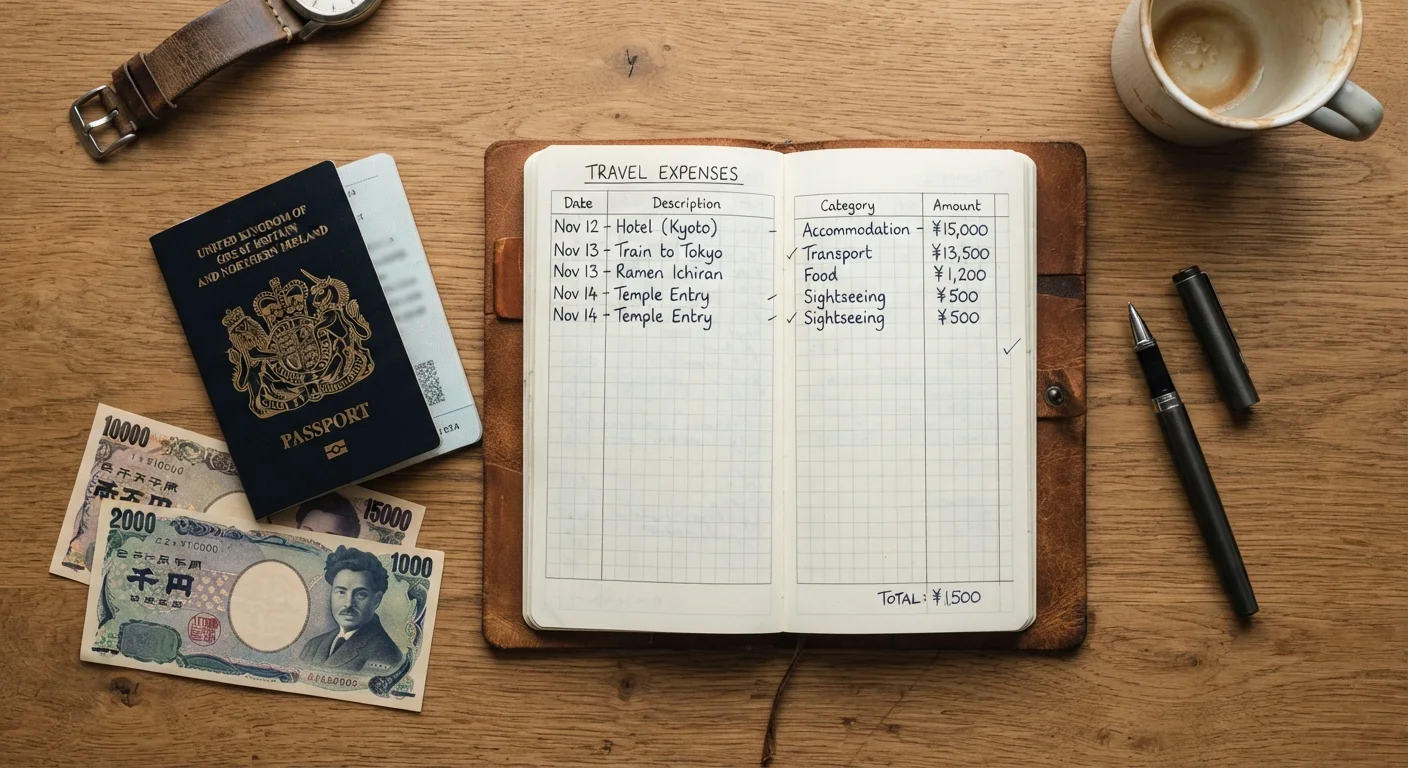
The simplest system: log every expense at the moment you spend, using a notes app or a dedicated travel budget app. At the end of each day, compare your actual spend to your planned daily rate. If you're over, you know to pull back the next day. If you're under, you have flexibility to spend more on something meaningful later.
Avoid the common trap of only tracking large purchases. Small daily costs — coffee, metro tickets, snacks, a bottle of water — accumulate significantly over a week. Experienced travelers log everything. See the habits that make this easier to sustain in this guide to consistent budget travel practices.
Before departure, also make sure your finances are technically ready — from bank notifications to understanding foreign transaction fees. Our pre-trip financial checklist covers the practical steps.
Building in a Buffer — and Why It's Non-Negotiable
No matter how carefully you estimate, travel produces surprises: a flight delay that requires an unplanned hotel night, a medical visit, a transport strike that forces a taxi, or simply a day where you spend more than planned because an opportunity was worth it.
A contingency buffer — typically 10–15% of your total planned budget — absorbs these shocks without derailing the trip or requiring you to cut core experiences. Calculate it as a fixed line item, not an afterthought. If you don't use it, you come home with money left over. If you do need it, you'll be glad it's there.
Building a buffer also changes how you travel. Knowing you have a financial cushion reduces anxiety around small unexpected costs and lets you make decisions based on what's right for the trip rather than what's cheapest in the moment.
Travel budgeting is a skill that improves with each trip. Your first estimate won't be perfect — and that's expected. What matters is that you start with real numbers, track actively, and adjust as you go. For a broader view of how budgeting principles apply to your everyday finances, the Budgeting Basics hub offers a solid grounding in the fundamentals.
This article is for general informational and educational purposes only. Cost estimates and financial examples are illustrative; actual travel costs vary by destination, season, and individual circumstances. Verify entry requirements, visa fees, and insurance needs with official government and provider sources before traveling.