Why Food Spending Spirals Out of Control
Food is one of the few travel expenses that hits multiple times a day, every day, which makes it easy to underestimate in planning and easy to overspend in practice. A $15 breakfast, a $20 lunch, and a $25 dinner adds up to $60 daily — before drinks, snacks, or tipping. Over a two-week trip, that's $840 on food alone, often more than the flights.
The core problem isn't indulgence. It's habit. Most travelers eat the same way on the road as they do at home — buying every meal out — without accounting for the fact that tourist-zone prices in most destinations run 30–50% higher than what locals actually pay. Couple that with decision fatigue (you're tired, it's convenient, the menu is in English), and expensive meals become the path of least resistance.
For a fuller picture of where travel money actually goes, see the real cost of budget travel. Food rarely gets the line-item attention it deserves during trip planning.
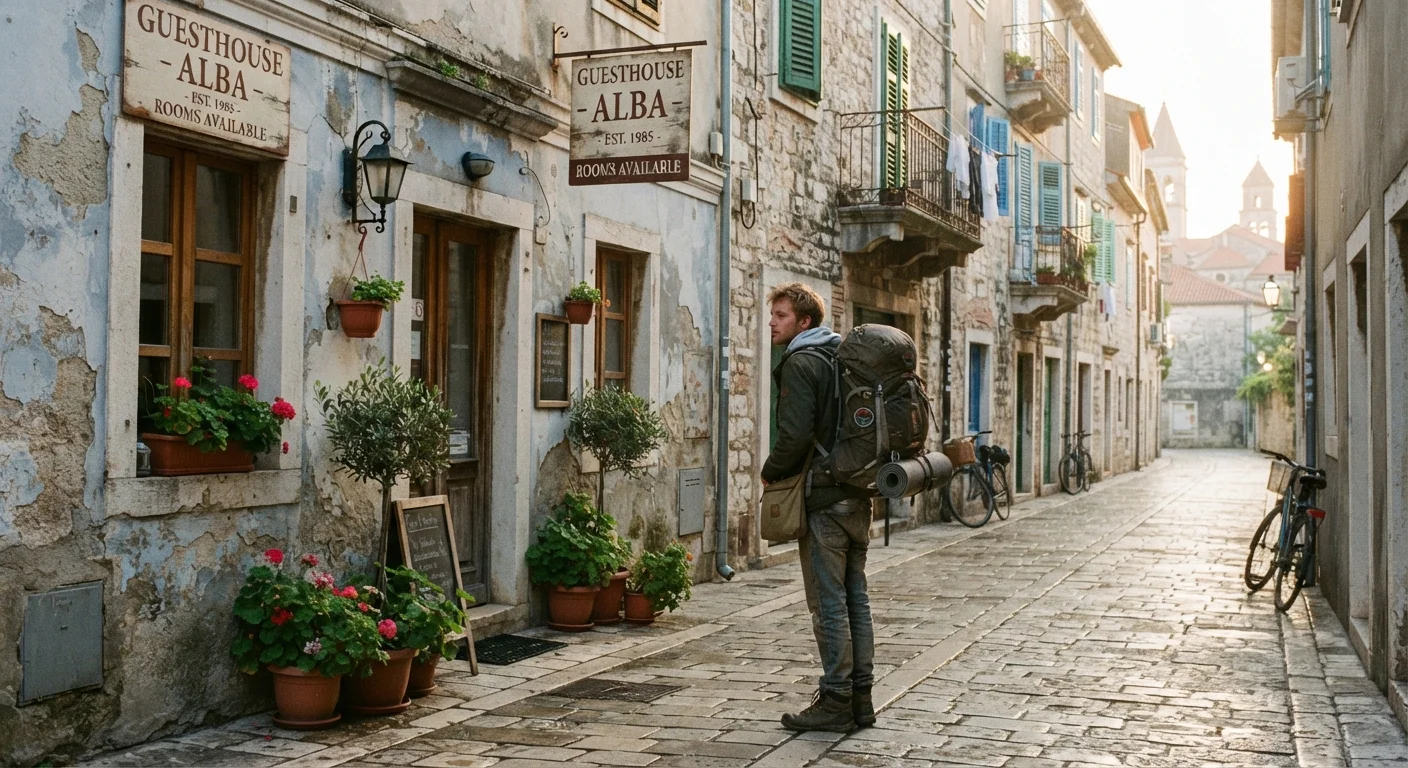
Eating every meal in the immediate vicinity of tourist attractions or hotels.
Why it happens: Convenience and unfamiliarity with local neighborhoods push travelers toward the most visible options, which are priced for visitors, not residents.
Skipping breakfast at the accommodation and buying it at a café every morning.
Why it happens: Travelers underestimate how quickly a daily coffee-and-pastry habit compounds, especially in cities where café culture is part of the appeal.
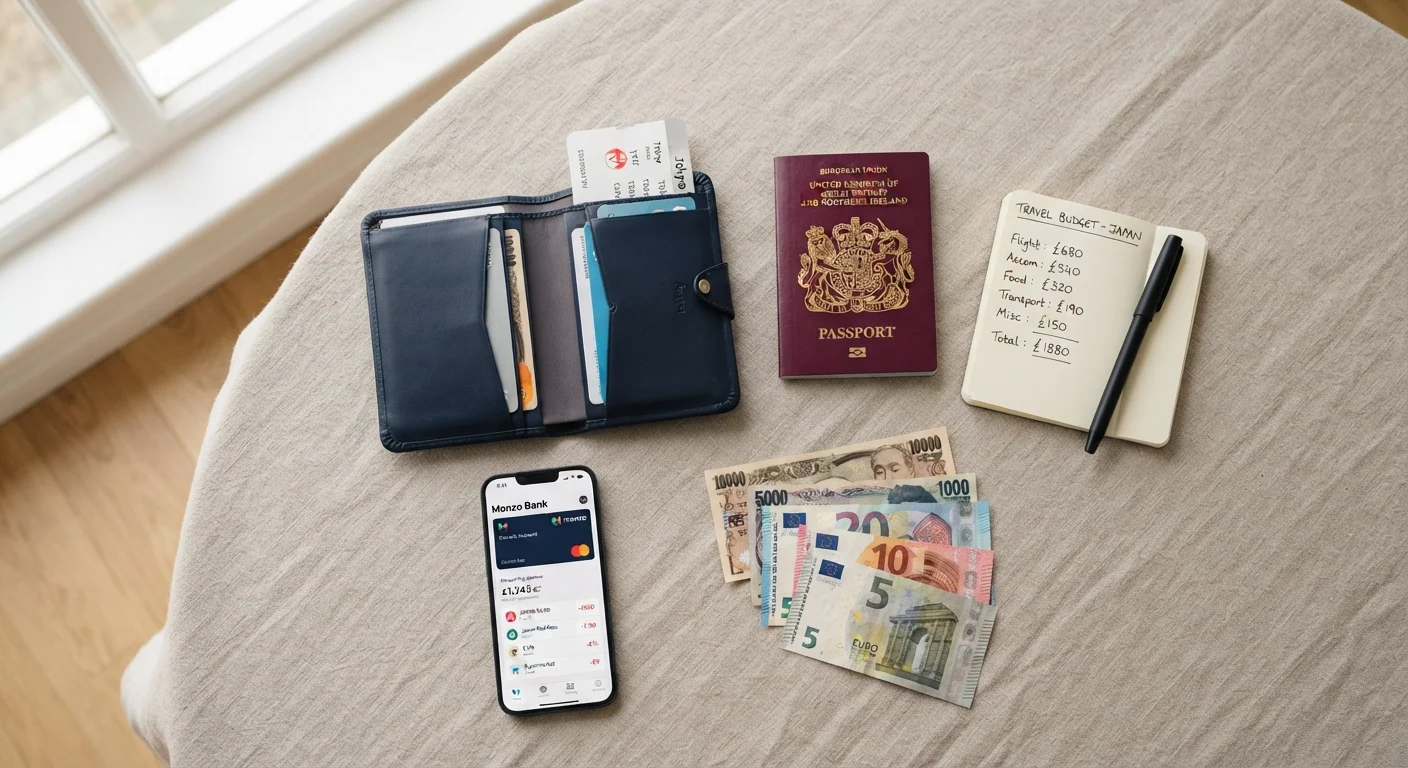
Failing to budget food as a specific daily line item before departure.
Why it happens: Food feels flexible and minor compared to flights and accommodation, so many travelers leave it as a vague "spending money" category.
Defaulting to restaurants with English menus or photos on signage.
Why it happens: Language barriers create anxiety, and visual menus feel like a safe shortcut — but those menus exist specifically to attract tourists willing to pay a premium.
Buying bottled water multiple times a day instead of filtering or refilling.
Why it happens: Travelers unsure about tap water safety default to single-use bottles without calculating the cumulative cost.
Practical Strategies That Actually Work
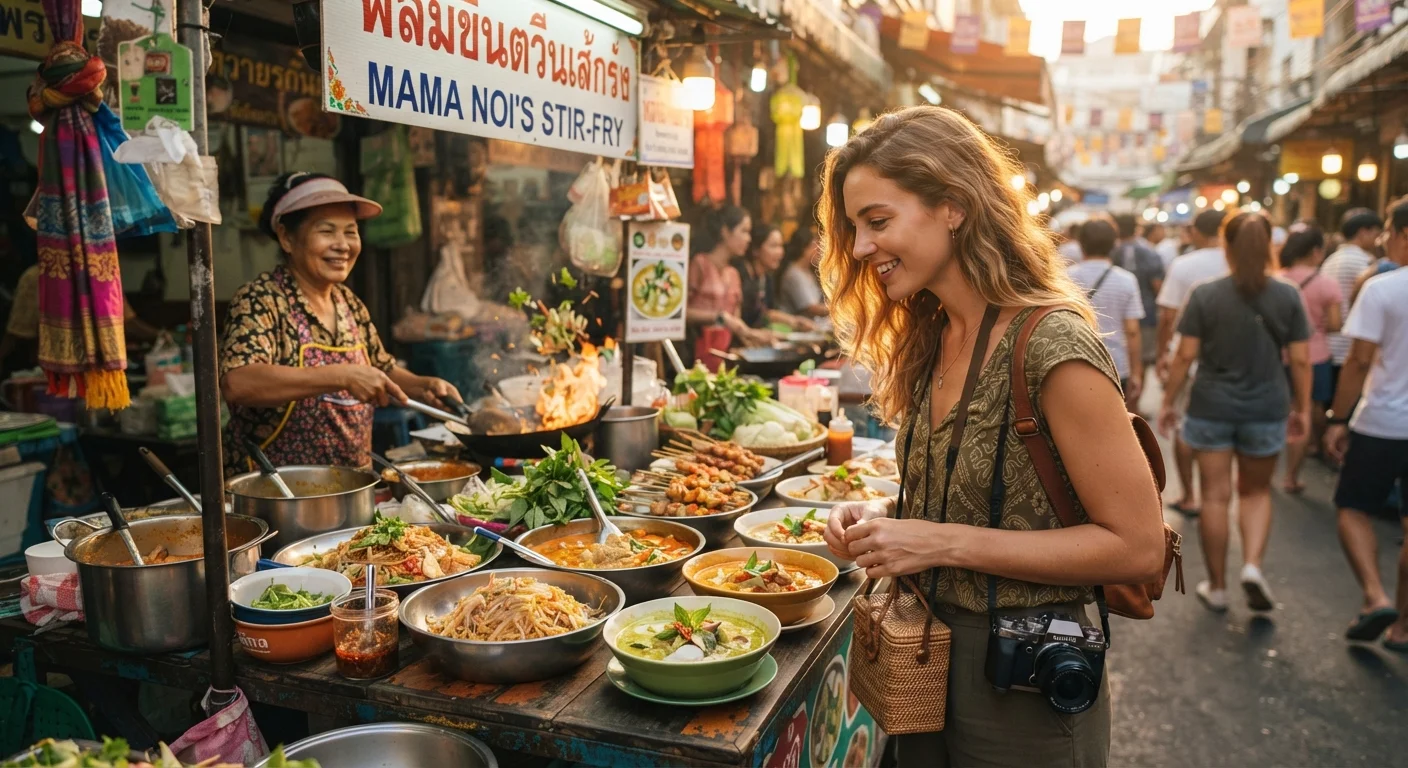
Eating well on a travel budget isn't about deprivation — it's about intentionality. The travelers who spend least on food while enjoying it most tend to follow a simple daily structure: handle breakfast cheaply (grocery-store yogurt, fruit, or bread), find one solid street-food or market lunch, and reserve sit-down restaurant spending for dinner when it matters most socially or culturally.
~40%
Of travel budget spent on food and drink
Industry travel surveys consistently find that food and beverage represents roughly 35–40% of total trip spending for independent travelers.
2–3×
Price premium at tourist-area restaurants
Comparative pricing research across popular destinations shows tourist-facing restaurants typically charge two to three times what equivalent local eateries charge.
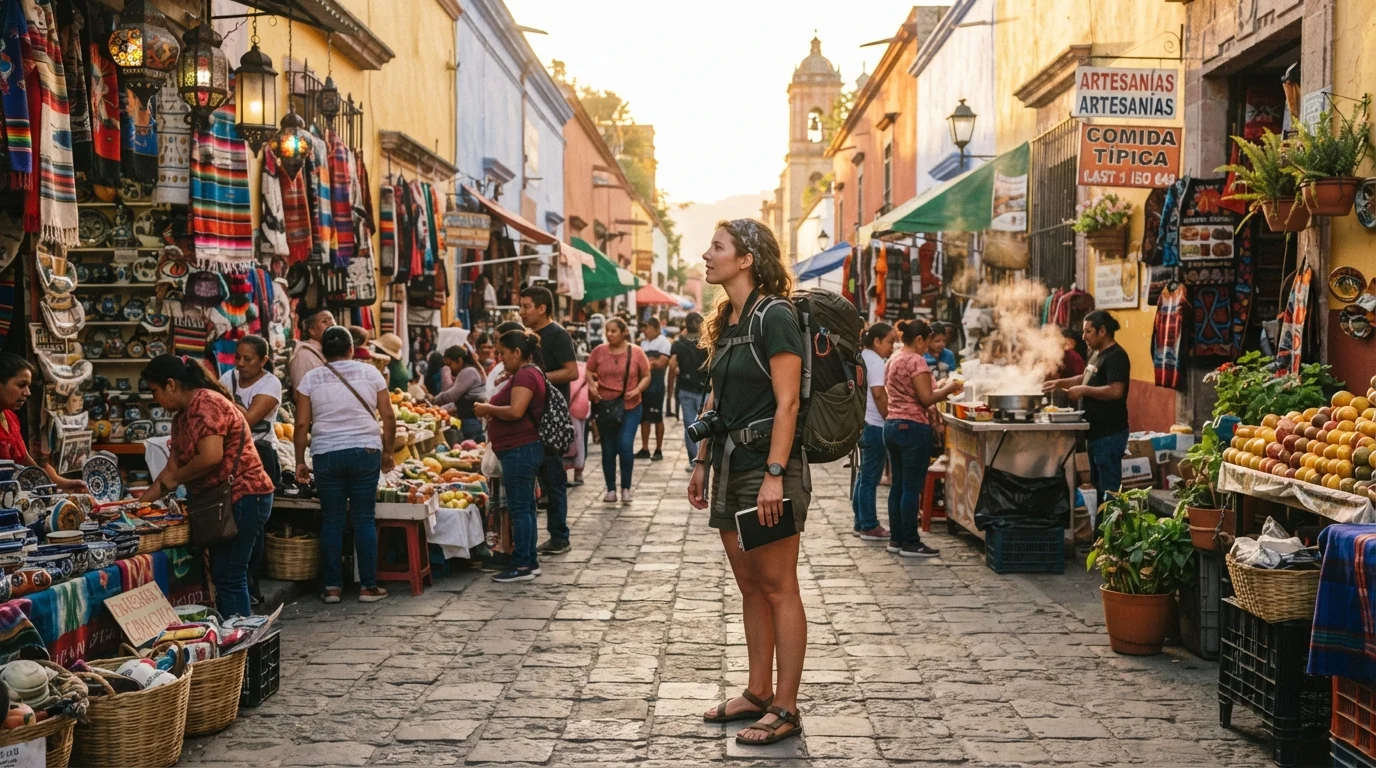
Local markets — farmers' markets, covered food halls, and wet markets — are consistently where residents eat, which means prices reflect local wages, not tourist expectations. Spending 20 minutes on arrival scouting the nearest market pays dividends for the entire trip. If your accommodation has a kitchen or even just a mini-fridge, a single grocery run covering breakfasts and snacks can shave $10–15 per day off your total.
Slowing down your itinerary also helps. When you're rushing between cities every two days, you never learn which stalls or neighborhoods the locals favor. Spending more time in fewer places builds the local knowledge that turns $4 lunches into a habit rather than a lucky find.
For anyone building a food budget before departure, the framework in building a travel budget from scratch walks through how to allocate realistically by meal type and destination cost level. And if you want to carry smart eating habits home, eating well on a tight budget covers how to get solid nutrition without overspending — principles that apply just as well on the road.
Don't Skip Meals to Save Money
Undereating to cut costs is a false economy — it leads to energy crashes, poor decisions, and expensive impulse purchases later. Budget for adequate food daily and find cheaper sources rather than fewer meals. If you're traveling to destinations with different food-safety standards, verify local guidance on tap water and street food hygiene rather than avoiding all street food out of caution.