
Why Budget Eating Gets a Bad Reputation
A persistent myth surrounds budget eating: that cheap food is inherently unhealthy, and that good nutrition is a luxury reserved for people with disposable income. This narrative is understandable - grocery stores place premium products at eye level, and social media glamorizes expensive ingredients. But the evidence tells a more encouraging story.
Nutrition science consistently shows that many of the most nutrient-dense foods - legumes, oats, eggs, canned fish, leafy greens - are also among the most affordable. The challenge is less about money and more about knowing where to focus. This guide cuts through the noise to give you an honest, practical foundation for eating well without financial strain.
If you want a broader grounding in how the body actually uses nutrients, our nutrition fundamentals guide covers macros, micros, and digestion in plain language.
Nutrition Fundamentals Worth Knowing
You don't need to count calories or memorize biochemistry to eat well. A few core concepts go a long way.
Macronutrients
The three main categories of nutrients your body needs in relatively large amounts: protein, carbohydrates, and fat. Each provides energy and serves specific functions in the body.
Micronutrients
Vitamins and minerals your body needs in smaller quantities - such as iron, calcium, and vitamin C - that support everything from immune function to bone health.
Dietary fiber
A type of carbohydrate found in plant foods that your body can't fully digest. It supports gut health, helps you feel fuller longer, and may help regulate blood sugar.
Complete protein
A protein source that contains all nine essential amino acids - the building blocks your body cannot produce on its own. Animal foods are typically complete; many plant foods can be combined to achieve this.
Nutrient density
A measure of how many nutrients a food provides relative to its calorie content. Nutrient-dense foods give you more vitamins, minerals, and beneficial compounds per serving.
Essential amino acids
Nine amino acids that your body cannot manufacture and must obtain through food. They're critical for building and repairing muscle, making enzymes, and supporting immune function.
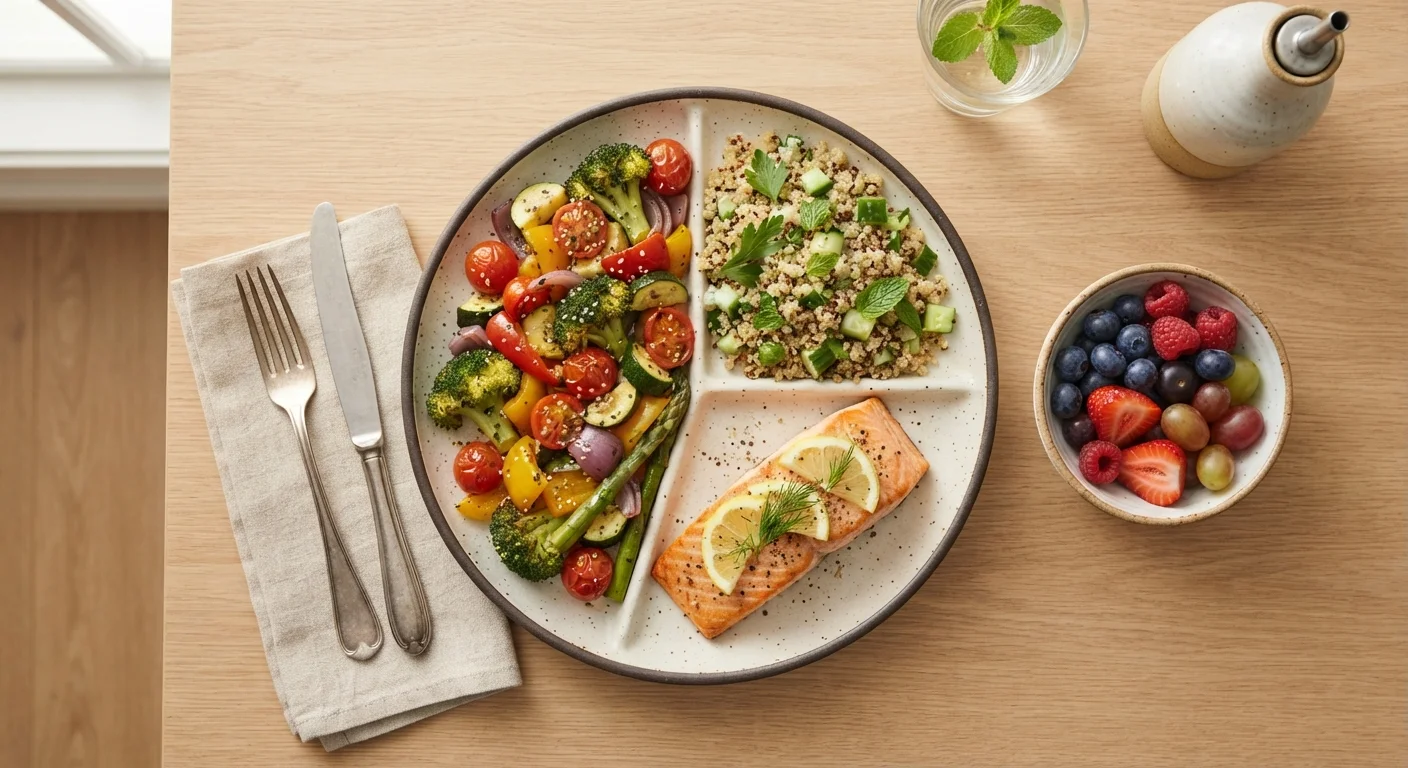
When building meals on a budget, protein and dietary fiber are the two nutrients most worth prioritizing. Protein supports muscle repair, immune function, and satiety, while fiber feeds beneficial gut bacteria and helps regulate blood sugar. Both are readily available in inexpensive plant-based foods. For a visual approach to portioning without any calorie math, see our article on building a balanced plate without counting calories.
The Most Nutritious Affordable Foods
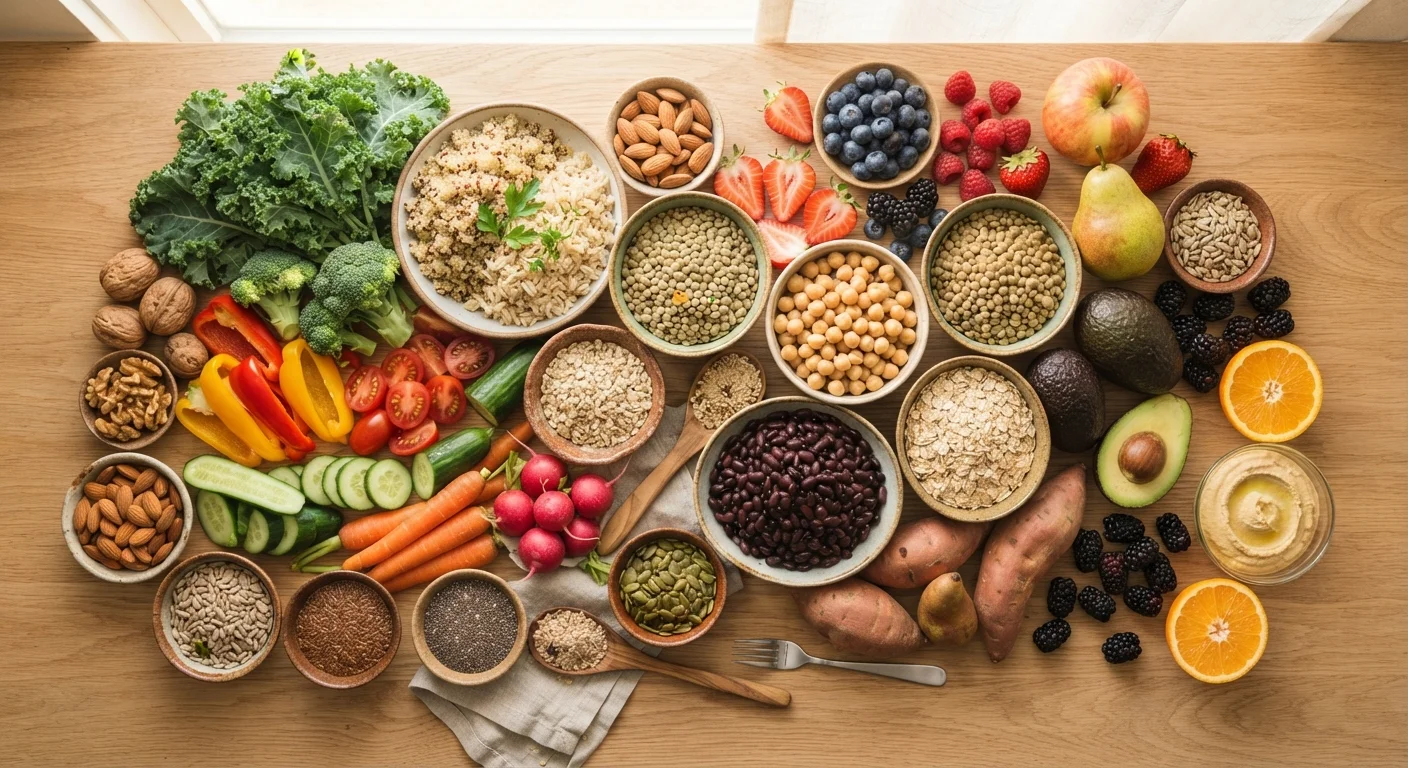
These staples consistently deliver strong nutrition per dollar and form the backbone of budget-friendly eating:
- Dried legumes (lentils, black beans, chickpeas): Excellent sources of protein, fiber, iron, and folate. Dried versions cost far less than canned but require soaking; canned options are still highly cost-effective.
- Whole grains (oats, brown rice, whole wheat pasta): Provide complex carbohydrates, B vitamins, and fiber. Oats in particular are one of the most nutritious breakfasts available at a low per-serving price.
- Eggs: Among the most complete protein sources available, containing all essential amino acids plus vitamins B12, D, and choline.
- Frozen vegetables: Flash-frozen shortly after harvest, they retain most of their vitamins and minerals and are often cheaper than fresh equivalents, especially out of season.
- Canned fish (sardines, tuna, salmon): High in protein and omega-3 fatty acids. Sardines canned with bones are also a notable source of calcium.
- Bananas, carrots, and cabbage: Among the most affordable fresh produce options, with strong nutritional profiles - vitamin C, potassium, and antioxidants.
Make Rice and Beans a Weekly Base Meal
Rice and beans together form a nutritionally complete, high-fiber, high-protein meal that costs very little per serving. Cook a large batch on Sunday and use it as a base for bowls, wraps, or soups throughout the week. Adding a handful of frozen spinach or a squeeze of lime significantly broadens the nutritional and flavor profile with minimal added cost.
Combining legumes with whole grains in the same meal (e.g., rice and beans, lentil soup with bread) provides all nine essential amino acids - a particularly useful strategy for those eating less meat. For more on how plant-forward and omnivorous approaches compare nutritionally, see our evidence-based comparison of plant-based and omnivorous diets.
Planning and Shopping Strategies That Actually Work
What you do before you reach the grocery store matters as much as what you put in your cart. A few habits make a measurable difference:
- Plan meals before you shop. Decide on four to five dinners for the week and work backward to a shopping list. This directly reduces impulse purchases and food waste.
- Shop the perimeter and the bulk bins. Whole foods - produce, eggs, grains - tend to live on the outer aisles or in bulk sections, where cost per serving is often lowest.
- Batch-cook grains and legumes. Cooking a large pot of rice or lentils once and using it across several meals saves both time and energy costs.
- Compare unit prices, not sticker prices. A larger bag of oats may look expensive but cost far less per serving than single-serve packets.
- Use store-brand products. Nutritionally, store-brand canned beans and frozen vegetables are typically identical to name brands.
For more repeatable grocery habits that build long-term consistency, our weekly grocery habit guide offers a practical framework.
Store-Brand vs. Name-Brand: A Practical Note
Federal regulations require that store-brand and name-brand canned, frozen, and packaged goods meet the same food safety and labeling standards. For staple items like canned tomatoes, frozen peas, or dried pasta, the nutritional difference is negligible. Choosing store brands consistently can meaningfully reduce your weekly grocery bill without any sacrifice in nutrition.
Common Pitfalls and How to Sidestep Them
Even well-intentioned budget eaters run into predictable traps:
- Relying heavily on ultra-processed convenience foods
- Ramen packets, chips, and frozen pizza feel cheap - but their cost per nutrient is often high, and they tend to be low in protein and fiber. Replacing even a few of these with legume-based meals improves both nutrition and long-term satiety.
- Buying fresh produce without a plan
- Fresh vegetables are nutritious but spoil quickly. Without a plan, they often end up in the trash. Prioritize frozen if you're not cooking several times a week, or buy only what you'll realistically use within a few days.
- Skipping breakfast to save money
- Skipping meals rarely saves money when it leads to more snacking or takeout later. Oats and eggs are among the cheapest satisfying breakfasts available.
- Assuming healthy eating requires specialty items
- Chia seeds, acai, and protein powders are marketed aggressively but rarely necessary. A diet built around the staples listed above covers the nutritional bases without them.
This article is for general informational and educational purposes only and does not constitute medical or dietary advice. Individual nutritional needs vary. Consult a registered dietitian or qualified healthcare professional for guidance tailored to your specific health circumstances.
Don't Restrict Too Aggressively
Cutting food spending too severely can lead to under-eating or nutritional gaps, particularly for protein and key micronutrients. If you're experiencing food insecurity, programs like SNAP (Supplemental Nutrition Assistance Program) and local food banks are legitimate resources - accessing them is not a failure, and they exist specifically to support nutritional wellbeing. A registered dietitian can also help you build an adequate eating plan within real constraints.