Why Grocery Habits Matter More Than Willpower
Most people assume that eating well is a matter of motivation. In reality, research in behavioral nutrition consistently shows that your environment - including what you keep in your kitchen - predicts your food choices far more reliably than in-the-moment willpower. What lands in your cart on Sunday shapes what you eat on Wednesday night when you're tired and hungry.
That's why building repeatable grocery habits is such a high-leverage strategy. It removes the daily decision burden and quietly steers you toward nutritious choices without requiring constant effort. This article focuses on practical, evidence-informed habits you can weave into your existing week - not a rigid meal plan, but a flexible system that works for real life. For additional context on eating well within a budget, see our practical nutrition primer.
~$1,500
Annual food waste per US household
According to USDA estimates, the average American household discards a significant portion of food it purchases - much of which can be reduced with simple meal planning.
57%
Of US calories come from ultra-processed foods
Research published in BMJ Open found that ultra-processed foods account for a majority of energy intake among US adults, highlighting the importance of intentional grocery choices.
Core Grocery Habits Worth Building
These practices are drawn from established dietary guidelines and behavioral science. Think of them as building blocks you can add gradually rather than all at once.
Plan your meals loosely before writing your grocery list.
Having even a rough idea of three to four dinners for the week prevents over-buying, reduces food waste, and ensures you purchase ingredients you'll actually use. Studies on meal planning consistently link it with higher diet quality and lower spending.
Choose a consistent shopping day and stick to it.
A fixed shopping day creates a predictable rhythm that reduces decision fatigue and prevents the 'nothing to cook' scramble that often leads to less nutritious convenience meals. Behavioral habit research highlights consistency of timing as a key driver of automaticity.
Build your cart around a core set of versatile staples.
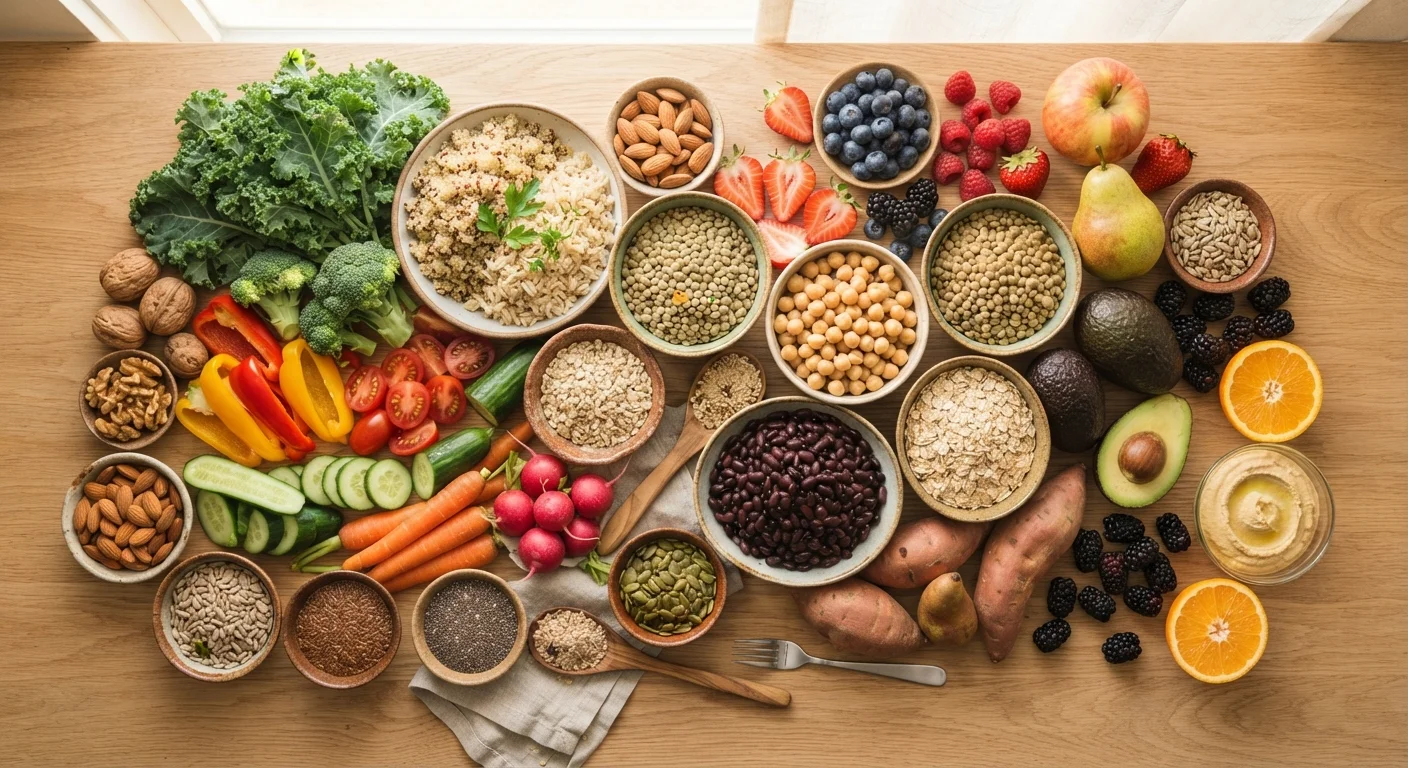
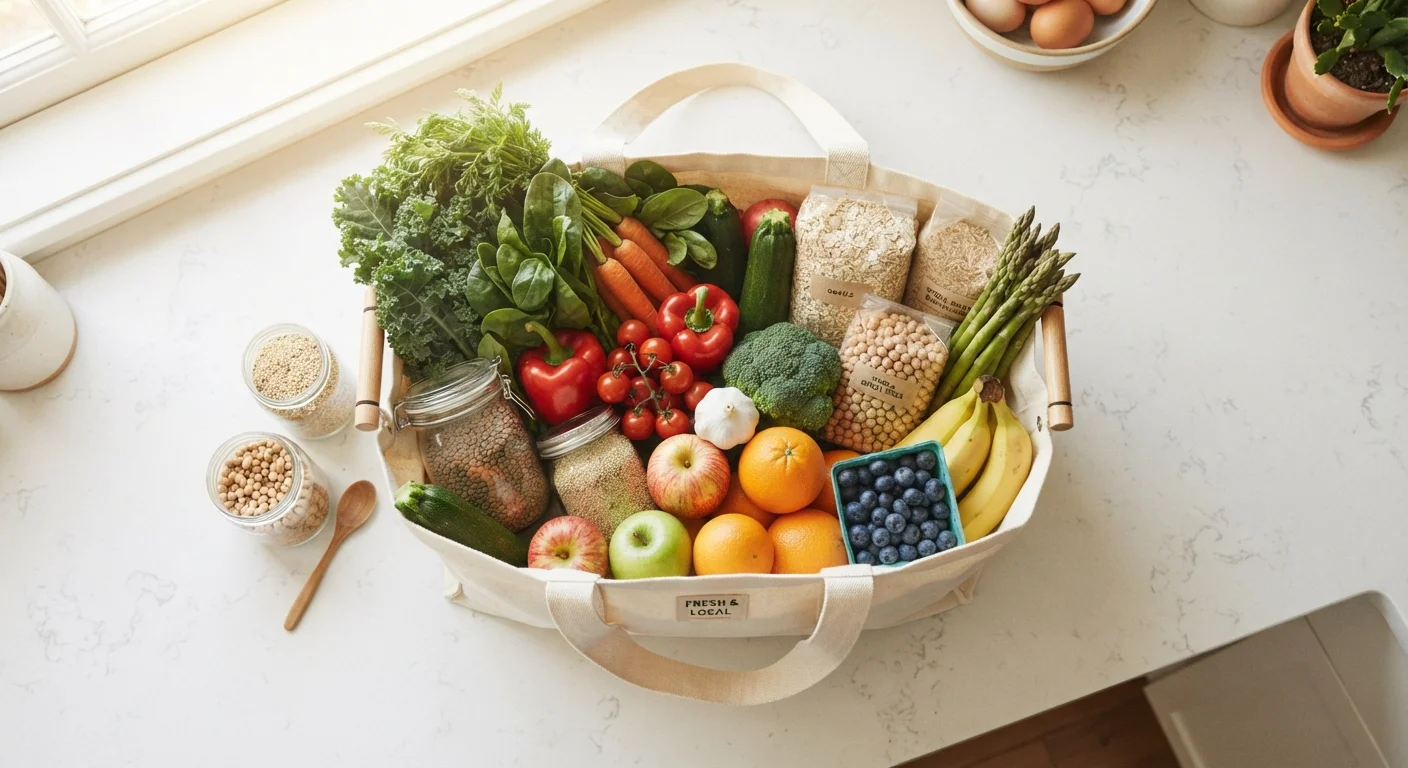
Pantry staples like canned legumes, whole grains, frozen vegetables, eggs, and olive oil provide a nutritional safety net on days when fresh produce runs low. The Dietary Guidelines for Americans emphasize variety within food groups, and reliable staples make that easier.
Shop the perimeter first, then fill in from the interior aisles intentionally.
Most grocery stores place fresh produce, proteins, and dairy along the outer edges, while highly processed products dominate center aisles. Starting at the perimeter helps you prioritize whole foods and reduces exposure to impulsive processed-food purchases.
Scan ingredient lists and nutrition facts for a few key markers.
You don't need to analyze every label obsessively, but checking for added sugar content, sodium levels, and whole-food-first ingredient lists helps you make meaningfully better choices without needing specialized knowledge. The FDA's nutrition label updates were designed to make this more accessible.
Quick Wins You Can Start This Week
You don't need to overhaul everything at once. Even adopting one or two of the actions below can create momentum that makes the next habit easier to add. Consistency matters more than completeness - a principle that applies equally to mental wellbeing and physical health alike.
Putting It All Together
Healthy eating rarely happens because someone suddenly found more willpower. It happens because they made the path of least resistance lead to nourishing options. A predictable shopping routine, a well-stocked pantry, and a loose weekly meal plan create that path without demanding perfection.
Pair these grocery habits with broader lifestyle practices - including regular movement (see our Fitness & Movement hub) - and you're building a genuinely sustainable foundation. If you have specific dietary needs, a chronic condition, or are pregnant, always consult a registered dietitian or your healthcare provider before making significant changes to your diet.
Make Your Kitchen Work With You
Once groceries are home, a small investment of prep time pays dividends. Washing and chopping produce immediately after shopping, portioning snacks, or cooking a batch of grains in advance makes nutritious choices the easiest option throughout the week. Even 20-30 minutes of prep on your shopping day can meaningfully reduce the friction of cooking on weeknights.
This article is for general informational and educational purposes only and does not constitute medical or dietary advice. Consult a qualified healthcare professional for guidance tailored to your individual health needs.