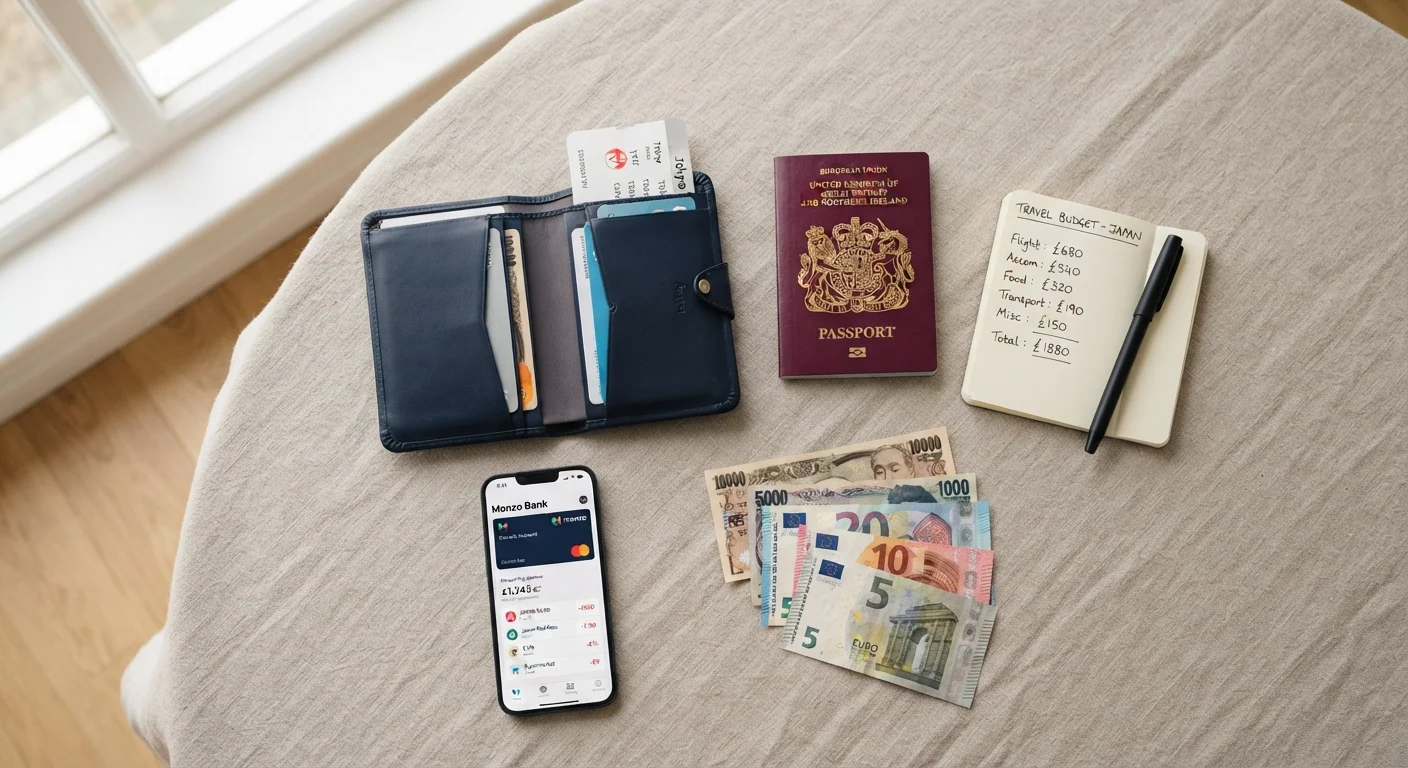

Why Habits Matter More Than One-Off Hacks
Viral travel tips — flash sales, reward schemes, clever loopholes — get most of the attention online. But experienced budget travelers will tell you a different story: the biggest savings come from consistent, unglamorous habits applied across every trip. A single good decision doesn't move the needle much. Dozens of them, repeated daily, do.
The practices below aren't theoretical. They reflect patterns that consistently separate travelers who stretch a budget meaningfully from those who wonder where the money went. For a broader framework on organizing your trip finances before you leave, see planning around a budget without cutting corners.
Set a firm daily spending limit before you arrive, not after.
Without a number in mind, spending decisions default to whatever feels reasonable in the moment — and 'reasonable' expands quickly in unfamiliar environments. A pre-set daily limit creates a reference point that makes trade-offs concrete. It also forces you to research realistic costs for your destination in advance, which itself prevents expensive surprises.
Log every purchase the same day you make it.
Memory is unreliable over a multi-day trip. Small purchases blur together and the end-of-trip accounting rarely matches reality. Daily logging — even a quick phone note or a small notebook — gives you an accurate picture of where your money is going while there's still time to adjust. It's the travel equivalent of checking your bank balance regularly.
Eat at least one meal per day where locals actually eat.
Tourist-area restaurants in virtually every destination charge a significant premium for the same or lower-quality food. Markets, side-street stalls, and neighborhood lunch spots consistently offer better value. Beyond cost, they usually offer a more authentic representation of local cuisine. This single habit can cut food costs by a third or more on longer trips.
Book accommodation with a kitchen or kitchenette when staying more than three nights.
Eating out for every meal is one of the fastest ways to drain a travel budget. Even cooking two or three meals per week — breakfast most days, dinner occasionally — produces meaningful savings over a long trip. It also gives you flexibility that restaurant-only travelers don't have. For more on how food spending derails budgets, see why budget travelers overspend on food.
Plan your itinerary around transport hubs, not bucket-list order.
Booking destinations in a logical geographic sequence — rather than hopping back and forth — dramatically reduces unnecessary transport costs. Routing inefficiency is one of the most common and least-discussed budget leaks for first-time long-haul travelers.
Always carry a reusable water bottle and use it.
Buying bottled water multiple times a day adds up over weeks of travel, particularly in hot climates. A refillable bottle eliminates this recurring cost almost entirely. Where tap water is not safe to drink, water purification tablets or a filtered bottle are inexpensive alternatives worth considering — always check local drinking water safety advisories before relying on tap water.
Daily Routines That Keep Spending in Check
Even travelers with solid pre-trip budgets can overspend simply by losing track of small daily purchases. A morning coffee here, a tourist-area lunch there, an impulse museum ticket — these add up faster than most people expect. The fix isn't deprivation; it's awareness.
For travelers who want a more structured approach to tracking money on the road, the same principles that work at home apply while traveling. Practical spending-tracking methods that don't require spreadsheet skills translate directly to a travel context.
The Compounding Value of Slower, Lighter Travel
Two habits above all others tend to separate budget travelers from those who consistently overspend: moving less often and carrying less stuff.
Slow travel — spending more time in fewer places — cuts the transport costs that eat through budgets fastest. Fewer inter-city buses, trains, or flights means less money out the door and, often, a more grounded experience of each destination.
Carrying only a carry-on eliminates checked baggage fees, which on budget airlines can rival the ticket price itself. It also means faster airport navigation, no lost luggage risk, and the freedom to take ground transport instead of taxis because you can actually move comfortably. For a clear-eyed look at the tradeoffs, compare carry-on versus checked bag decisions before your next trip.
When Carry-On Only Isn't Realistic
Some trips — extended cold-weather travel, formal events, or trips requiring specialized gear — genuinely may not fit in a carry-on. The goal isn't to pack light at all costs; it's to avoid checked luggage when it adds cost without adding value. For most trips under two weeks in temperate or warm climates, carry-on only is achievable with some intentional packing choices.
These two habits — slowing down and lightening your load — reinforce each other. When you're not rushing between cities, you don't need options for every weather condition or dress code. A smaller bag becomes a realistic goal, not a sacrifice.