Why Tracking Beats Guessing
Most people significantly underestimate what they spend each month. Research in consumer behavior consistently shows that discretionary spending — dining out, subscriptions, impulse purchases — is the category people misjudge most. Without a record, those gaps between what you think you spend and what you actually spend can quietly drain savings and delay financial goals.
Tracking your spending is not about judgment or restriction. It's about building an accurate picture of your financial life so you can make deliberate choices. Before selecting a method, it helps to do a brief spending audit to understand what categories dominate your outflows. Once you know the terrain, picking a tracking approach that fits your life becomes much easier.
This guide walks through four practical methods, from the simplest analog option to fully automated solutions. None of them require a finance degree or a formula-filled spreadsheet.
What you will need
Four Methods to Track Every Dollar
Each approach below works. What differs is the level of effort, how much visibility you get in real time, and how well it fits your daily habits.
The Envelope Tally (Pen and Paper)
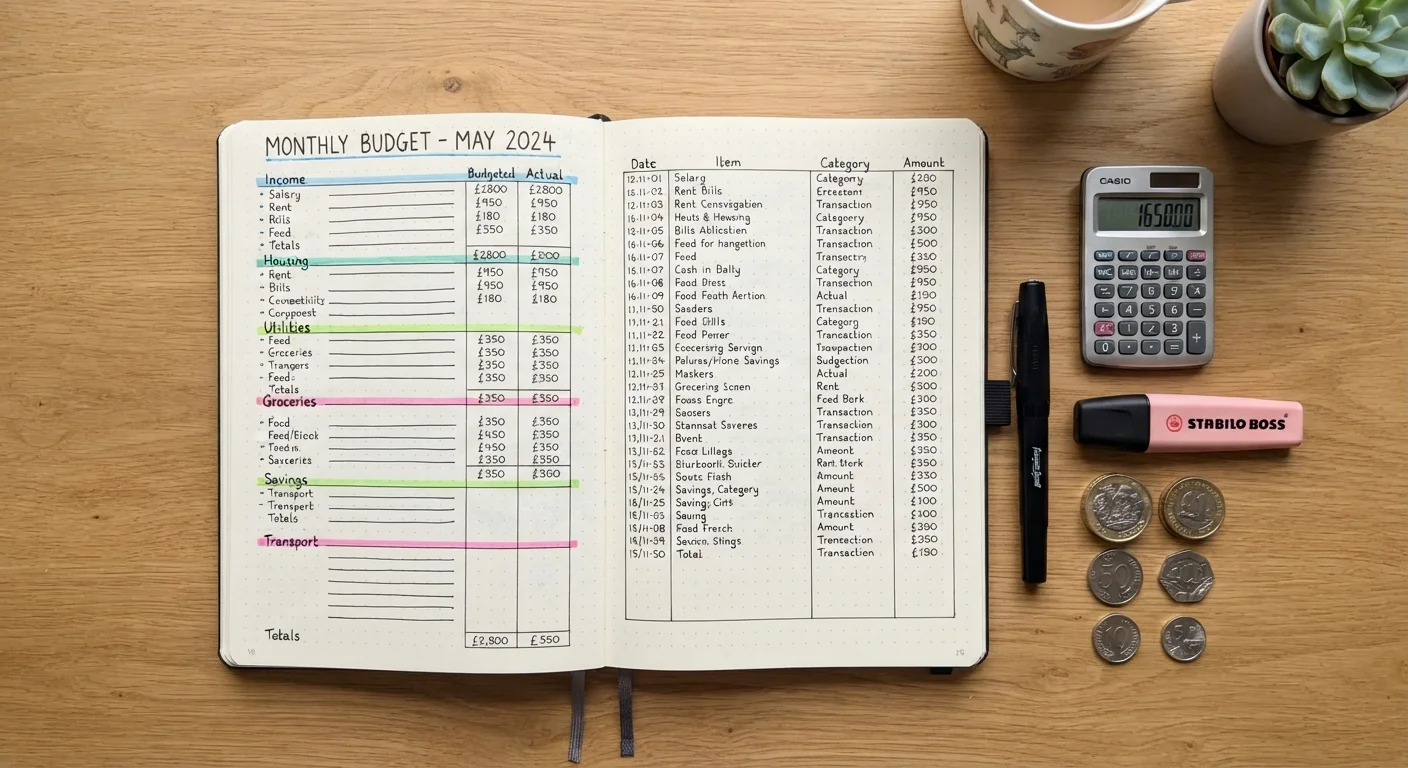
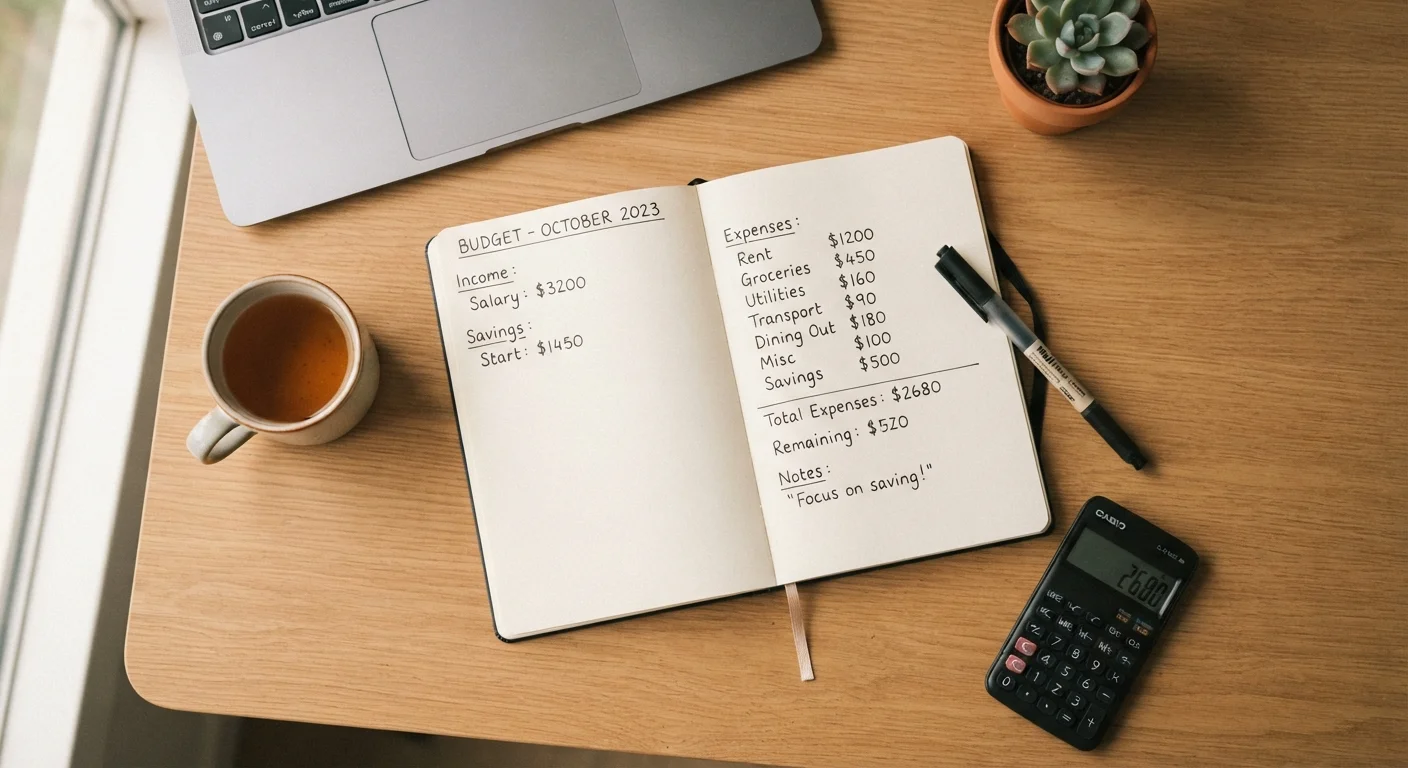
Write your major spending categories on separate index cards or notebook pages: groceries, transportation, eating out, entertainment, and so on. Each time you spend, jot the amount under the right category. At month's end, total each column.
This method builds strong spending awareness because the physical act of writing reinforces memory. It works especially well if you primarily use cash or want a low-tech, distraction-free system.
The Bank Statement Review
Download or print the past month's bank and credit card statements. Go line by line and label each transaction with a category. After categorizing everything, add up each group. Many banks now offer basic category tagging built into their online portals, which can speed this up considerably.
This approach requires no ongoing habit during the month — just one focused session at the end. It's ideal if you want insight without daily maintenance, though it means you won't catch overspending until after it happens.
The Notes App Running Log
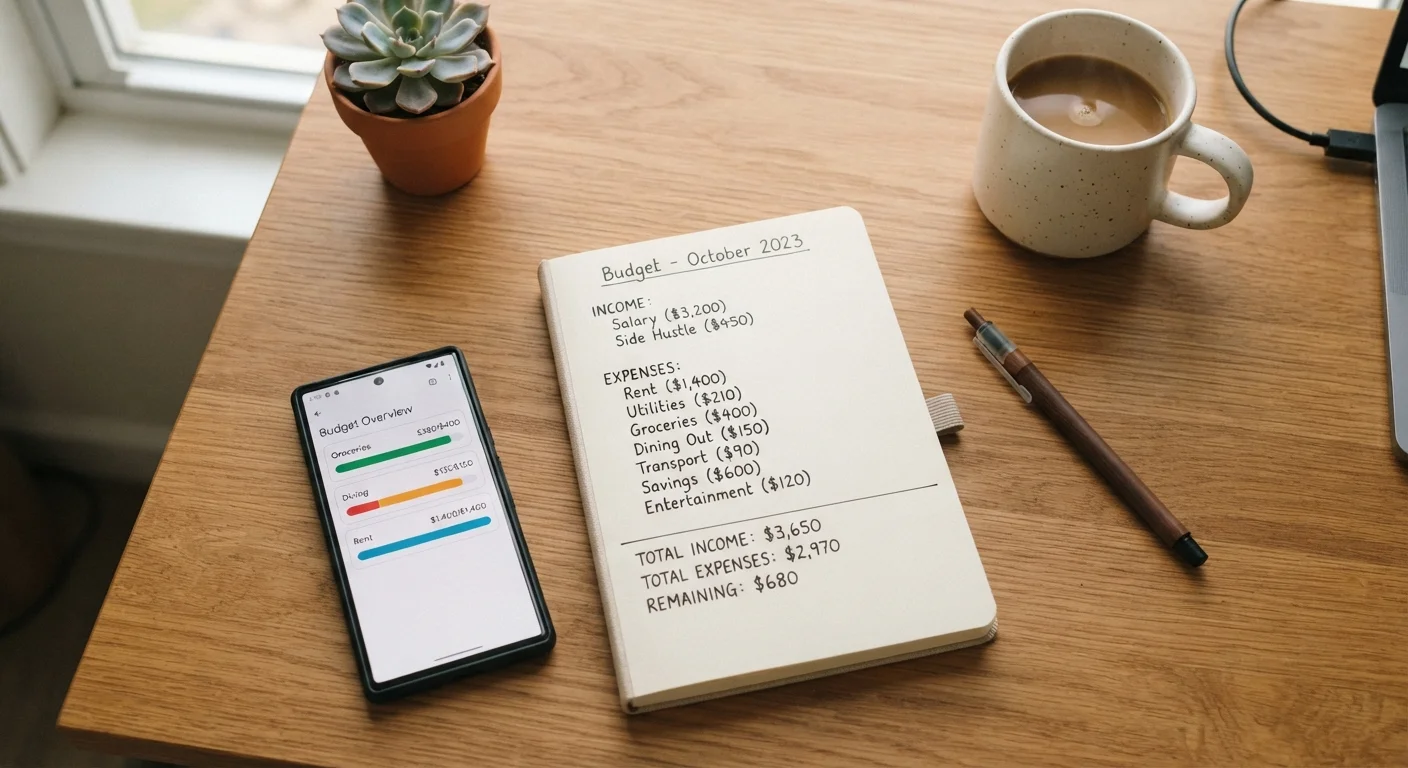
Open the default notes app on your phone and create a simple running list. Each time you spend money, add a quick entry: the amount, a one-word category, and optionally what it was for. Example: $14 food – lunch w/ coworker.
At the end of the week, scan the list and mentally group similar entries. This method is faster than a notebook for people who are always on their phone, and requires zero app downloads or account setup.
Automated App Tracking
Several personal finance apps connect securely to your bank and credit card accounts and categorize transactions automatically. You review and adjust the categories rather than entering each purchase manually. Most offer a monthly summary showing where your money went.
This is the lowest-effort method once set up, and it works well for people with complex spending across multiple accounts. The trade-off is that automation can make spending feel abstract — occasionally reviewing transactions manually helps you stay engaged with the data.
Start With Just One Month of Data
Resist the urge to track retroactively for three or six months right away. One complete month of careful tracking gives you enough data to spot patterns and set realistic spending targets. Build the habit first, then extend your view backward if you want more context.
Once you've chosen a method and run it for a full month, you'll have solid data to plug into a budgeting framework. See how different frameworks compare in our budgeting methods comparison. If you're working toward a longer-term financial roadmap, the complete budgeting resource covers every stage from first paycheck onward.
Making Your Tracking Habit Stick
The method you actually use is better than the perfect method you abandon after two weeks. A few practices help regardless of which approach you pick:
- Set a weekly check-in: Ten minutes on Sunday to review the week's spending catches errors and keeps you aware without becoming a daily chore.
- Use categories that reflect your real life: Generic categories like "miscellaneous" become black holes. Be specific — "work lunches," "pet supplies," "streaming services" give you actionable data.
- Expect imperfection: Missing a transaction or two doesn't ruin the system. Estimates are fine; the goal is directional accuracy, not accounting-grade precision.
Tracking your day-to-day spending is also a powerful habit when traveling. If you're planning a trip on a budget, the same category-based approach works just as well on the road. Seasoned budget travelers often rely on daily spend tracking as one of their core money-saving habits.
Tracking Alone Won't Change Spending
Awareness is the first step, but recording data without acting on it has limited value. Schedule a monthly review where you compare what you tracked against your income. If a category consistently runs over, that's the signal to adjust your plan — not just note it again next month.
This article is for general informational and educational purposes only and does not constitute personalized financial advice. For guidance specific to your financial situation, consider consulting a qualified financial professional.