
Why Budget Planning and Experience Quality Aren't in Conflict
The assumption that a tight travel budget means a diminished trip is one of the most persistent misconceptions in travel planning. In practice, most trips go over budget not because travelers splurged on meaningful experiences, but because they didn't plan the ordinary costs carefully enough — daily transit, meals, entrance fees, and the small purchases that accumulate invisibly.
Budget planning isn't about spending less on everything. It's about deciding in advance where money matters and where it doesn't — so that when the opportunity arises for something genuinely worthwhile, you still have the funds. The travelers who feel most financially stretched are often those who skipped a plan entirely, not those who built a modest one.
For a broader view of what budget travel actually involves, Budget Travel Around the World is an end-to-end educational resource covering flights, lodging, food, and transport trade-offs together.
What you will need
Tools and Setup Before You Begin
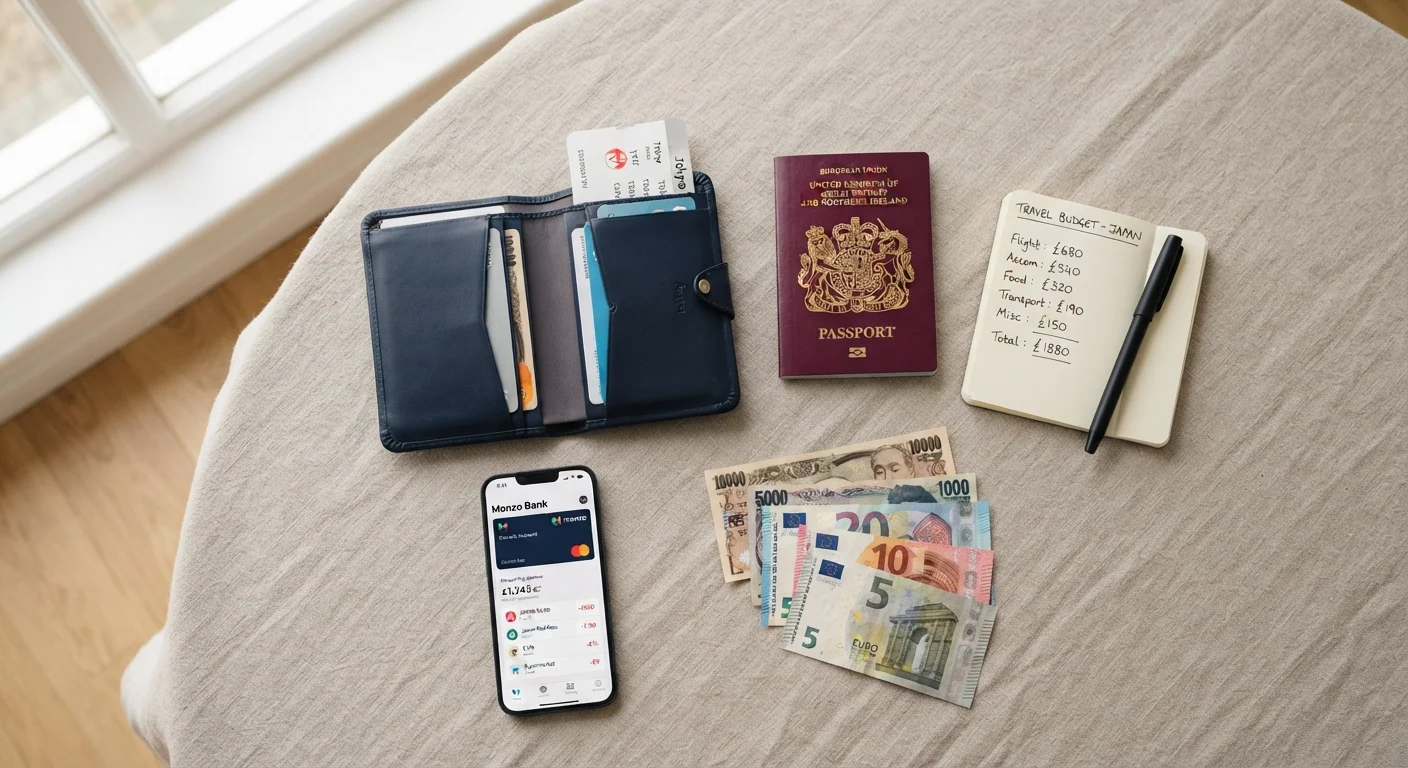
Getting your planning infrastructure in place before diving into numbers saves significant rework. You need a way to record estimates and actual costs side by side, a reliable method for converting foreign prices, and access to current destination data.
Expense tracking app or spreadsheet
Records planned versus actual spending across trip categories in real time.
Currency converter
Converts destination prices into your home currency so budget comparisons are accurate.
Travel budget worksheet
Provides a structured template for estimating costs by category before departure.
If you're new to travel budgeting entirely, Building a Travel Budget from Scratch walks through the foundational estimation process in detail — a useful starting reference before working through the steps below.
Step-by-Step: Building and Managing Your Trip Budget
The steps below move in sequence — each one builds on the previous. Skipping ahead to booking before completing the allocation steps is the most common reason travelers end up financially exposed mid-trip.
Establish your total available budget
Before any booking, determine the actual dollar figure you can commit — not an optimistic estimate, but a confirmed number. Include savings already set aside and any additional income you plan to save before departure. Subtract fixed pre-trip costs like passport renewal or required vaccinations. What remains is your working travel budget.
If you're still building toward your target, our guide on building a savings habit on a stretched budget offers practical approaches for reaching a goal incrementally.
Allocate your budget across core categories
Divide your total into the five main travel cost categories: flights and ground transport, accommodation, food, activities, and a contingency buffer. A common starting framework is: transport 30–35%, accommodation 25–30%, food 20%, activities 10–15%, buffer 10%. These ratios shift based on destination and travel style — adjust deliberately rather than guessing.
For a full breakdown of what each category actually contains, The Real Cost of Budget Travel clarifies commonly underestimated line items.
Research realistic costs for your destination
Use destination-specific data — not global averages — to validate your allocations. Check recent traveler reports, hostel and rental listing prices, and public transit costs for the specific cities you'll visit. Costs vary dramatically even within a single country. An accommodation budget that works in Porto may be insufficient in Lisbon's historic center.
When evaluating lodging trade-offs, accommodation trade-offs budget travelers rarely discuss covers what cheap options often cost in non-monetary terms.
Identify your non-negotiables and protect them
Decide in advance which experiences are genuinely important to you — a specific museum, a cooking class, a once-in-a-trip splurge — and ring-fence funds for them early. This prevents the common situation where money evaporates on incidentals and the experiences that motivated the trip get cut at the end.
Structuring your trip around priorities rather than a packed schedule is central to building a good travel itinerary — one that leaves room for what matters without constant schedule pressure.
Book transport and accommodation in the right sequence
Confirm your largest fixed costs — flights and accommodation — before committing to activities or tours. Locking these in gives you a real remaining balance to work with. Booking them out of order, or leaving accommodation open-ended, makes the rest of the budget speculative. Consider transport mode trade-offs carefully: overland routes sometimes undercut air travel meaningfully in total cost. See overland vs. flying trade-offs for a cost-and-time comparison.
Track spending daily during the trip
A budget set before departure only works if you monitor it in real time. Log every expense — including small ones — at the end of each day. Compare your actual daily spend against your planned daily allowance. If you run over by 20% one day, you know immediately and can adjust the next, rather than discovering a shortfall at the trip's midpoint. Practical tracking approaches that don't require spreadsheet skills covers several methods suited to different preferences.
Slow Down to Stretch Your Budget
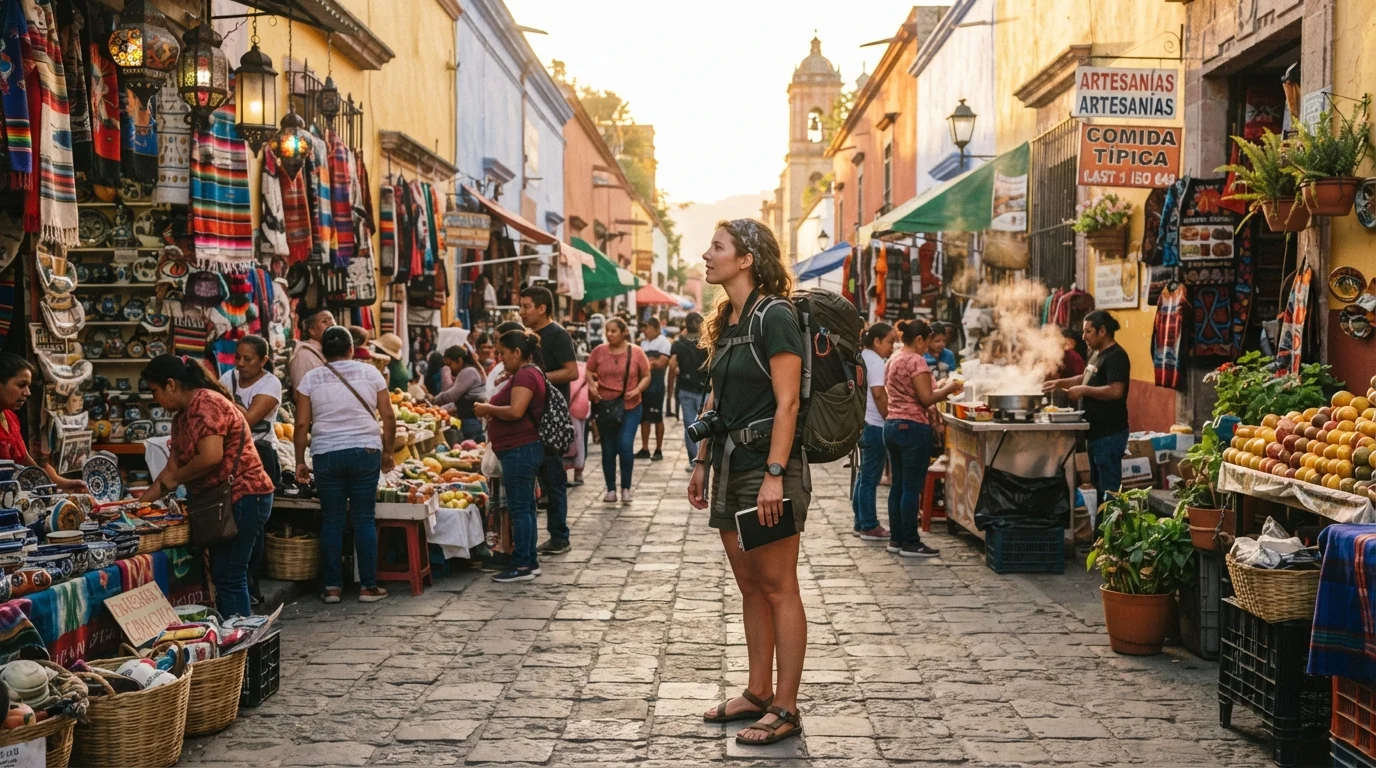
Moving between cities every one to two days is one of the fastest ways to overspend on transport and accommodation. Staying in each location for three or more nights reduces per-night costs, eliminates frequent transit expenses, and leaves more time for low-cost or free local activities. Consider this when structuring your itinerary, not as an afterthought.
Once you've completed your pre-trip financial setup, the pre-trip financial checklist covers the logistical financial steps — bank notifications, foreign transaction fees, and cash access — that protect your budget after you've built it.
Where Budgets Most Commonly Break Down
Even well-constructed budgets encounter predictable failure points. Understanding them in advance reduces the likelihood of being caught off-guard.
- Airport and transit costs on arrival day: Taxis, transit cards, and luggage fees on day one often exceed estimates. Plan these specifically. What a realistic travel day looks like is a useful reference for first-day logistics.
- Food creep: Eating every meal at sit-down restaurants adds up fast. Budgeting for a mix of self-catered meals, markets, and restaurants keeps food costs in proportion.
- Itinerary overload: Packing too many destinations means more transit costs. Slow travel — spending more time in fewer places — often costs meaningfully less.
- Skipped contingency buffer: If something goes wrong — delayed transport, a missed connection, an unexpected medical cost — travelers without a buffer face real financial stress. The buffer isn't pessimism; it's structural protection.
Exchange Rates and Foreign Transaction Fees Add Up
Many travelers build budgets in their home currency but fail to account for the cost of converting it. Foreign transaction fees, unfavorable exchange rates at airport kiosks, and ATM withdrawal charges can quietly erode 3–8% of your spending money. Research your card's international fee structure before departure and factor currency conversion realistically into destination cost estimates.