Why This Decision Feels So Hard
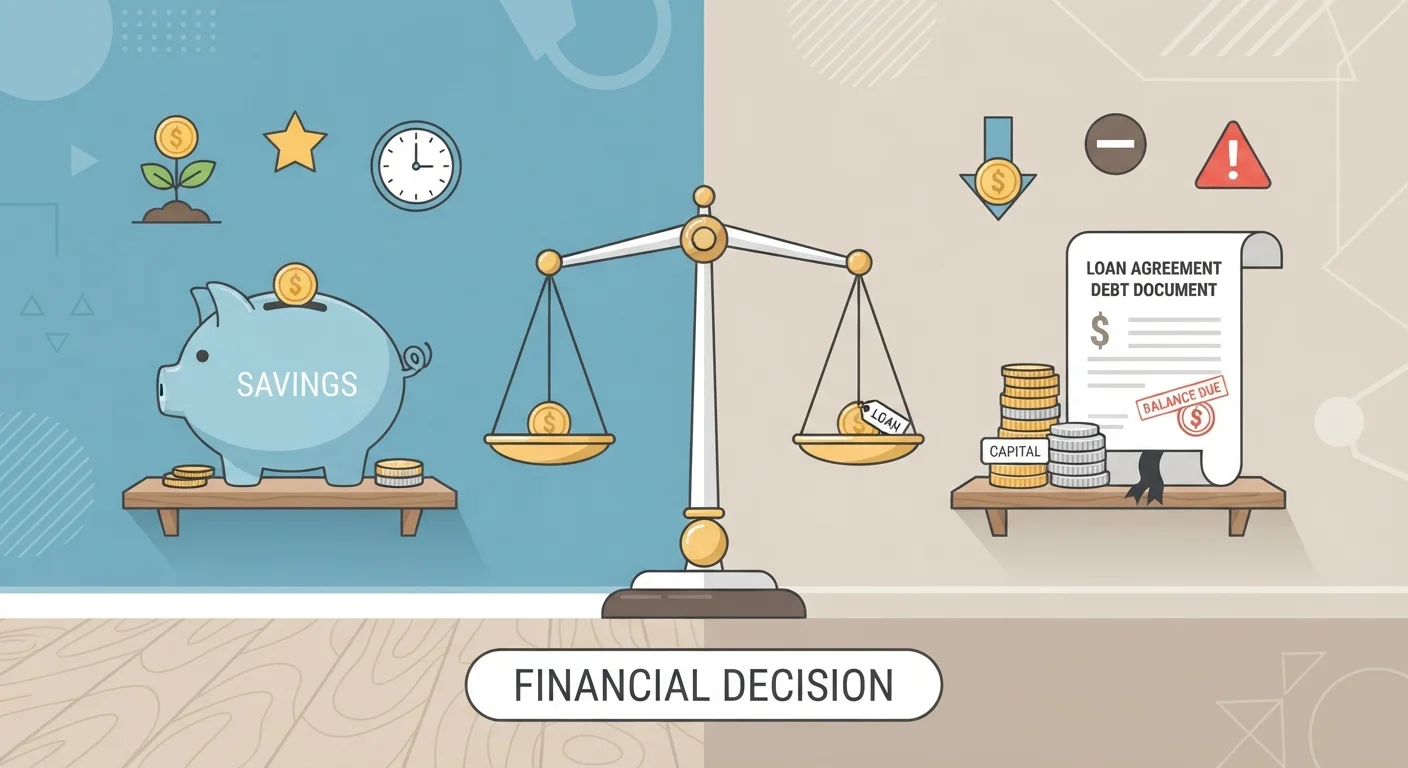
If you've ever stared at your bank account wondering whether to stash cash in savings or throw it at your debt, you're not alone. This is one of the most common financial crossroads young adults face — and the frustration is real because both choices make logical sense.
Paying down debt reduces what you owe and eliminates costly interest charges. But saving creates a cushion that keeps you from adding to that debt the moment something goes wrong. Without a framework, it's easy to feel stuck going in circles.
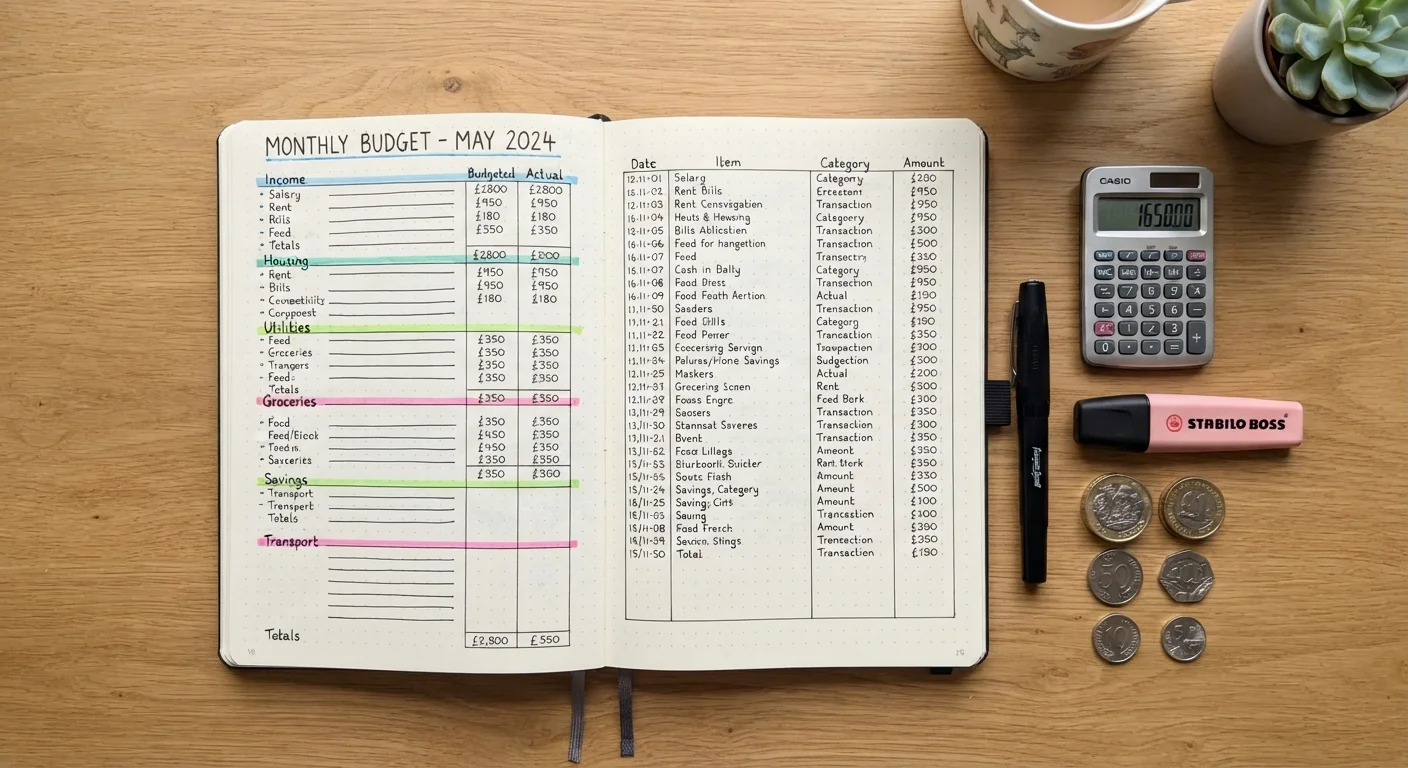
The key is understanding that this isn't truly an either/or decision for most people. It's a question of sequencing and proportion — how much goes where, and in what order, given your specific situation. See our budgeting basics hub for help building the monthly framework that supports whichever path you choose.
| Criterion | Emergency Fund | Debt Repayment |
|---|---|---|
| Primary benefit | Protects against new debt from surprises | Reduces interest cost and total owed |
| Risk of waiting | Unexpected expenses force new borrowing | Interest compounds, balance grows over time |
| Best starting point | When you have zero cash buffer | When a starter fund is already in place |
| Interest rate factor | Earns modest returns in savings | Eliminates high-rate interest charges |
| Income stability impact | More critical with irregular income | More feasible with stable, predictable income |
| Psychological benefit | Reduces financial anxiety and stress | Builds momentum and sense of progress |
The Case for Building Your Emergency Fund First
Financial educators frequently point to a small starter emergency fund as the first step — even before aggressive debt repayment — for one simple reason: without one, you're likely to keep accumulating debt.
Unexpected expenses don't pause for your repayment plan. A car breakdown, urgent dental bill, or job disruption can immediately send you back to a credit card if you have no savings to draw from. That's why a modest starter fund can be transformative, even while you're carrying debt.
Most general guidance suggests aiming for somewhere between three and six months of essential expenses in a dedicated savings account once your debt is under control — but even $500–$1,000 to start can interrupt the cycle of borrowing to cover emergencies. Once your fund is established, check out what to verify before tapping it so the fund serves its intended purpose.
~40%
Americans who can't cover a $400 emergency in cash
According to the Federal Reserve's Report on the Economic Well-Being of US Households, a significant share of adults would struggle to cover a small unexpected expense without borrowing.
3–6 months
Commonly recommended emergency fund target
Many personal finance educators suggest saving three to six months of essential living expenses as a general benchmark for a fully funded emergency reserve.
The Case for Paying Off Debt Aggressively
Here's the financial reality of debt: every month you carry a high-interest balance, you pay for the privilege of doing so. Credit card interest rates in the US have historically been among the highest of any common lending product. That means the longer the balance sits, the more it costs you in real dollars — money that could otherwise go toward savings or other goals.
Once you have even a small buffer saved, there's a strong argument for redirecting every spare dollar toward high-interest debt. The math generally favors this approach: if your credit card charges significantly more in interest than your savings account earns, paying down the card is effectively a guaranteed return at that rate.
Explore proven frameworks like the debt avalanche and snowball methods to find a payoff strategy that fits your psychology and numbers. And if you're making payments but not gaining traction, look for signs your current plan isn't working.
A Practical Middle Path: The Hybrid Approach
For most people, the most workable answer isn't choosing one over the other — it's doing both simultaneously in a deliberate way. A common approach looks like this:
- Build a starter emergency fund of $500–$1,000 before doing anything beyond minimum debt payments.
- Make minimum payments on all debts while you build that initial buffer to avoid penalties and credit damage.
- Direct extra money toward high-interest debt once your starter fund is in place, while keeping the fund intact.
- Rebuild your emergency fund to a fuller level (three to six months of expenses) once high-interest debt is cleared.
This sequence protects you from emergency-driven setbacks while still making meaningful progress on debt. You can also automate the process so the decision doesn't require daily willpower — automating savings and debt payments removes much of the friction from this split approach.
For deeper context on how a fund fits into your monthly spending, see how emergency funds and monthly budgets work together.
Student Loan Debt Works Differently
If a significant portion of your debt is federal student loans, the calculus can shift. Federal loans often carry lower interest rates and offer income-driven repayment options that can make them more manageable over time. Building a fuller emergency fund may take higher priority in that context. See how income-driven repayment plans work for more detail.
This article is for general informational and educational purposes only and is not personalized financial advice. Please consult a qualified financial professional for guidance specific to your situation.