Why Automation Works Where Willpower Doesn't
Most people don't fail at saving or paying off debt because they lack motivation — they fail because the system requires too many daily decisions under real-world stress. Automation removes the decision entirely. When a transfer happens the moment your paycheck lands, you never have the chance to spend that money first.
This is sometimes called paying yourself first: structuring your finances so savings and debt payments come out automatically before your discretionary spending has a chance to absorb them. Research in behavioral economics consistently finds that default automatic behaviors outperform intentions that rely on voluntary action. The principle is straightforward — friction reduces follow-through, and automation eliminates friction.
For young adults juggling student loans, credit card balances, and the pressure to build an emergency fund simultaneously, automation also reduces the mental load of managing money. Instead of tracking multiple due dates and manually moving funds, you build a system once and let it run. This pairs well with the core principles of effective saving and debt habits, which emphasize consistency over intensity.
What you will need
What You'll Need Before You Start
Setting up financial automation is relatively straightforward, but it works best when you have a clear picture of your accounts, debts, and income timing. Gather the following before working through the steps below.
Online banking portal or mobile app
Used to set up automatic transfers between your checking and savings accounts.
Creditor's online payment portal
Used to enroll in autopay for credit cards, student loans, or other debts.
Budgeting spreadsheet or app
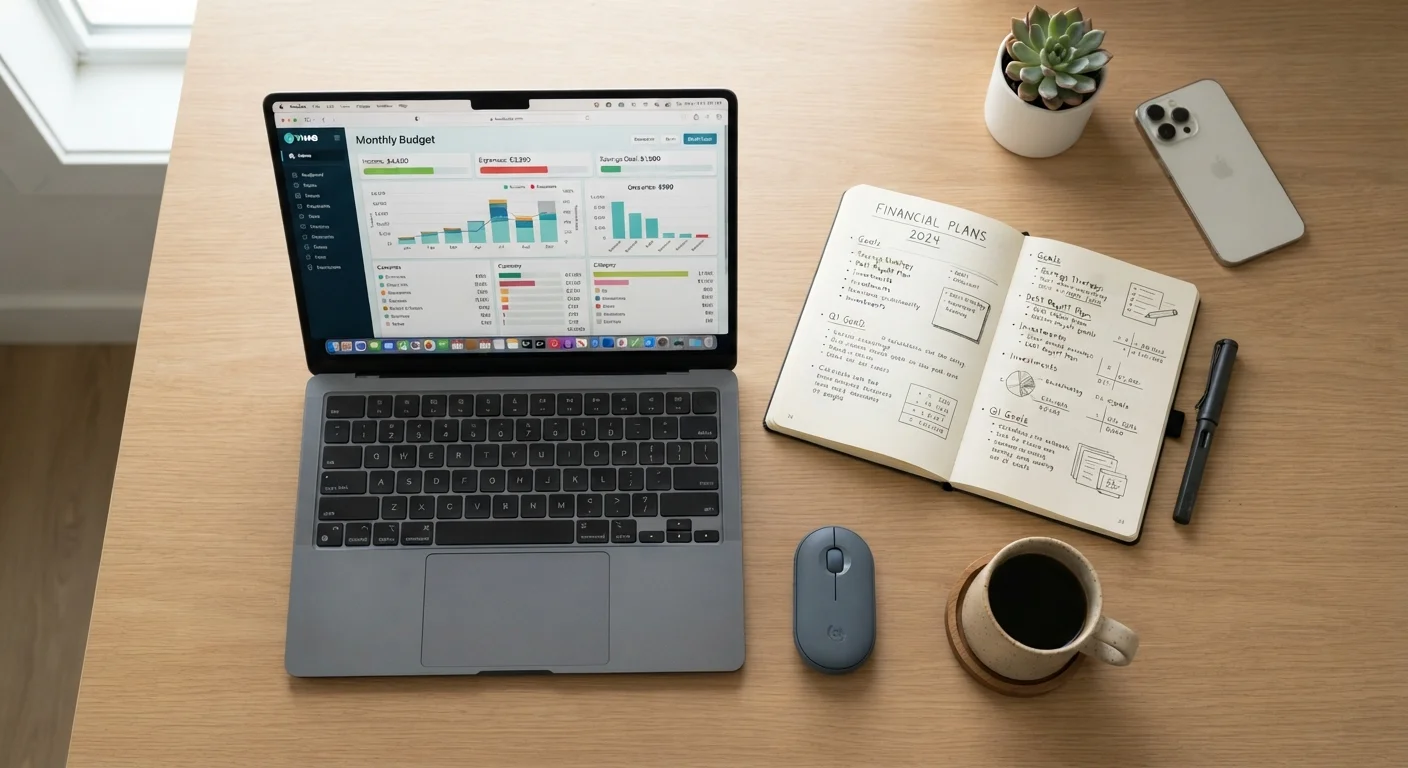
Helps you map your cash flow so you know how much to automate without overdrafting.
Separate high-yield savings account
Keeps your emergency fund or savings goal physically separated from everyday spending money.
Watch for Overdraft Risk
Scheduling multiple automatic transfers on the same day as your rent or large bills can leave your account temporarily low. Stagger your automation dates by at least one or two business days after your paycheck posts. Contact your bank to confirm how long direct deposits take to clear before relying on same-day availability.
Step-by-Step: Building Your Automated System
Follow these steps in order. The goal is a system where your savings grow and your debt payments are protected — automatically, every pay period.
Map your monthly cash flow
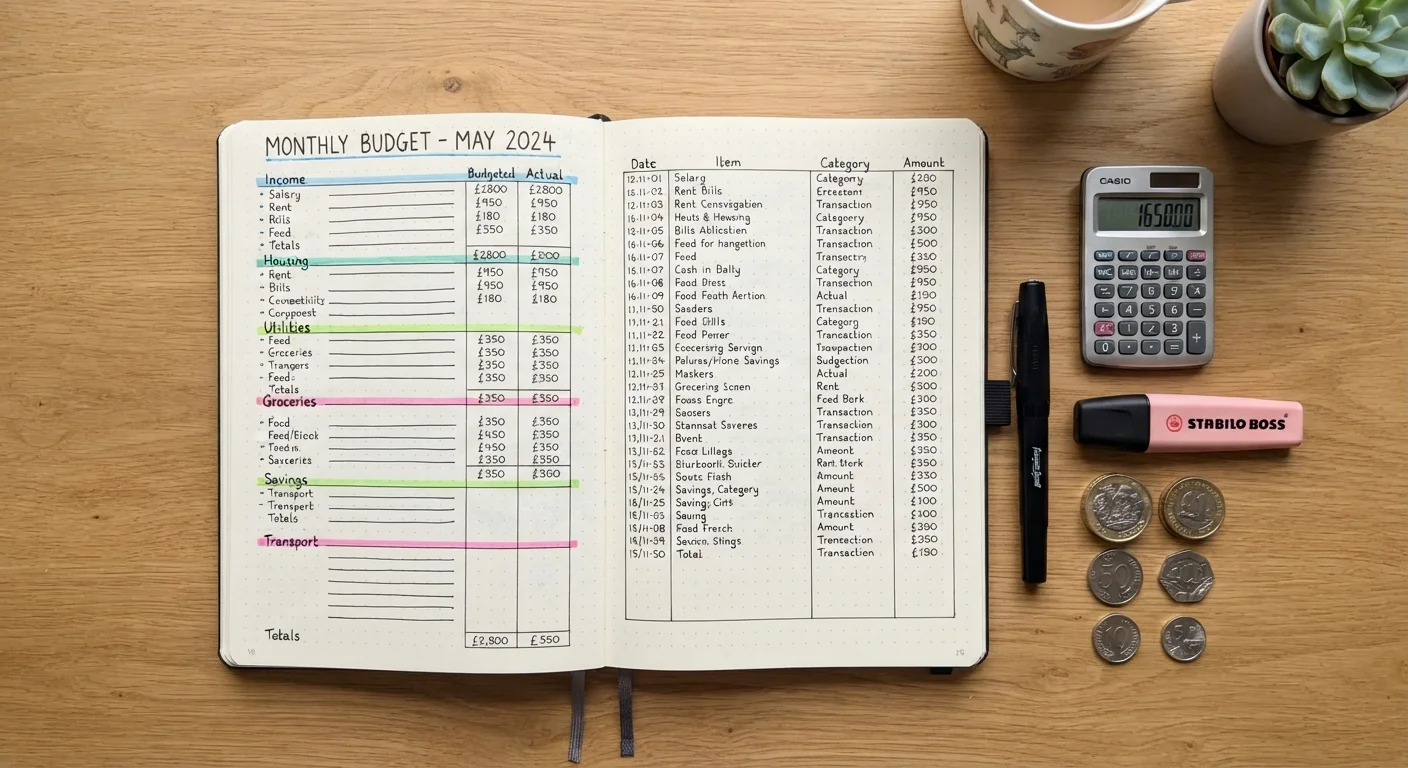
Before automating anything, spend 15 minutes listing your monthly take-home income alongside your fixed expenses — rent, utilities, insurance, and minimum debt payments. The gap between income and fixed costs is your working budget for automation. If you haven't done this before, our complete budgeting guide walks through the full process.
Decide how to split savings and debt payments
One of the most common questions young adults face is whether to prioritize building savings or paying down debt faster. The honest answer depends on your interest rates and your financial safety net. If you carry high-interest debt (generally above 7–8%), directing extra money there first tends to make mathematical sense. If you have no emergency fund at all, even a small automated savings contribution reduces your exposure to financial shocks. See our article on when to prioritize emergency savings vs. debt for a structured framework to help you decide.
Open a dedicated savings account if you don't have one
Keeping savings in the same account as your spending money makes it too easy to dip into. Open a separate savings account — ideally one that isn't linked to an instant-transfer debit card. Many people find that a small friction barrier (like a one-to-two day transfer window) is enough to prevent impulsive withdrawals. You don't need a large initial deposit; most accounts allow you to open with little or nothing.
Schedule automatic transfers to savings
Log in to your bank's online portal or mobile app and set up a recurring transfer from your checking account to your savings account. Schedule it for one to two business days after your expected paycheck deposit date — not before. Choose a fixed dollar amount that fits comfortably within your cash flow map from Step 1. Even $50 per paycheck builds to $1,300 over a year if you're paid biweekly.
Enroll in autopay for minimum debt payments
Visit each creditor's online portal and enroll in autopay for at least the minimum payment due. This protects your credit score from late payments — one of the most damaging and avoidable financial mistakes. Set autopay to debit from your checking account two to three days before the due date to account for processing delays. If you're working on paying down a specific account faster, you can make an additional manual payment on top of the automatic minimum — your autopay remains the safety net.
Review and adjust every three months
Automation is not a set-and-forget system forever. Revisit your automated amounts quarterly — or whenever your income or expenses change significantly. A raise is a natural moment to increase your savings contribution or add an extra debt payment. If you notice your debt repayment isn't gaining traction, the signs your debt plan isn't working article covers what to watch for and how to course-correct.
Start Small and Scale Up
If you're unsure how much to automate, start with a modest amount — even $25 per paycheck toward savings. Once you've confirmed the transfers clear without issue and your budget adjusts, increase the amount gradually. Small consistent contributions outperform irregular large ones in the long run.
Keeping Your System on Track
Once your automation is live, your main job is periodic review rather than daily management. Check your accounts after each paycheck for the first month to confirm transfers are clearing correctly. Set a calendar reminder every three months to revisit your amounts and due dates.
If your financial situation changes — a job change, a new expense, or paying off an account — update your automations promptly. An outdated automated system can become a liability if it no longer reflects your actual budget. The broader context of how budgeting and automation fit together is covered in our budgeting basics hub.
Automation Doesn't Replace a Budget
Setting up automatic transfers is a powerful habit, but it works only if your cash flow actually supports it. Before automating, confirm your monthly income reliably covers your expenses, minimum debt payments, and any new savings contributions. Automating more than your budget allows can lead to overdraft fees or missed payments, which can hurt your credit score. This article provides general financial education — consult a licensed financial professional for advice tailored to your situation.
This article is for general informational and educational purposes only and does not constitute personalized financial, investment, tax, or legal advice. Consult a qualified financial professional before making decisions specific to your situation.