
Why You Need a Gate Between Crisis and Your Savings
An emergency fund is one of the most important financial tools you can build — but only if it's still there when a real crisis hits. The problem many people face isn't that they don't have savings; it's that the line between "emergency" and "inconvenient expense" gets blurry under pressure.
Before you transfer a single dollar out of your emergency fund, run through this checklist. It takes under 20 minutes and can prevent a short-term decision from undermining months of careful saving. For a deeper look at how emergency savings interact with debt repayment, see our guide on balancing an emergency fund and debt repayment.
This Is General Information, Not Financial Advice
This checklist is intended to help you think through your decision, not to replace personalized guidance. Everyone's financial situation is different. If you're facing a complex financial emergency, consider speaking with a licensed financial counselor or adviser before acting.
What You'll Need Before You Start
Gather a few pieces of information before working through the checklist so your answers are grounded in real numbers rather than estimates.
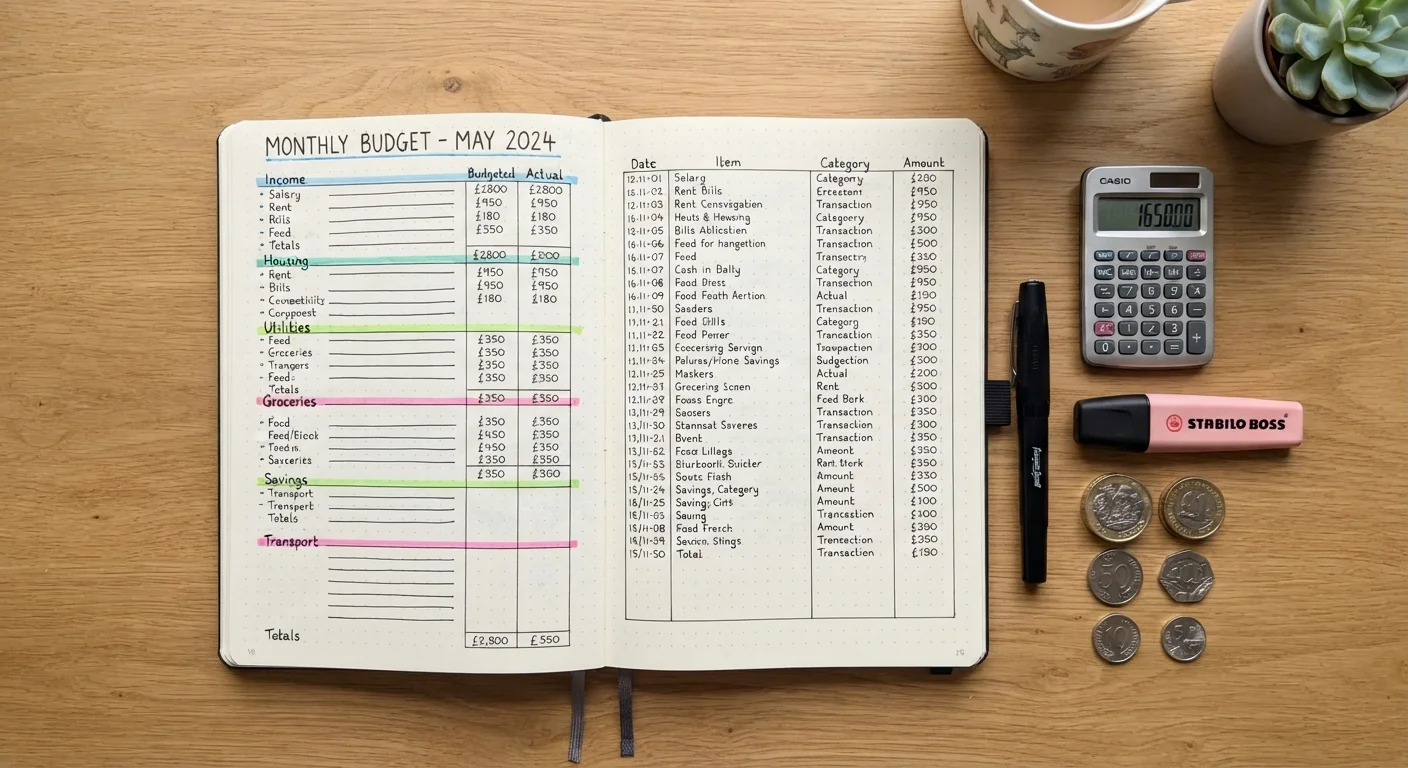
Monthly Budget Tracker
Helps you identify existing spending you can cut before withdrawing from your emergency fund.
Sinking Fund Ledger
Tracks separate savings pools for predictable expenses so your emergency fund stays untouched.
Expense Calculator (pen and paper or spreadsheet)
Lets you calculate the precise withdrawal amount needed to avoid over-dipping into savings.
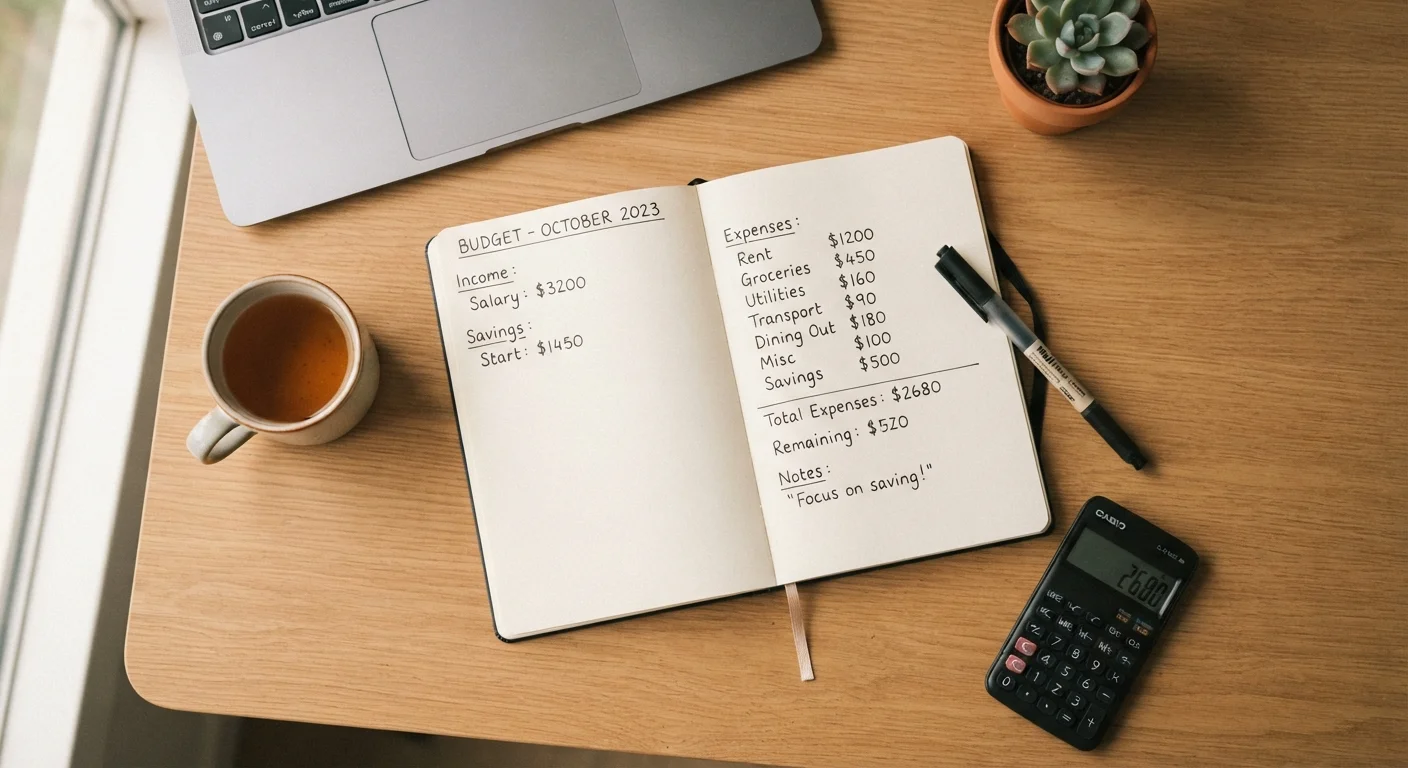
Having your monthly budget in front of you is especially useful — it lets you quickly spot spending you could redirect before touching savings. If you haven't built a budget yet, the Budgeting Basics hub walks you through how to get started.
The Pre-Withdrawal Checklist
Work through each group in order. If you reach the end of the first group and the expense doesn't clearly qualify, stop — this may not be an emergency fund situation after all.
Confirm It's a True Emergency
Explore Alternatives First
Assess the Withdrawal Amount
Plan for Replenishment
Don't Let Fear Drive a Hasty Decision
Financial stress can make every expense feel like a crisis. Before withdrawing, pause and work through the checklist — even a five-minute review may reveal an alternative you hadn't considered. Acting impulsively can deplete savings that took months to build.
A Depleted Fund Leaves You Exposed
If you withdraw without a replenishment plan and another unexpected expense hits soon after, you'll have no buffer to absorb it. Always define how and when you'll rebuild before you take money out.
After the Withdrawal: What Comes Next
Deciding to use your fund isn't a failure — it's the fund doing exactly what it's designed to do. What matters most afterward is rebuilding deliberately. A depleted emergency fund is a vulnerability, not a permanent one, but only if you address it quickly.
If your fund was already on the smaller side before this withdrawal, consider reading why even a $1,000 buffer makes a significant difference — it may help you prioritize rebuilding even while managing other financial pressures. And once your safety net is restored and stable, a readiness checklist for first-time investors can help you figure out what to tackle next.
This article is for general informational and educational purposes only and does not constitute personalized financial advice. Please consult a qualified financial professional for guidance specific to your situation.