
Why a Readiness Check Matters Before You Invest
Investing can be a powerful way to build long-term wealth, but jumping in before your financial foundation is solid often leads to setbacks that are both stressful and avoidable. Market dips happen. Unexpected expenses happen. If you're not prepared for either, you may be forced to sell investments at a loss just to cover a car repair — undoing the very progress you were trying to make.
This checklist is designed to help you honestly assess where you stand before committing a single dollar to an investment account. Think of it as a pre-flight check: not meant to slow you down, but to make sure you take off safely. If you haven't built a working budget yet, that's your first stop — see our plain-English budgeting guide before continuing here.
This article is for general informational and educational purposes only. It is not personalized financial, investment, tax, or legal advice. Please consult a qualified financial professional before making decisions about your specific situation.
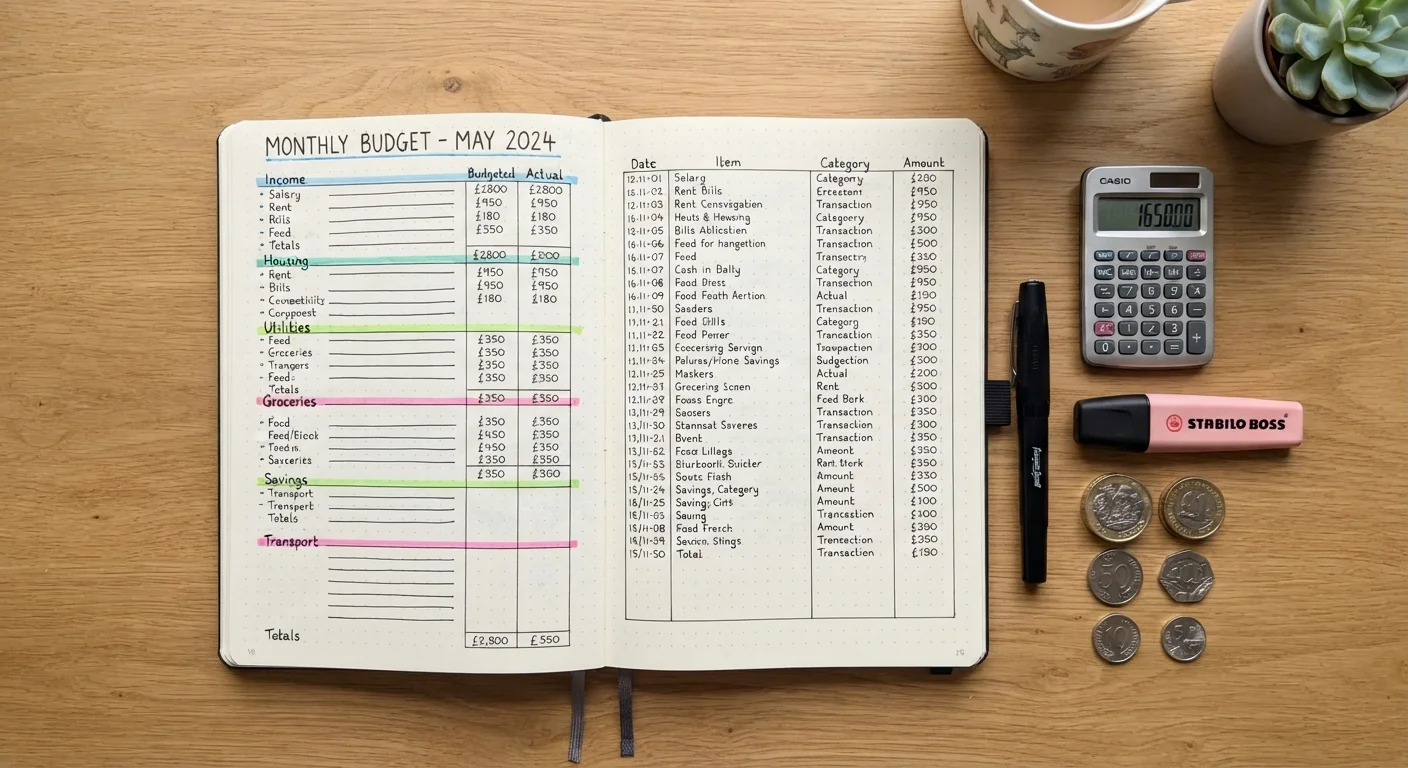
Monthly Budget Spreadsheet or App
Track income and expenses to identify how much you can realistically invest each month.
Debt List with Interest Rates
A simple document listing every debt, its balance, and its APR to prioritize payoff versus investing.
Emergency Fund Savings Account
A liquid, accessible account (separate from checking) where your safety net is held.
Employee Benefits Summary
Your employer's documentation of retirement plan options, match percentages, and vesting schedules.
Licensed Financial Adviser
A qualified professional who can provide personalized guidance suited to your specific financial situation.
Work Through the Checklist
Go through each group below and mark honestly where you stand. Items labeled must are non-negotiable prerequisites. Items labeled should are strongly recommended before you invest. Nice-to-have items strengthen your position further but aren't blockers.
Emergency Fund
Debt Assessment
Budget and Cash Flow
Goals and Time Horizon
Risk Awareness
Employer Benefits
Don't Skip the Debt Math
It can feel exciting to start investing while still carrying high-interest debt, but the numbers rarely work in your favor. If a credit card charges 20% APR, you need your investments to consistently return more than 20% just to break even — a highly unrealistic expectation. Eliminate costly debt first, then redirect that freed-up cash flow into investments.
Once you've cleared the must and should items, you'll be in a much stronger position to explore your first account. Our guide on what to know before opening an investment account is a natural next step. You'll also want to understand common first-year investing mistakes so you can sidestep them early.
What to Do If You're Not Quite Ready Yet
Scoring yourself honestly and finding gaps isn't failure — it's exactly what this checklist is for. If your emergency fund is thin, focus there first. The Saving & Debt hub has practical guidance on building savings and managing debt faster. If you're unsure whether tapping savings for any reason is wise, this checklist on emergency fund decisions can help you think it through.
Readiness timelines vary. Someone with stable income, no high-interest debt, and three months of savings may be ready in weeks. Someone rebuilding after a difficult financial period may need six months or more. Neither path is wrong — what matters is that when you do invest, your foundation can support it.
Investing Involves Real Risk of Loss
No investment is guaranteed, and it is possible to lose some or all of the money you invest. This checklist helps you build a stable foundation, but it cannot eliminate market risk. Always make sure money you invest is money you can afford to leave untouched for your intended time horizon — not funds you may need in an emergency.