How Both Methods Actually Work
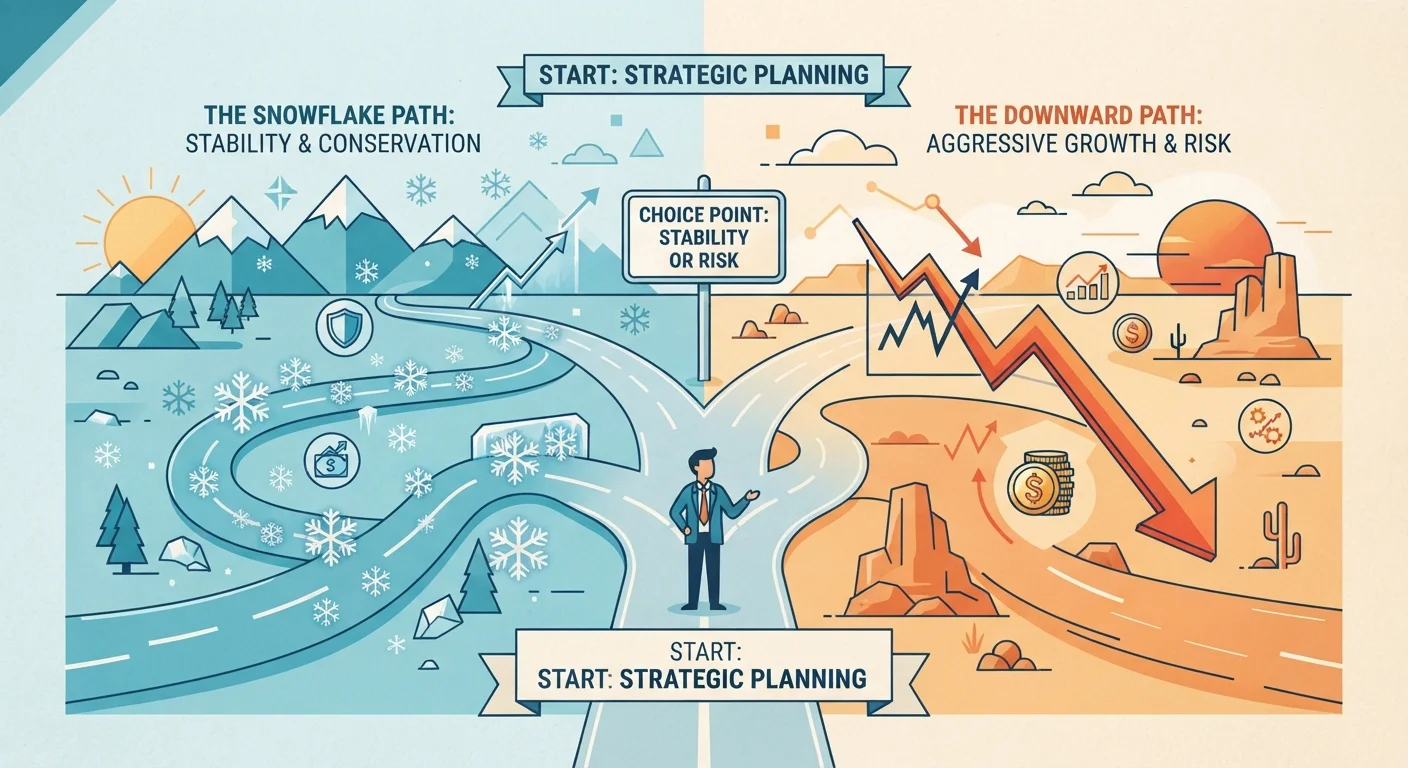
Both strategies share one core rule: pay the minimum on every debt each month, then direct any extra money toward one specific target. Where they differ is in how they choose that target.
Debt Avalanche: You rank your debts from highest to lowest interest rate. Extra payments go toward the highest-rate balance first. Once it's paid off, you roll that payment into the next-highest-rate debt. This approach minimizes the total interest you pay — see our article on what high-interest debt really costs you over time for a closer look at how compounding charges accumulate.
Debt Snowball: You rank your debts from smallest to largest balance, ignoring interest rates. Extra payments target the smallest balance first. When it's gone, you redirect that payment to the next-smallest debt. The idea is that eliminating accounts entirely creates momentum and psychological reinforcement — concepts explored in depth in our piece on why paying off debt feels so hard.
| Criterion | Debt Avalanche | Debt Snowball |
|---|---|---|
| Primary target | Highest interest rate first | Smallest balance first |
| Total interest paid | Lower (mathematically optimal) | Potentially higher |
| Time to first payoff | Often longer | Often shorter |
| Motivational style | Delayed gratification | Frequent early wins |
| Best for | Disciplined, math-focused planners | Motivation-driven, habit-builders |
| Complexity | Low — just sort by rate | Low — just sort by balance |
The Real-World Trade-Off: Math vs. Motivation
The avalanche method wins on paper. If you have a $5,000 credit card at 22% APR and a $1,500 medical bill at 0% interest, there's no mathematical argument for paying the medical bill first — yet the snowball method would have you do exactly that.
That said, a plan you abandon costs more than a slightly suboptimal plan you stick to. Research in behavioral economics consistently shows that people underestimate how much motivation shapes financial follow-through. If seeing a balance drop to zero after two or three months keeps you engaged, the snowball's "inefficiency" may actually be worth it in practice.
~$1,000+
Potential interest savings with avalanche vs. snowball
The exact figure varies by debt mix, but financial educators commonly illustrate that targeting high-rate balances first can save hundreds to thousands of dollars over a repayment timeline.
22%+
Average credit card APR in recent years
According to the Federal Reserve's consumer credit data, average credit card interest rates have risen sharply, making high-rate debt increasingly costly to carry.
For many young adults balancing multiple financial priorities — including building a starter emergency fund — the psychological dimension is especially relevant. Our guide on whether to prioritize an emergency fund or debt repayment addresses how to think about both goals at once without feeling paralyzed.
Putting a Strategy Into Practice
Whichever method you choose, the mechanics are the same:
- List all your debts. Note the balance, minimum payment, and interest rate for each.
- Sort them by interest rate (avalanche) or balance (snowball).
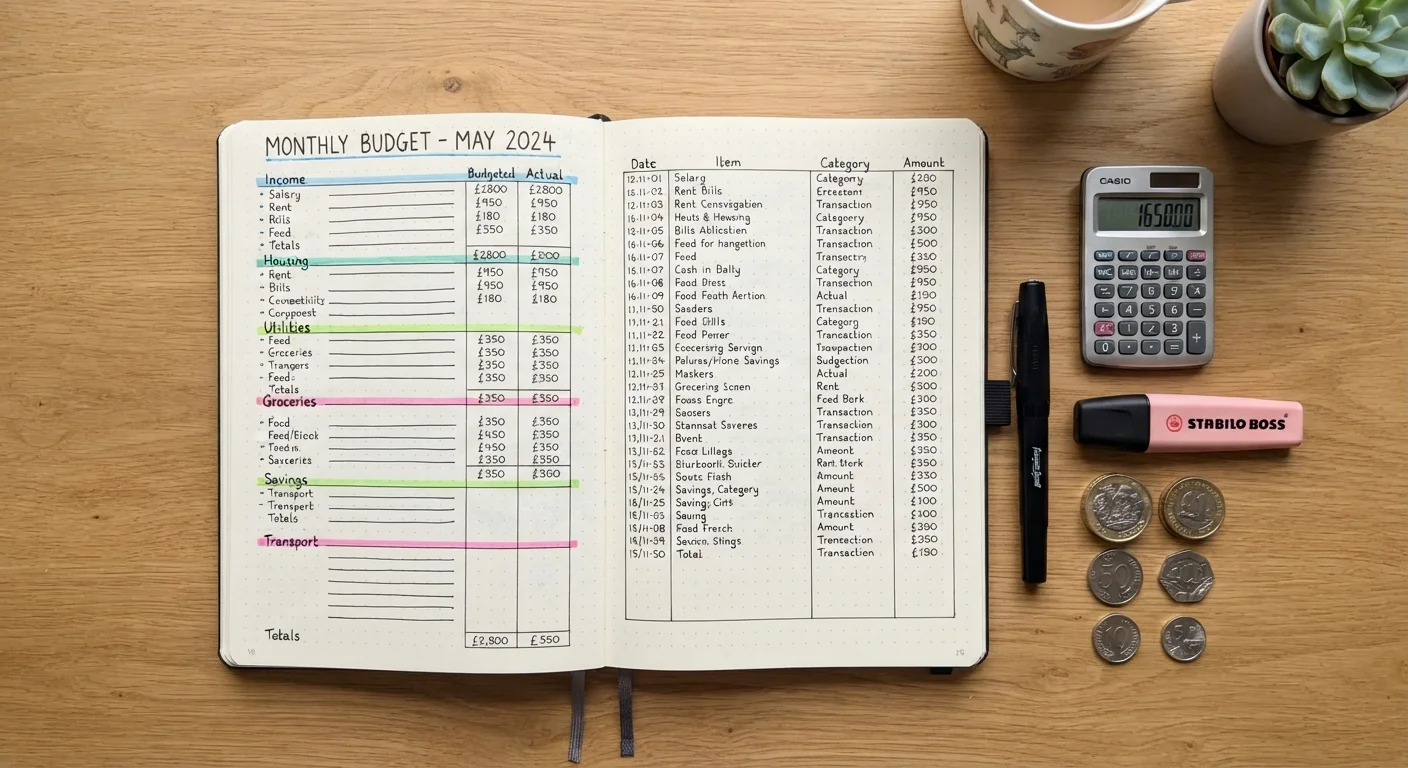
- Find extra money to apply. Even an additional $25–$50 per month accelerates payoff. A basic monthly budget can help you identify where that money might come from.
- Pay minimums on everything else while directing your extra amount to the target debt.
- Roll payments forward. When a debt is cleared, add its former minimum to your next target rather than spending it.
What If You Have a Mix of Debt Types?
It's common to carry a combination of credit card balances, auto loans, student loans, and medical bills — each with different rates and terms. You don't have to use one method rigidly. Some people apply the avalanche approach to high-rate revolving debt while using a snowball-style approach to clear smaller fixed balances. The goal is a system you'll actually follow. See principles that shape effective debt repayment habits for broader guidance on building a sustainable approach.
It's also worth knowing that these methods aren't your only options. Debt consolidation can simplify repayment into a single payment and may lower your interest rate — but it comes with its own trade-offs. And if student loans are part of your debt picture, income-driven repayment plans operate under a different framework entirely.
This article is for general informational and educational purposes only and does not constitute personalized financial advice. Consider consulting a licensed financial professional for guidance specific to your situation.