What Debt Consolidation Actually Means
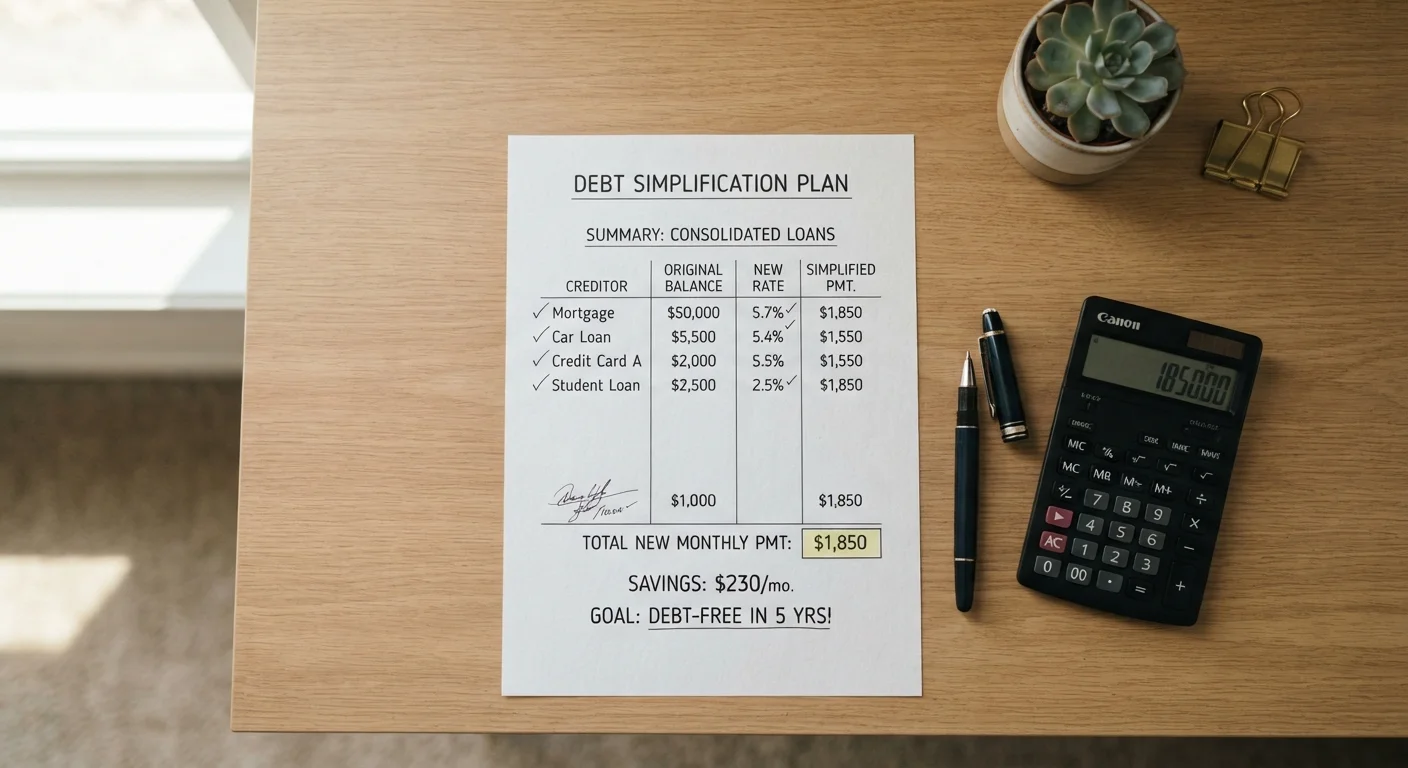
Debt consolidation is the process of combining several debts — such as credit card balances, medical bills, or personal loans — into a single new loan or credit product. The goal is usually to secure a lower interest rate, reduce the number of payments you track each month, or both.
Common consolidation methods include personal loans, balance transfer credit cards (which often offer a 0% introductory period), and home equity loans. Each comes with different eligibility requirements, risk profiles, and cost structures. Understanding what you're signing up for matters far more than the appeal of a single monthly payment.
It's also worth noting that consolidation is not the only path forward. Strategies like the debt avalanche and snowball methods offer structured alternatives that don't require taking on new credit.
Consolidation vs. Debt Settlement: Not the Same
Debt consolidation is different from debt settlement, which involves negotiating to pay less than what you owe. Settlement can severely damage your credit score and may have tax implications. If someone is marketing 'debt relief' aggressively, verify carefully what type of service they're actually offering. A nonprofit credit counselor can be a good starting point for unbiased guidance.
The Pros: Where Consolidation Can Help
For some borrowers, consolidation offers real, measurable advantages worth considering.
Simplifies repayment with one monthly payment
Managing a single payment instead of four or five reduces the risk of missed due dates and the mental load of tracking multiple accounts.
May lower your overall interest rate
Borrowers with good credit may qualify for a consolidation loan at a lower APR than their current credit card rates, potentially reducing the total cost of repayment.
Can improve monthly cash flow
A longer repayment term or lower rate can reduce your required monthly outlay, freeing up room in your budget for savings or essentials.
May provide a fixed payoff timeline
Unlike revolving credit cards with no set end date, a personal consolidation loan has a defined term, which can create a clearer finish line and support goal-setting.
The interest rate benefit is the most financially significant. If you're currently carrying high-interest debt at 20–25% APR on multiple credit cards, qualifying for a consolidation loan at a meaningfully lower rate can reduce both your monthly payment and total repayment cost.
The Cons: Where Consolidation Can Backfire
The downsides of consolidation are real and often underestimated, especially when the focus is on short-term relief rather than the full picture.
May cost more in total interest over time
Extending your repayment period lowers monthly payments but increases the total interest paid — even if the rate itself is lower. Run the full numbers before deciding.
Requires good credit to access favorable terms
Those with lower credit scores may not qualify for rates meaningfully better than what they're already paying, making consolidation less financially advantageous.
Doesn't address underlying spending habits
Consolidation reorganizes existing debt but offers no protection against accumulating new balances, which is one of the most common post-consolidation pitfalls.
Some options carry fees or collateral risk
Balance transfer cards may charge transfer fees, and home equity loans put your home at risk if you default — costs that need to be factored into the decision.
Closing old accounts may affect your credit score
If consolidation leads to closing multiple credit accounts, it can temporarily reduce your available credit and increase your credit utilization ratio.
One of the most common traps: people consolidate credit card debt, then gradually run those cards back up. The result is more total debt than before consolidation. Building consistent financial habits — including a structured approach to debt repayment — is essential to making consolidation stick.
~20%
Average credit card APR in the US
According to Federal Reserve data, average credit card interest rates have remained near or above 20% in recent years, making rate comparisons essential before consolidating.
35%
Share of credit score tied to payment history
FICO scoring models weight payment history most heavily, meaning the on-time payments enabled by consolidation can support credit improvement over time.
Is Consolidation Right for Your Situation?
The decision comes down to a few key variables: your current interest rates versus the consolidation rate you can qualify for, the total cost over the loan's life, and your own spending patterns going forward.
Also consider where debt repayment fits within your broader financial picture. If you don't yet have a financial cushion, our overview of emergency funds versus debt repayment can help you think through priorities. Consolidation works best when it's part of a deliberate plan — not a reaction to financial pressure.
For the clearest guidance on your specific situation, speak with a licensed financial counselor or advisor before committing. Consolidation reshapes your debt, but it does not erase it — the discipline to follow through still rests with you.
This article is for general informational and educational purposes only and does not constitute personalized financial, tax, or legal advice. Please consult a qualified financial professional regarding your individual circumstances.